The Mary Immaculate Clinic (MIC) is one of the first African projects established under the leadership of Professor Vladimír Krčméry. The project was founded in 1998 by Trnava University in cooperation with the Slovak organisation eRko and the Irish religious congregation Sisters of Mercy.
The clinic was established to provide healthcare services to the poorest residents of the surrounding Mukuru slums in Nairobi. In its early years, the facility was primarily managed by Slovak staff, and three Slovak physicians served at the clinic.
In 2012, the clinic was officially handed over to its local partner, the Sisters of Mercy, while a Slovak physician appointed by St. Elizabeth University of Health and Social Work continued to work at the facility.
In 2000, an HIV clinic was established as part of the centre through the creation of a Voluntary Counselling and Testing (VCT) Centre, contributing to the fight against HIV/AIDS in the community.
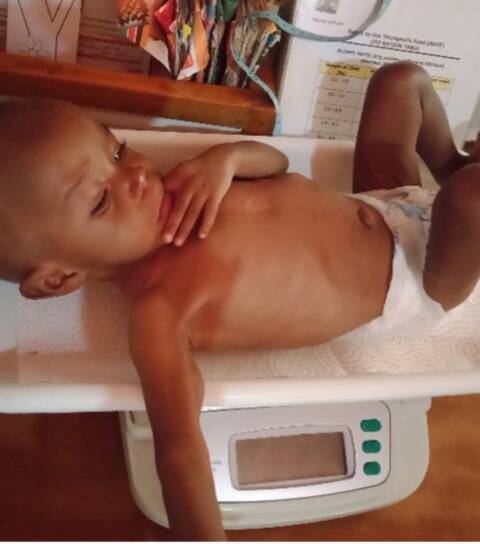
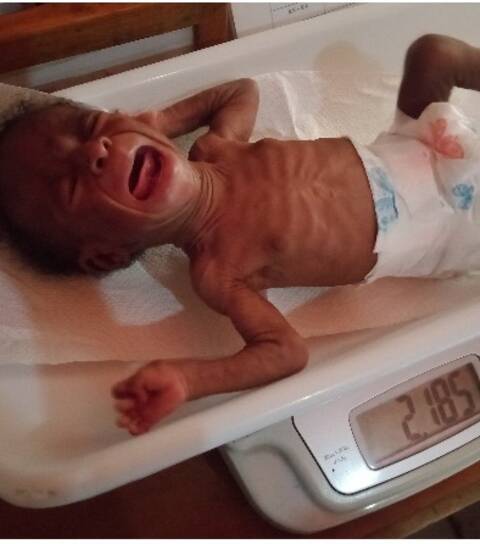
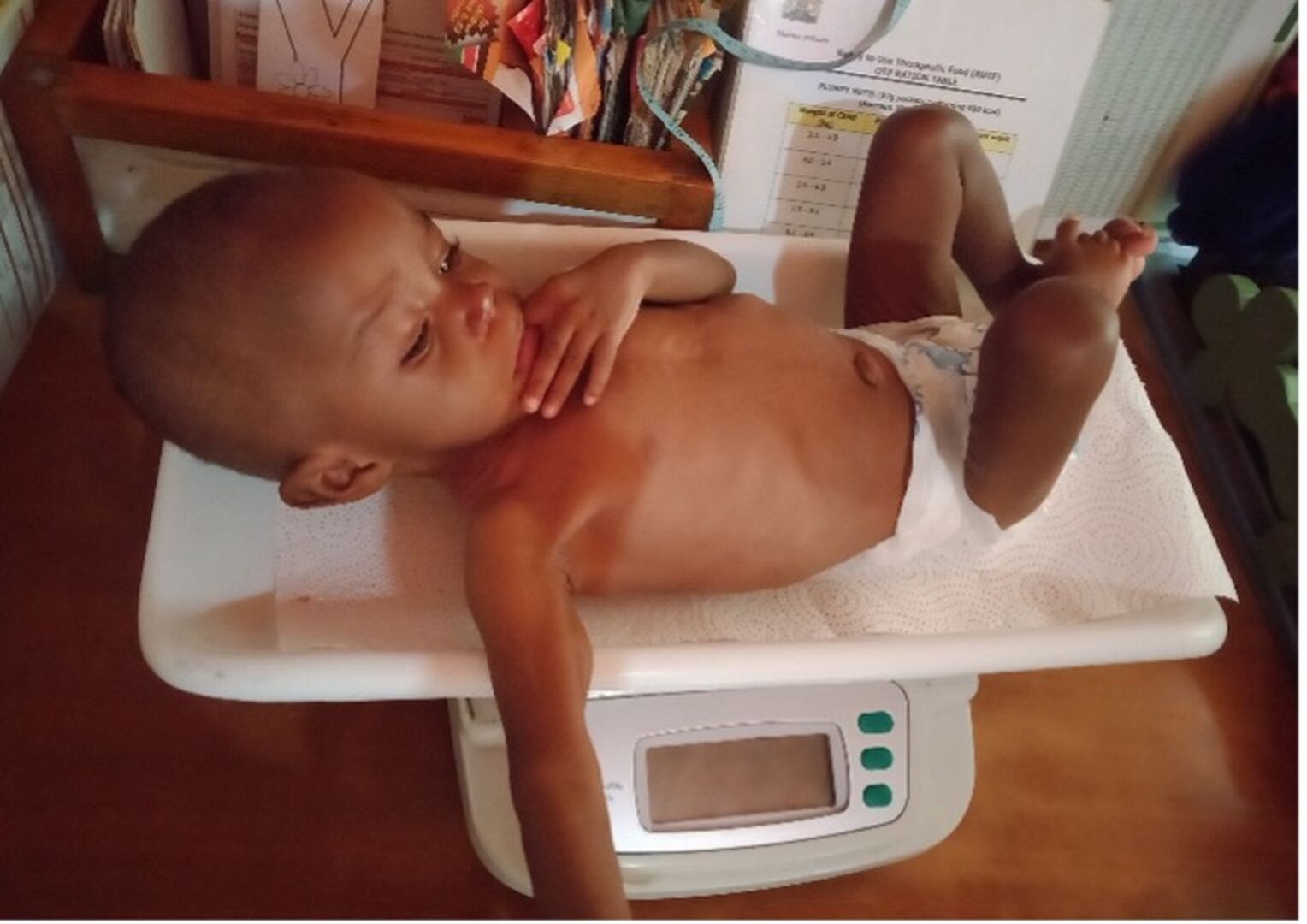
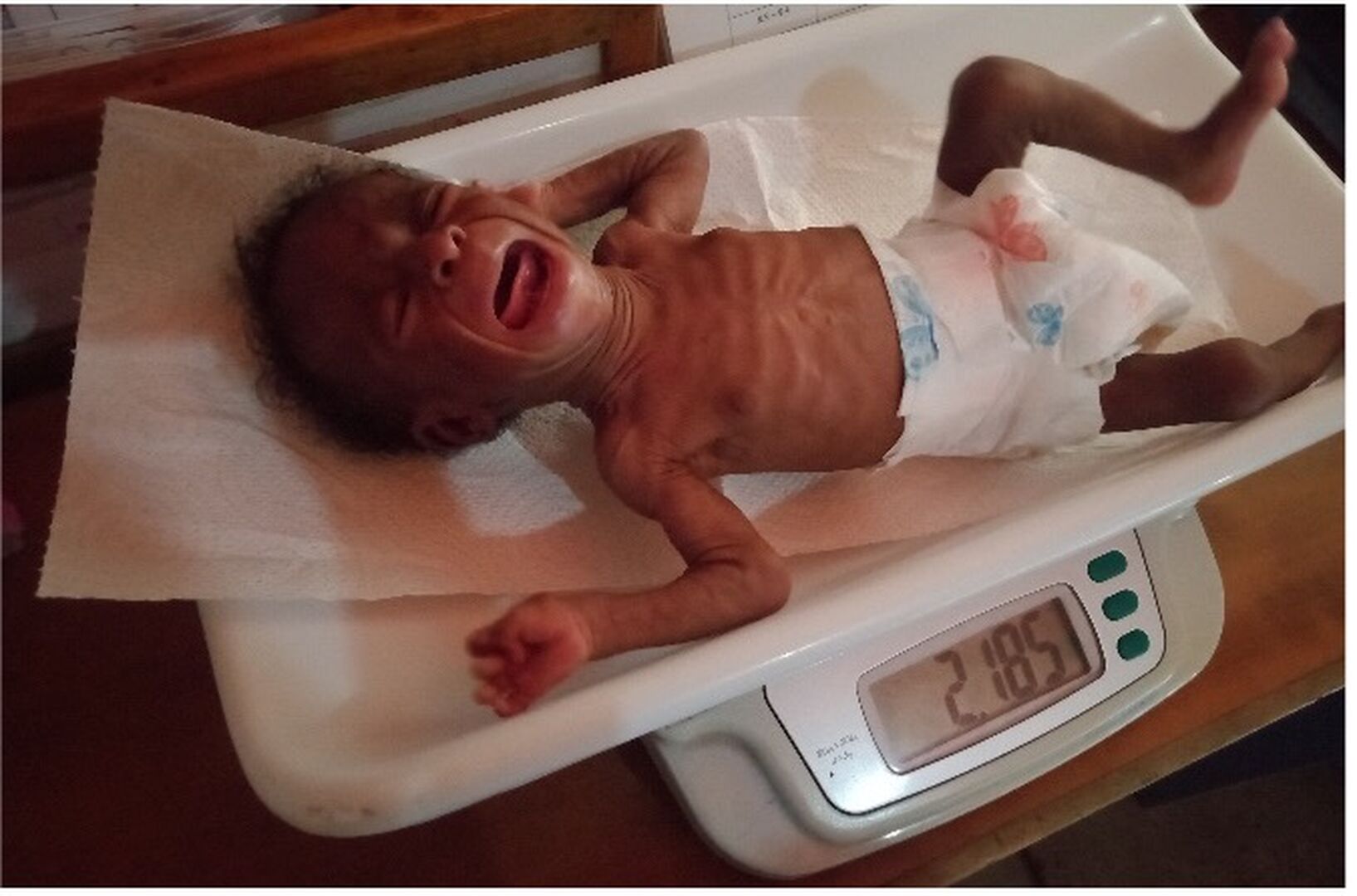
In 2004, a Paediatric Malnutrition Clinic was added to the project to address severe child malnutrition. Since its establishment, the programme has helped save the lives of thousands of children suffering from malnutrition and related health complications.
Since 2020, the clinic has expanded its nutrition programme to include support for undernourished and underweight pregnant and breastfeeding mothers, recognising the critical importance of maternal nutrition for both women and their children.
The project provides healthcare services to patients living in the surrounding Mukuru informal settlements. Medical care is offered at minimal cost, ensuring that even the poorest members of the community can access essential health services.
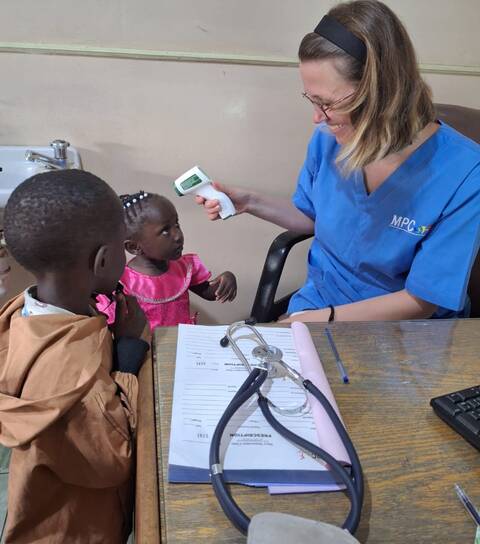
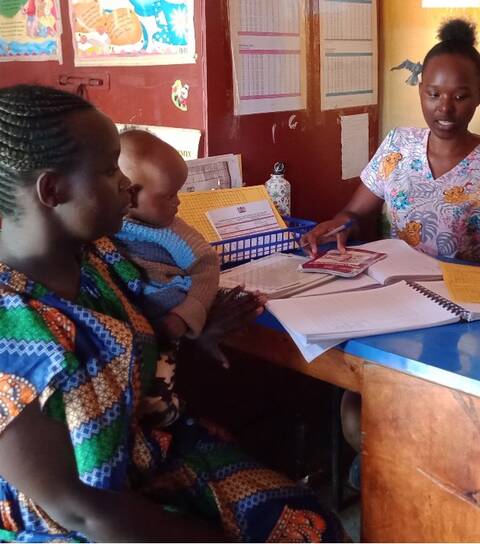
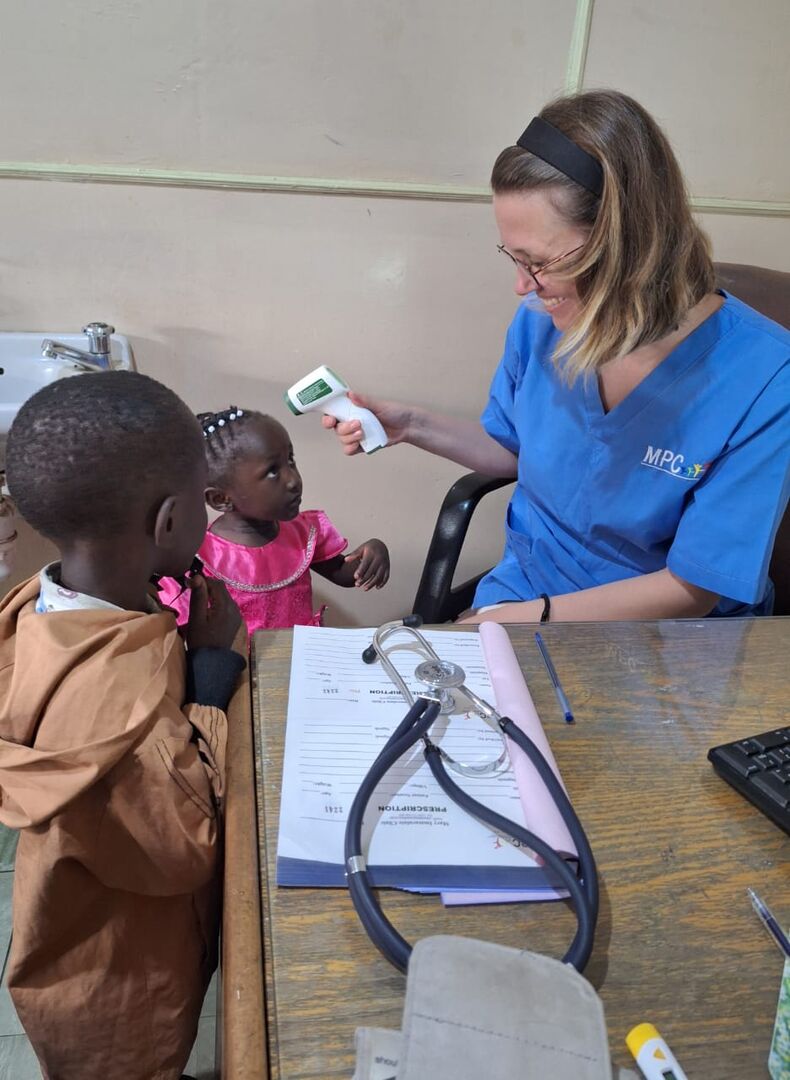
The clinic is staffed by a Slovak physician working alongside the personnel of the local partner organisation. Healthcare services are provided to both children and adults.
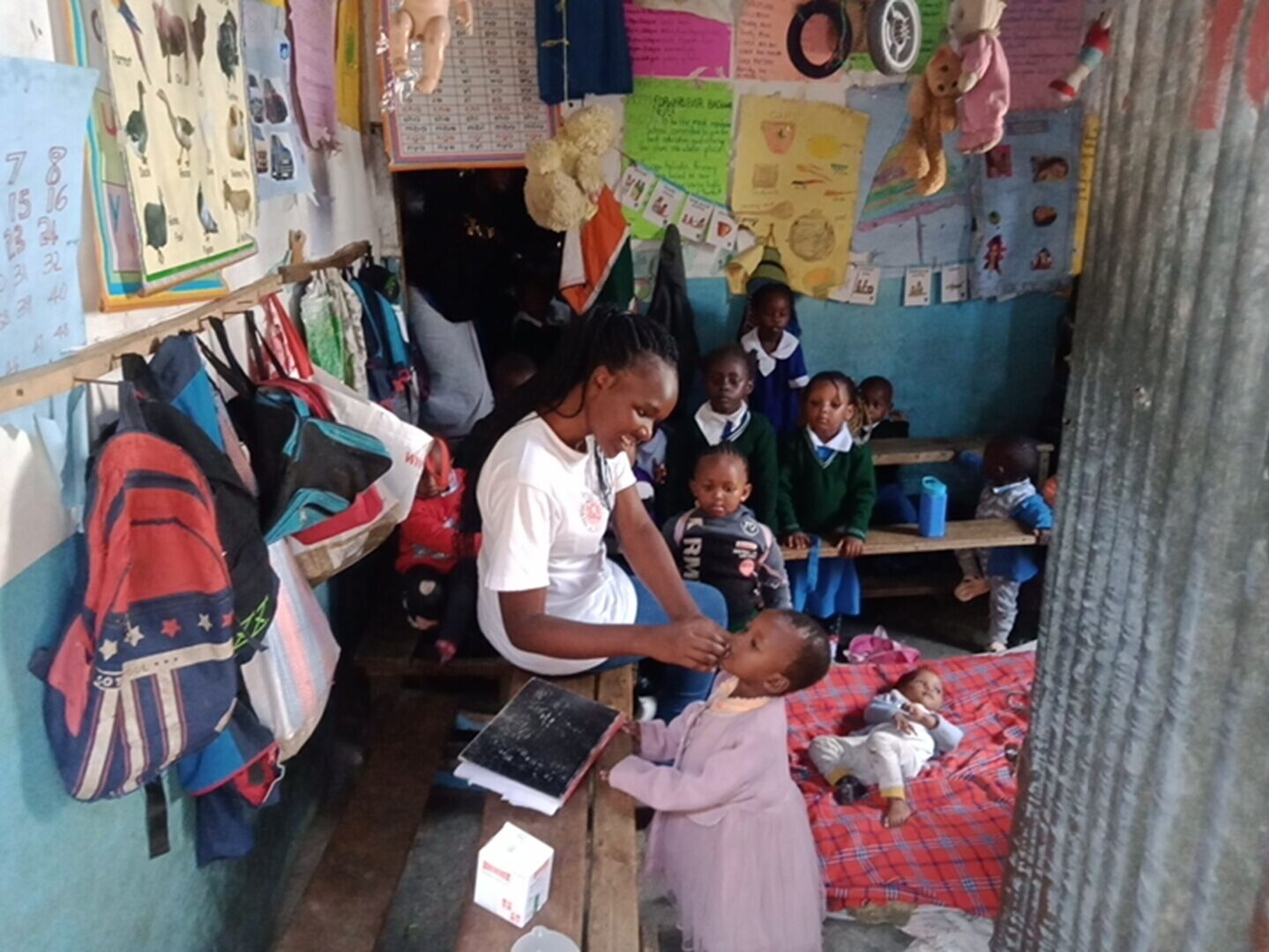
The facility includes a laboratory, pharmacy, tuberculosis clinic, child immunisation unit, and an observation room for patients requiring intravenous treatment or emergency care. The clinic is operated by the local partner, the Sisters of Mercy.
The Slovak physician serves as the project guarantor, ensuring high standards of medical care and providing professional supervision of healthcare services. On average, the doctor treats 30–40 patients per day, and the clinic remains busy throughout the year.
The most common medical conditions treated at the clinic include:
Respiratory diseases
Parasitic infections
Diarrhoeal diseases
Malaria
Skin diseases
Tuberculosis
HIV/AIDS
Through accessible and affordable healthcare, the Mary Immaculate Clinic plays a vital role in improving the health and well-being of vulnerable populations living in one of Nairobi’s most disadvantaged communities.
Malnutrition is not always caused by a lack of food. It may also result from inadequate dietary diversity, poor food quality, digestive disorders, acute illnesses, or chronic health conditions that affect appetite and metabolism.
Children are the group most vulnerable to malnutrition. The most critical period is between six and twenty-four months of age, when breast milk begins to be supplemented with other foods. However, children under five years of age, adolescents, pregnant and breastfeeding women, older adults, and children with chronic illnesses are also at increased risk.
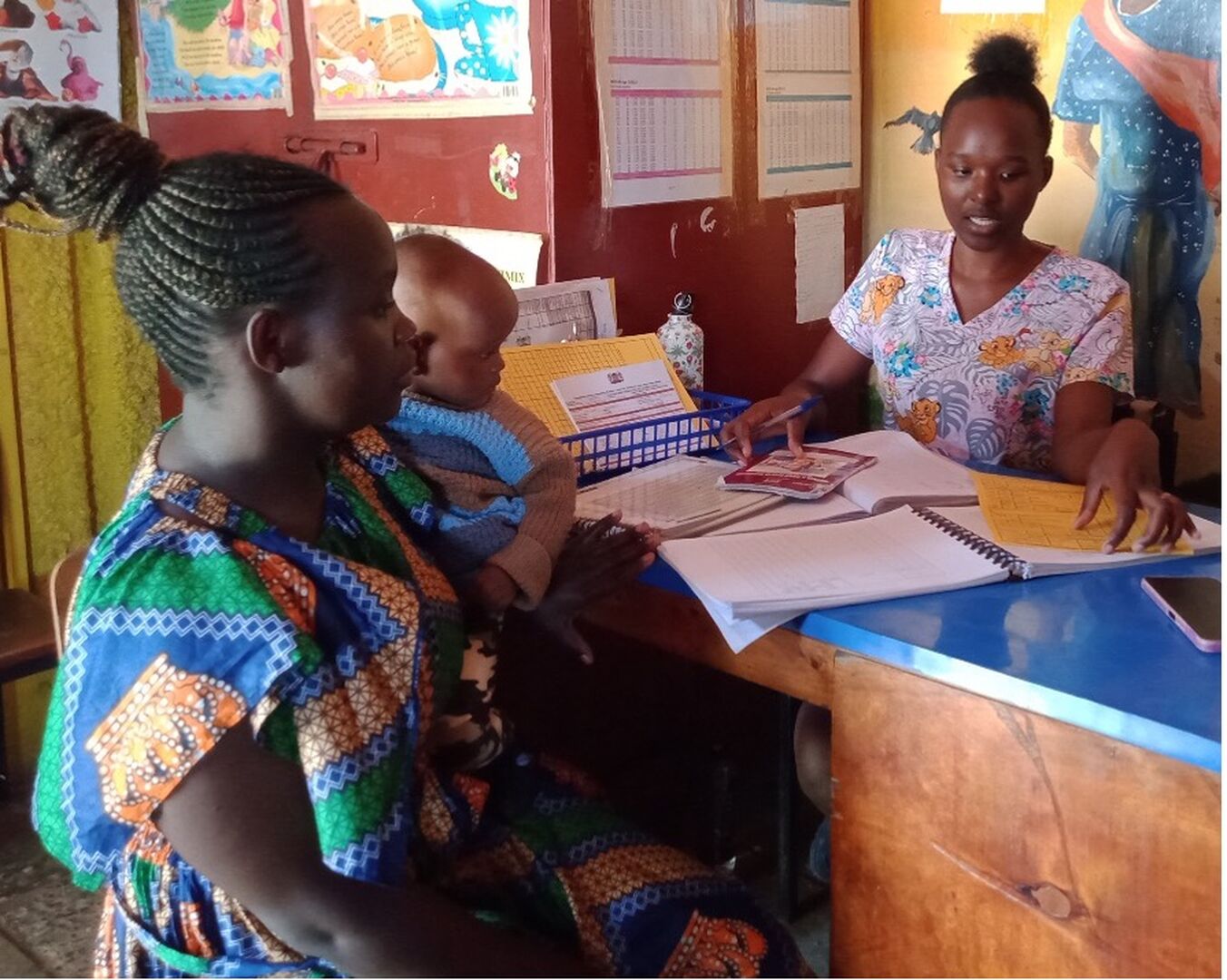
Since its establishment, the Malnutrition Clinic has helped save the lives of thousands of children. The programme is operated by one full-time staff member, a local volunteer, and several part-time community workers.
The clinic provides care for:
Children with severe acute malnutrition
Children with moderate or mild malnutrition and underweight children
Pregnant women suffering from malnutrition or underweight
Breastfeeding mothers suffering from malnutrition or underweight
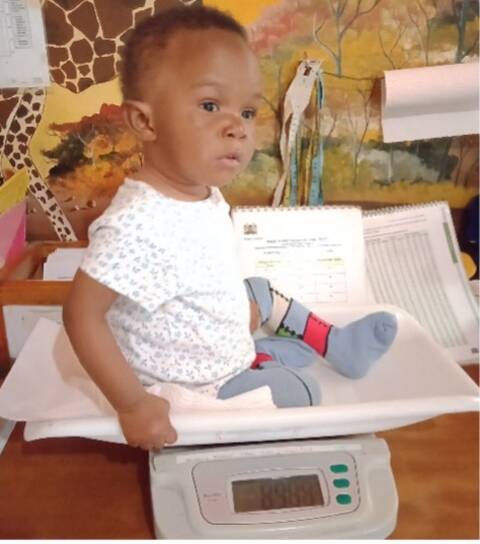
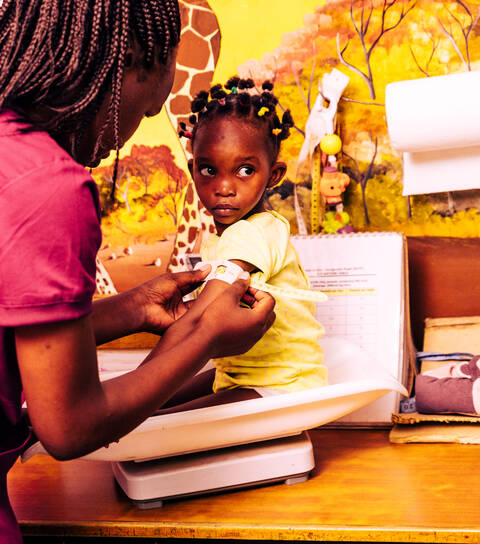
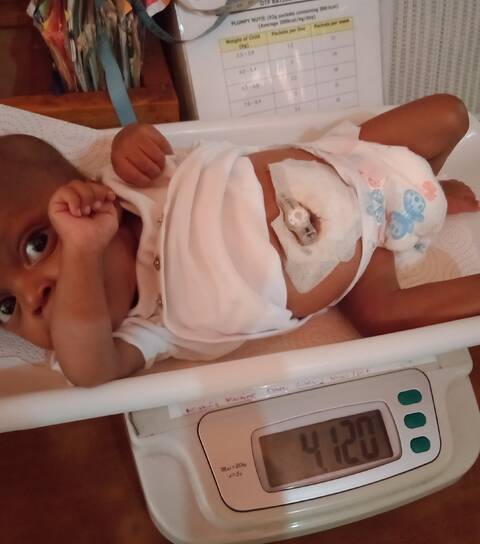
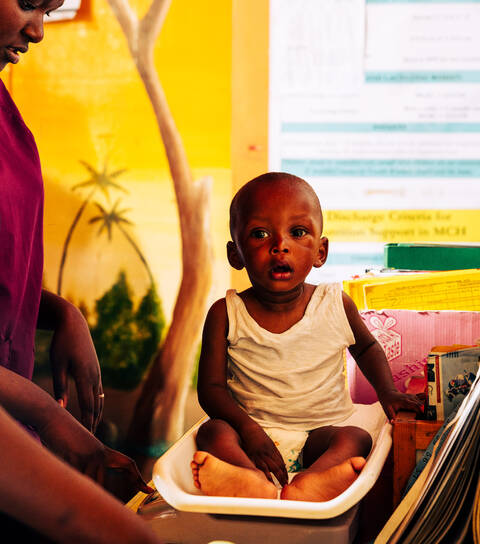
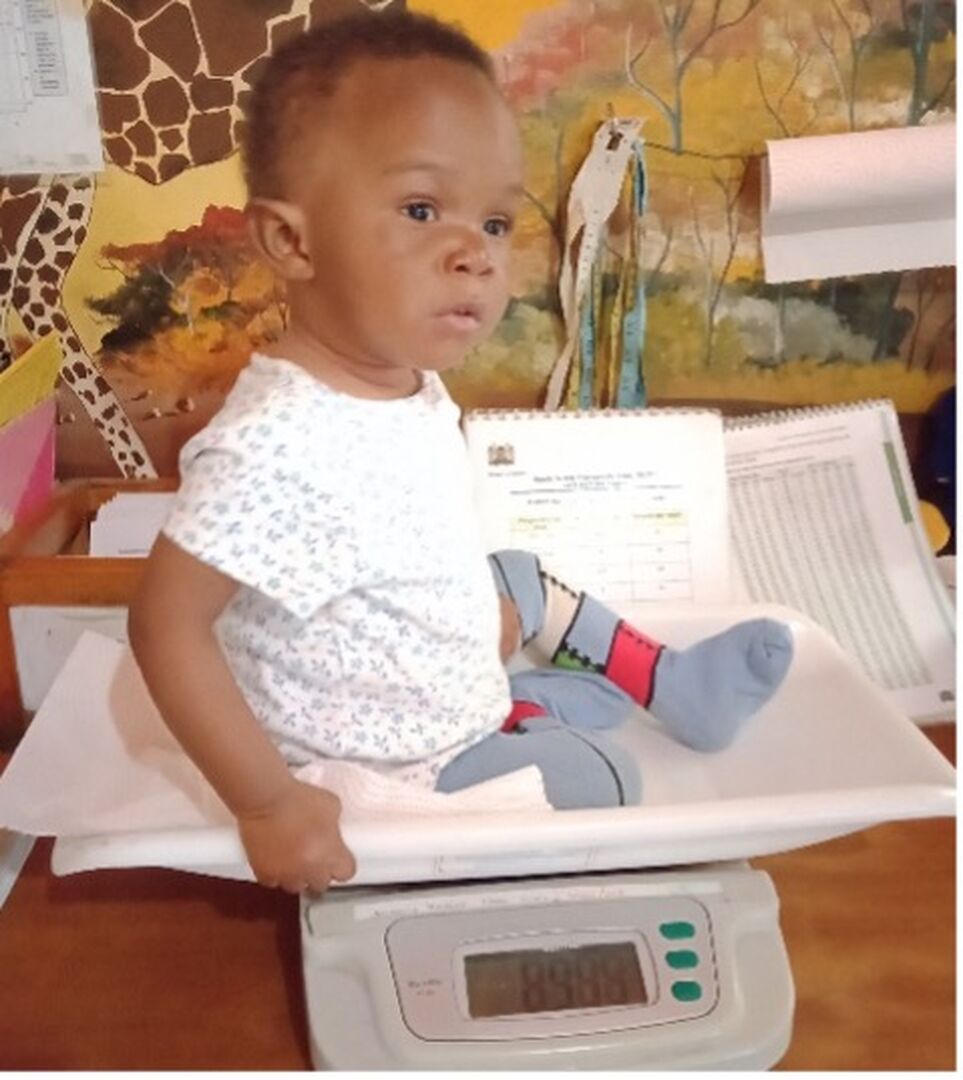
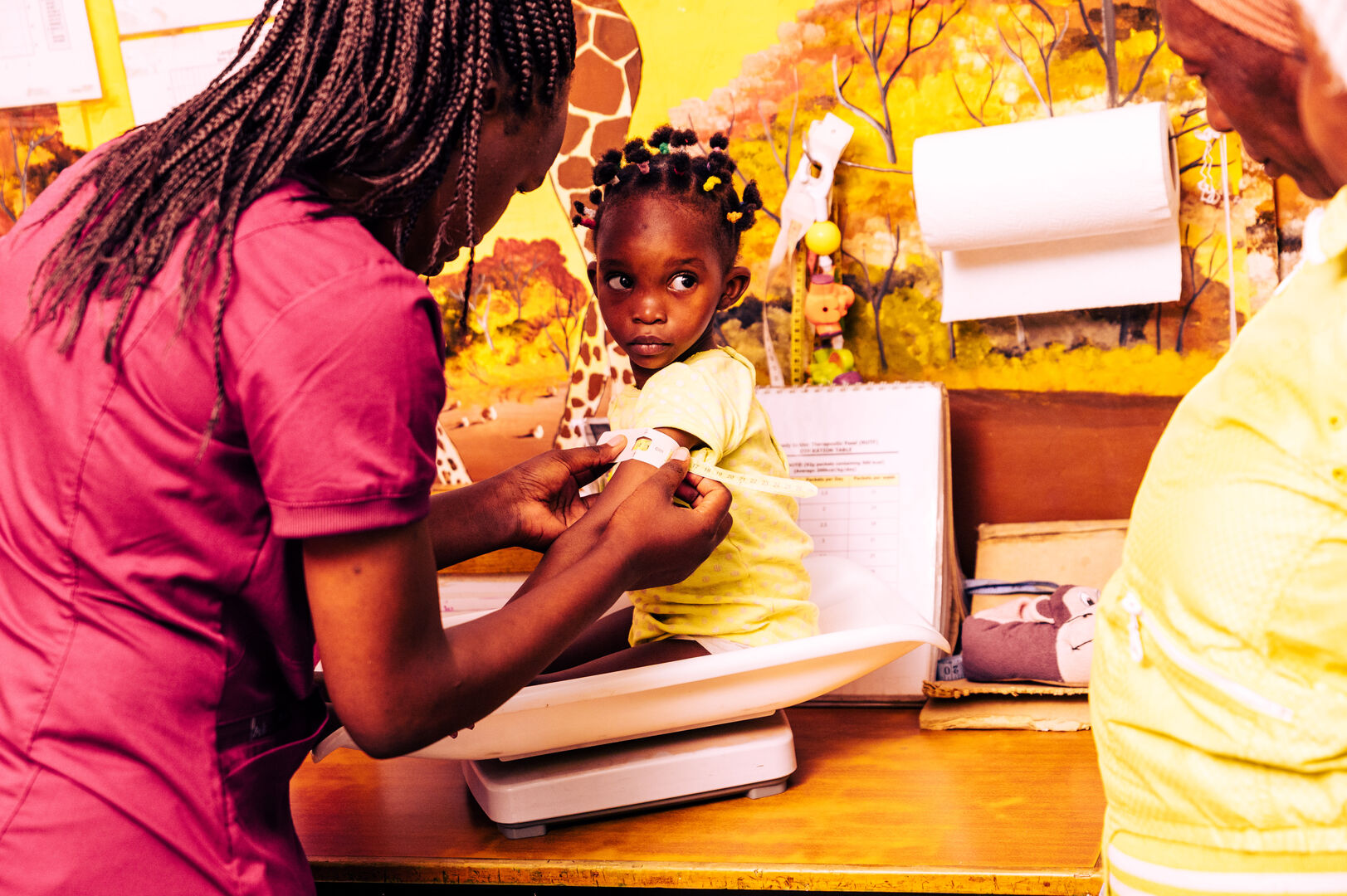
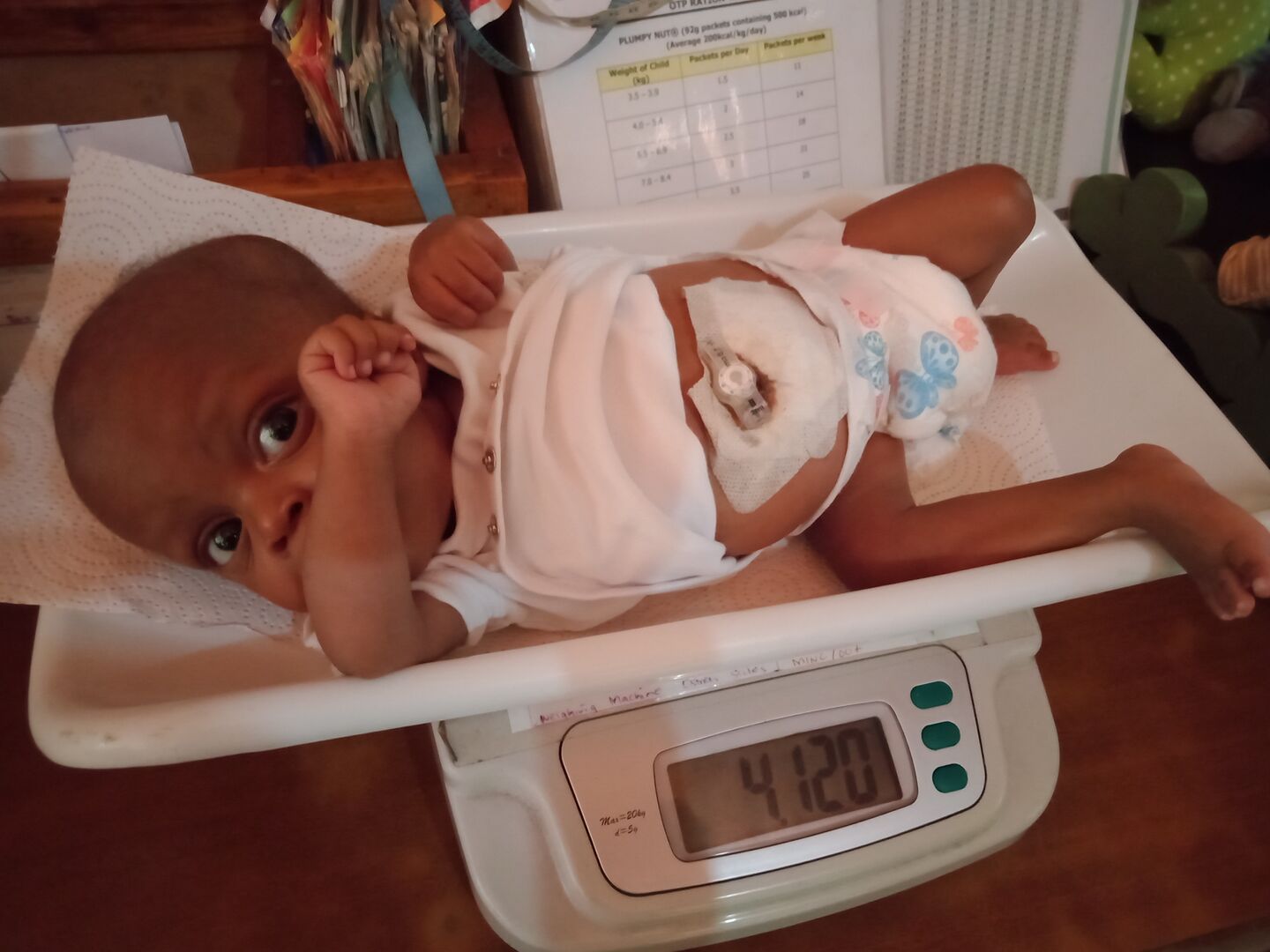
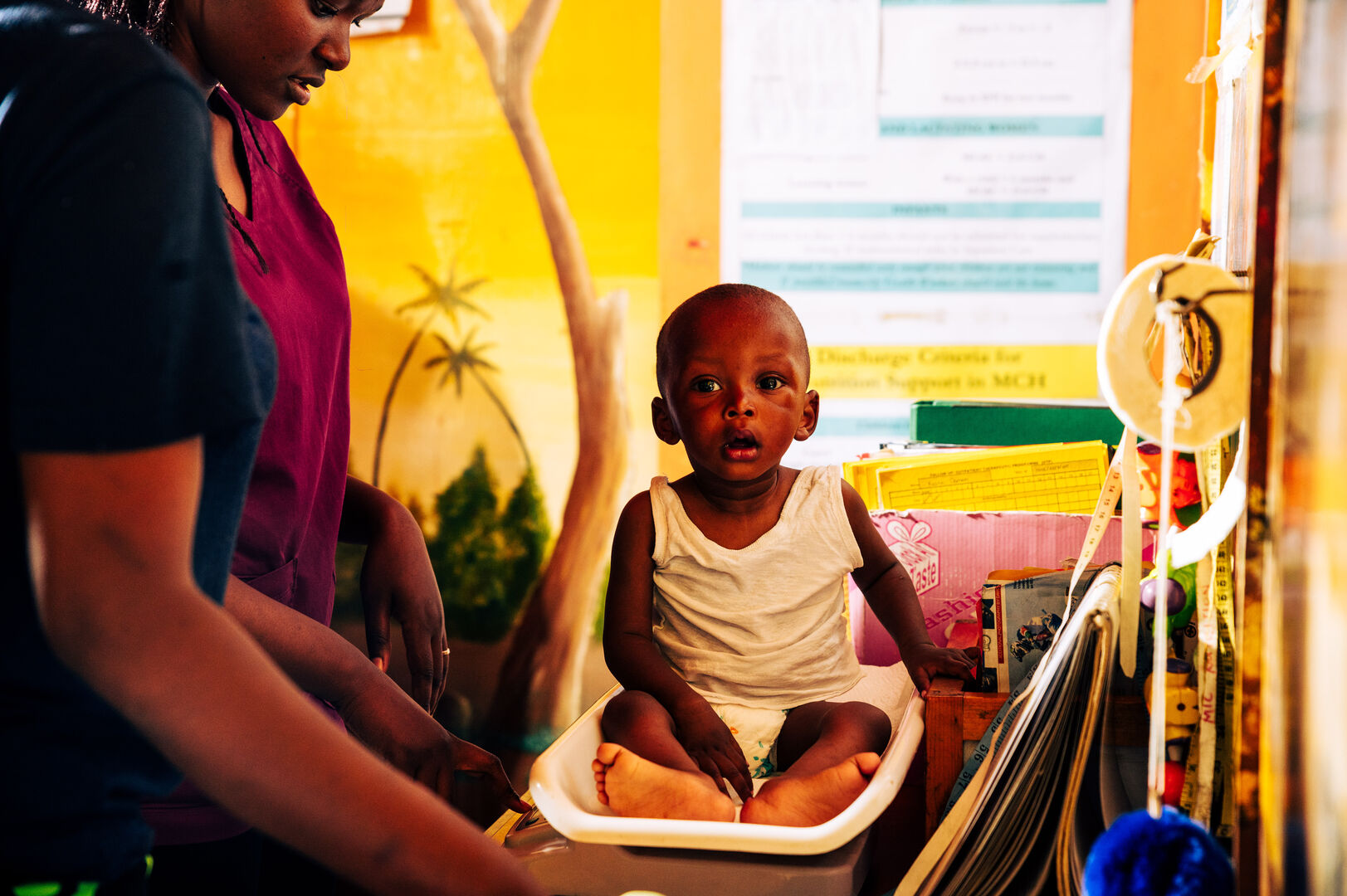
Children enrolled in the programme undergo regular weight monitoring and receive therapeutic treatment tailored to their nutritional needs.
As an effective treatment for severe and moderate malnutrition, we provide Ready-to-Use Therapeutic Food (RUTF). This therapeutic nutrition contains all the essential nutrients required for healthy growth and development, helping to reverse nutritional deficiencies and promote weight gain. Because RUTF does not require preparation with water, it also reduces the risk of infection from contaminated water sources.
We also provide Unimix, a high-energy fortified porridge specifically developed to combat malnutrition. Unimix contains maize flour, soybeans, vegetable oil, milk powder, sugar, vitamins, and minerals. The porridge is distributed to both children and adults requiring nutritional support.
In exceptional cases, the clinic also supports newborns who do not have access to breastfeeding. These may include:
Orphans
Infants of mothers with severe mental illness
Infants born to HIV-positive mothers
Abandoned children cared for by extended family members
Infants of underage school-age mothers
These newborns receive infant formula and are closely monitored to ensure healthy growth and development.
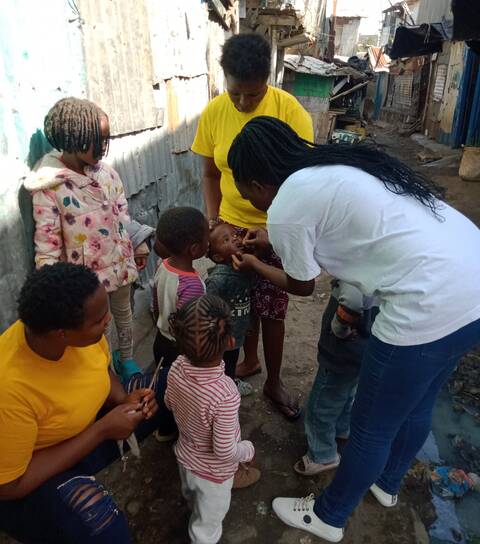
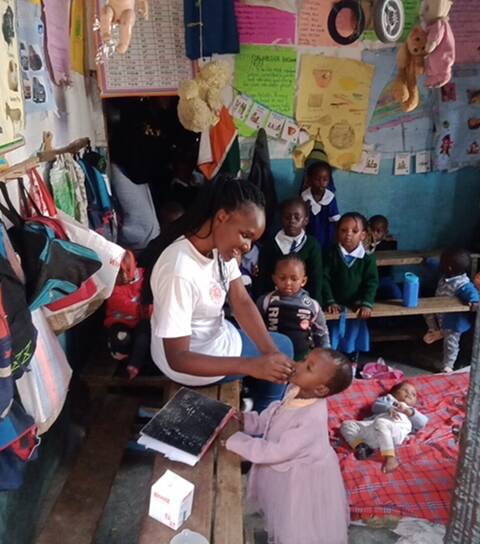
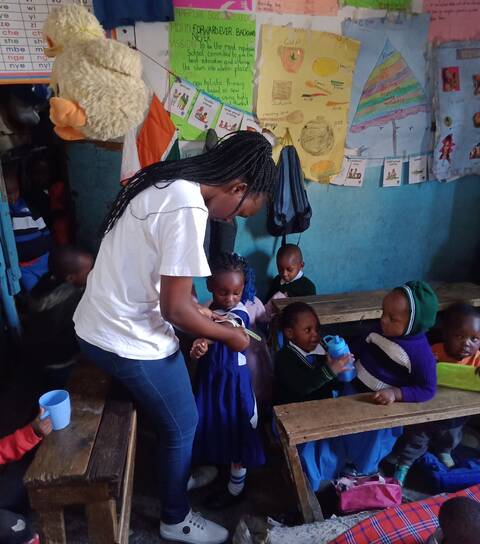
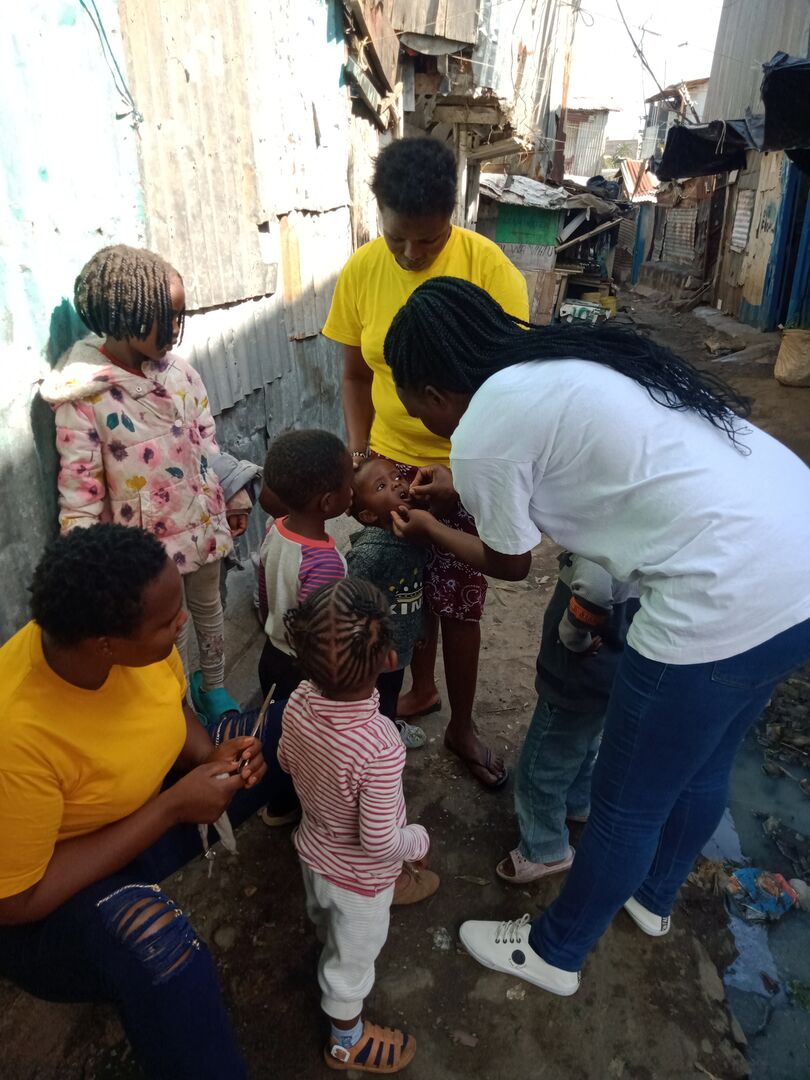
The clinic’s work extends beyond the health facility itself. Community-based activities include:
Identification and recruitment of new beneficiaries
Home monitoring visits
Assessment of household hygiene standards
Random health and nutrition checks of children
Public awareness and health education sessions
Through these outreach activities, the programme helps identify vulnerable families early and provides ongoing support within their own communities.
The programme currently supports 105 children, providing life-saving nutritional care, monitoring, and family support to improve their health and long-term development.
Sisters of Mercy
Fundación Pablo Horstmann