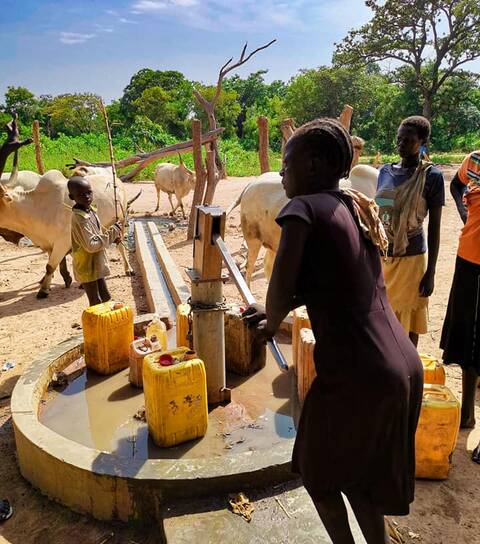
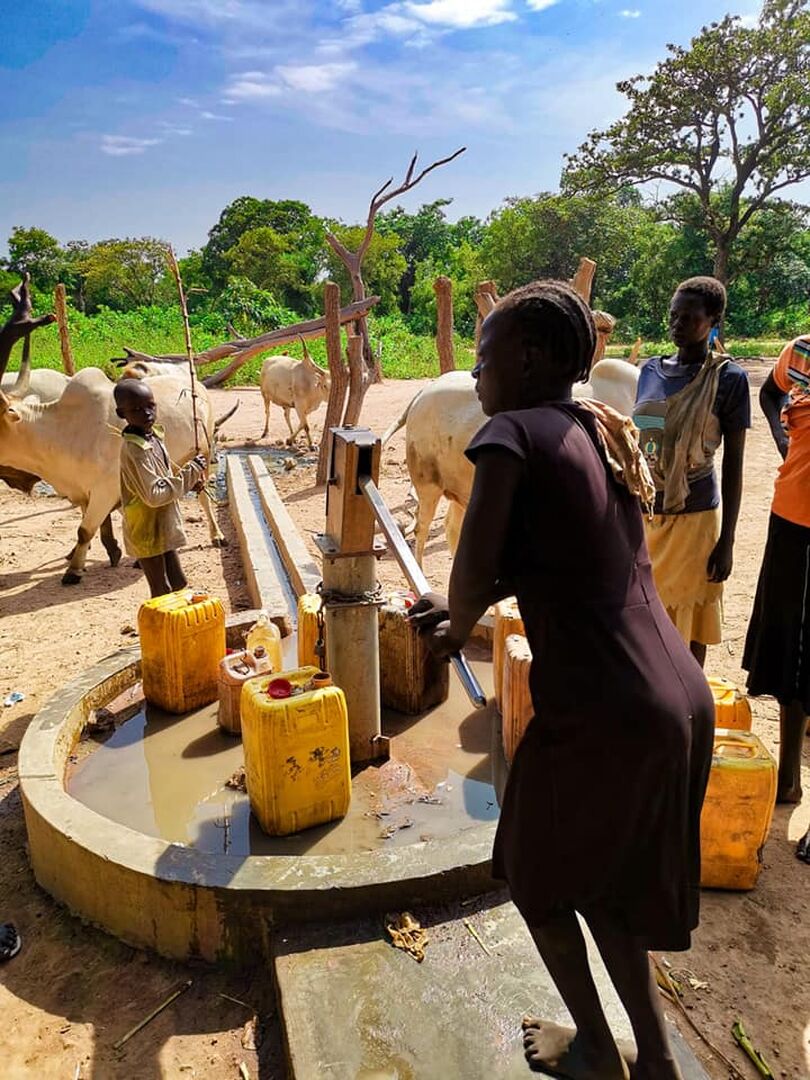
Mapuordit is a widely dispersed village in South Sudan. At its centre are a marketplace, the hospital compound, and two schools.
Accommodation is provided within the Comboni Brothers’ compound, located approximately 300 metres from the hospital. The compound serves as housing for all expatriates working at the hospital and the school. We are not the only international staff members here—there are also colleagues from Uganda, Kenya, and the United States. Altogether, there are often around 20 expatriate staff members living in the compound.
The entire compound is fenced and consists of several residential buildings, each containing a number of rooms.
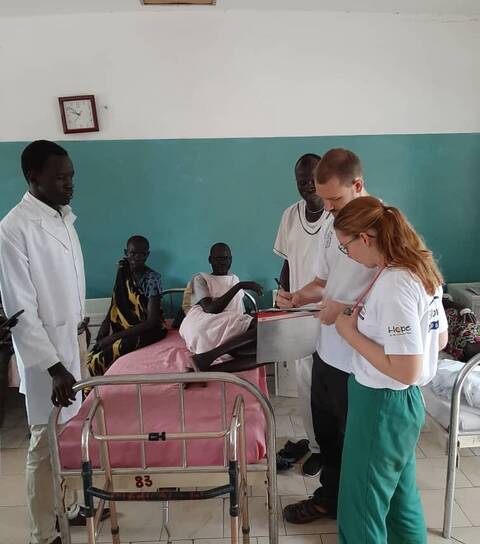
Mary Immaculate Hospital, operated by the Comboni Brothers, has been serving the community for more than two decades. The hospital began in temporary tents and has gradually developed into a small complex of permanent brick buildings.
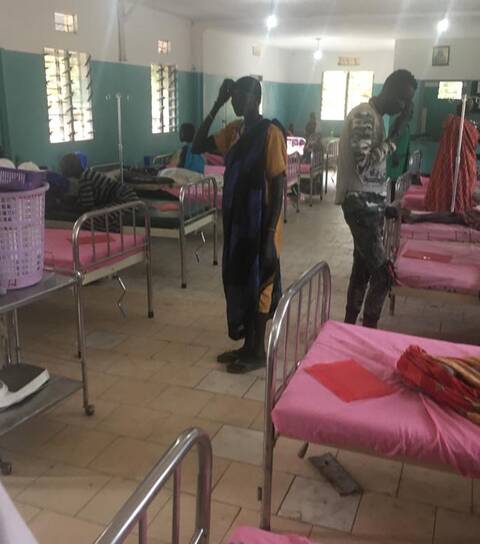
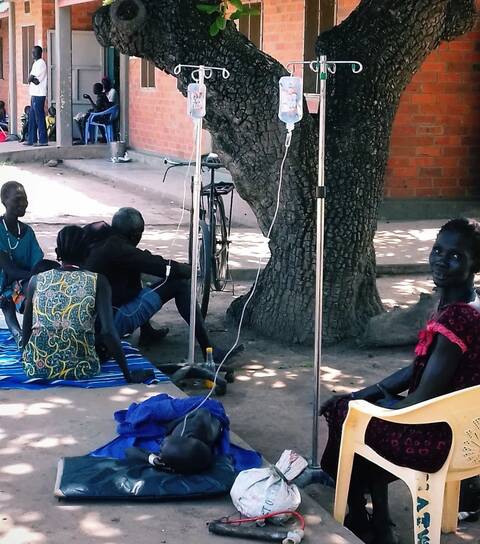
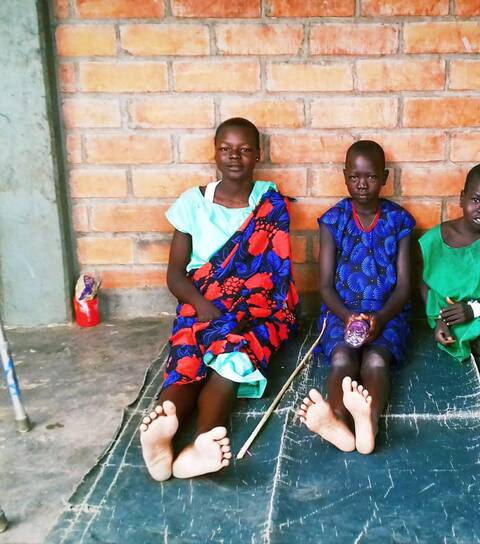
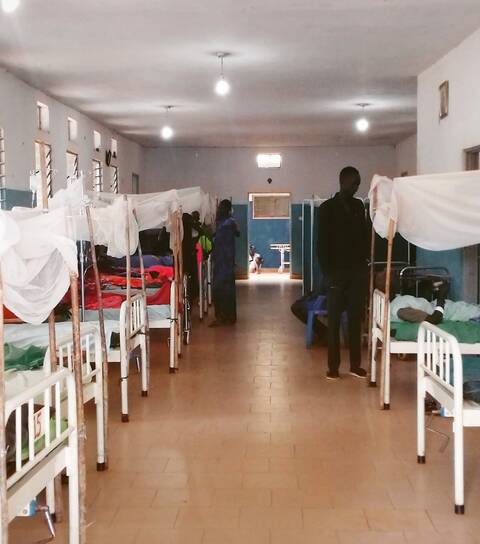
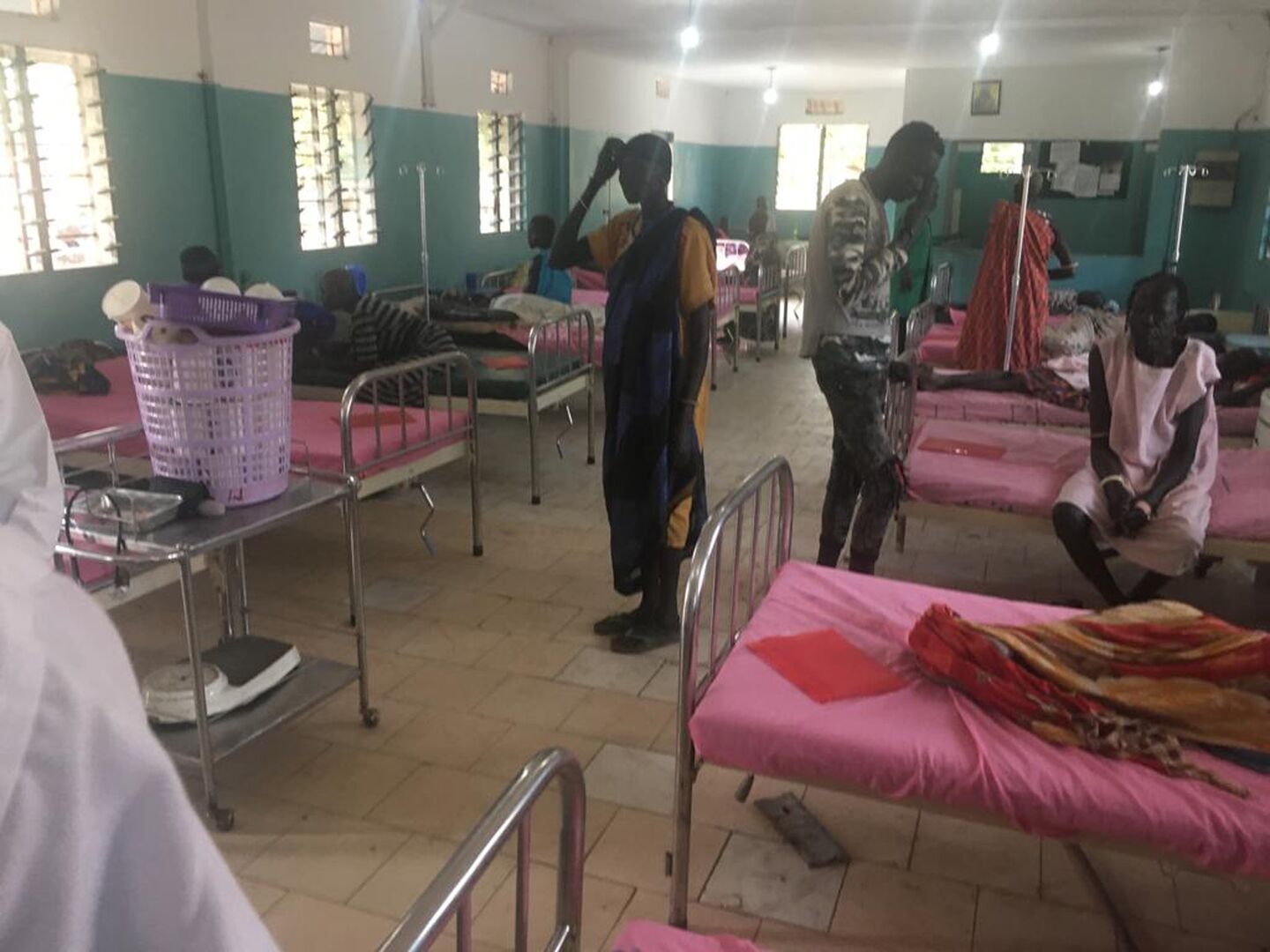
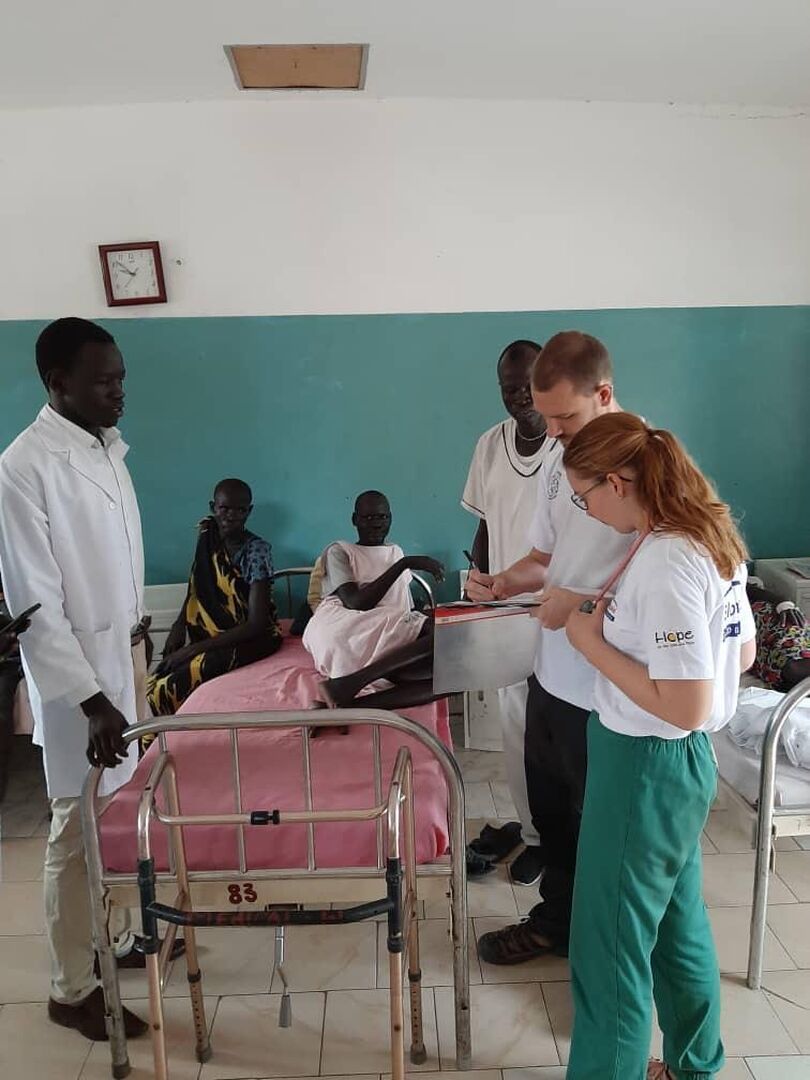
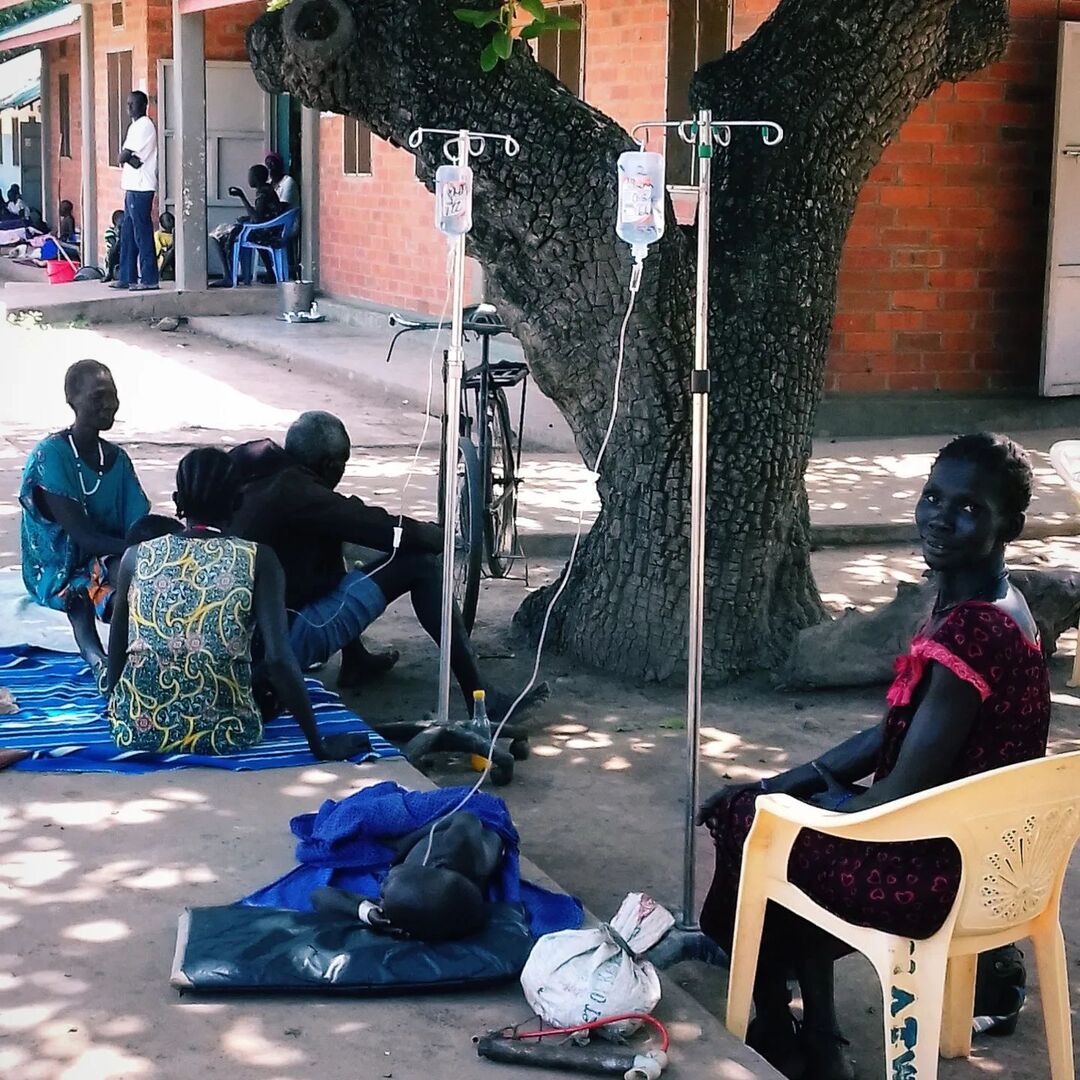
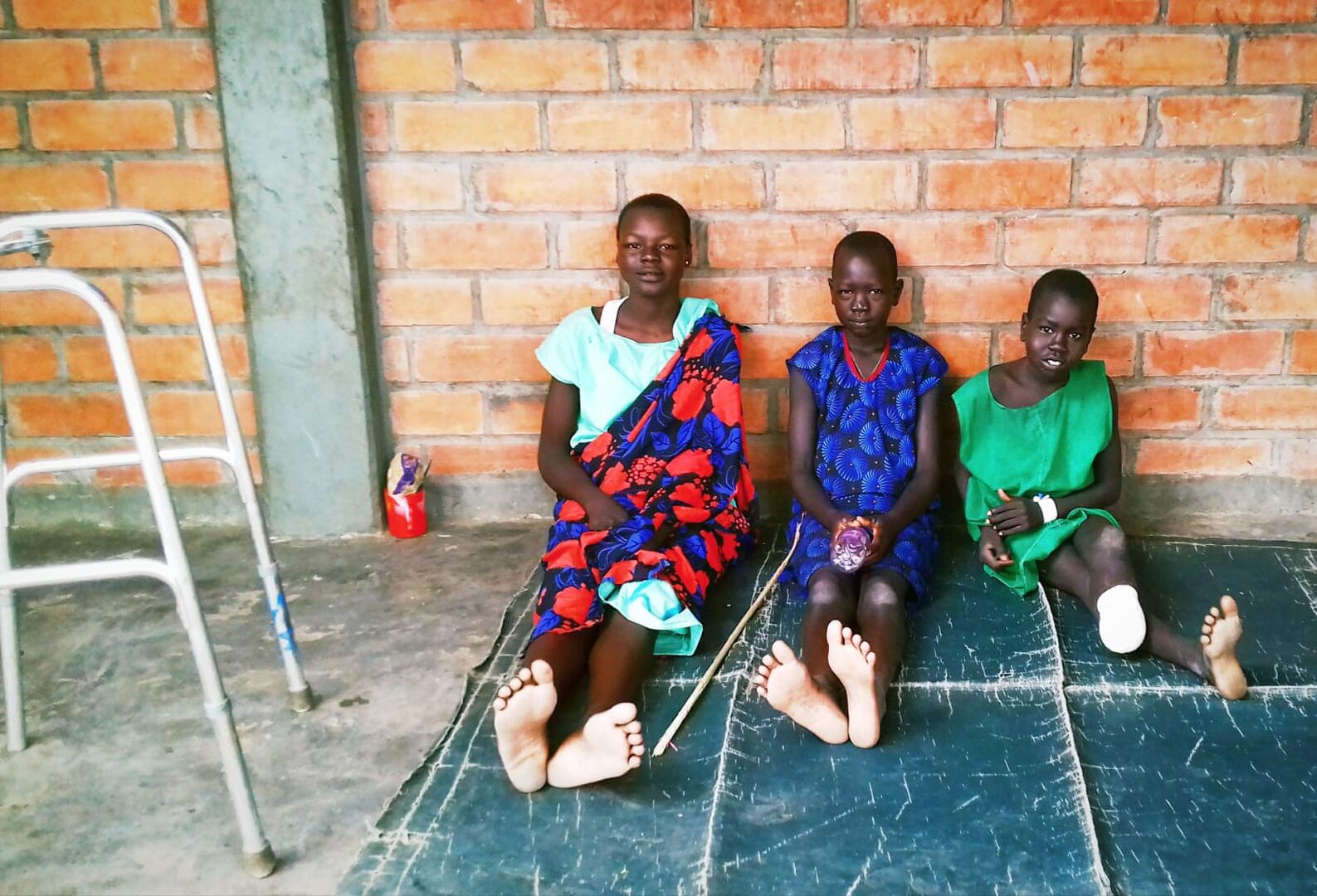
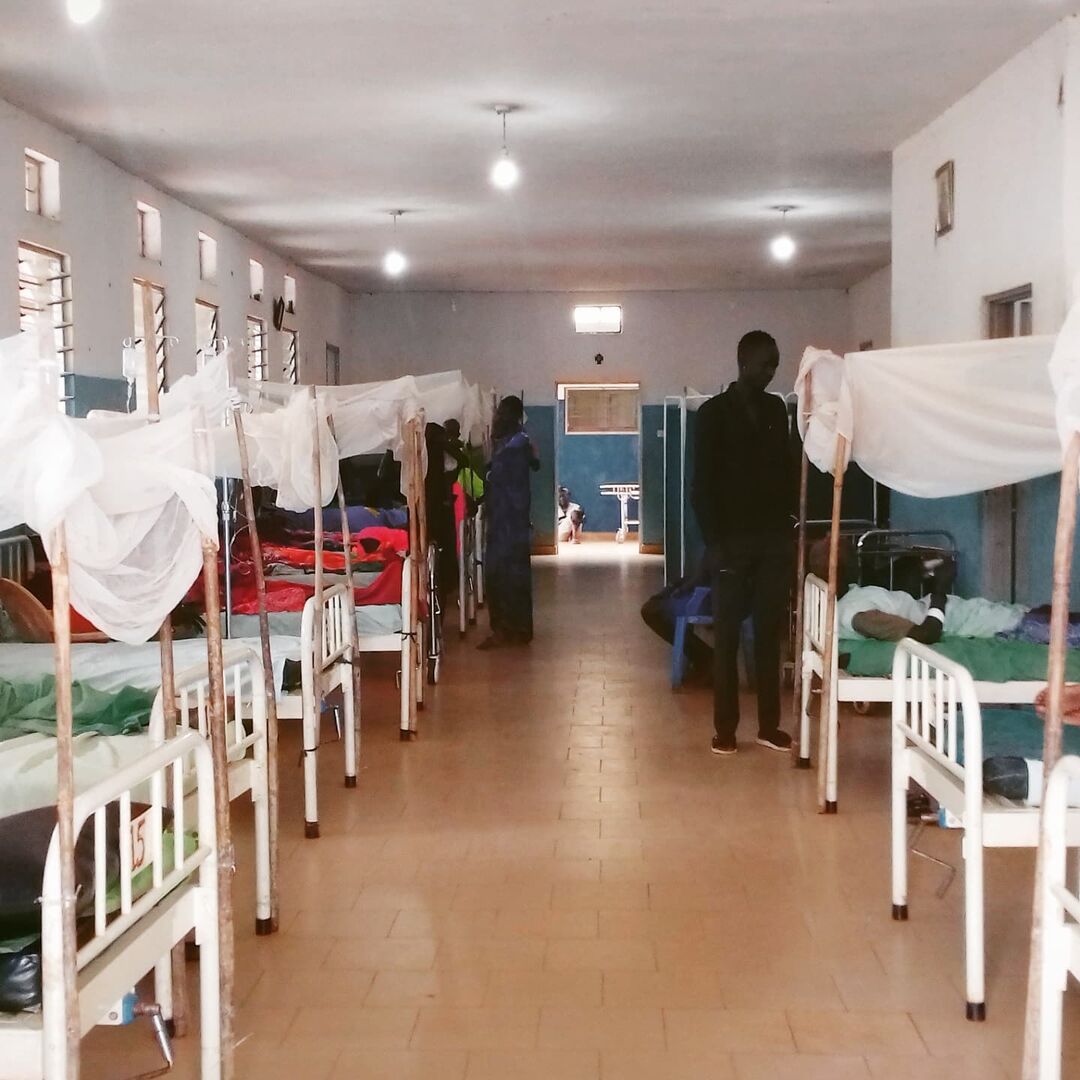
The facility has approximately 140 beds, although during periods of high patient numbers, additional patients may sleep on numbered mats placed on the floor. The hospital is managed by Brother Rosario, an Italian Comboni brother who is a qualified physician but serves primarily as the hospital director and manager.
Maternity Ward (Obstetrics and Gynaecology)
Children’s Ward, including a specialised section for malnourished children
Medical Ward, with an isolation unit for tuberculosis patients
Surgical Ward, including both general surgery and a dedicated chronic wound care section
The hospital includes:
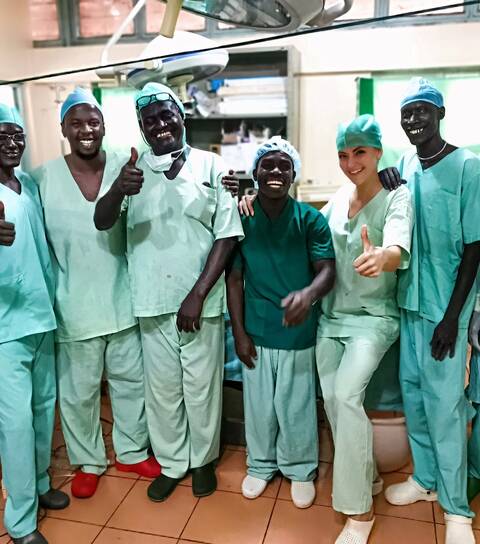
An operating theatre with scheduled surgical sessions twice a week
An X-ray department operating twice a week
A laboratory
Antenatal care clinic
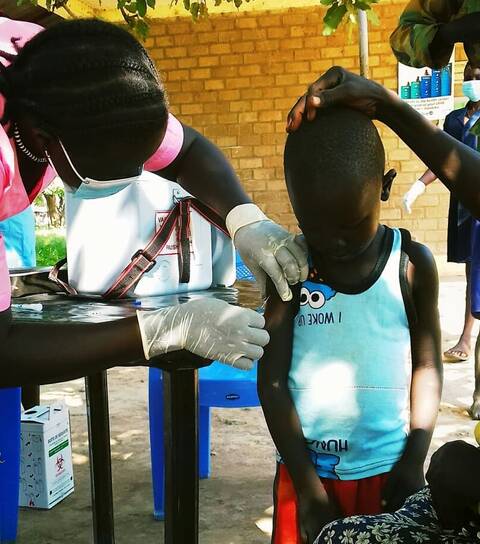
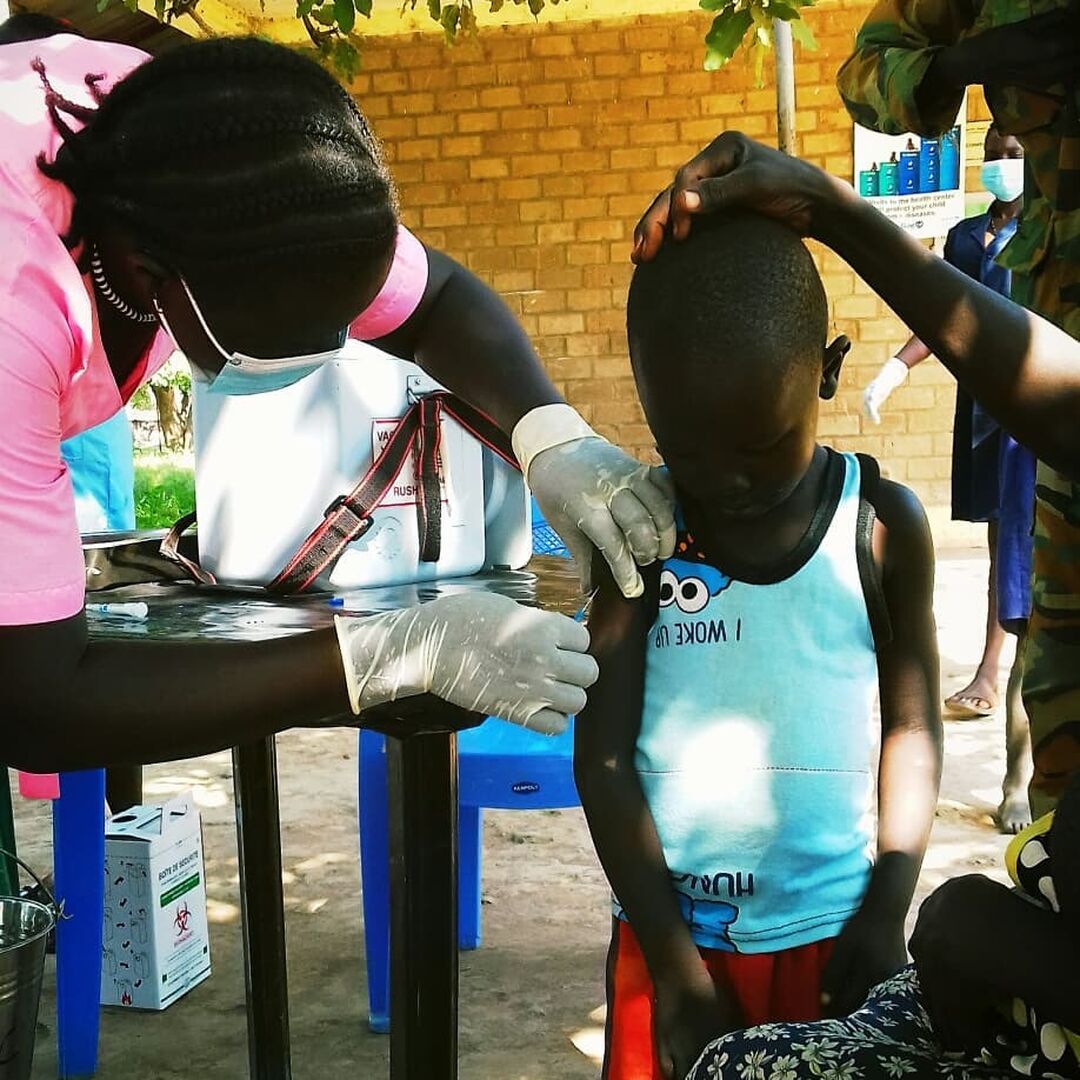
Vaccination centre
Pharmacy
Dressing and wound care unit
TB and HIV clinic
Malnutrition clinic
Outpatient Department (OPD) for children and adults
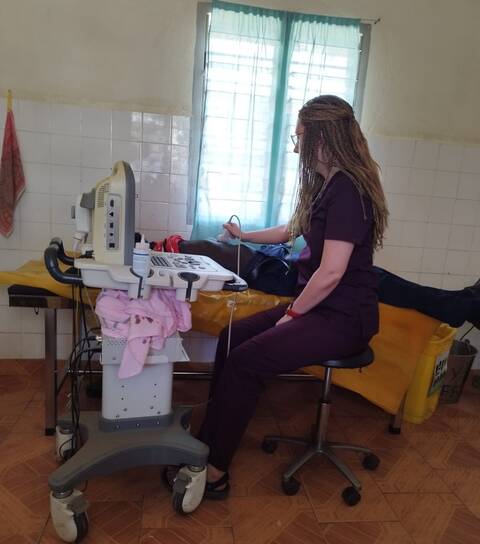
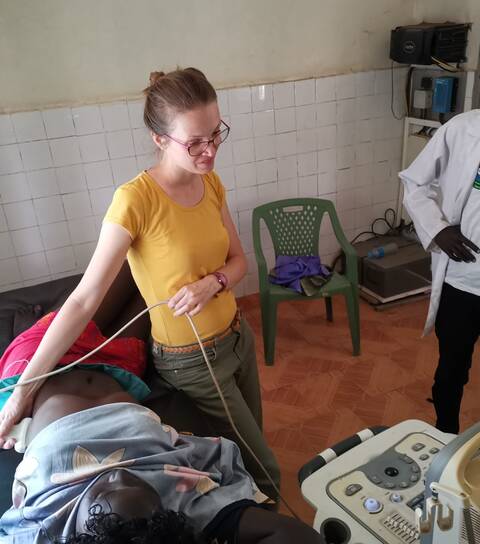
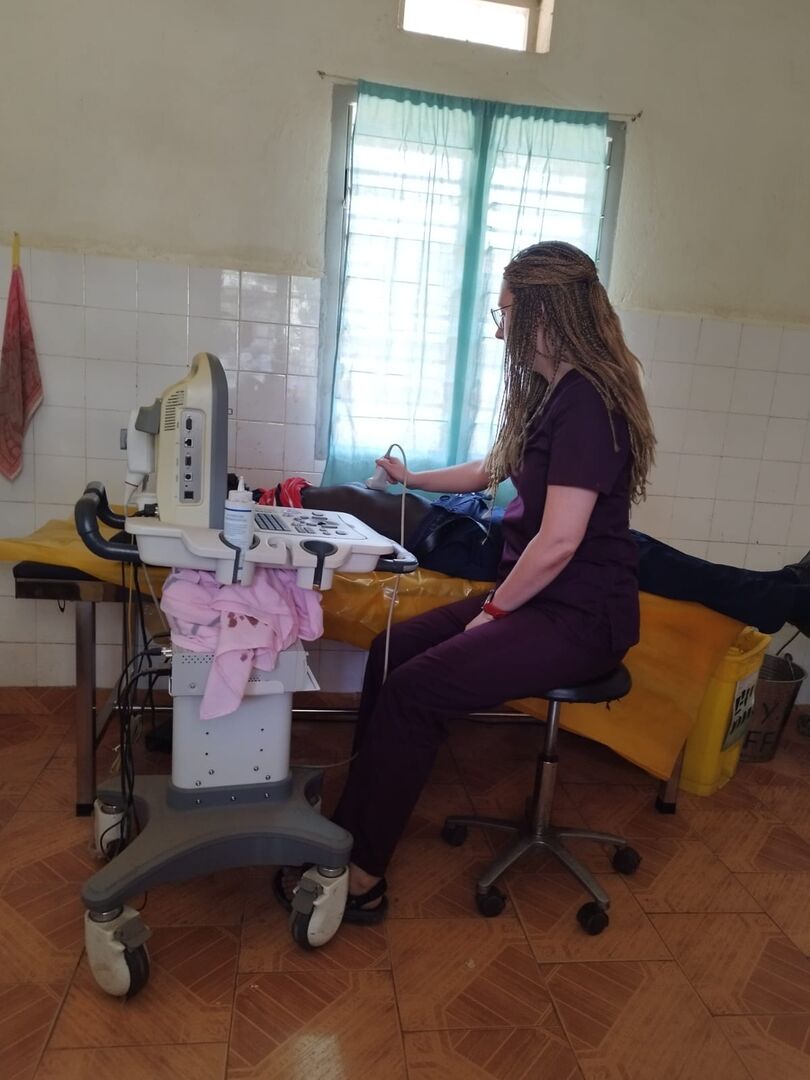
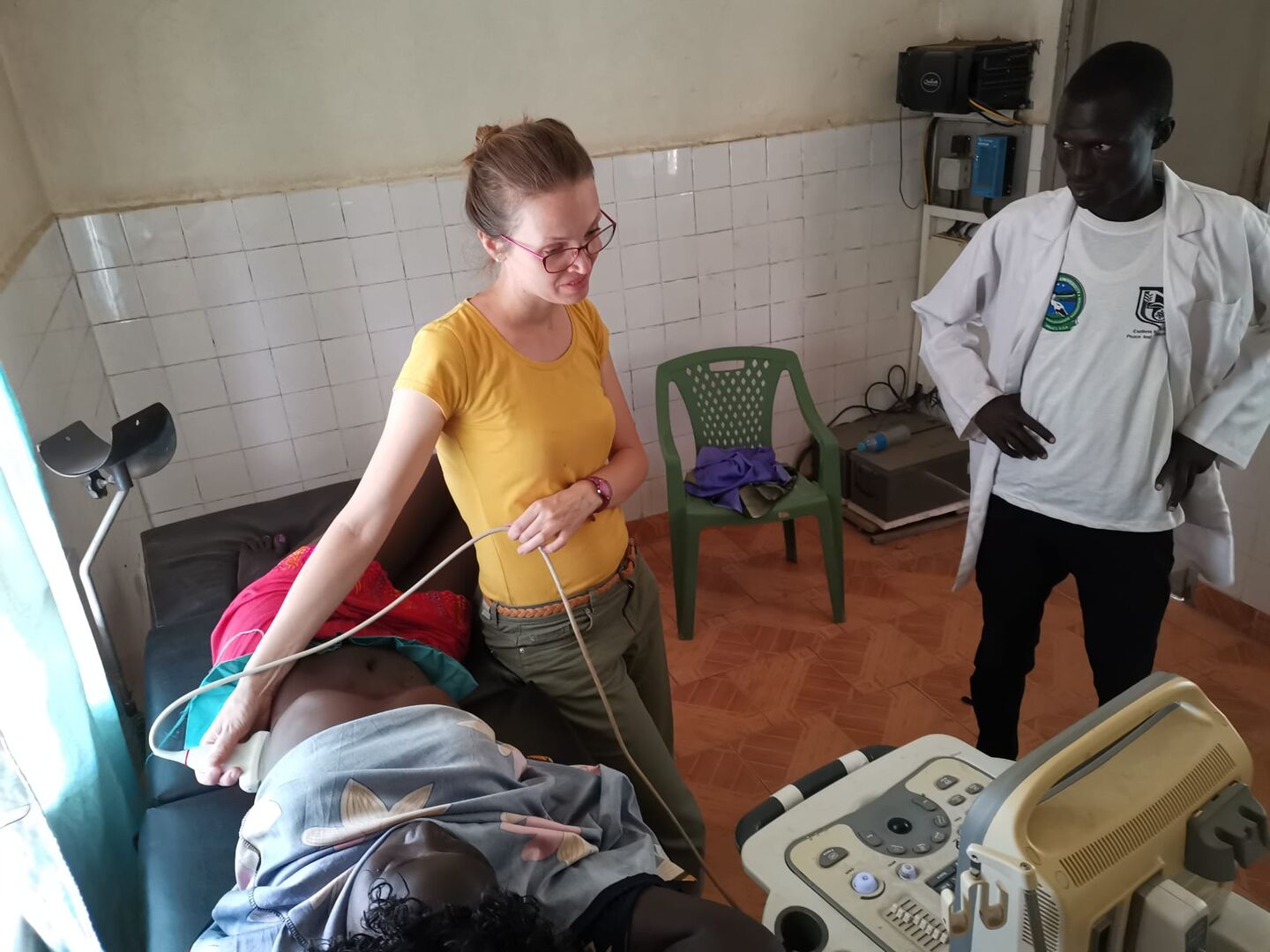
Medical and surgical outpatient clinics equipped with portable ultrasound devices
Oxygen concentrators
Glucometers
Heated postnatal newborn bed
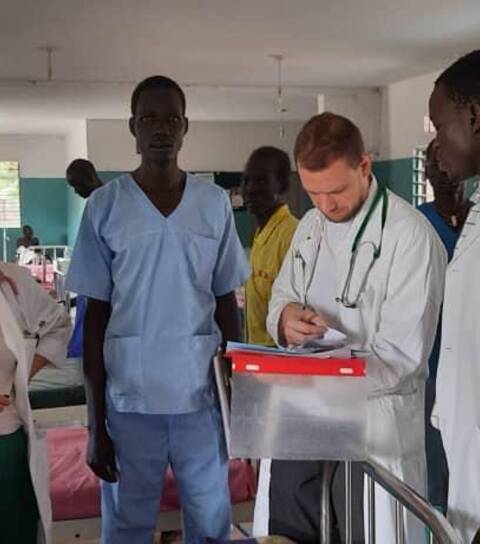
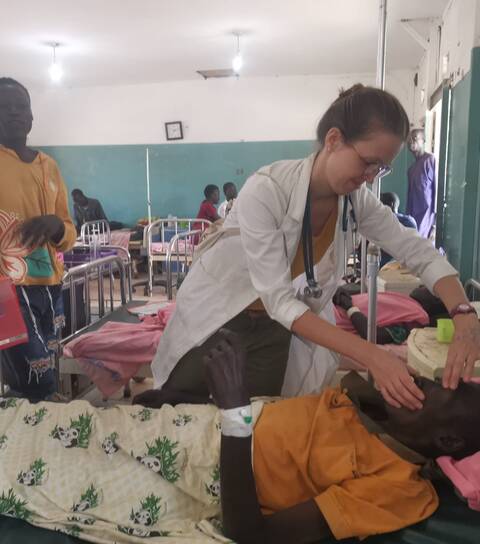
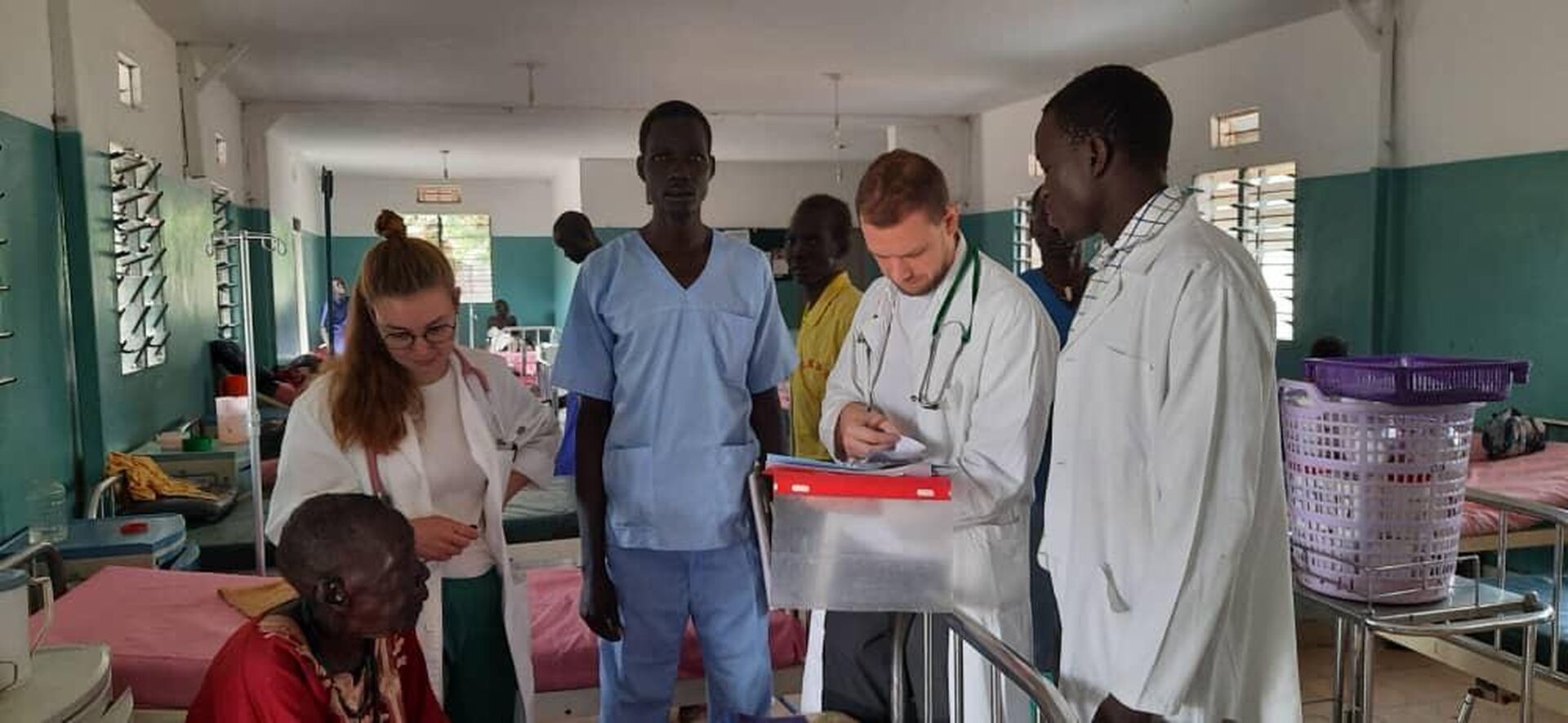
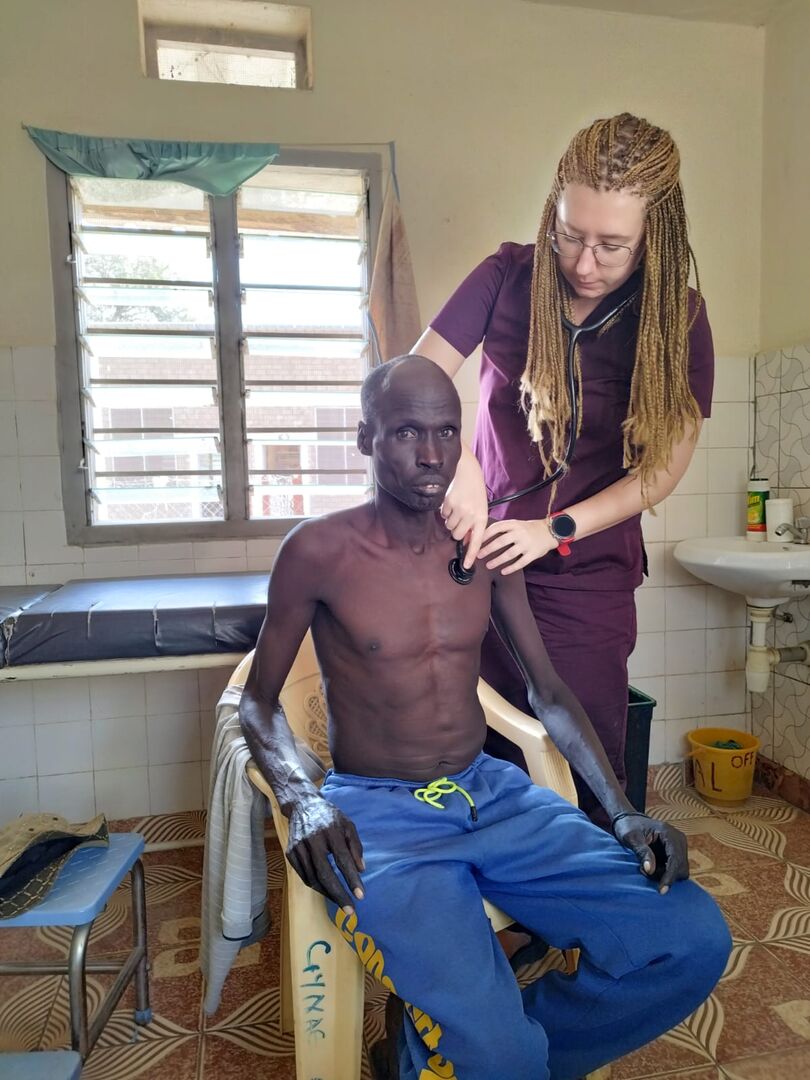
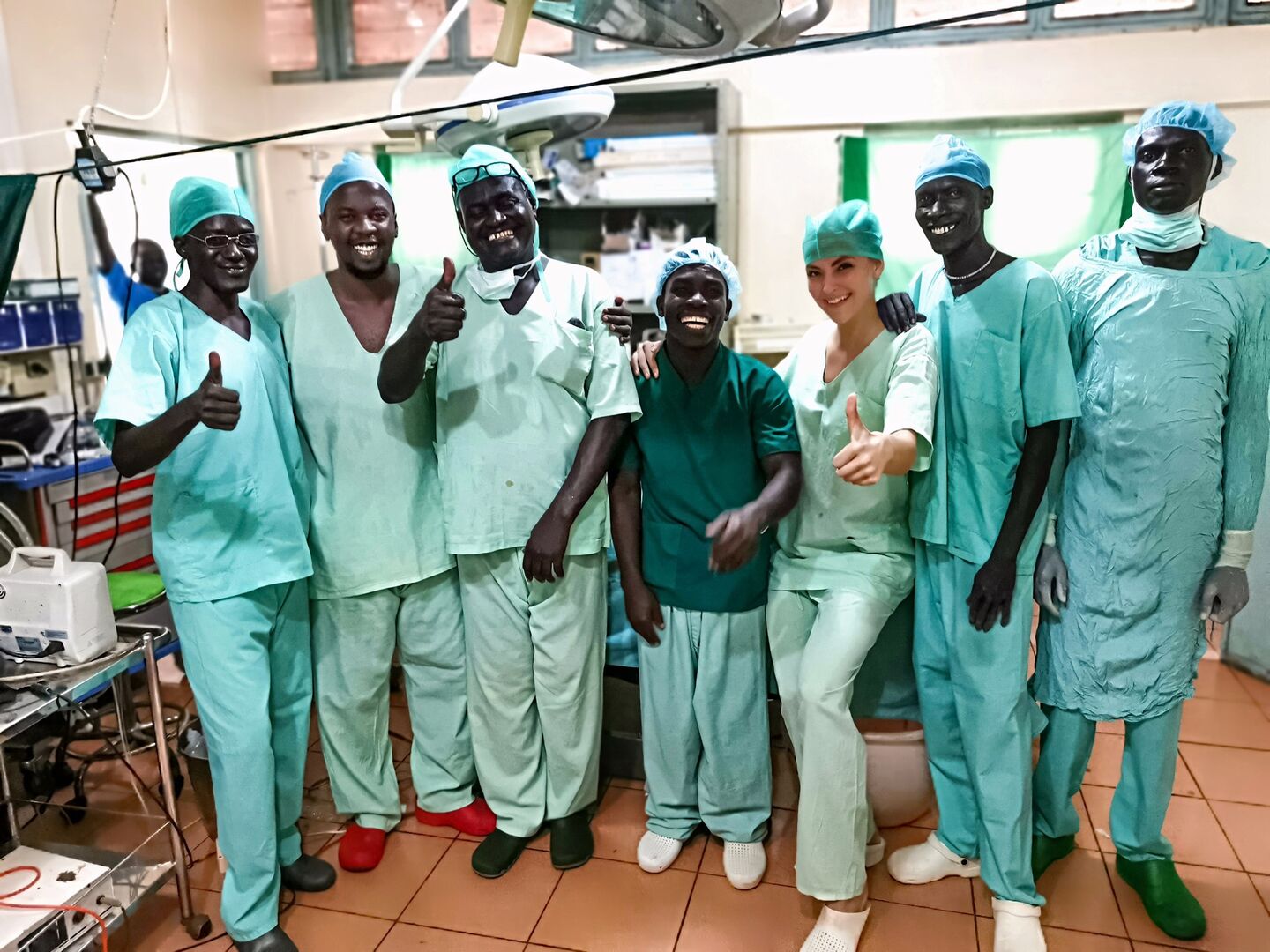
Hospital staff communicate in English. The medical team usually consists of two to three permanent doctors, together with visiting Slovak physicians. Most hospital employees are recruited locally.
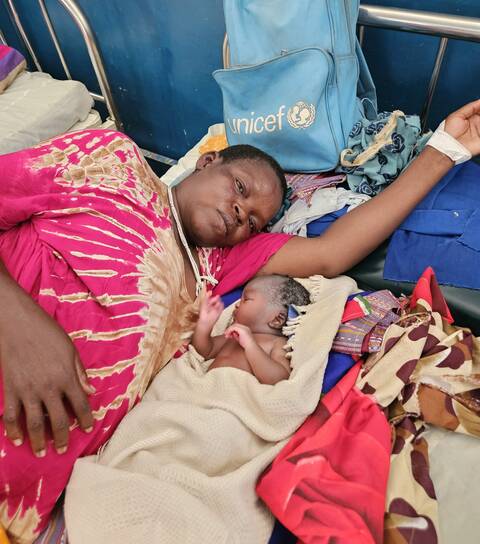
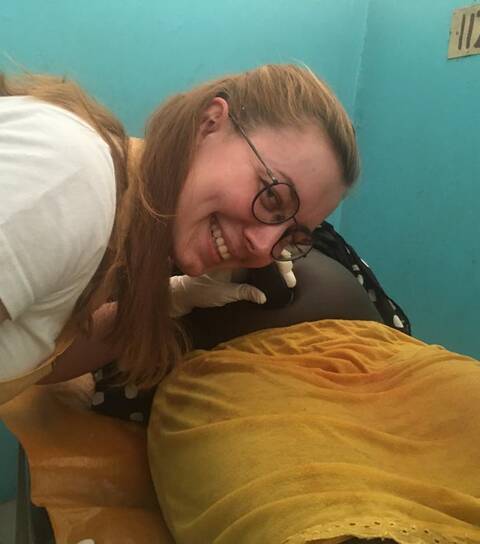
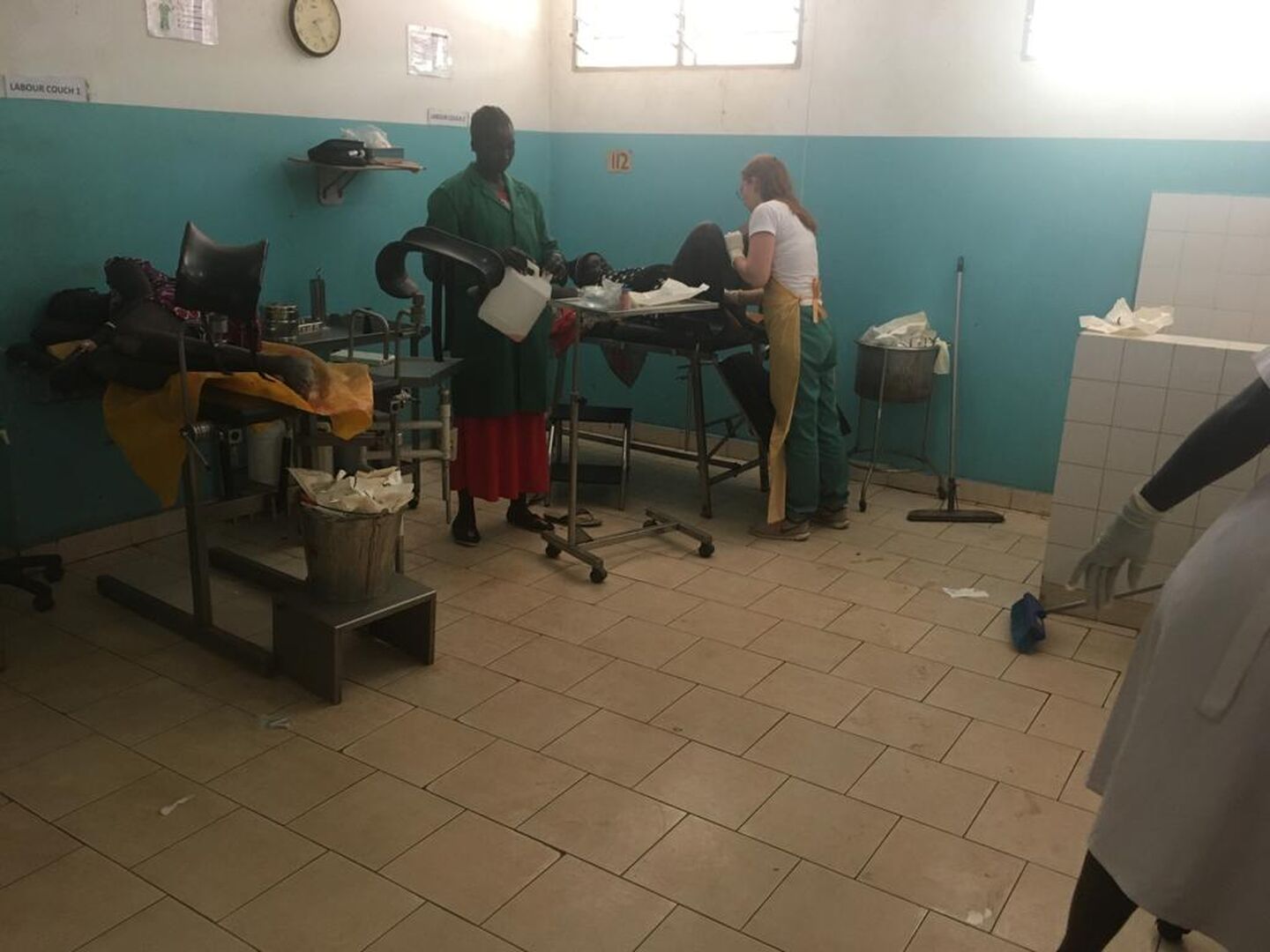
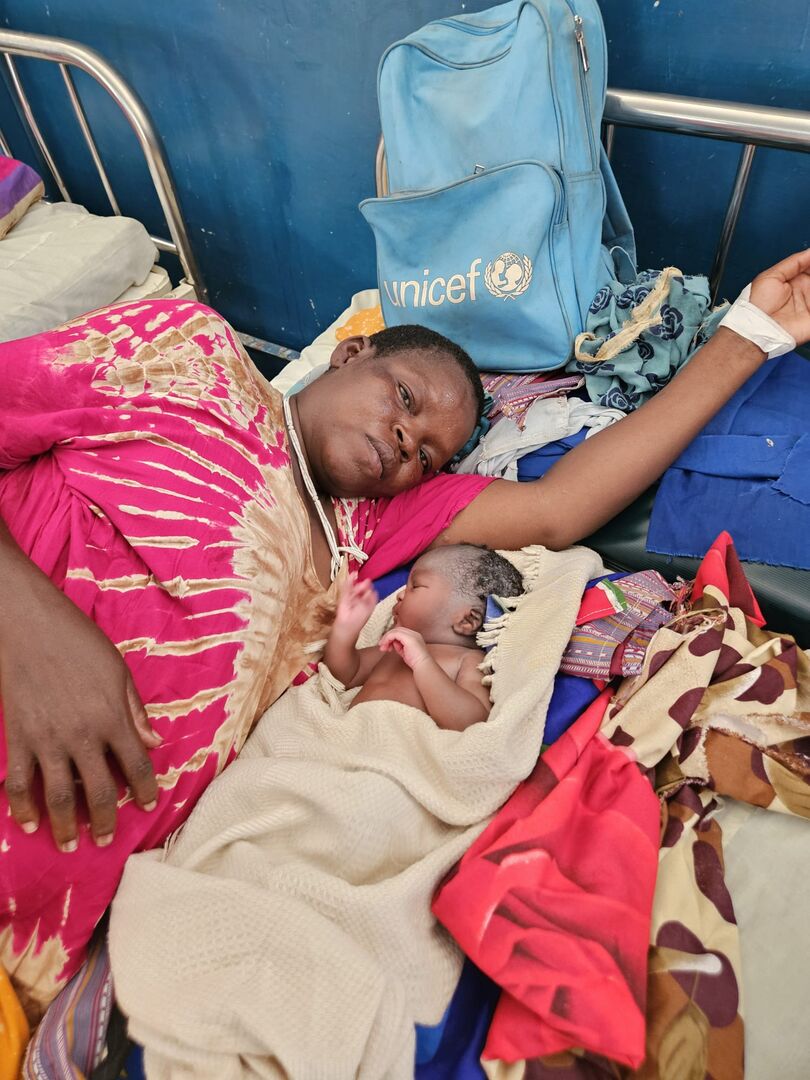
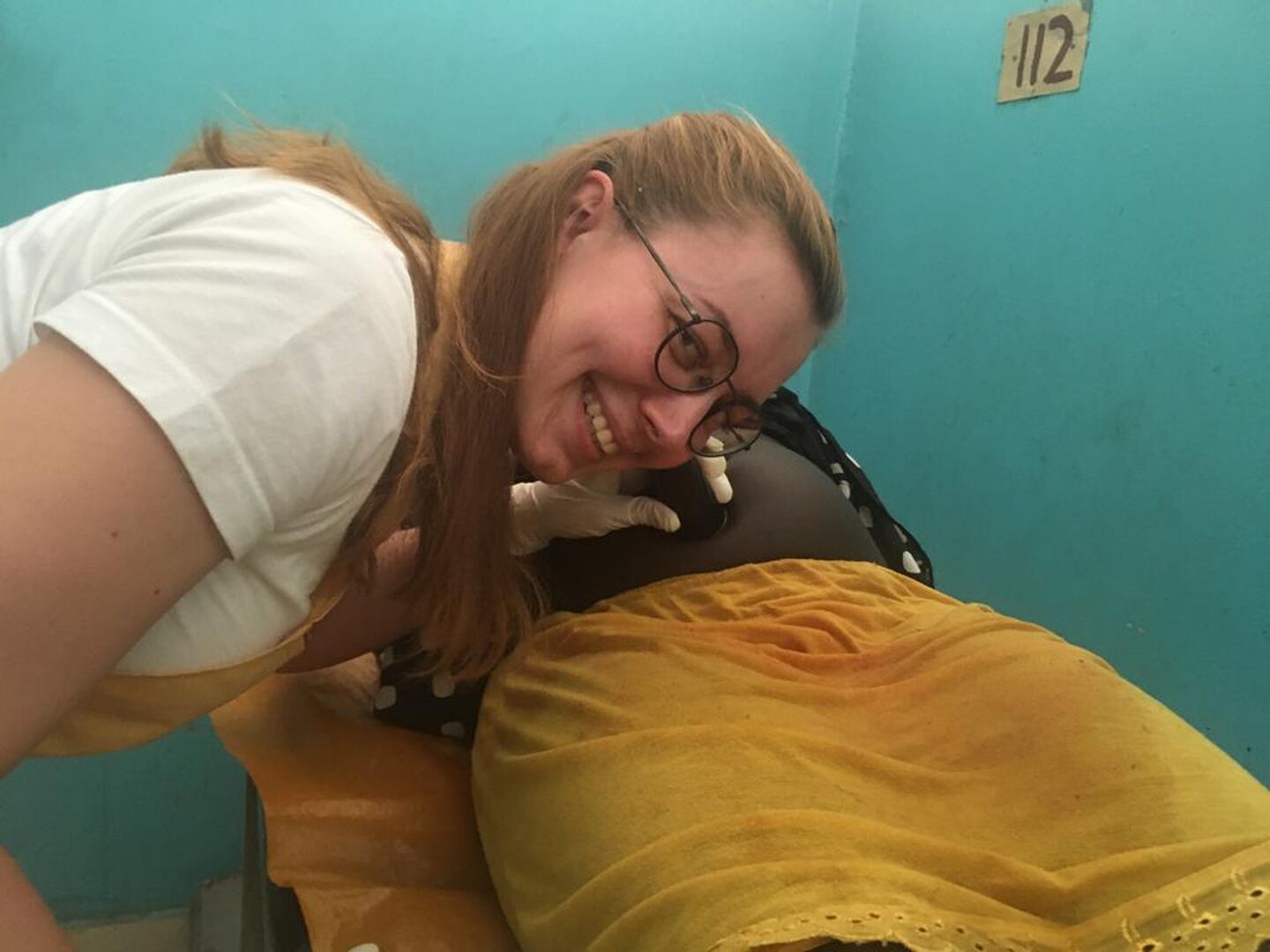
The maternity ward provides care for a wide range of obstetric and gynaecological conditions, including miscarriages, deliveries, pregnancy-related complications, gynaecological abscesses and fistulas, as well as septic and premature newborns. The ward includes a delivery room, where curettage procedures are also performed. On average, approximately three births take place each day.
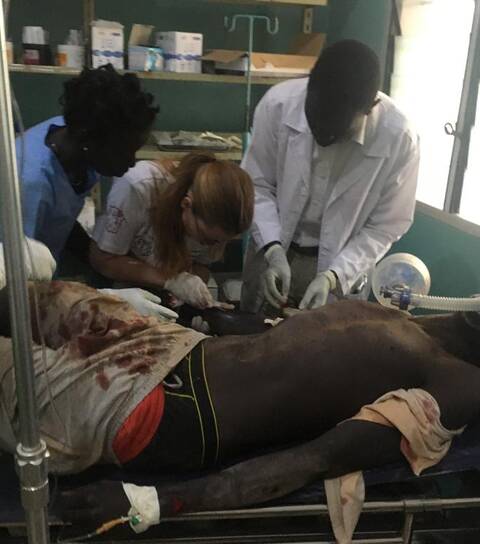
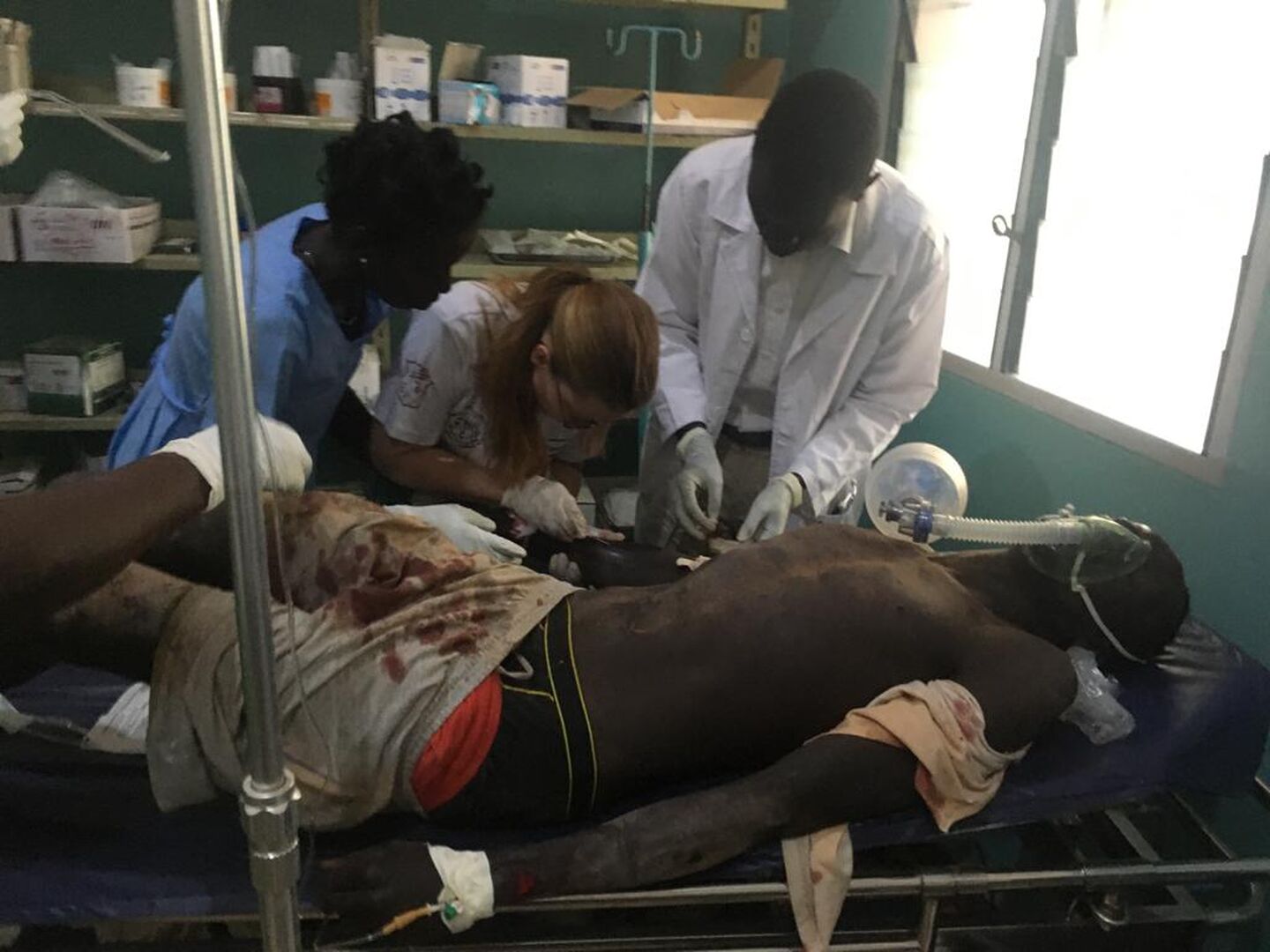
Planned surgical procedures mainly include appendectomies, hernia repairs, male circumcisions, and occasional vaginal fistula repairs. Emergency surgeries include acute abdominal conditions and intestinal obstruction (ileus). Less common procedures include amputations, treatment of osteomyelitis, splenectomies, surgery for Hirschsprung disease, removal of uterine fibroids, and treatment of penile cancer, although some of these procedures are performed under very challenging conditions.
Postoperative wound infections and cases of peritonitis are common. Burn injuries, particularly among children who fall into open cooking fires, are also frequently treated.
Patients with chronic wounds are cared for in a separate section. Some remain hospitalised for several months. Treatment options are limited and mainly consist of surgical debridement, gauze dressings, iodine, tetracycline ointment, and silver-based ointments.
The paediatric ward generally admits children up to five years of age. During the malaria season, the ward is often severely overcrowded.
Common conditions treated include:
Malaria
Gastroenteritis
Pneumonia
Abscesses
Asthma attacks
Malnutrition
Dehydration
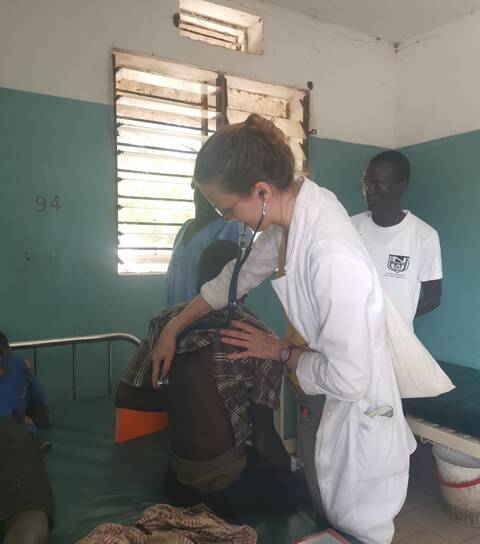
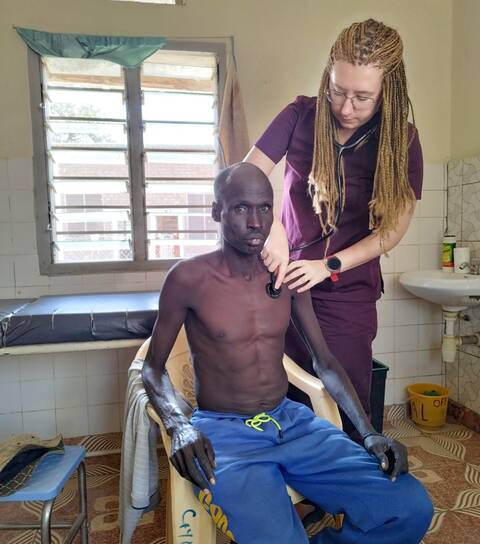
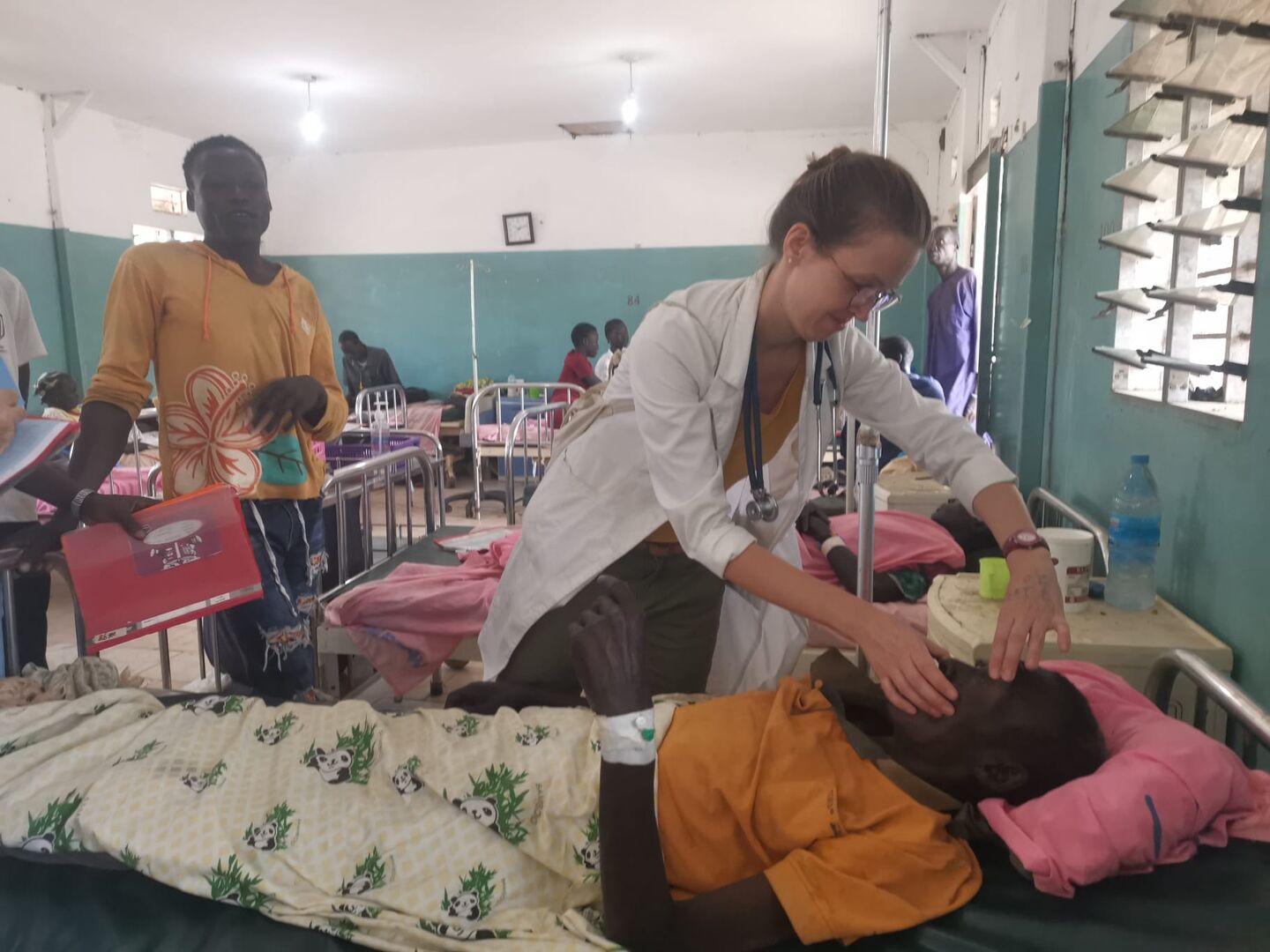
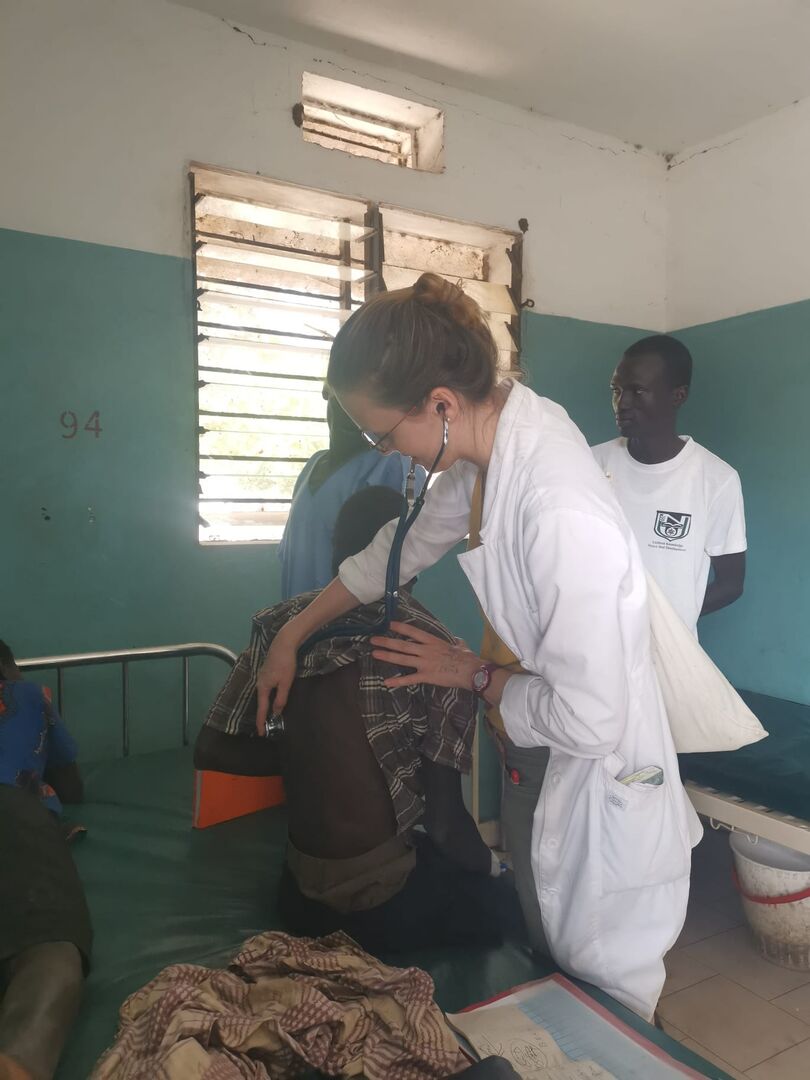
The medical ward treats patients older than five years with conditions that do not require surgery.
Tuberculosis is by far the most common diagnosis, occurring in various forms and locations, including:
Pulmonary tuberculosis
Tuberculous meningitis
Spinal tuberculosis
Tuberculous pericarditis
Other commonly treated conditions include:
Heart failure
Rheumatic fever
Dysentery
Burkitt lymphoma (first-line chemotherapy is available)
Opportunistic infections
Hepatocellular carcinoma
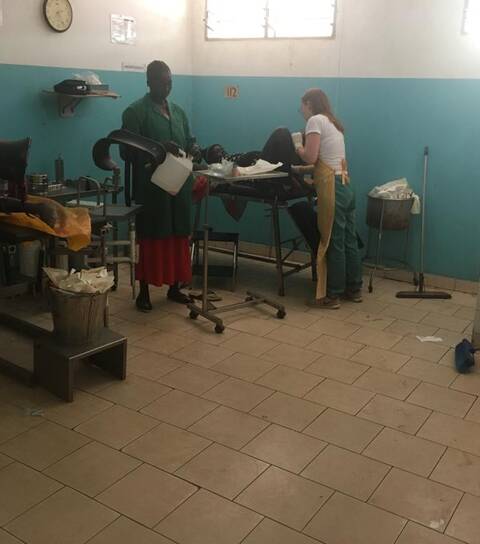
The operating theatre contains two operating tables, allowing two surgical procedures to be performed simultaneously.


sliacka@vssvalzbety.sk
+421 911 109 877
Vedúca oddelenia rozvojových a humanitárnych projektov