Like many other projects in Africa, St. Elizabeth University’s work in Burundi began at the initiative of Mr. Pamphile Ndikuriyo, a Burundian who studied at the Slovak University of Technology in Bratislava and later settled in Slovakia with his family. He approached Professor Krčméry with a request for assistance for the hospital in Rutovu, located in his home region. Following a decade-long civil war, the hospital had become largely non-functional.
The first Slovak team arrived in Rutovu in January 2007. From that time onward, teams consisting of a logistician and two to three physicians from St. Elizabeth University regularly served in the area. By 2010, three Burundian physicians were already working in Rutovu, allowing us to gradually reduce our involvement there and expand our activities to other regions of the country.
In January 2011, with the approval of Professor Krčméry and in cooperation with the then logistician Michal Krčméry, we launched two new projects: one at the Gasura Health Centre in the Kirundo District and another at the Murago Health Centre in the Burambi region. Several months later, we also began cooperating with the Burambi Health Centre in the Kayanza District.
In 2016, a Burundian physician who originated from Murago began working at the local health centre. With the approval of the Vicar General of the Diocese of Bururi, we subsequently transferred our activities to Rumeza Parish within the same diocese. Local circumstances highlighted the need to establish a private clinic in Ndago, one of the eleven outstations belonging to Rumeza Parish.
After two and a half years of purchasing land, constructing the facility, and obtaining the necessary licences, the clinic was officially inaugurated on 15 September 2021 with the approval of the Ministry of Health of Burundi. During the opening ceremony, the Clinique Petit Samaritain Ndago (Petit Samaritain Clinic, Ndago) was blessed by the parish priest and administrator of Rumeza Parish.
The Songa region is home to approximately 350,000 people and has seven government health centres, yet no hospital, no physician, and no ambulance service. This situation created an urgent need to provide accessible professional healthcare to the local population and led to the establishment of our clinic.
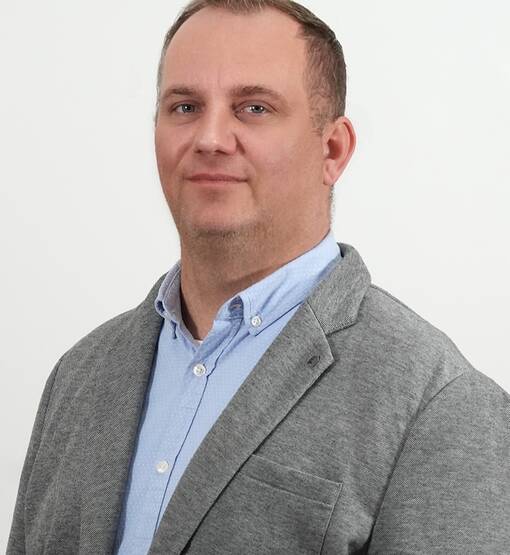
Our clinic, Clinique Petit Samaritain Ndago (Petit Samaritain Clinic, Ndago), includes an outpatient department where a physician – currently myself – provides medical care to patients of all ages, from newborns to the elderly. We treat a wide range of conditions, from common illnesses such as respiratory infections, malaria, and other infectious diseases to chronic conditions including diabetes, hypertension, and epilepsy.
The clinic also operates a 16-bed inpatient ward and a maternity unit. In addition to myself, the medical team consists of five qualified registered nurses. At present, we are in need of a laboratory technician.
Beyond the healthcare staff, our team includes a maintenance worker, a cleaner, two night guards, and two police officers who help ensure the safety and smooth operation of the facility.
Our diagnostic capabilities are supported by an ultrasound machine donated from Slovakia and a modestly equipped laboratory containing two microscopes, a glucometer, a haemoglobin meter, and urine testing strips. Despite limited resources, these tools significantly improve our ability to diagnose and treat patients effectively.
Burundi is one of the poorest countries in the world and, after Rwanda, the second most densely populated country in Africa. Healthcare services remain inadequate and under-resourced, which is why there is a great need not only for medical treatment but also for humanitarian assistance.
Medical care is generally not free of charge, with the exception of children under five years of age. There is no universal health insurance system, and only a small percentage of the population possesses health insurance cards that allow them to pay only part of the treatment costs in public healthcare facilities.
Government health centres frequently lack essential medicines, particularly paediatric medications such as syrups for children. This is one of the reasons why our presence and assistance in this region are so important.
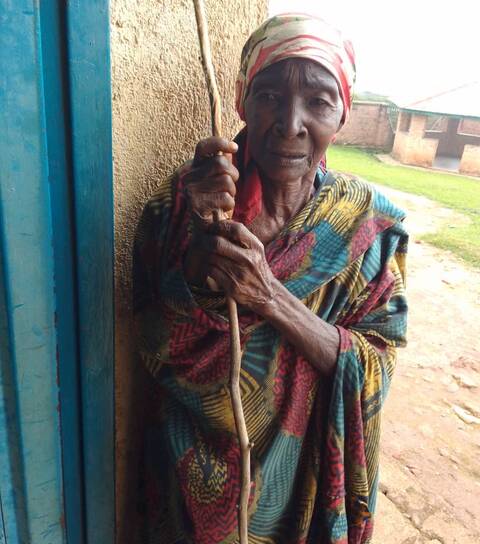
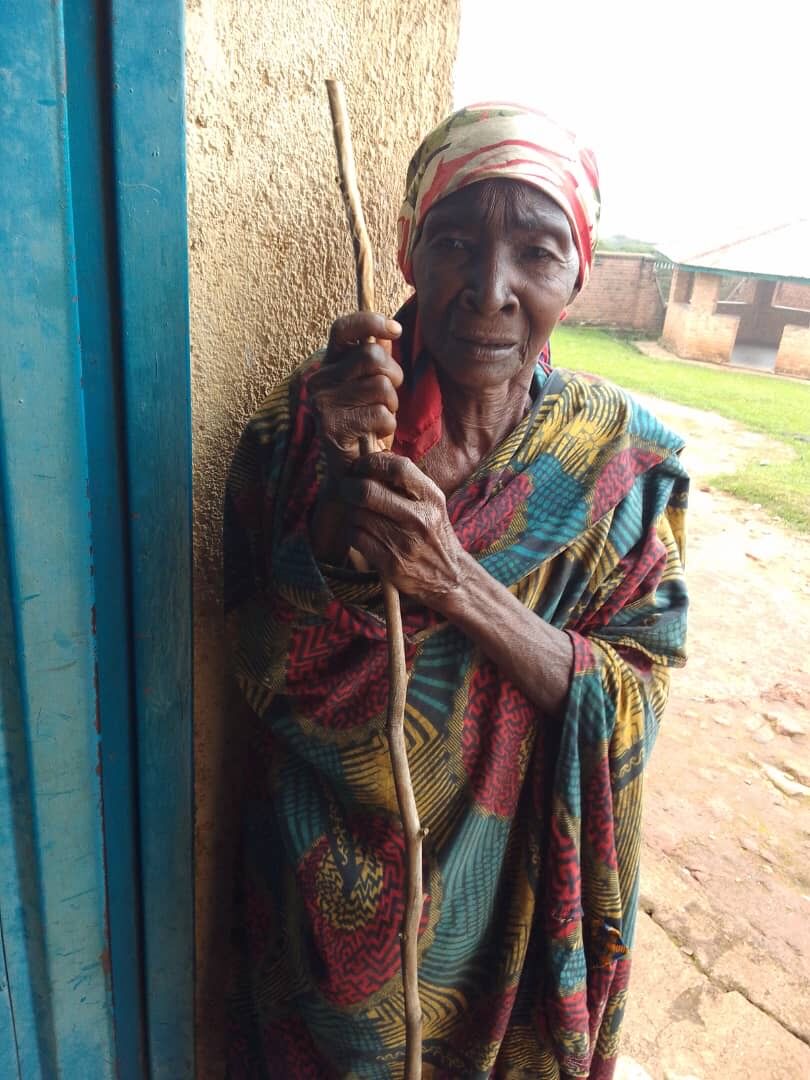
At our clinic, we provide free medical care to patients suffering from both common and chronic illnesses, as well as to vulnerable groups such as people living in poverty, orphans, and widows. We currently have more than 10,000 registered patients. Those who return for follow-up treatment retain the same registration number, ensuring continuity of care.
We also operate an ambulance service for emergency cases, most commonly assisting pregnant women with complicated deliveries and injured children who require oxygen therapy or blood transfusions.
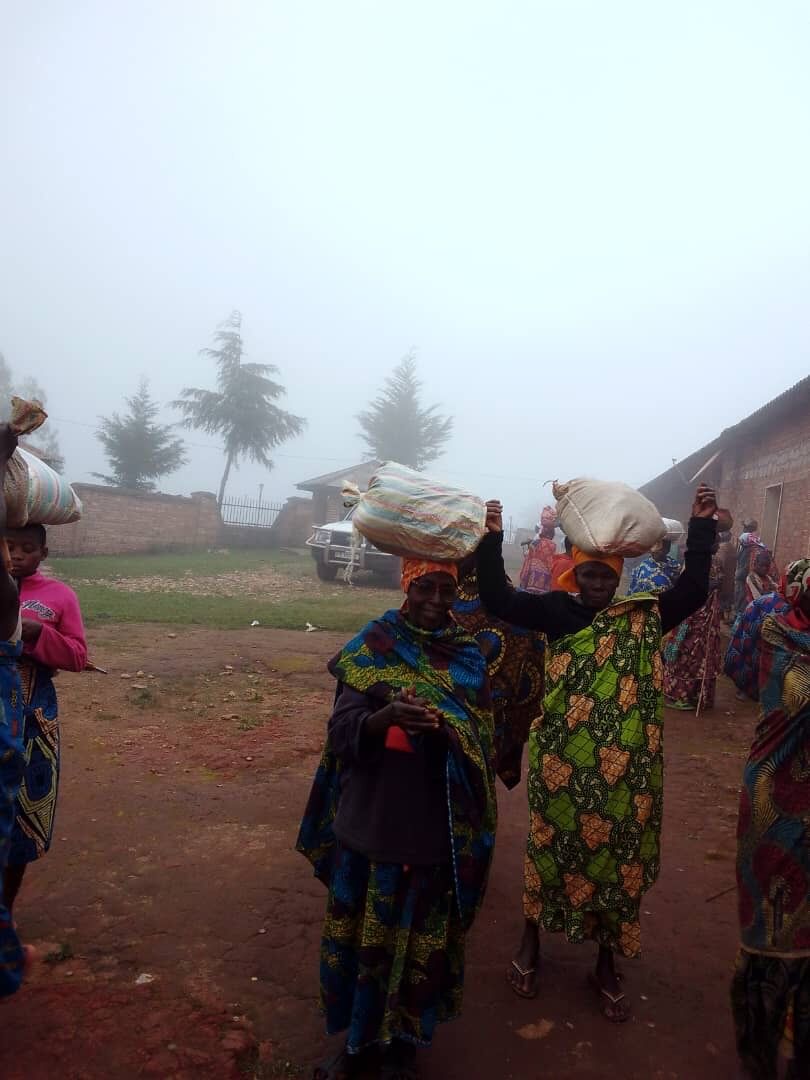
In the field of social assistance, our largest initiative is the Roof Programme. To date, we have purchased roofing materials for 41 homes and built 7 complete houses for widows and families living in extreme poverty.
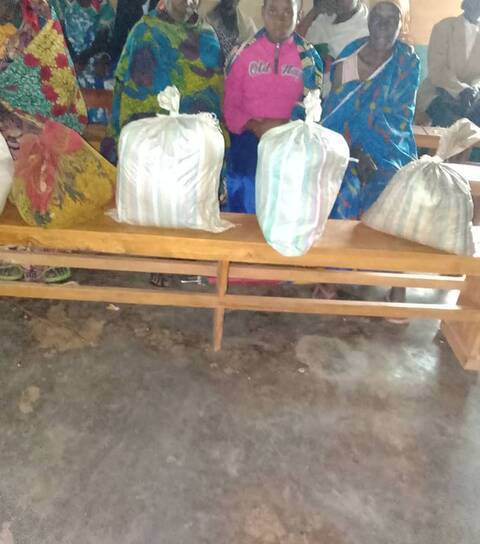
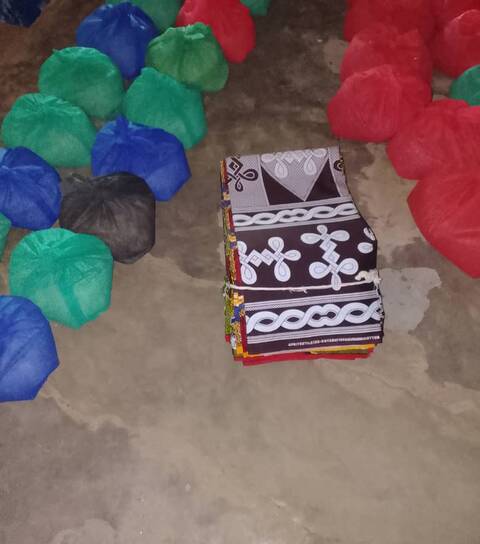
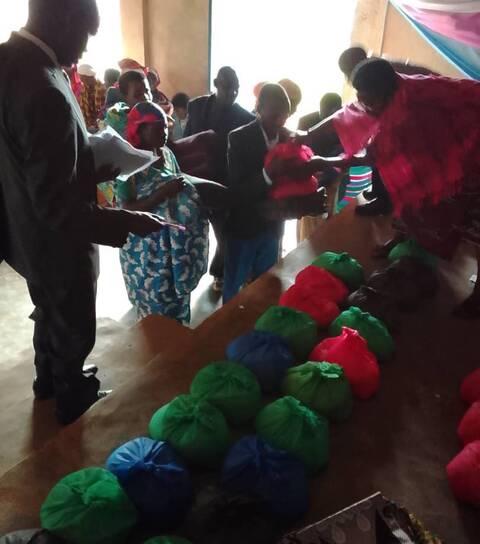
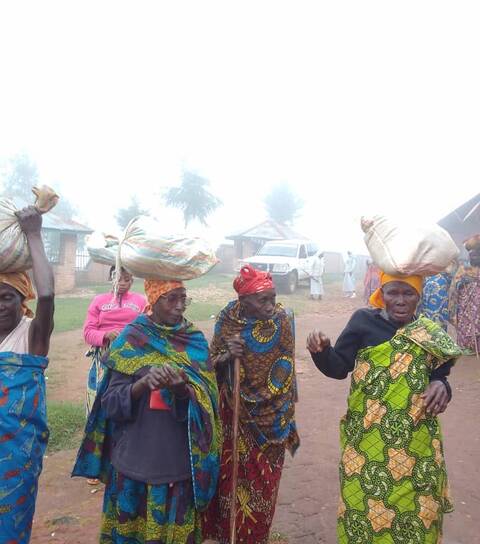
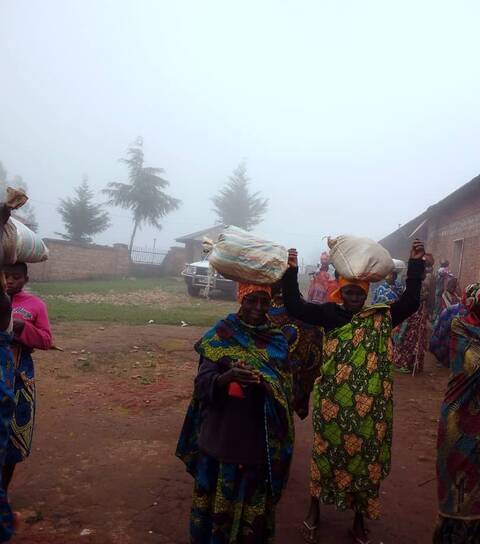
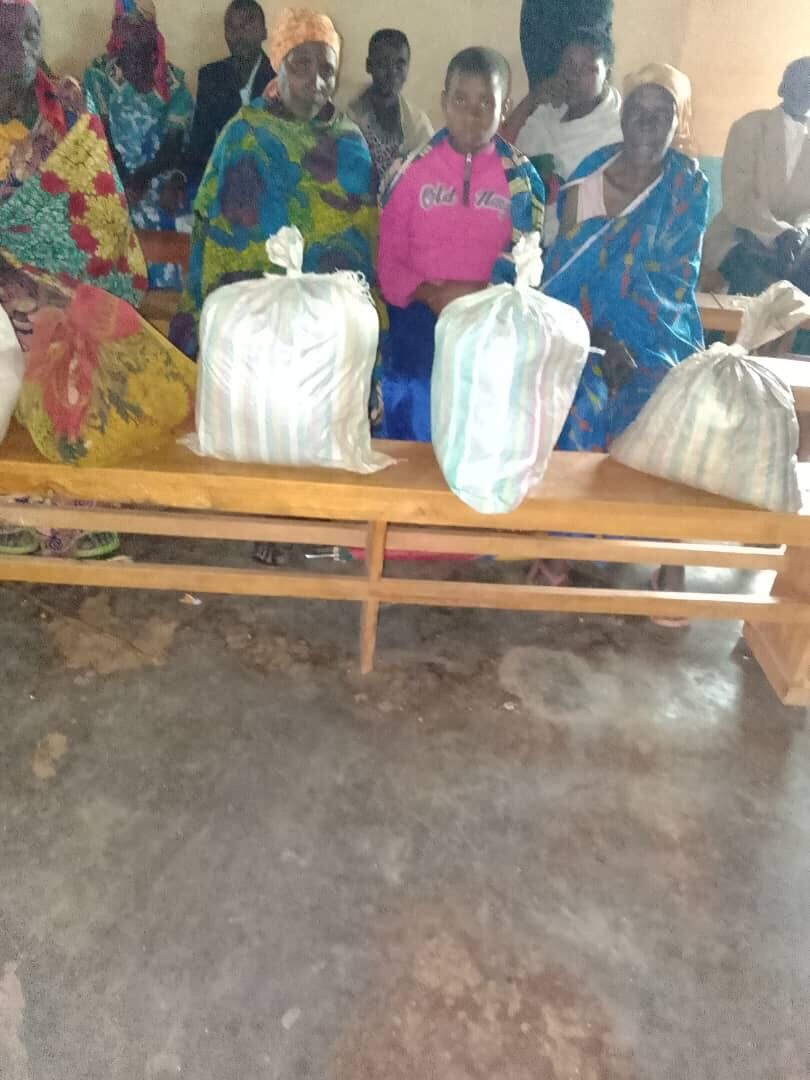
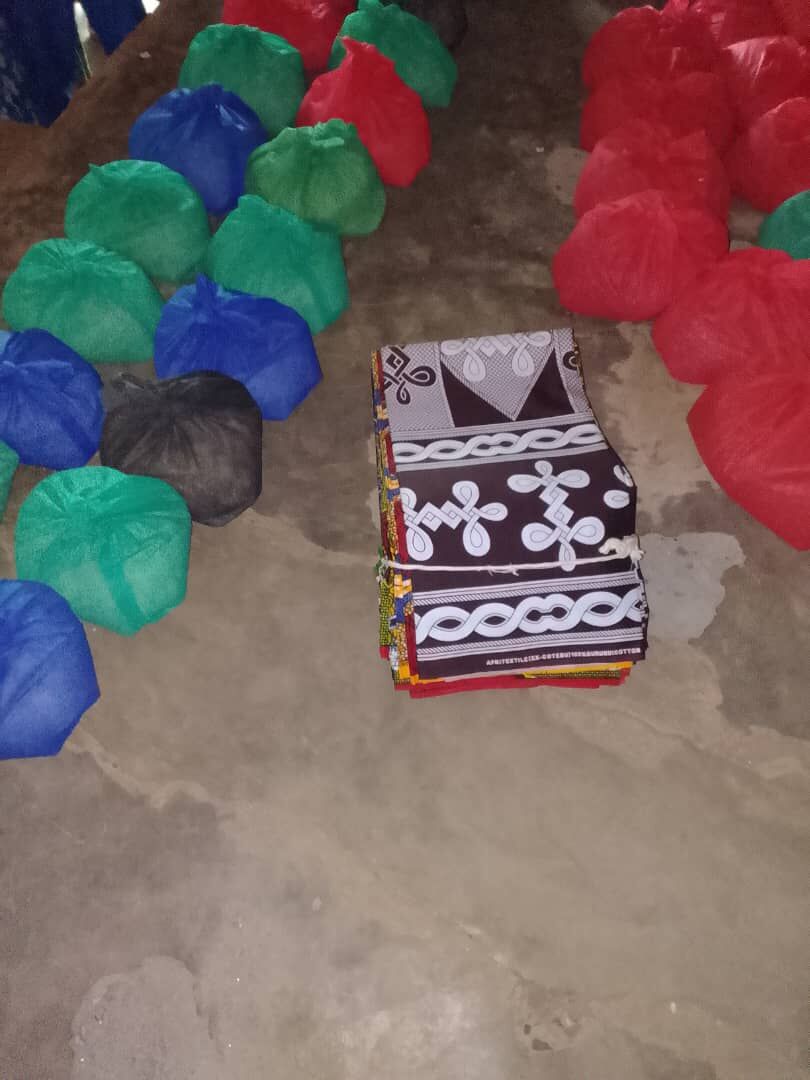
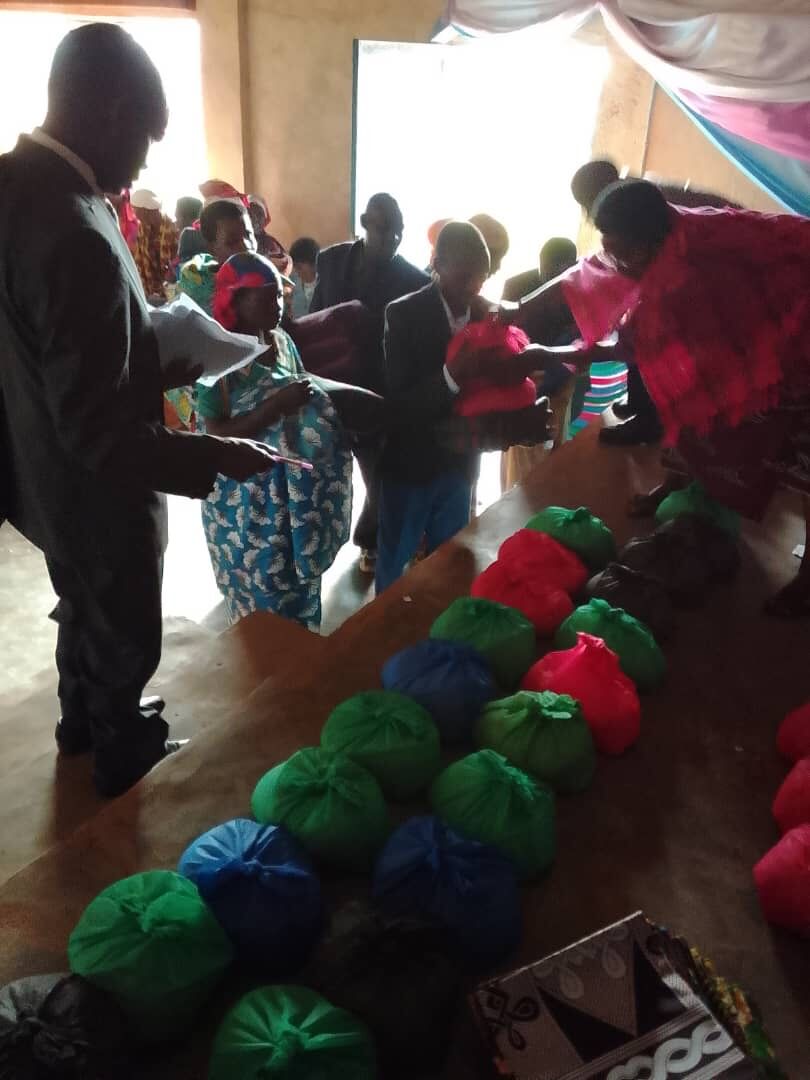
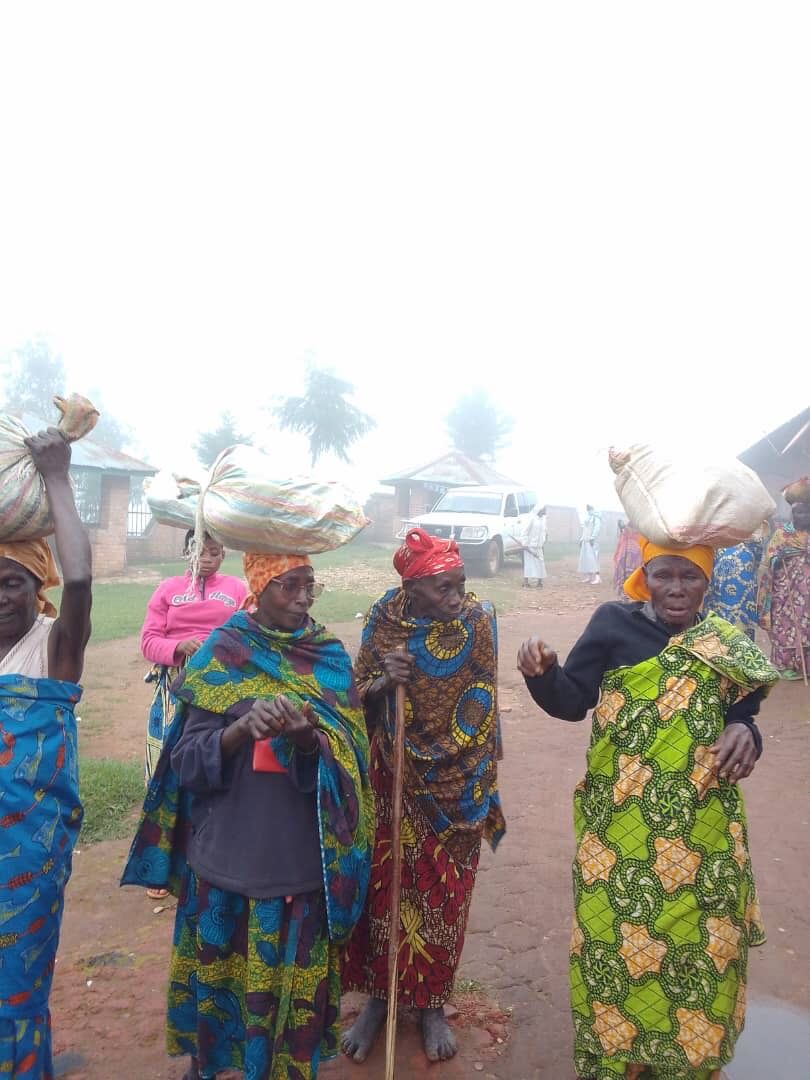
In addition, we respond to individual needs by providing essential items such as farming tools, blankets, seeds, clothing, and food.
The Roof Programme received international recognition when it was featured in an article published in the American Journal of Health Research in 2023, highlighting its positive impact on the living conditions and well-being of vulnerable families in Burundi.
In 2023, the Roof Programme was featured in a scientific article published in the American Journal of Health Research.