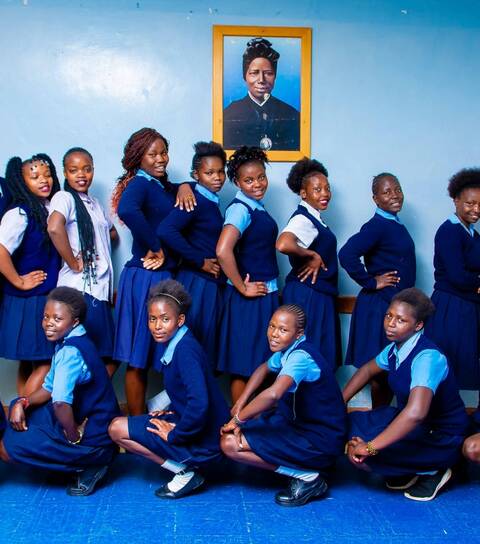
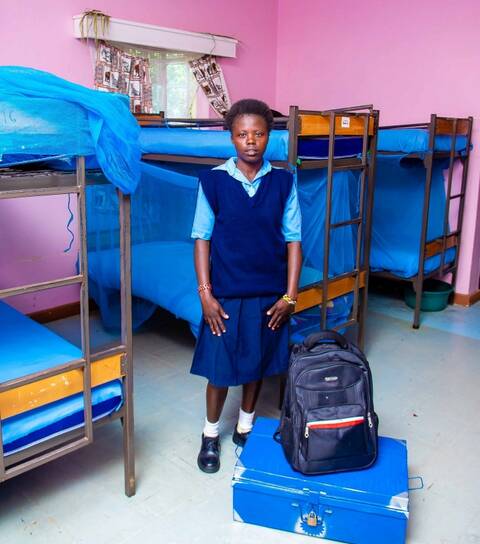
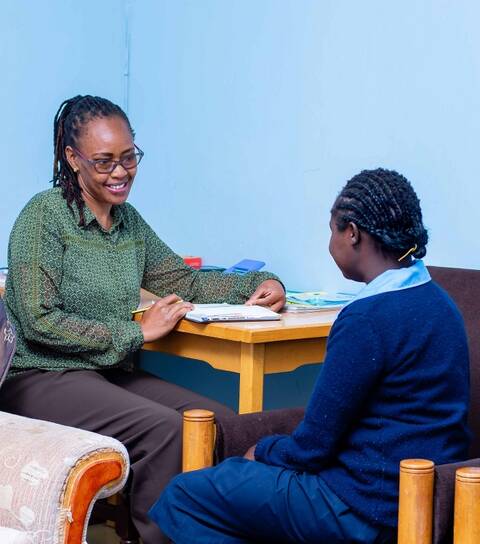
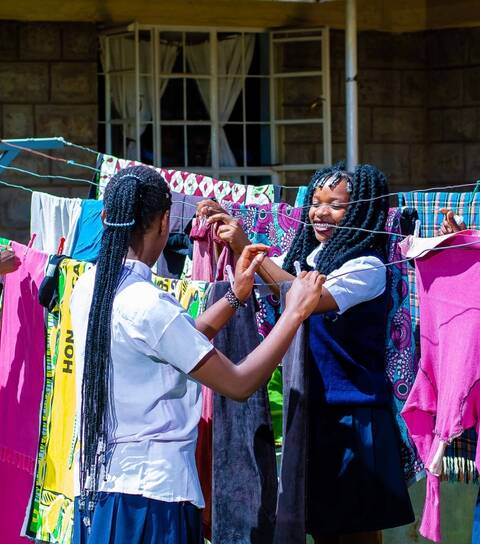
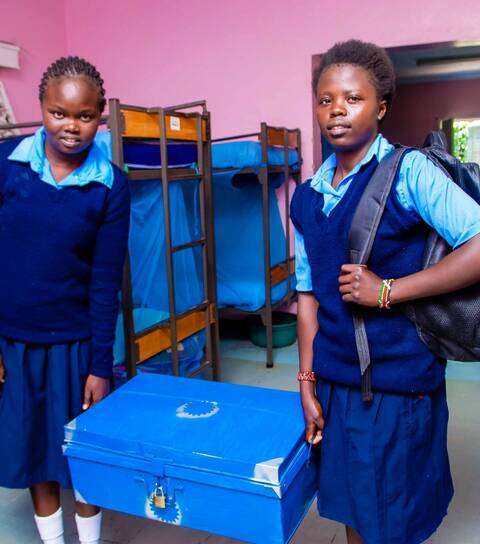
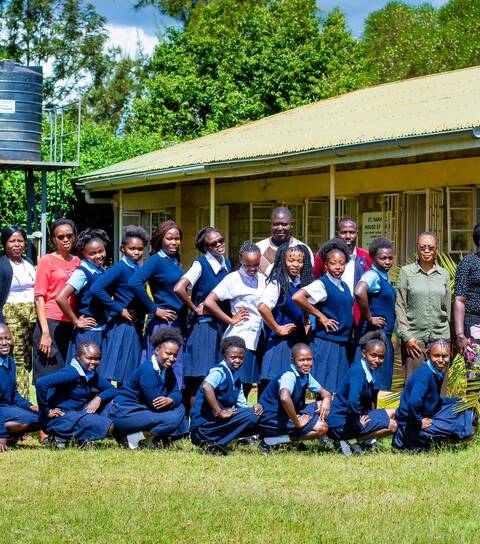
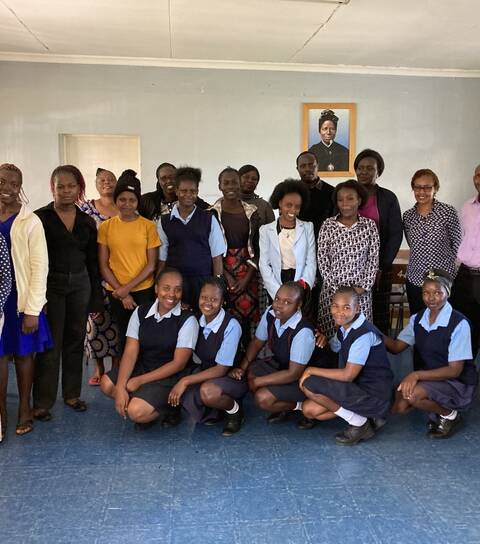
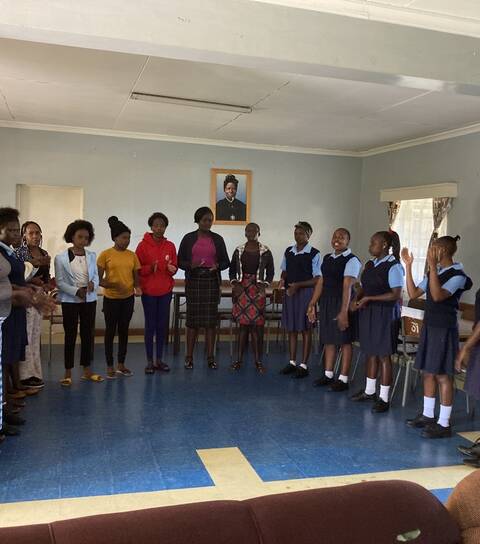
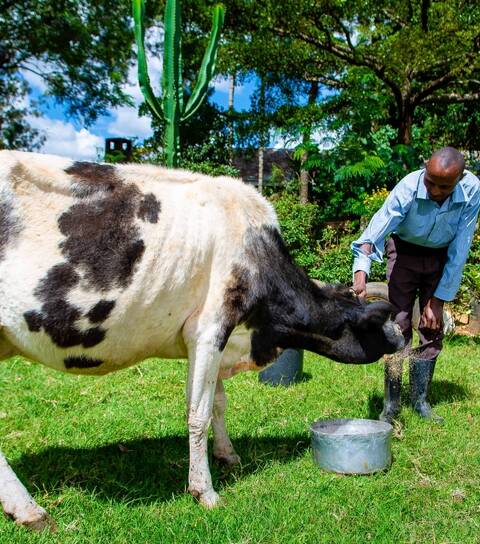
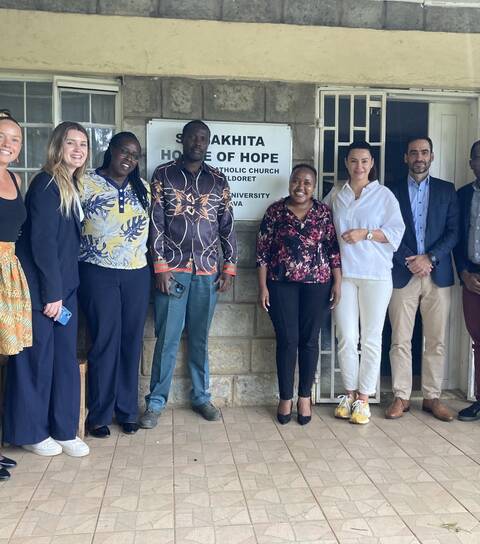
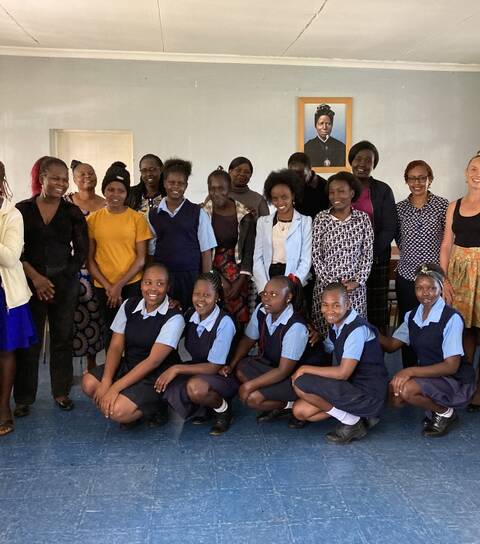
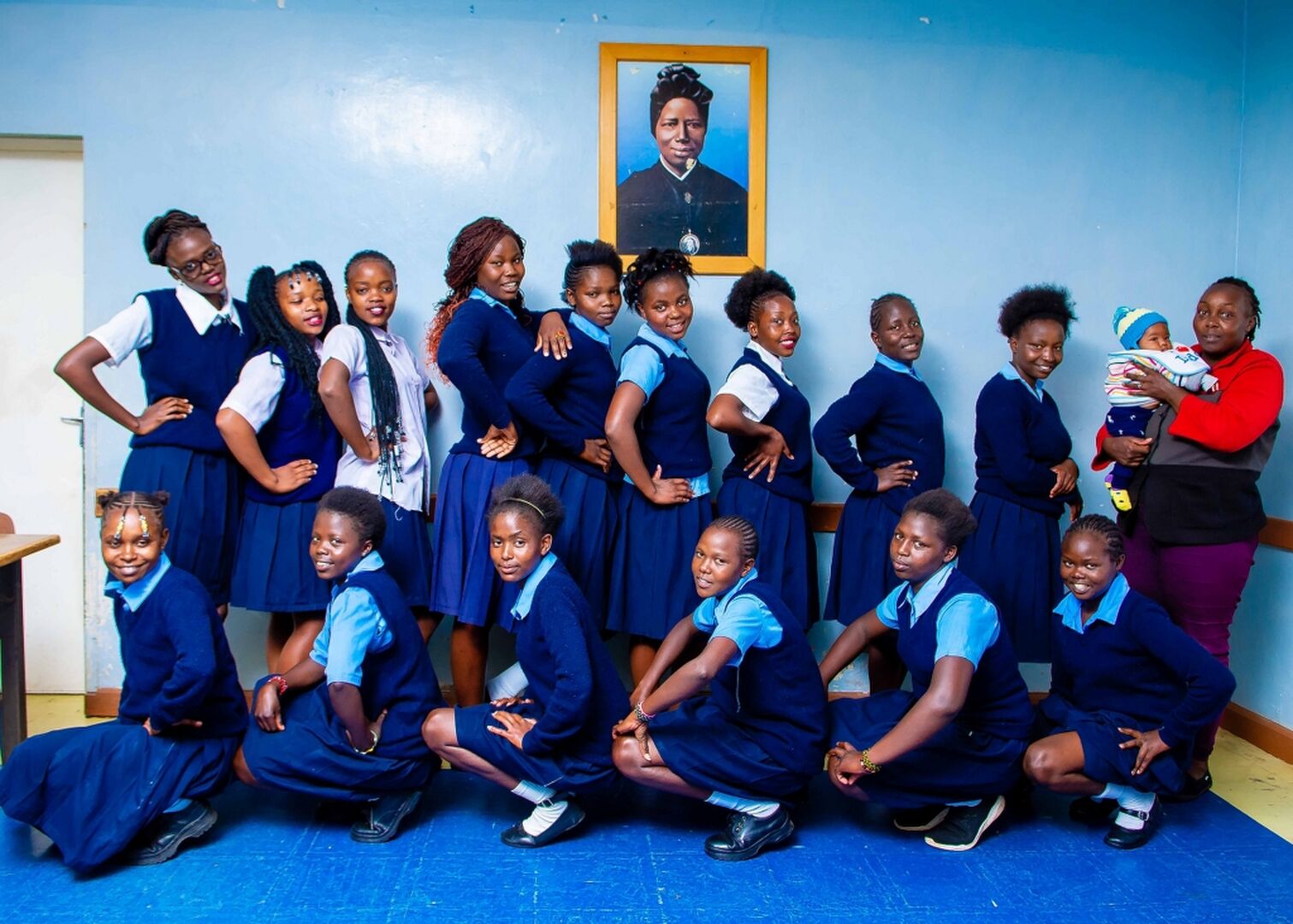
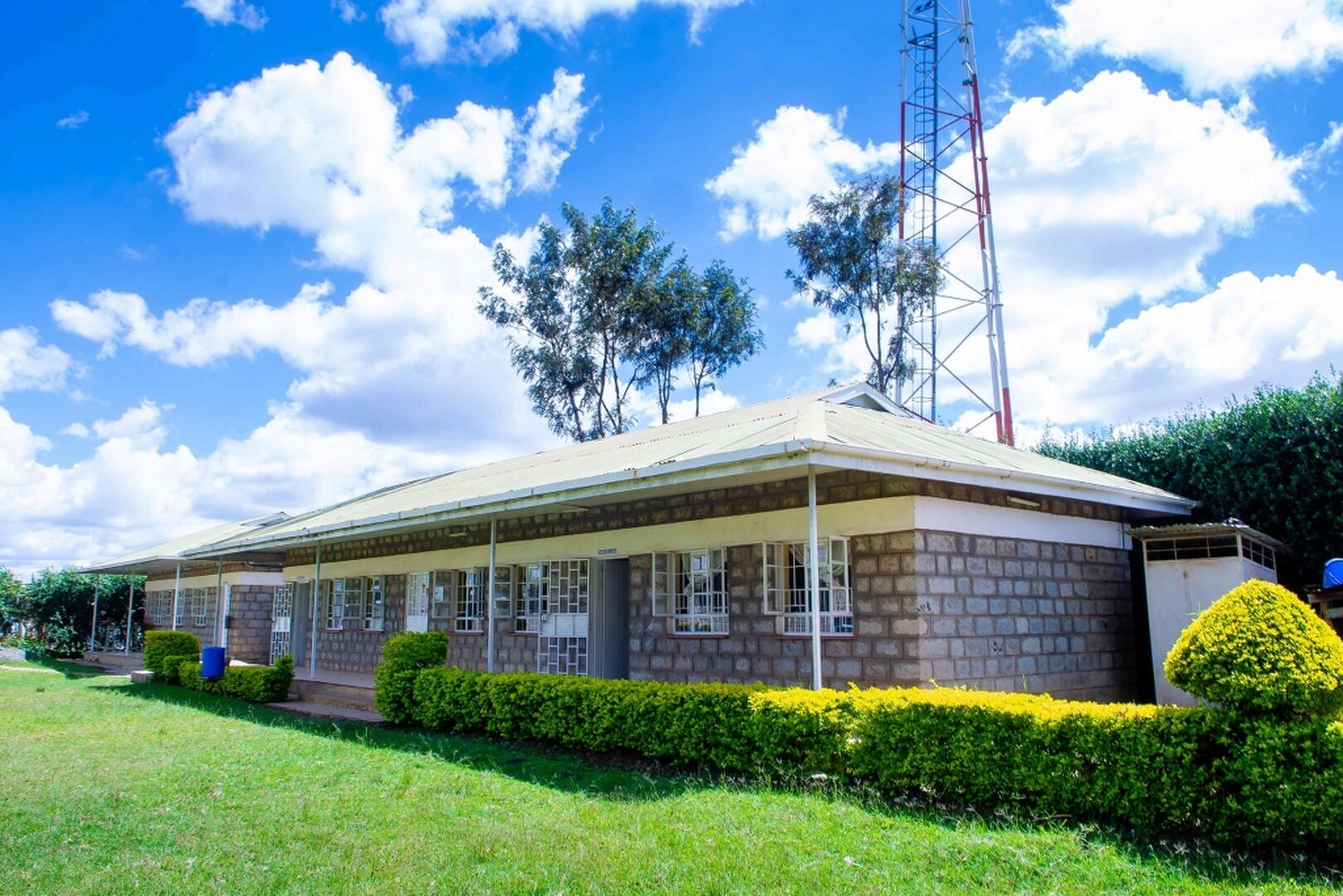
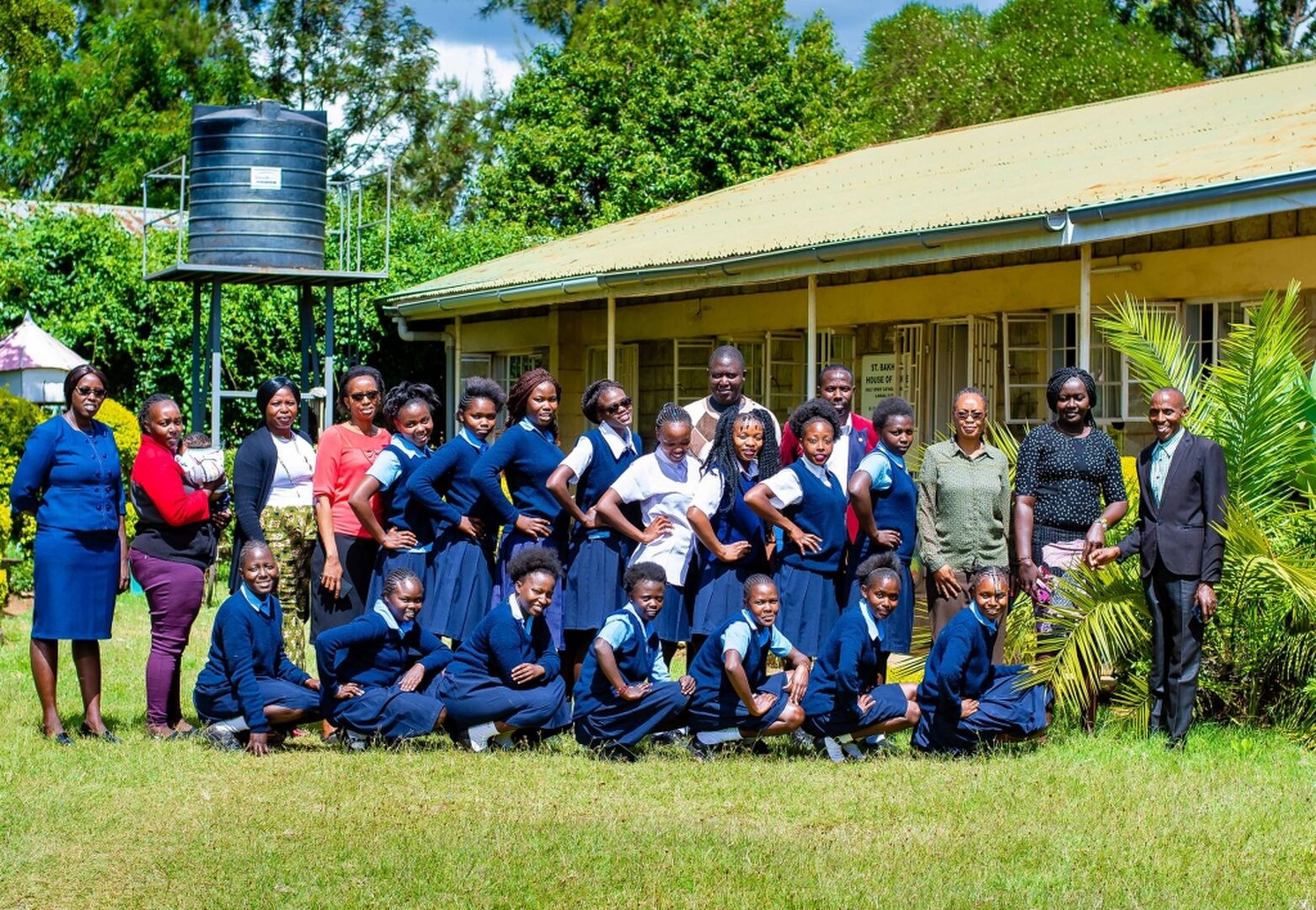
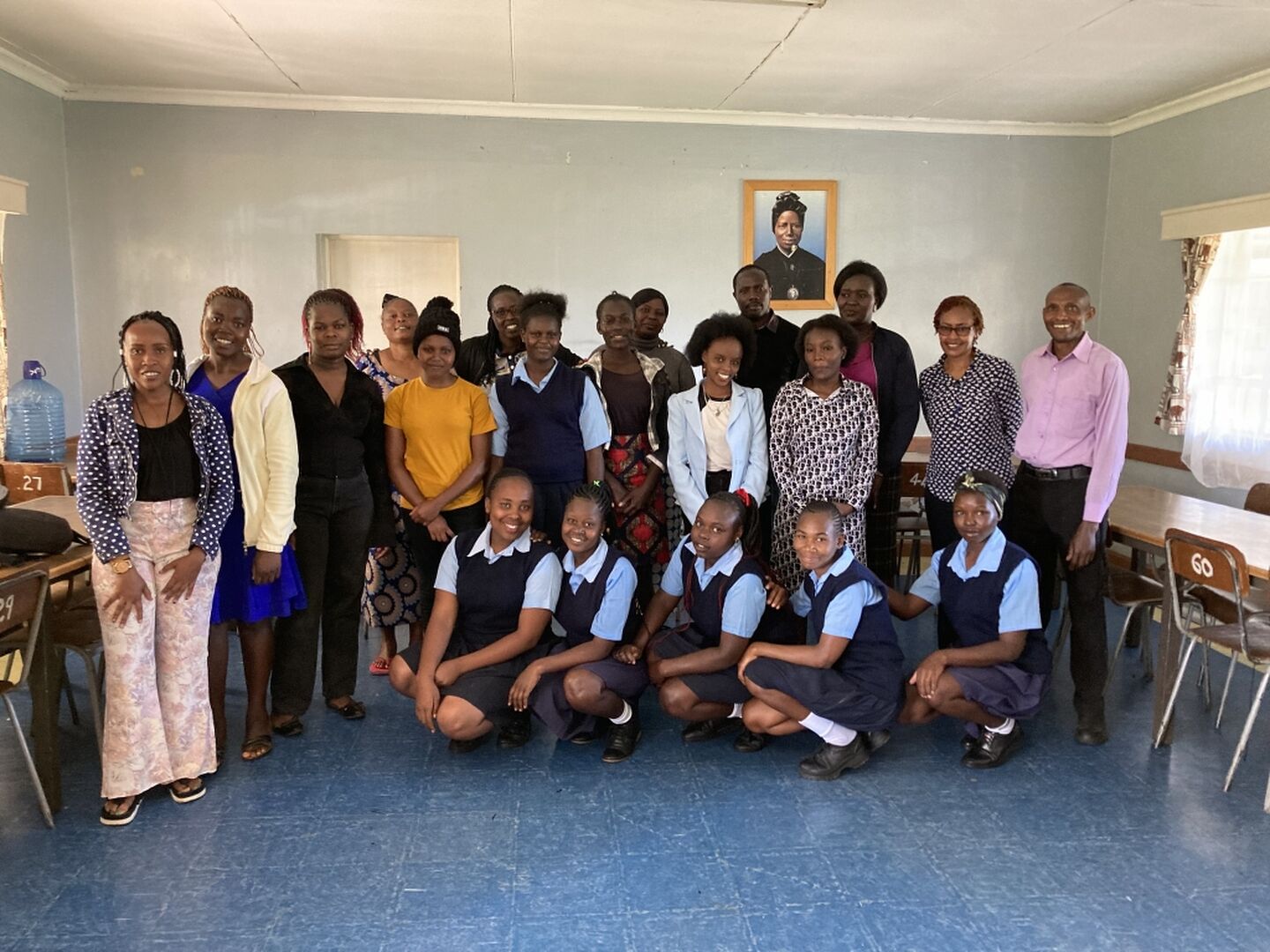
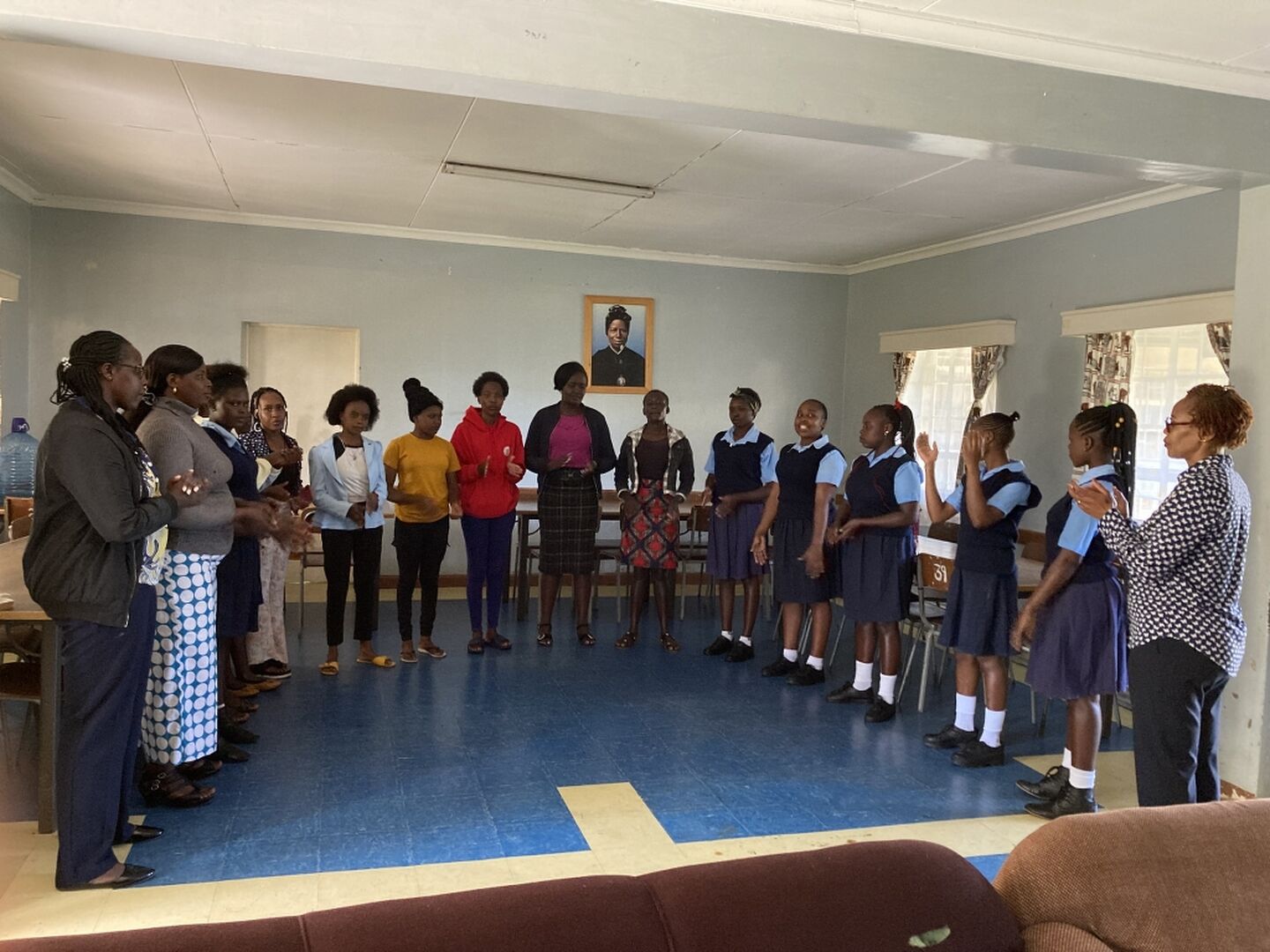
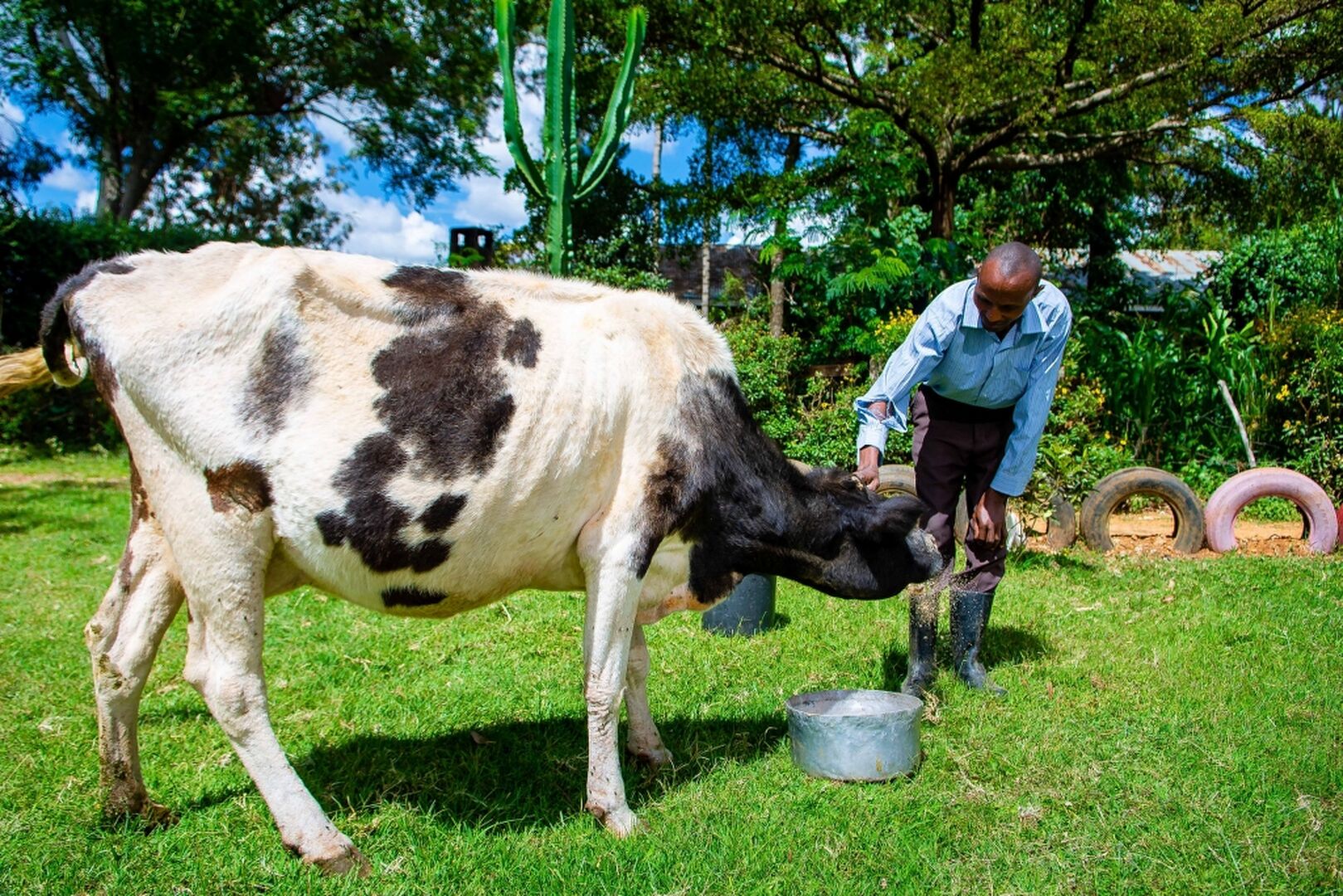
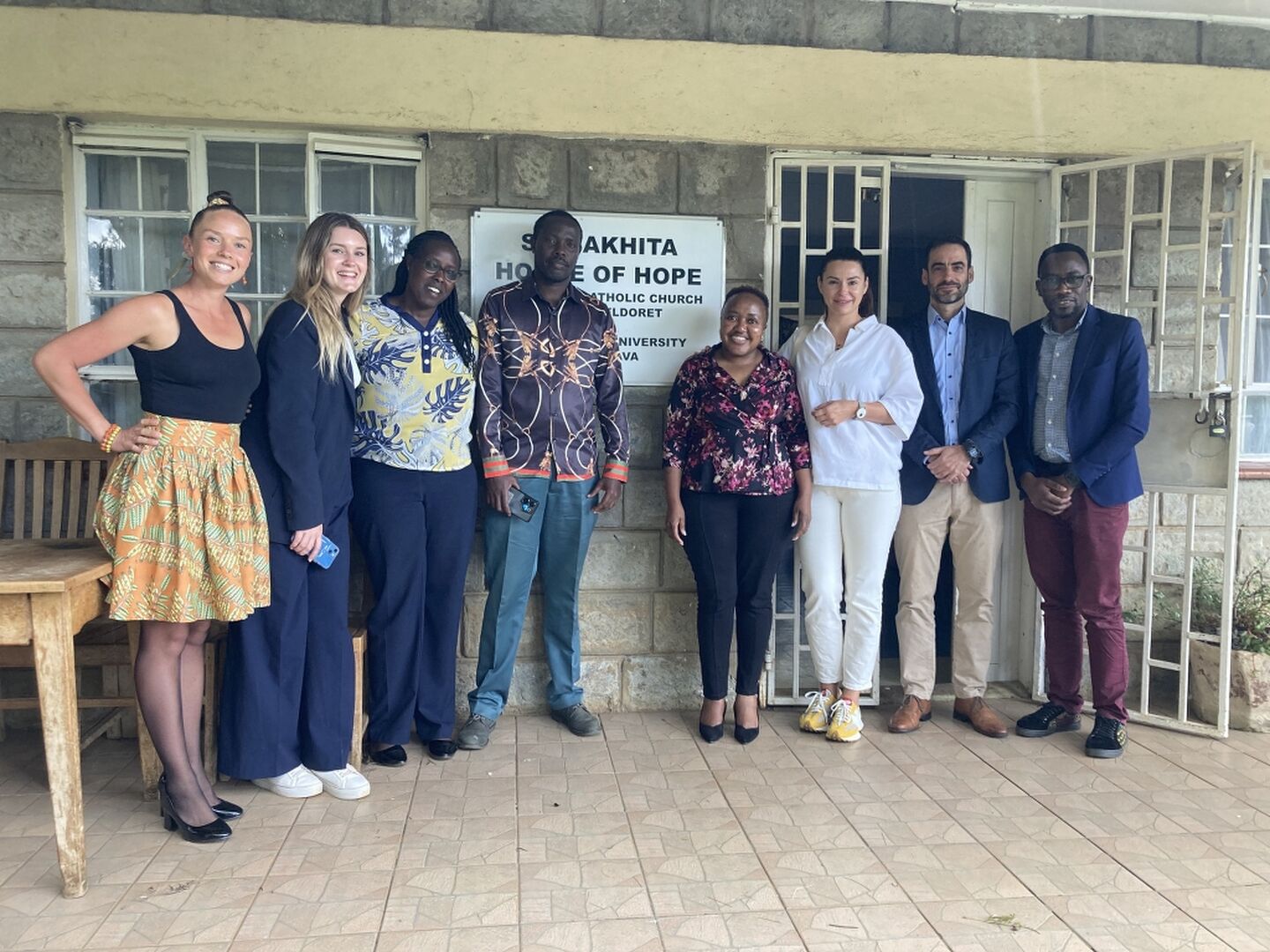
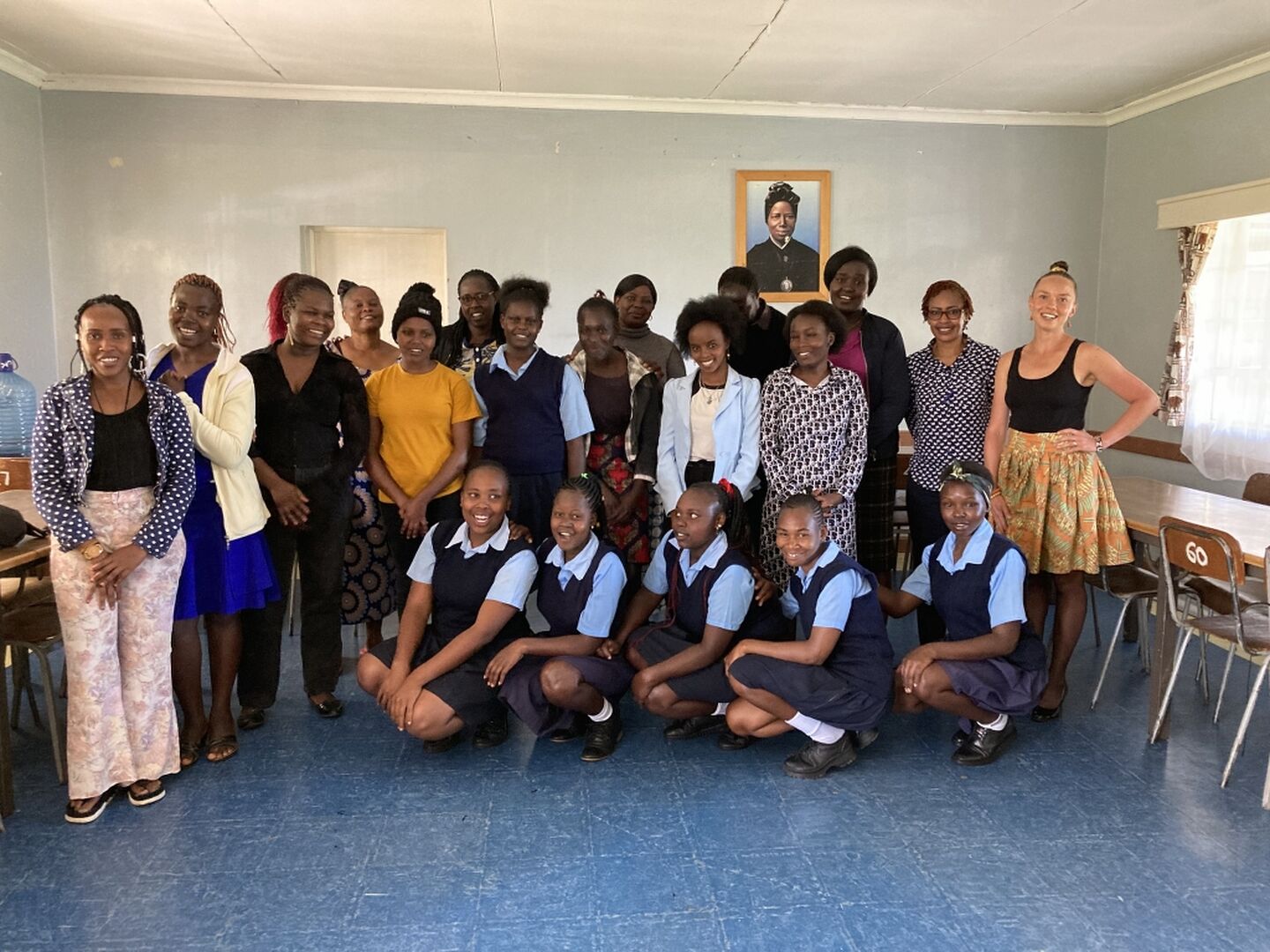
The St. Bakhita Vocational Training Centre (St. Bakhita House of Hope) was established in 2008, originally as a rescue centre for vulnerable girls affected by the post-election violence that occurred in Kenya in 2007–2008. Many young girls were left living on the streets, their lives marked by rape, physical abuse, exploitation through hard labour, and the inability to complete their basic education—circumstances that often condemned them to a lifetime of poverty.
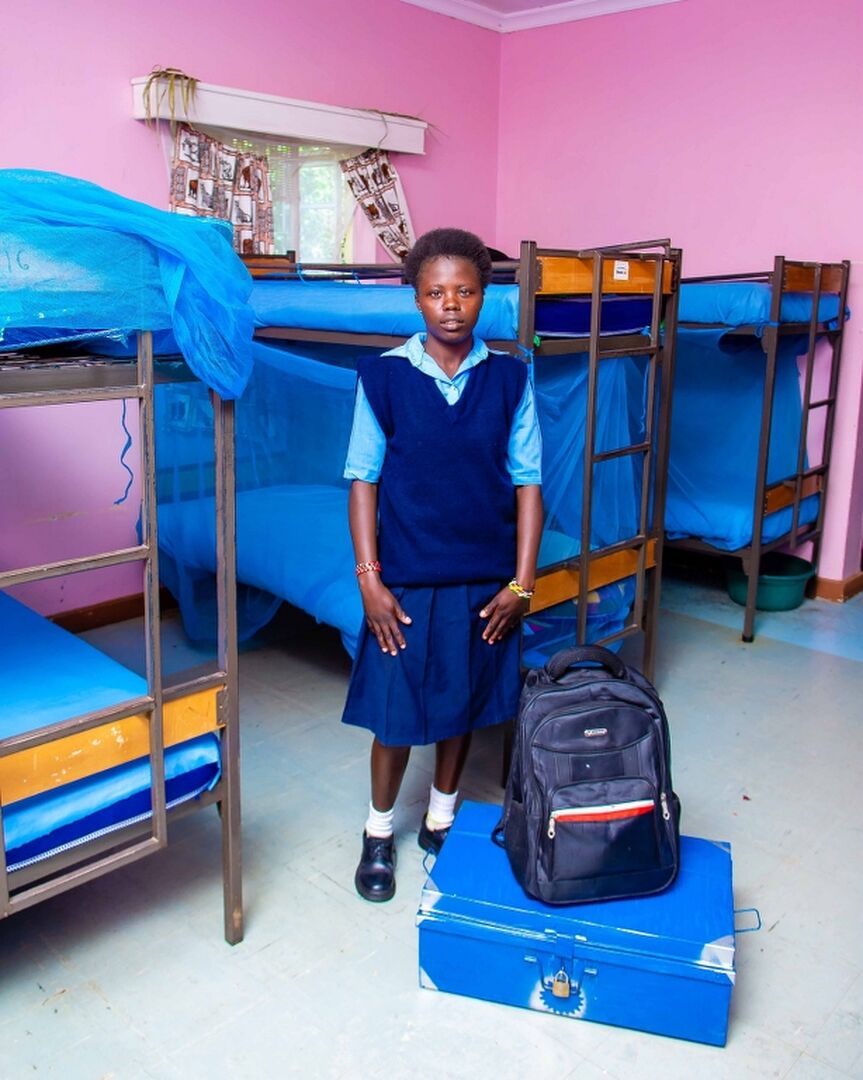
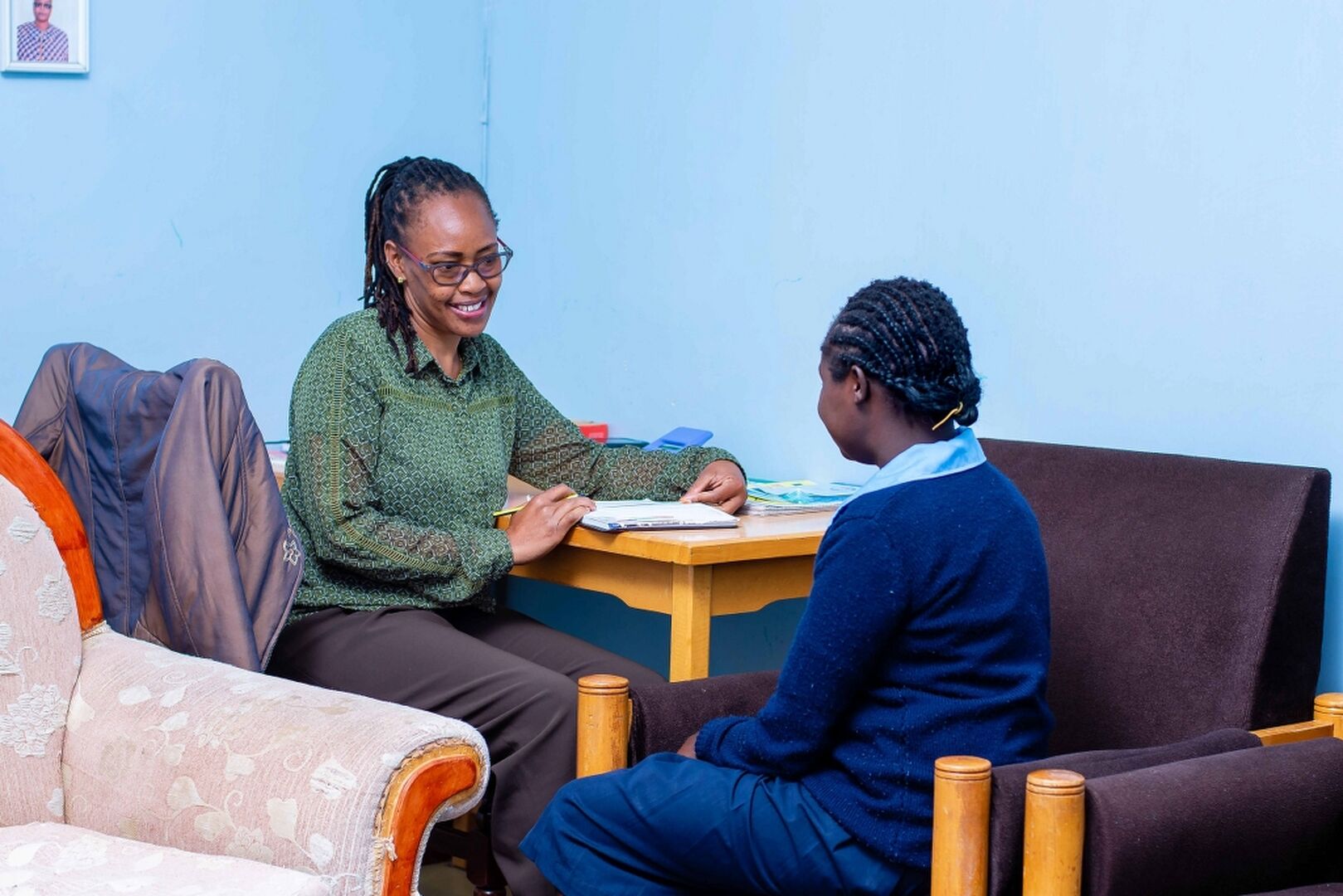
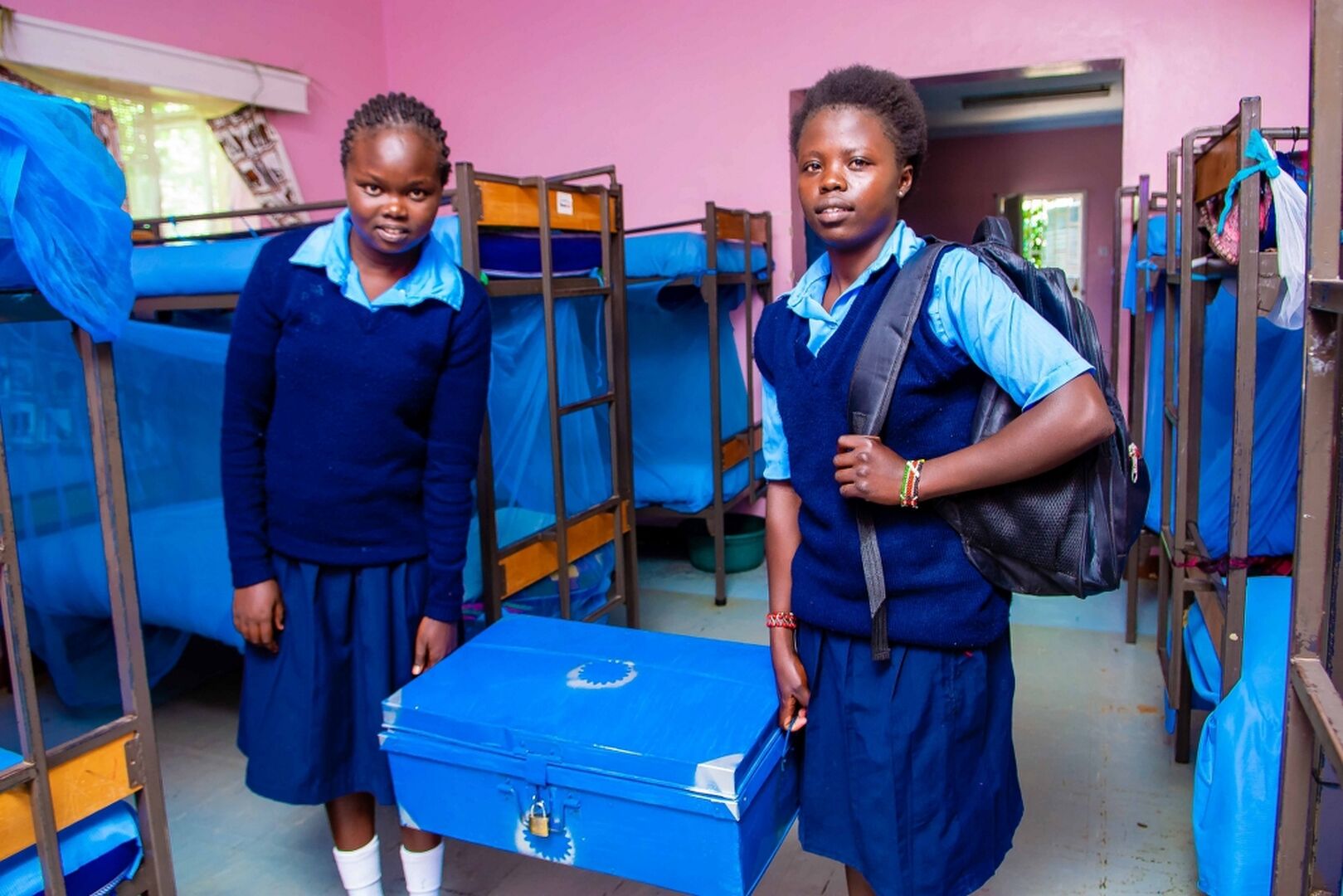
The rescue centre was created to provide girls under the age of 18 with a safe environment where they could receive education and acquire practical skills that would enable them to become financially independent, whether through employment or small-scale entrepreneurship.
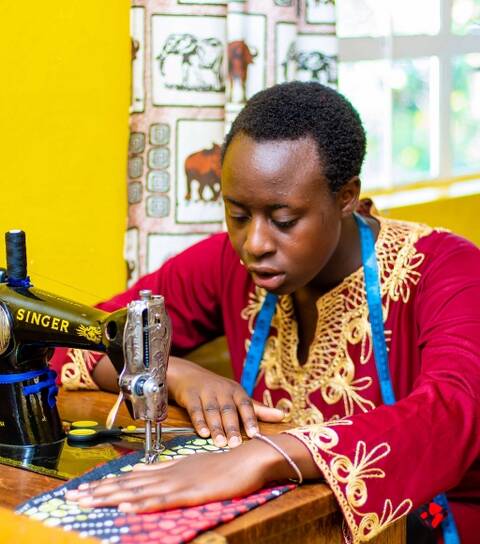
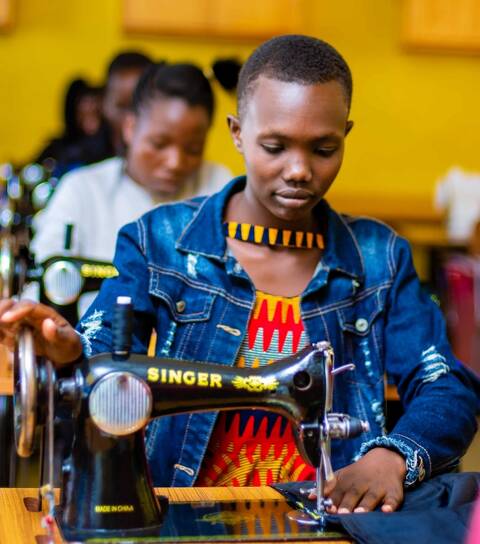
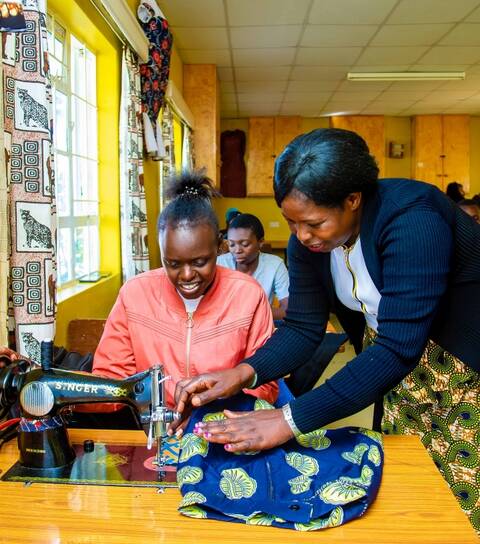
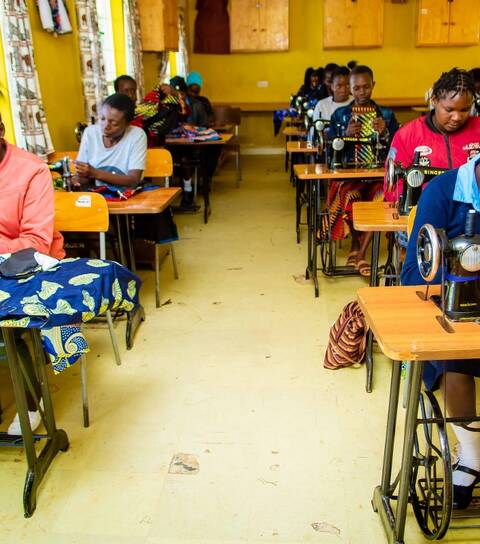
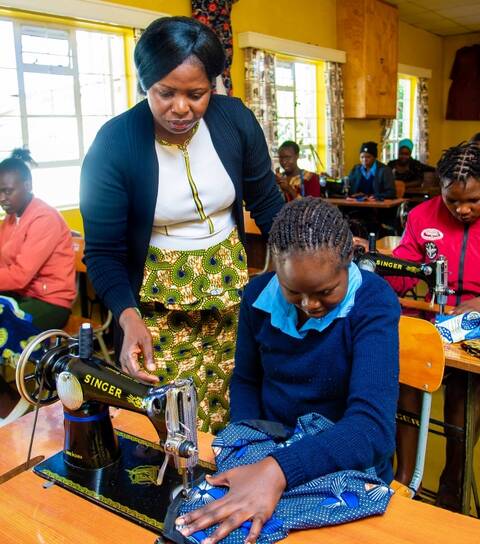
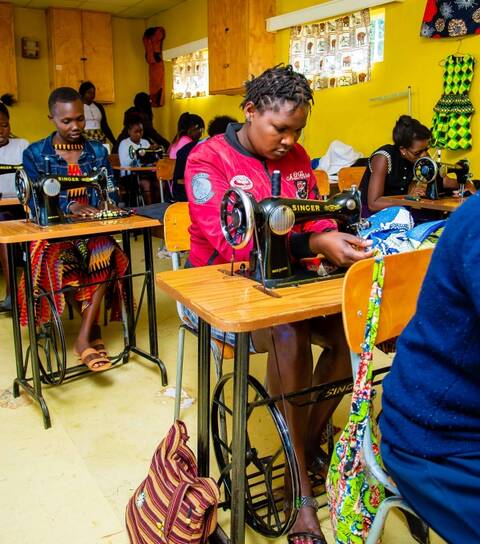
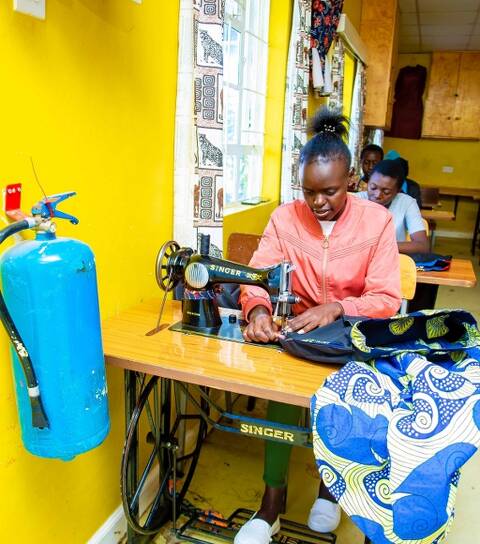
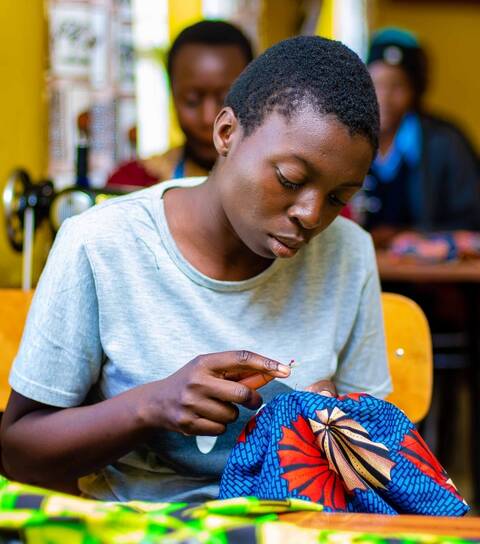
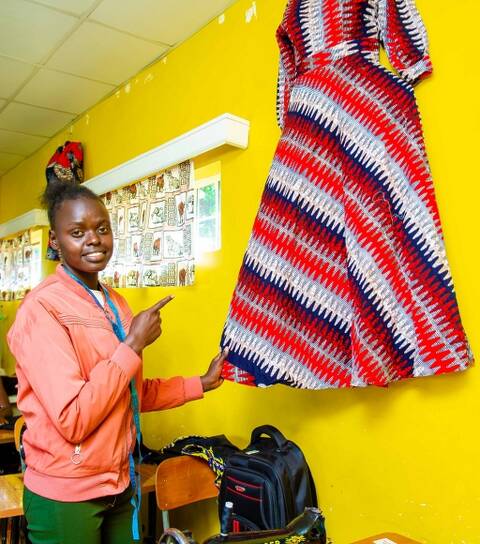
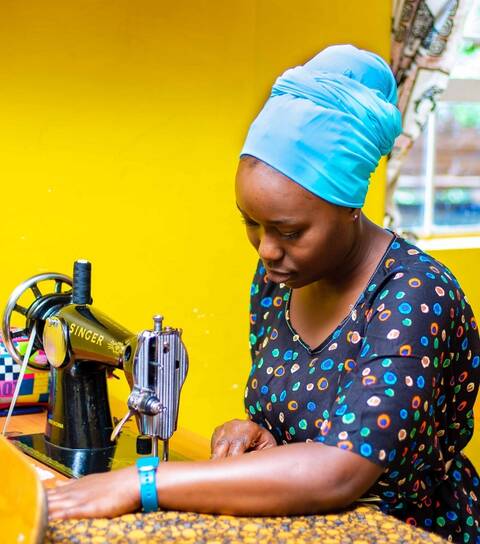
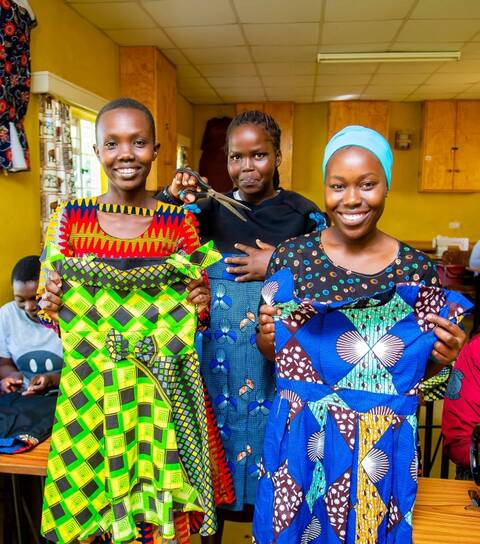
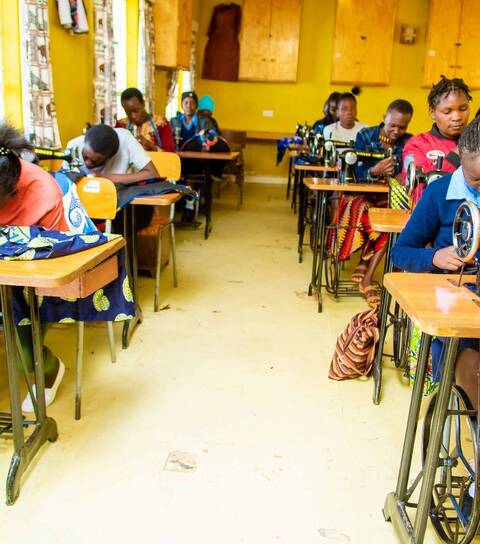
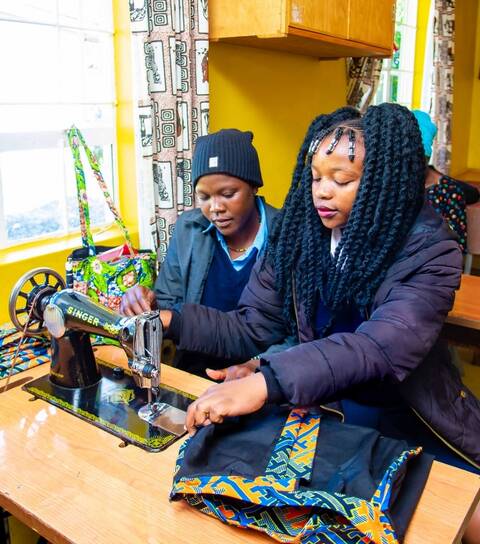
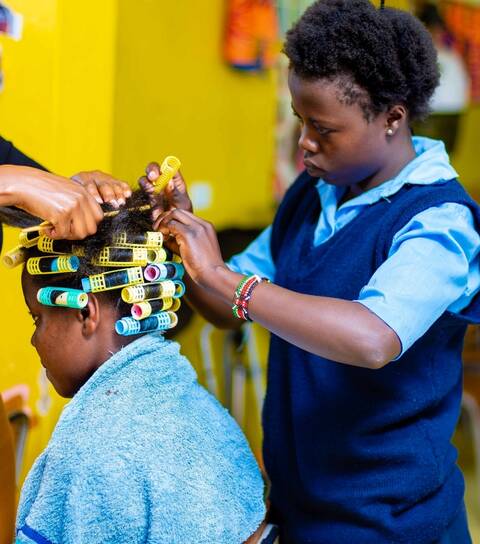
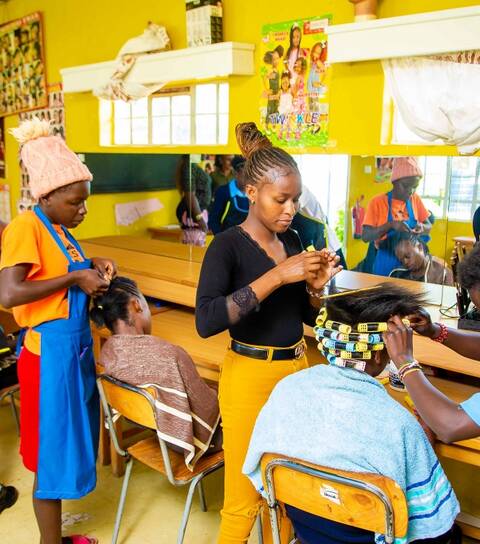
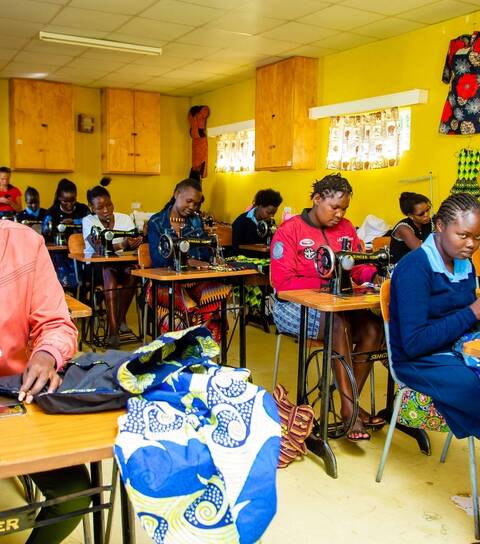
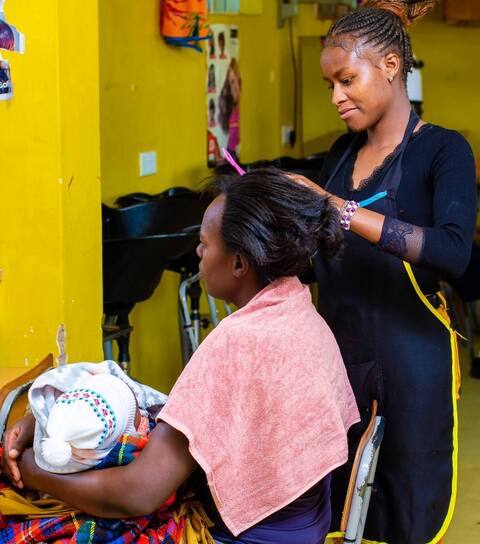
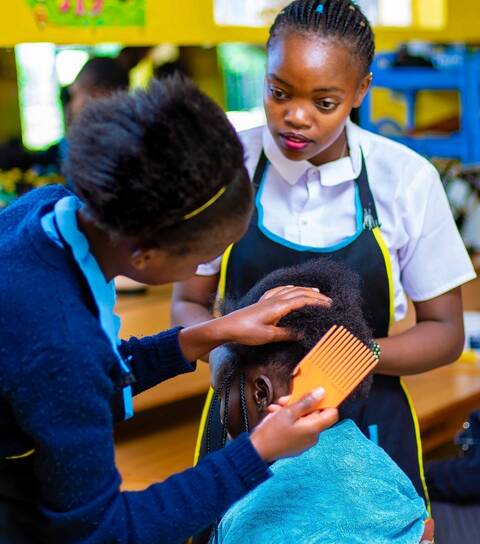
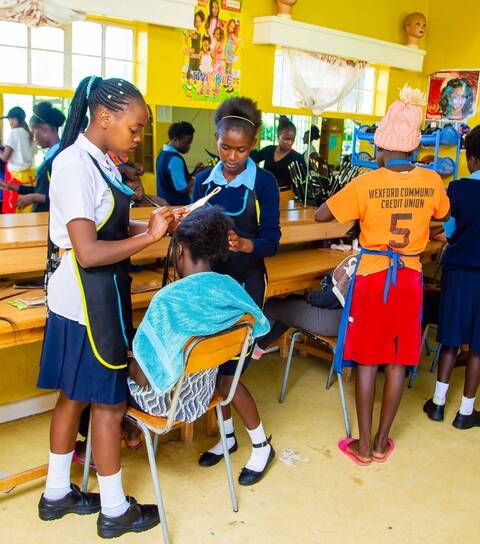
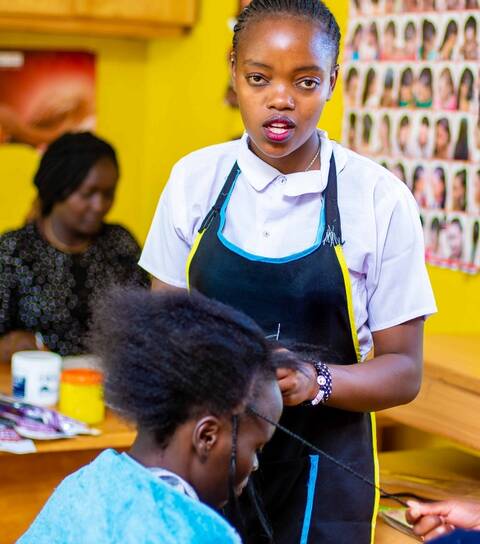
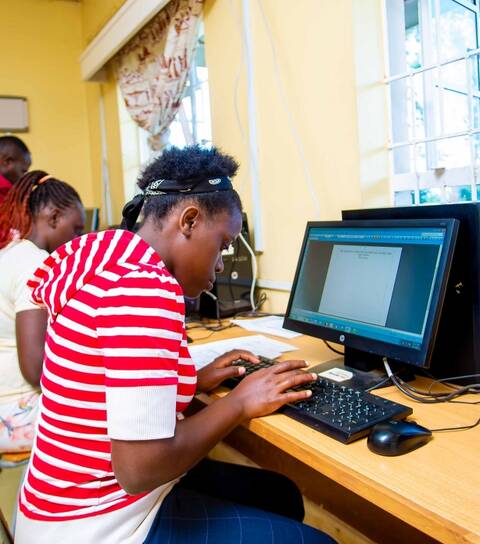
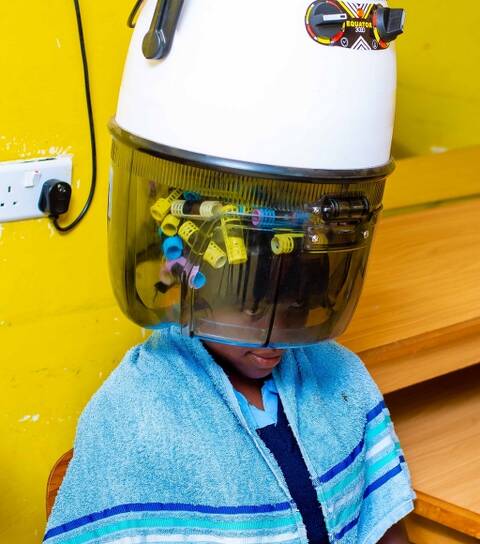
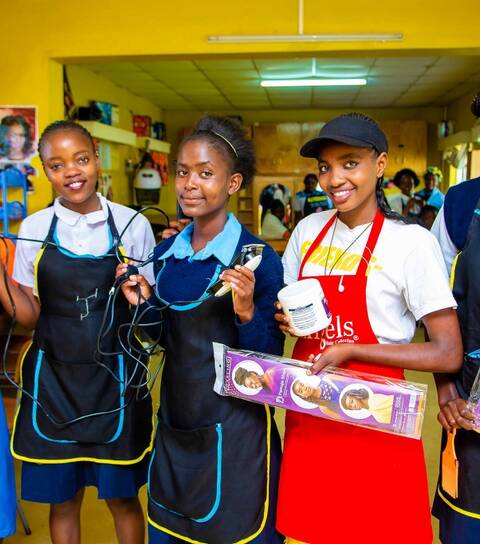
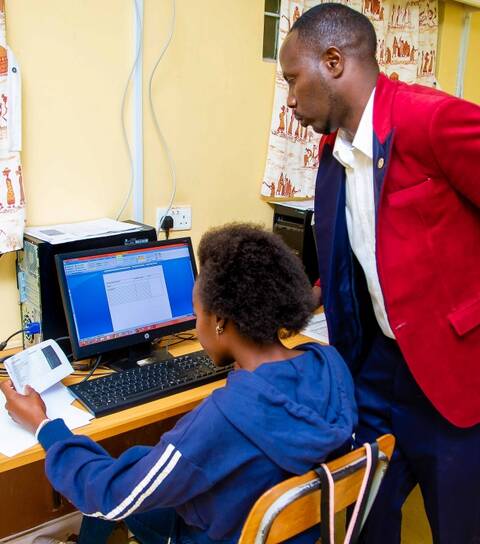
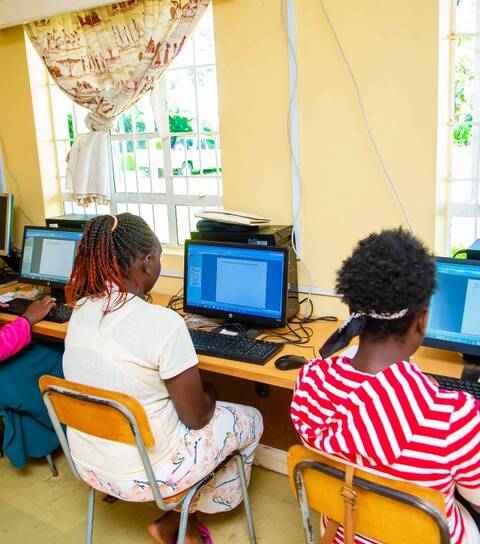
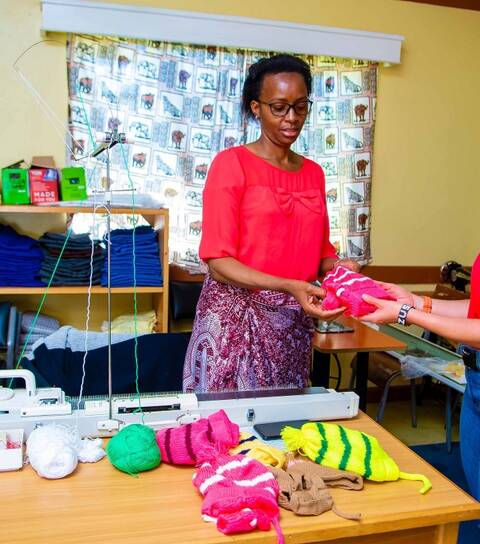
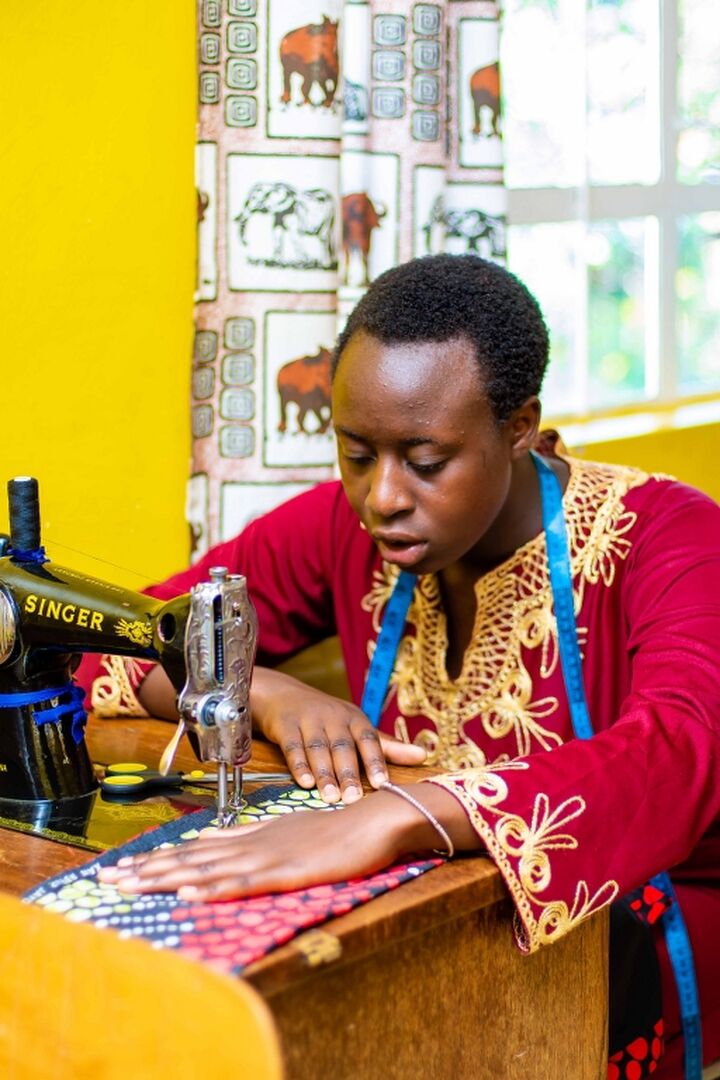
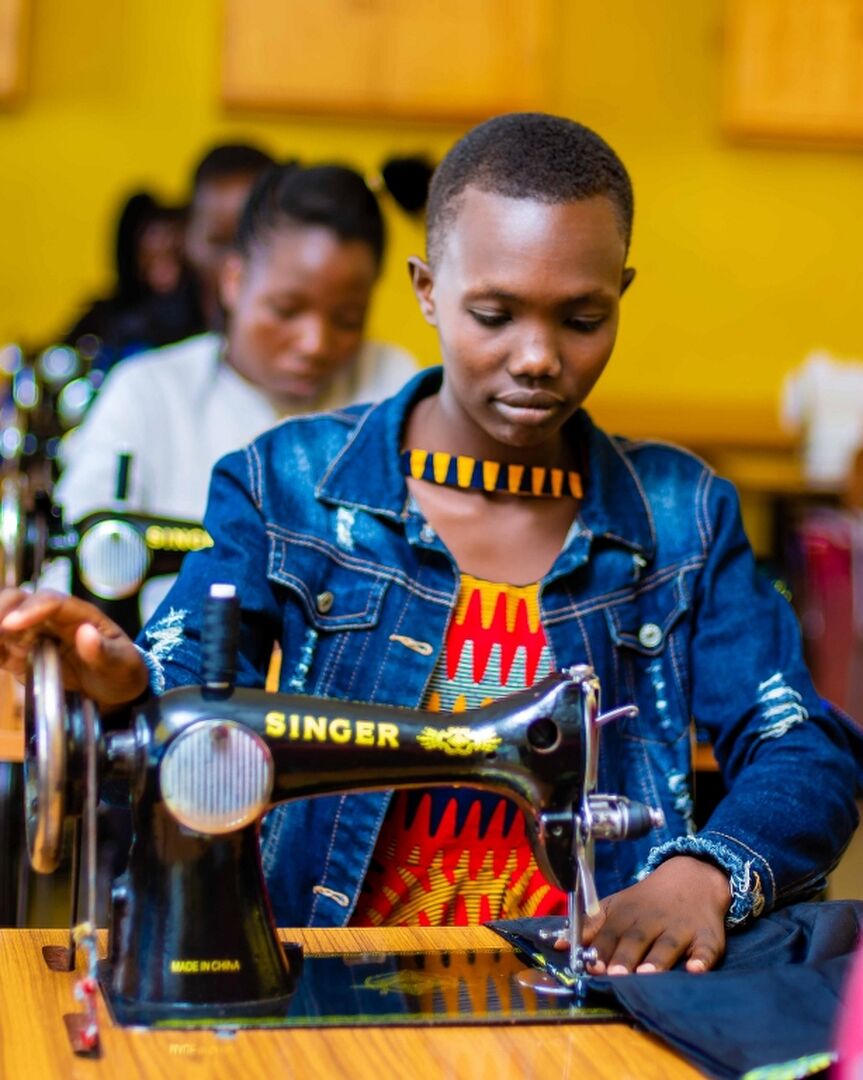
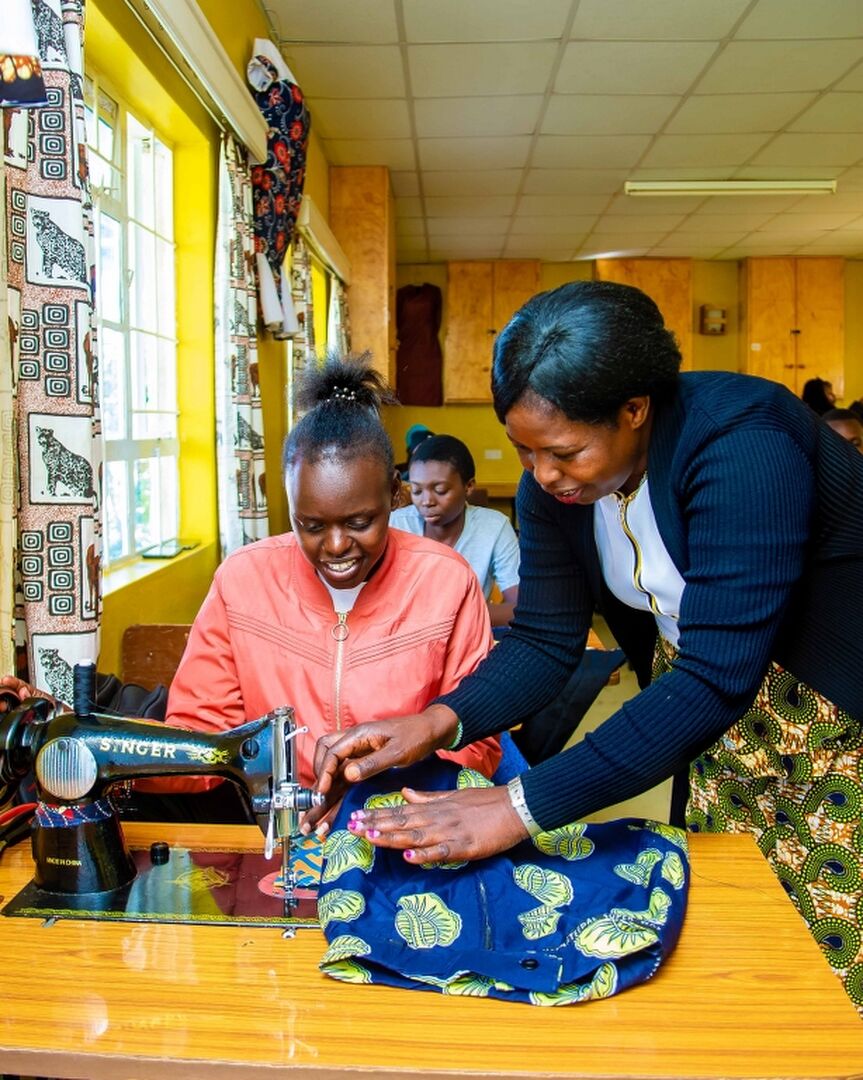
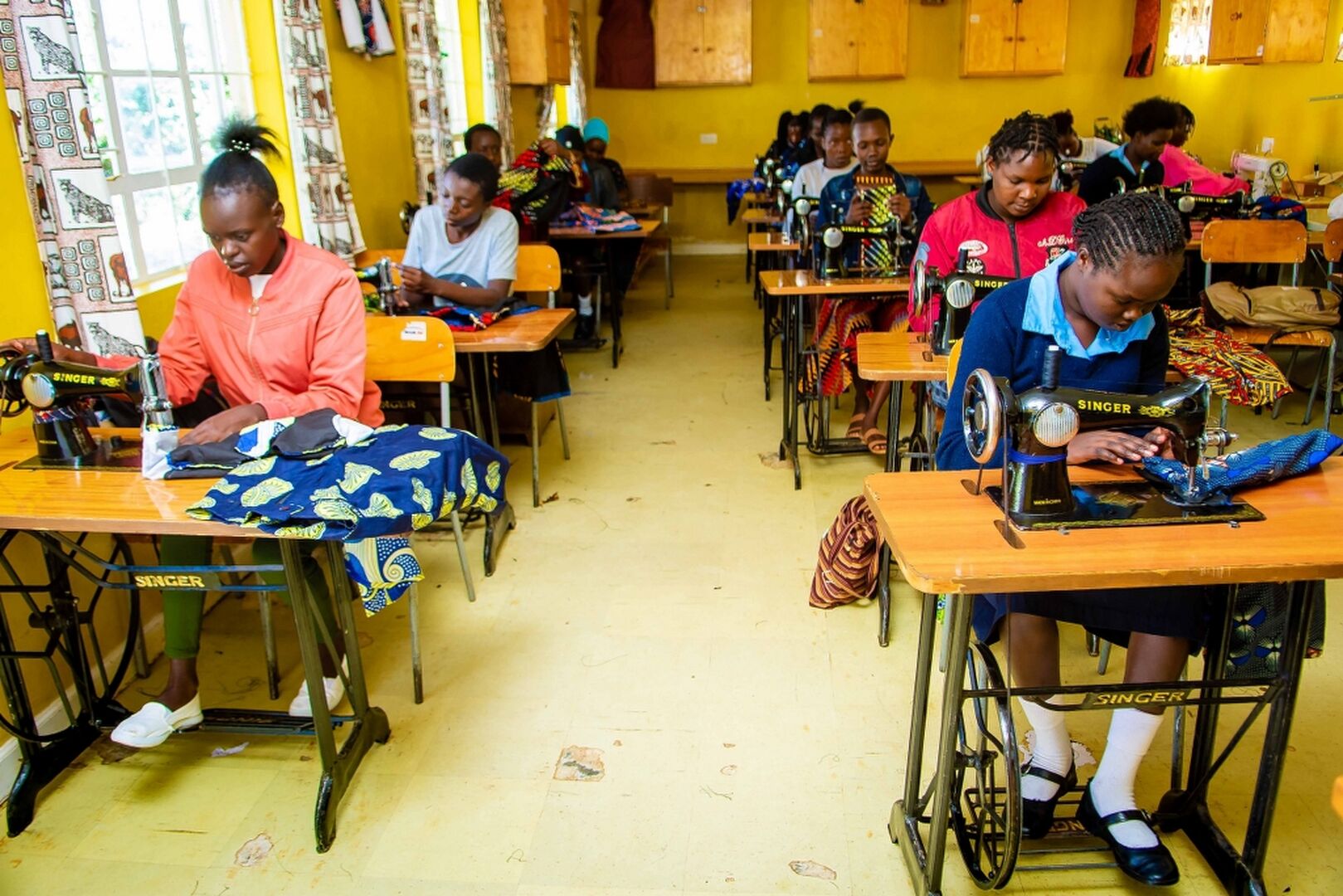
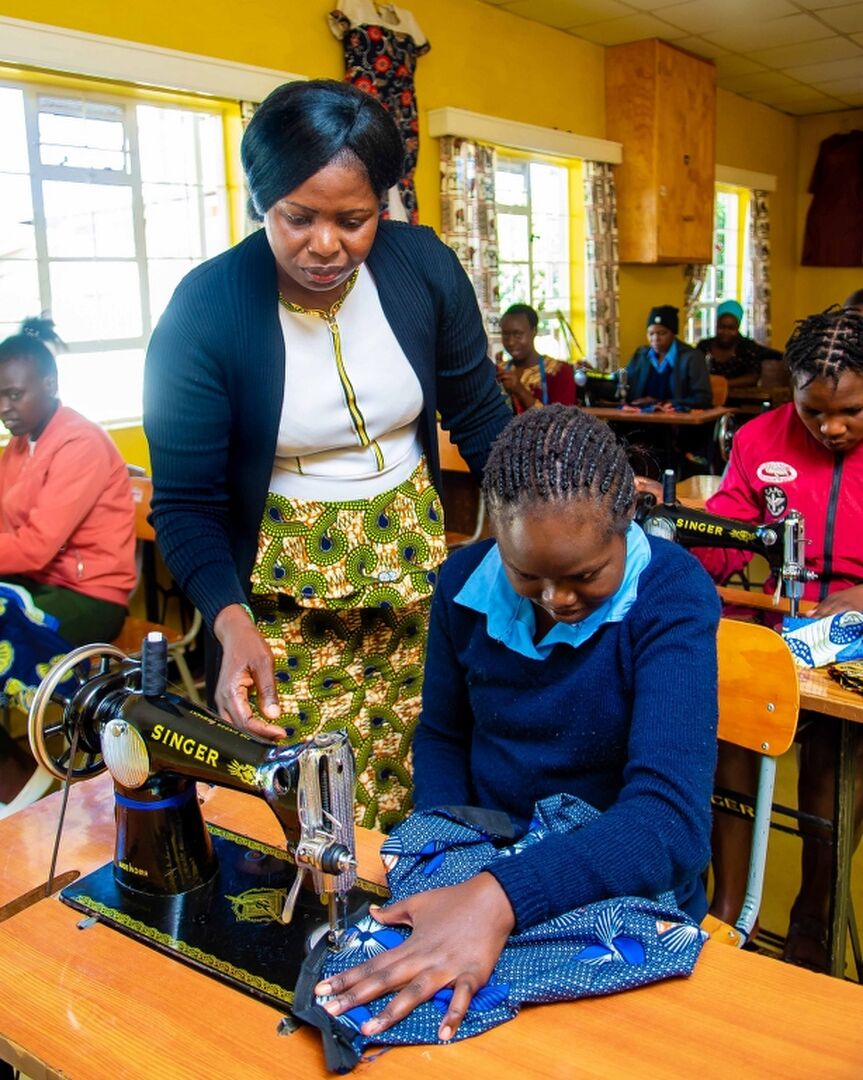
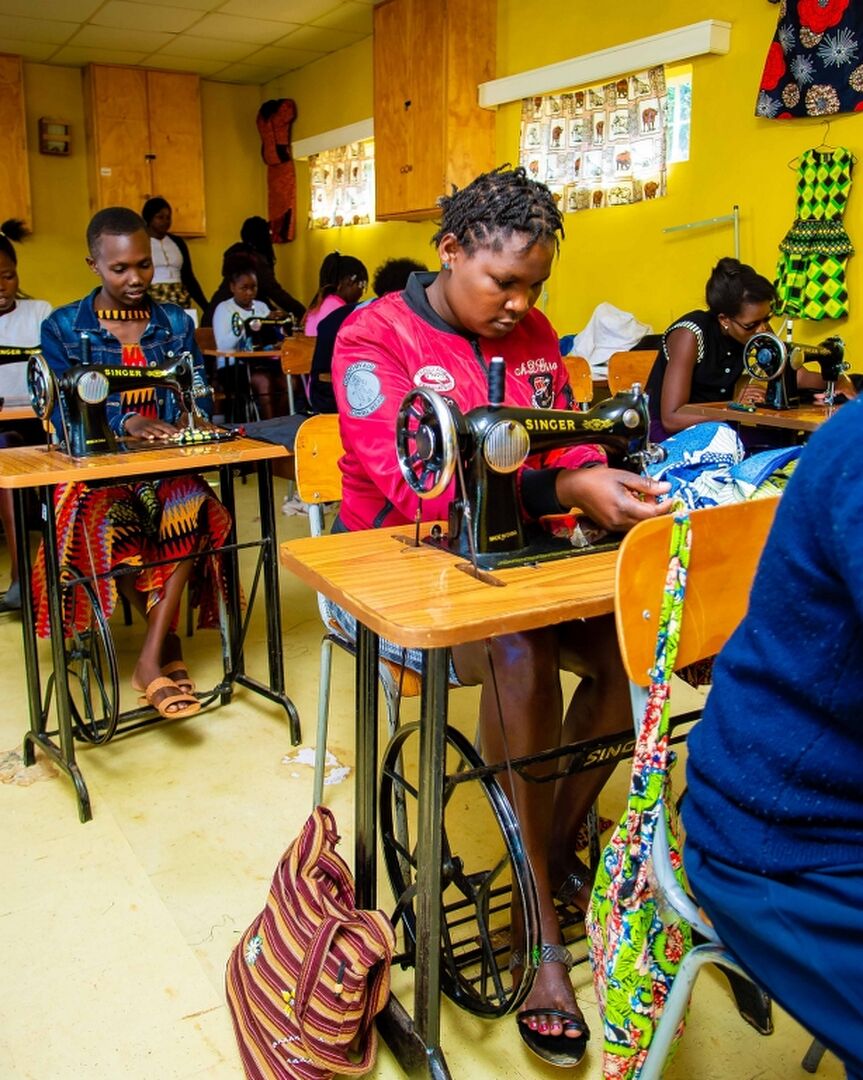
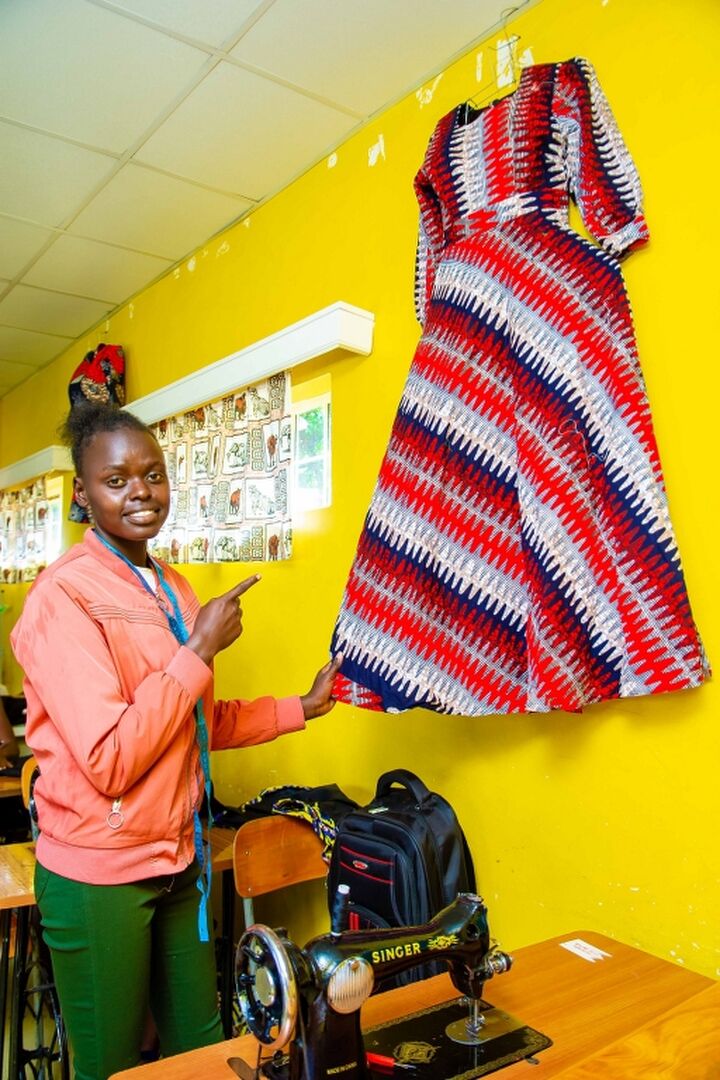
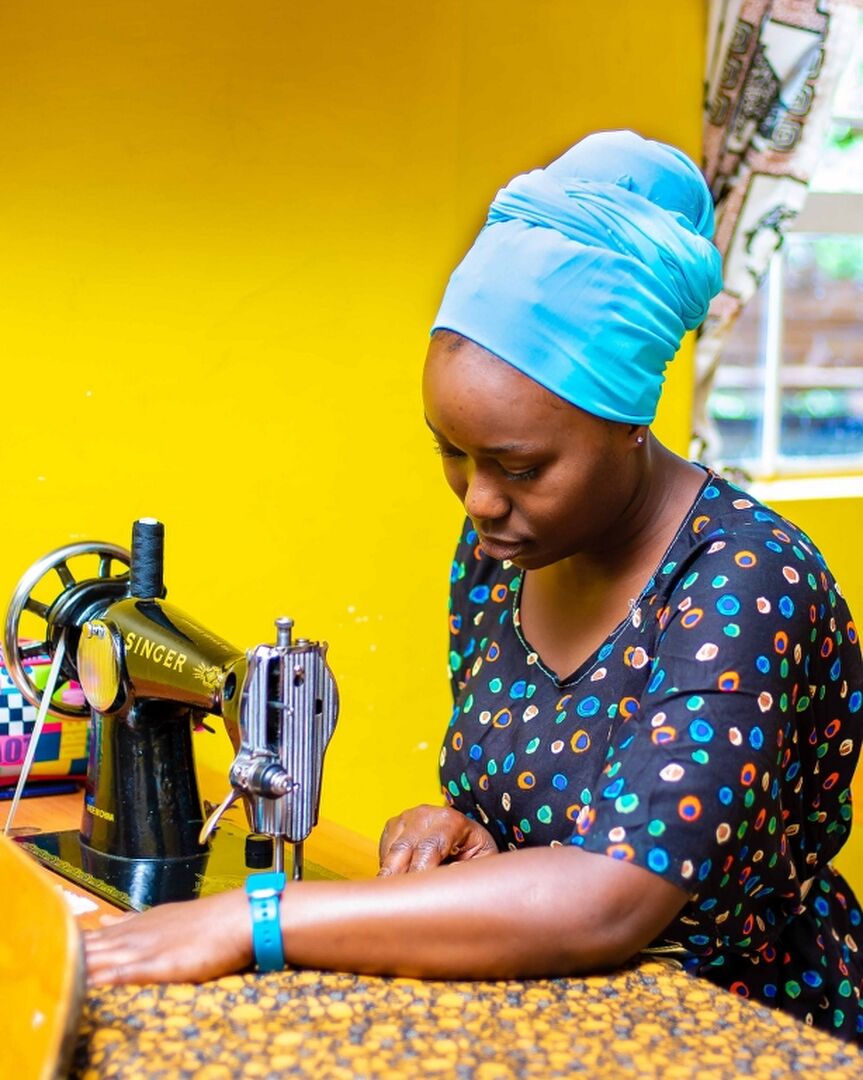
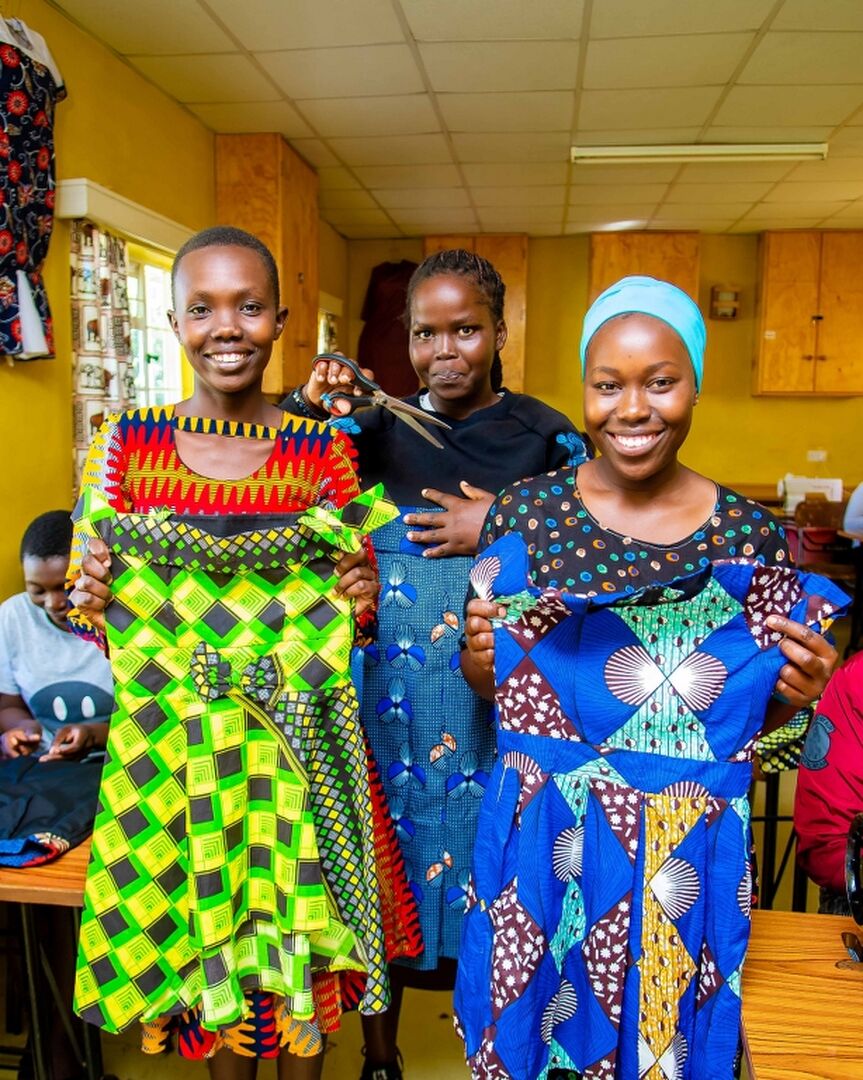
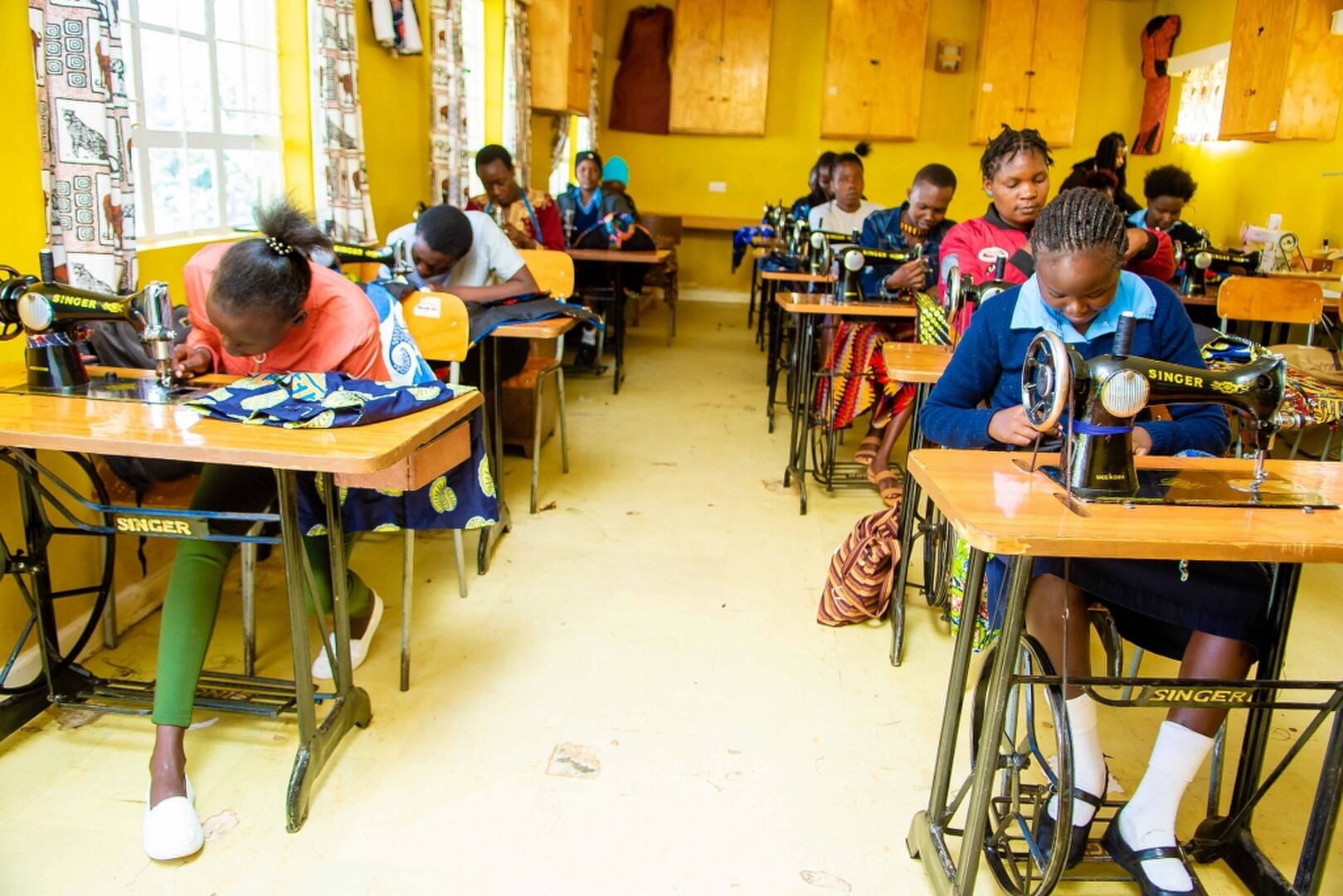
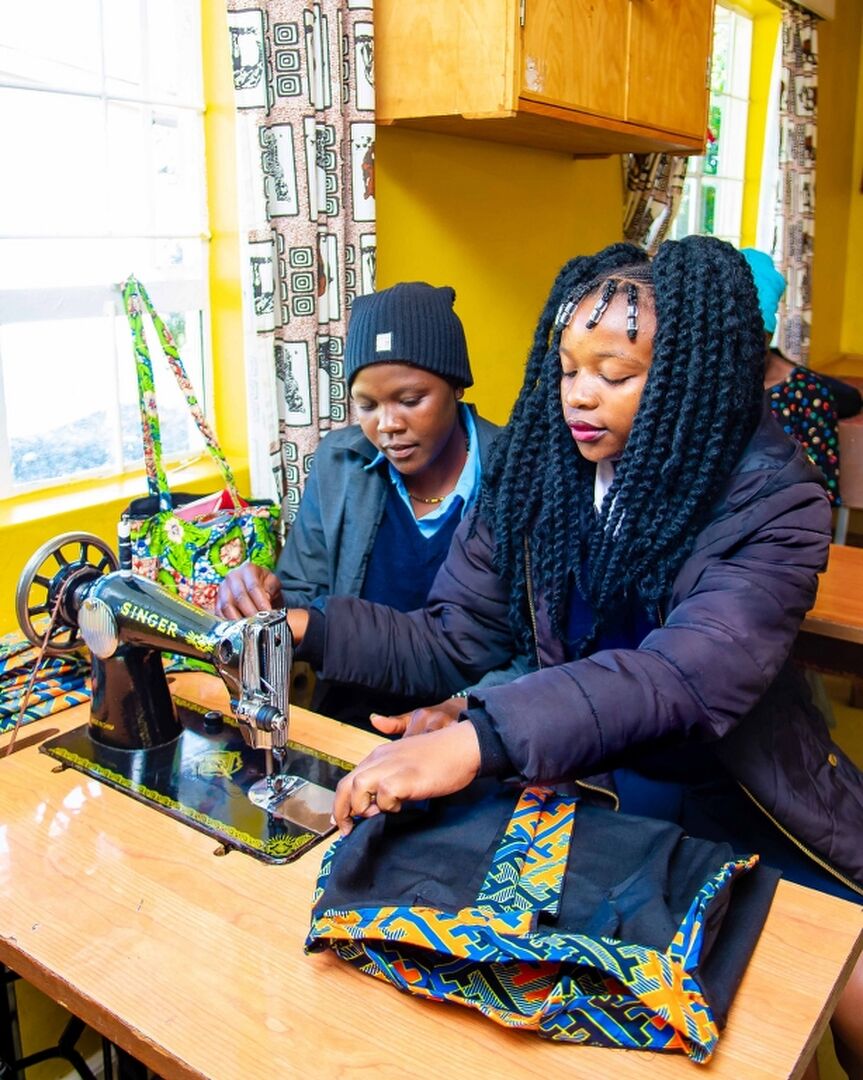
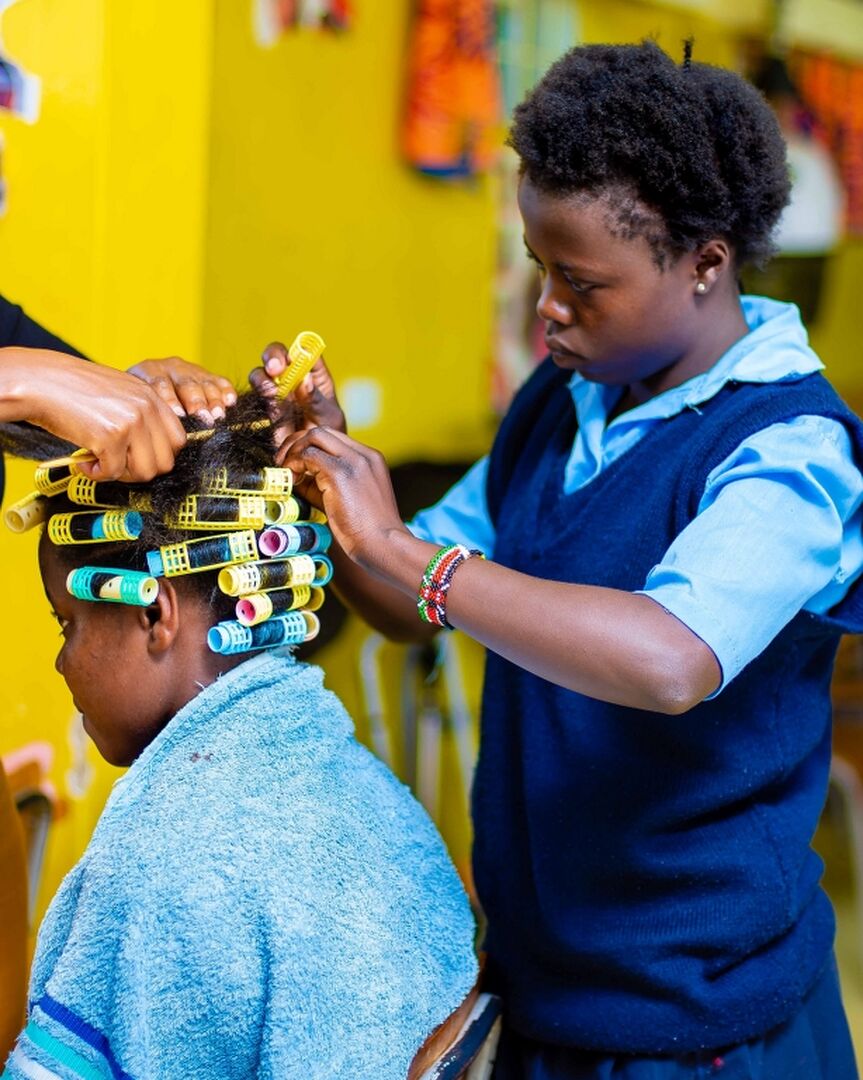
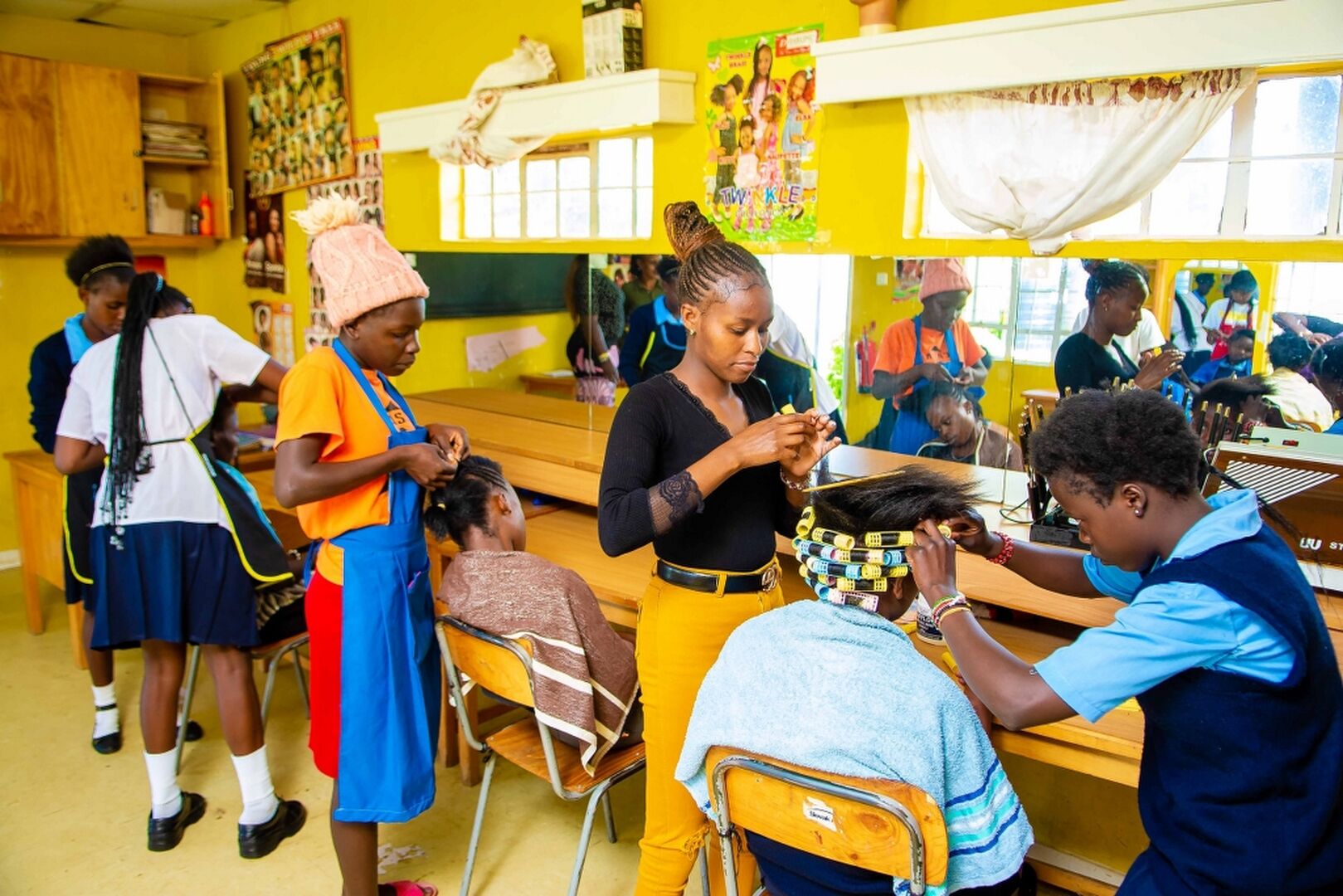
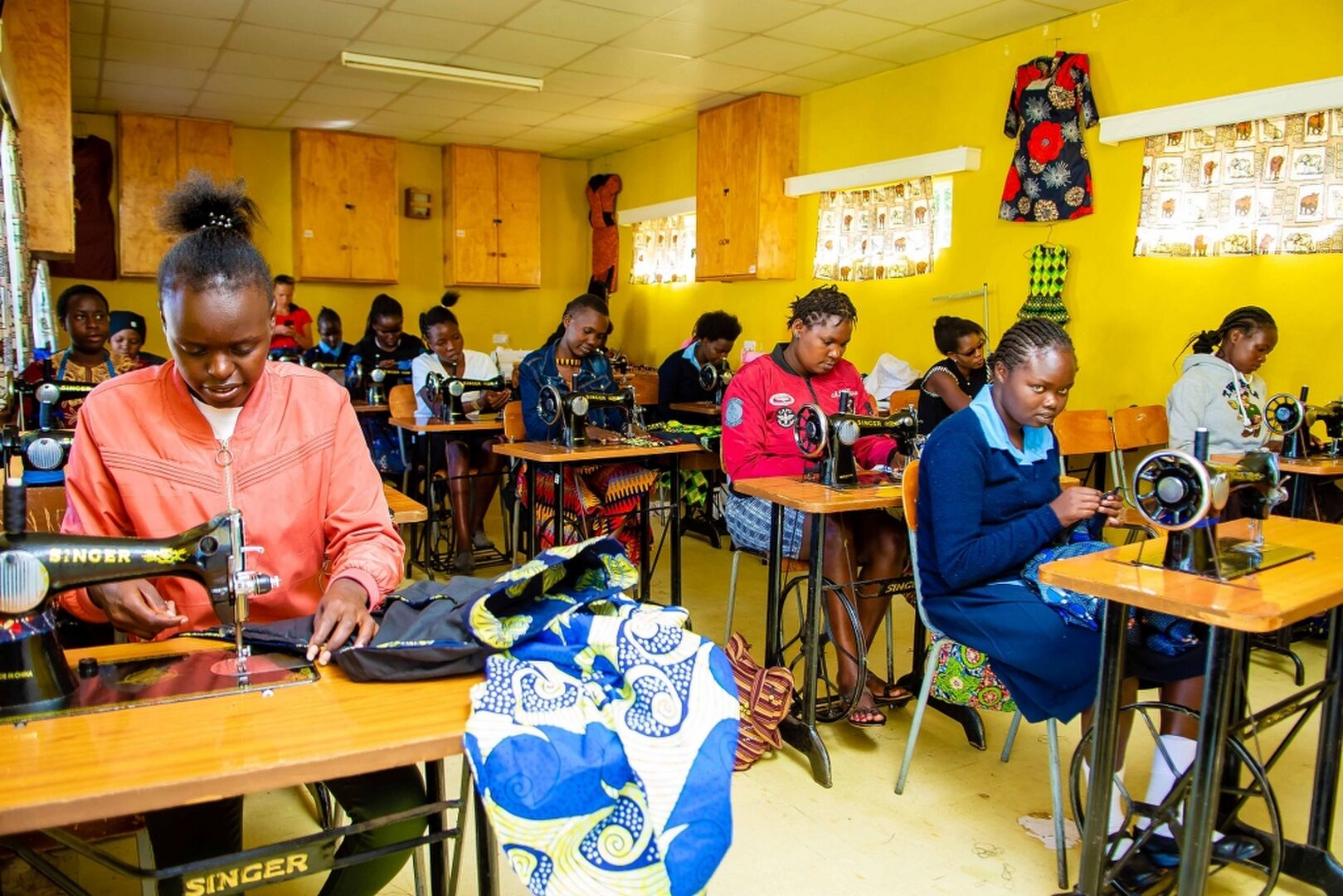
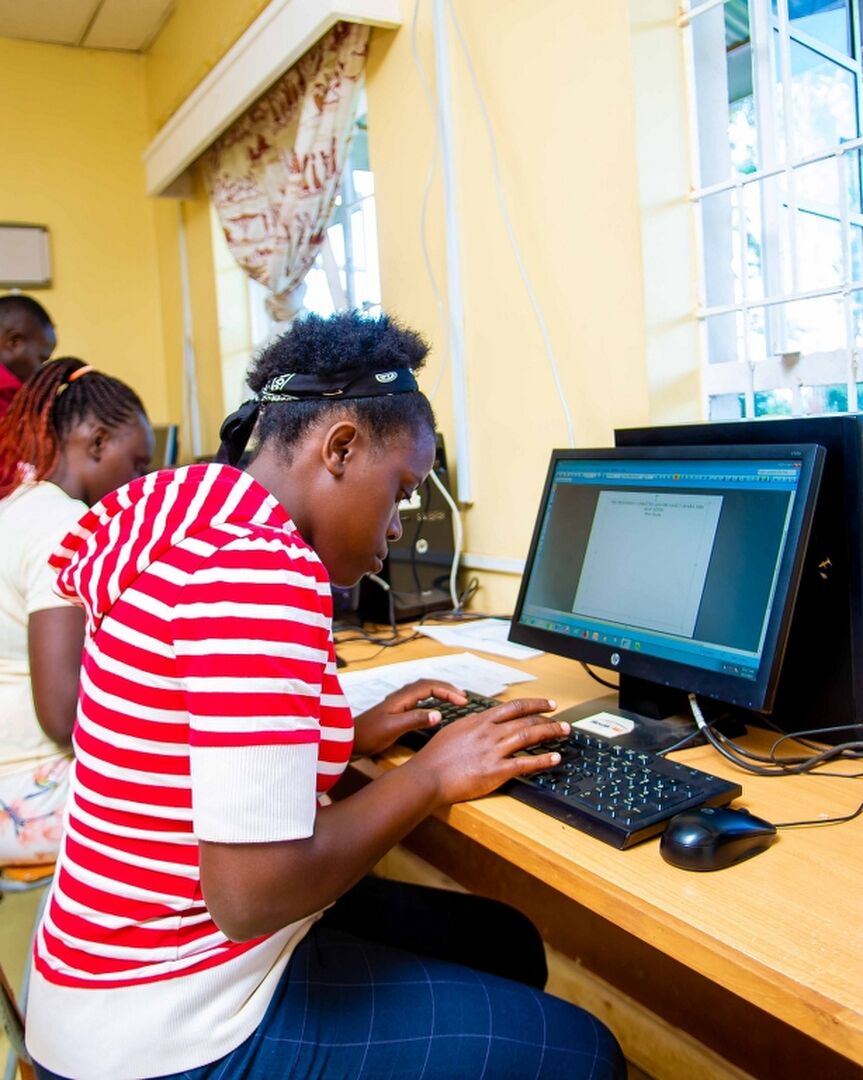
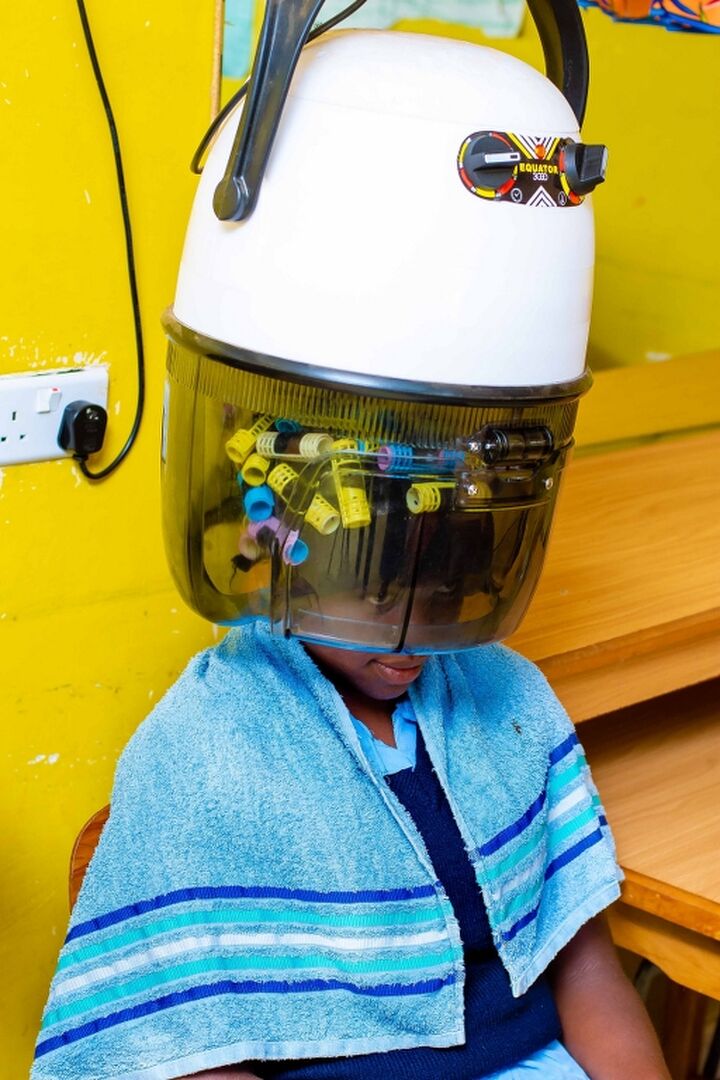
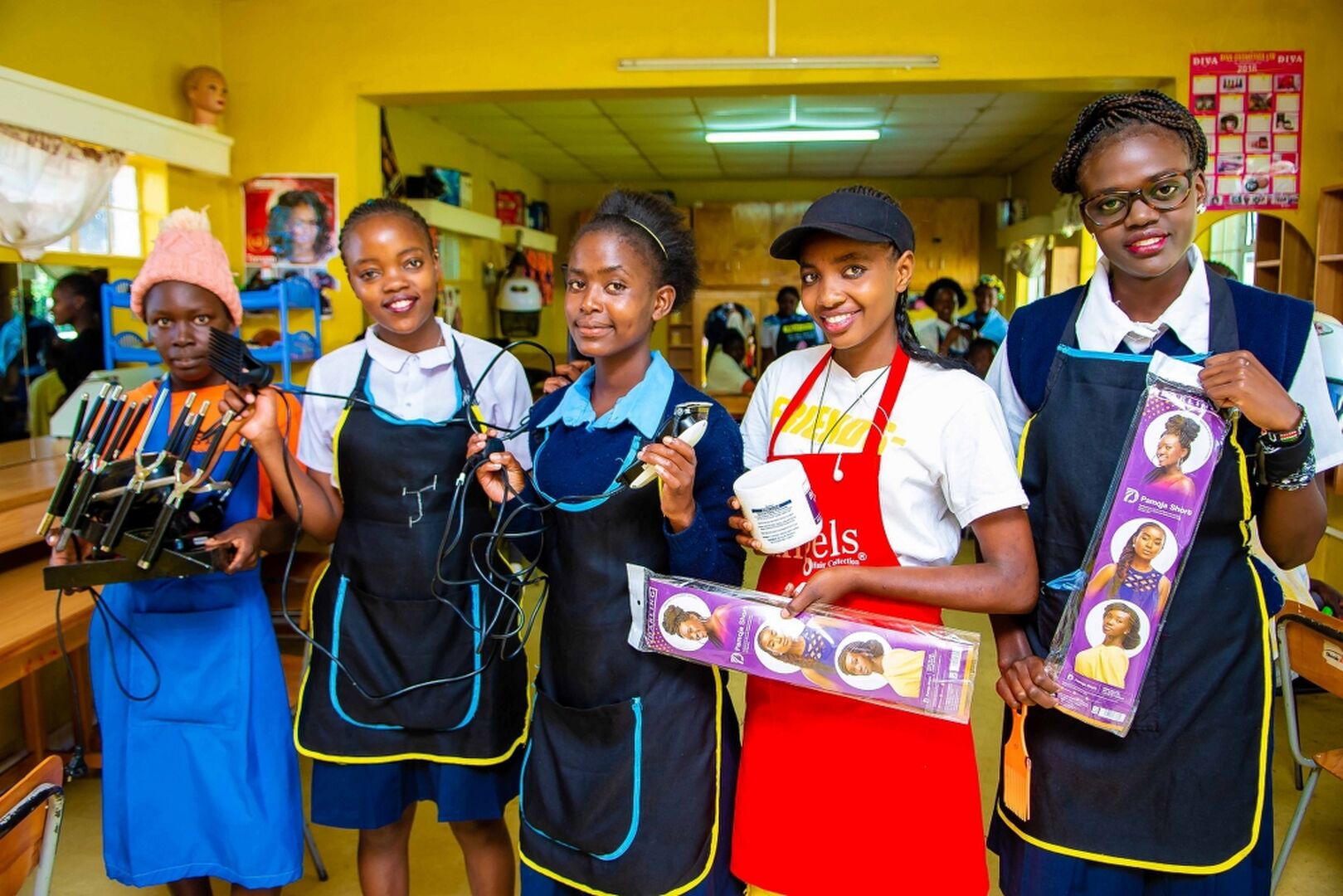
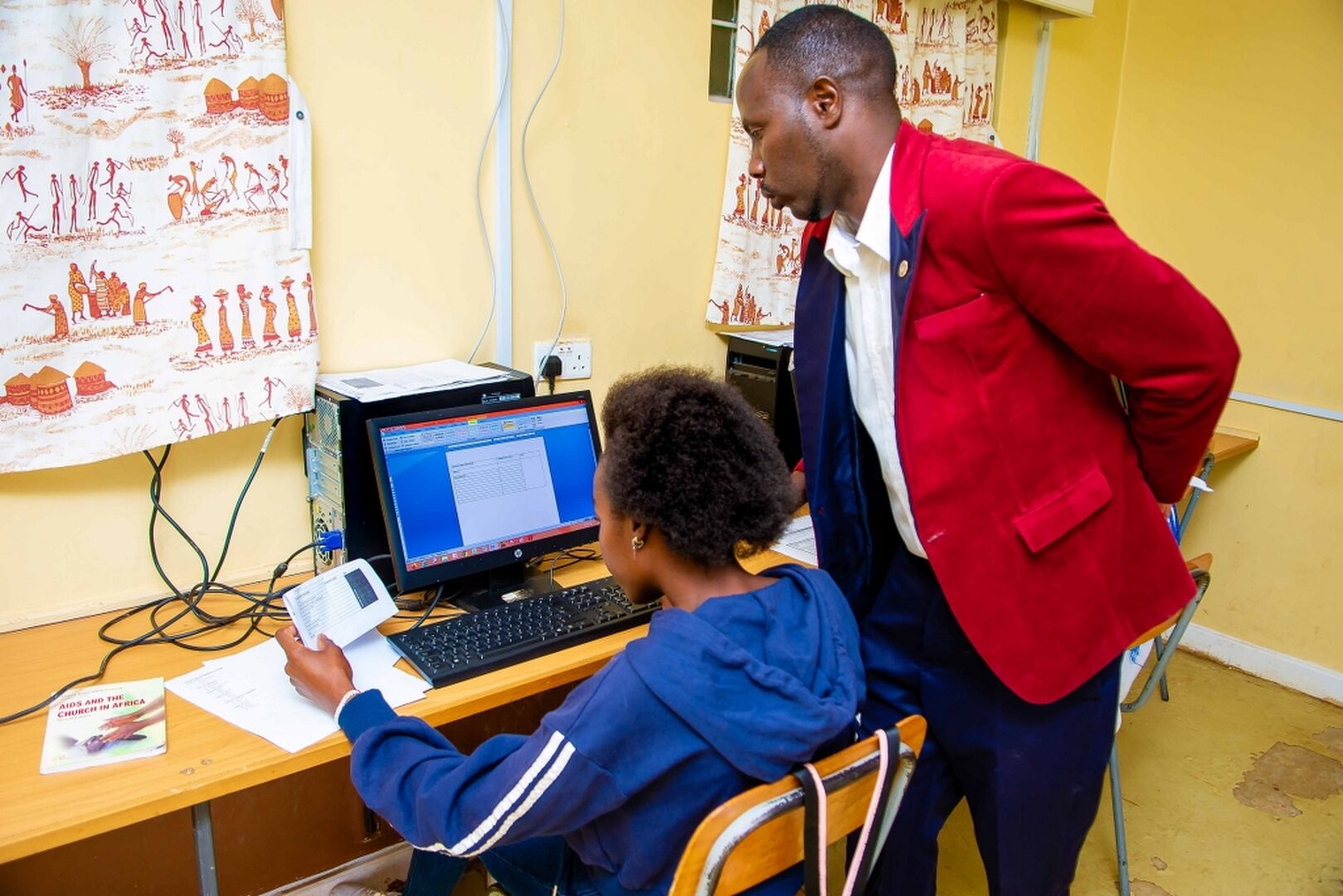
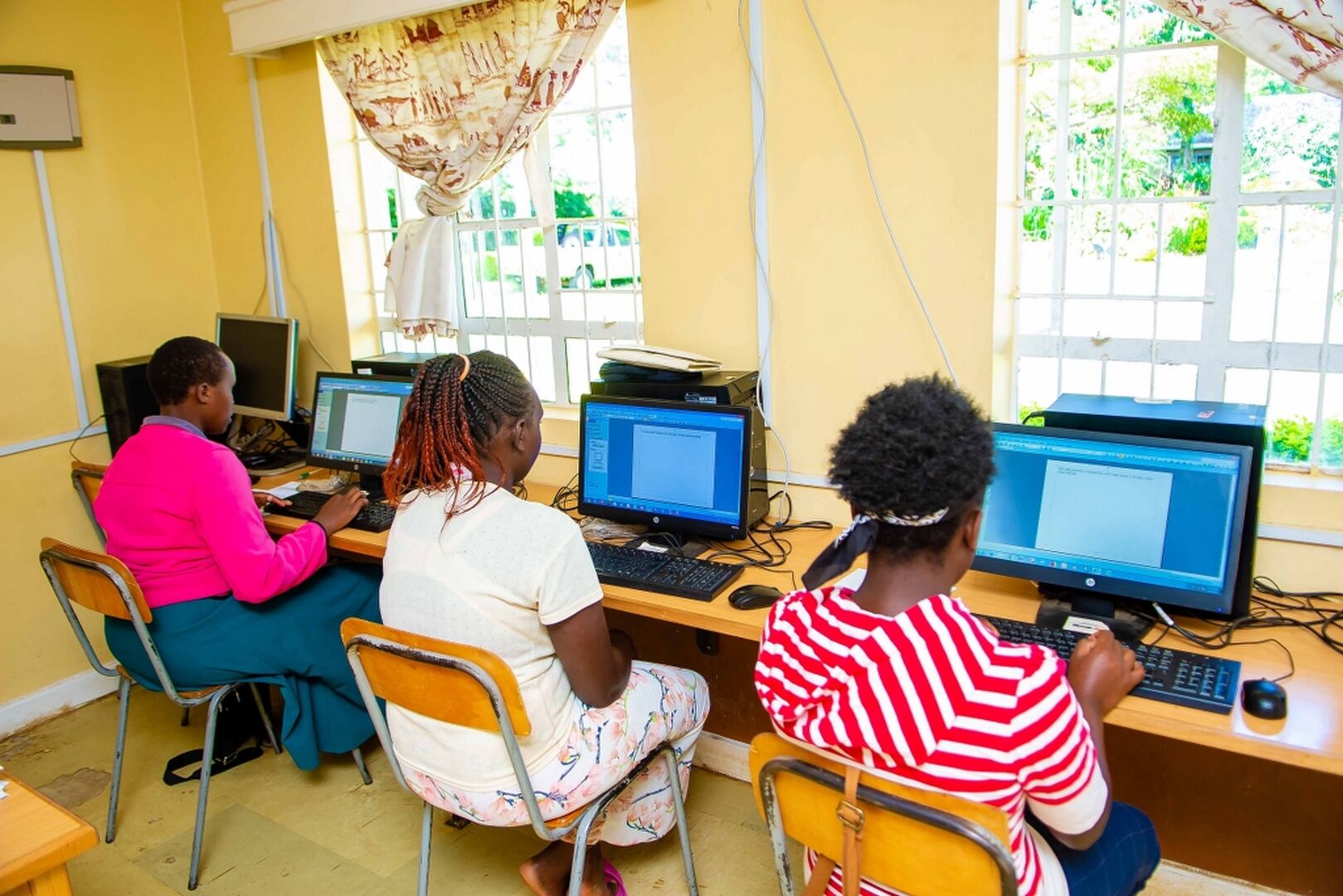
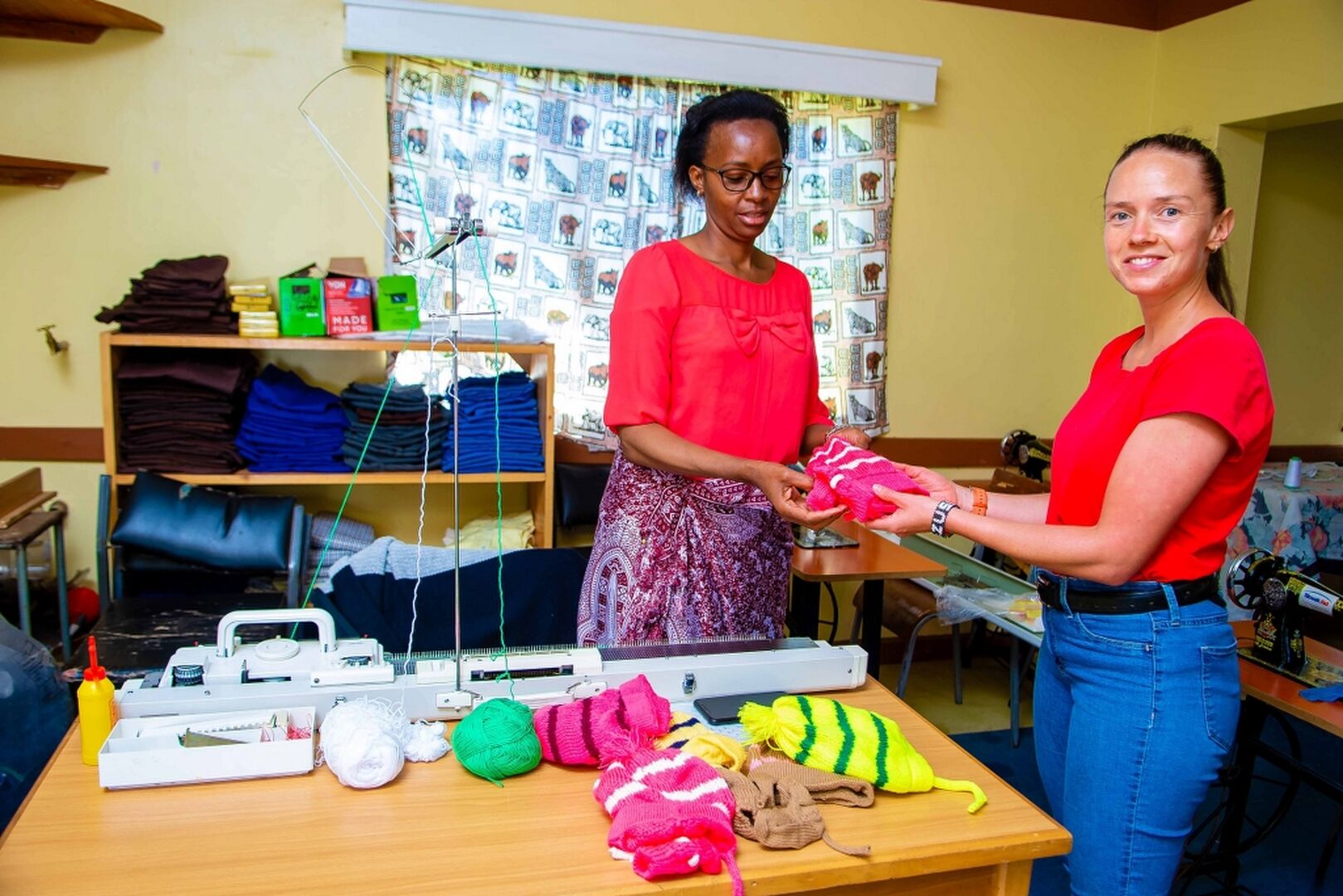
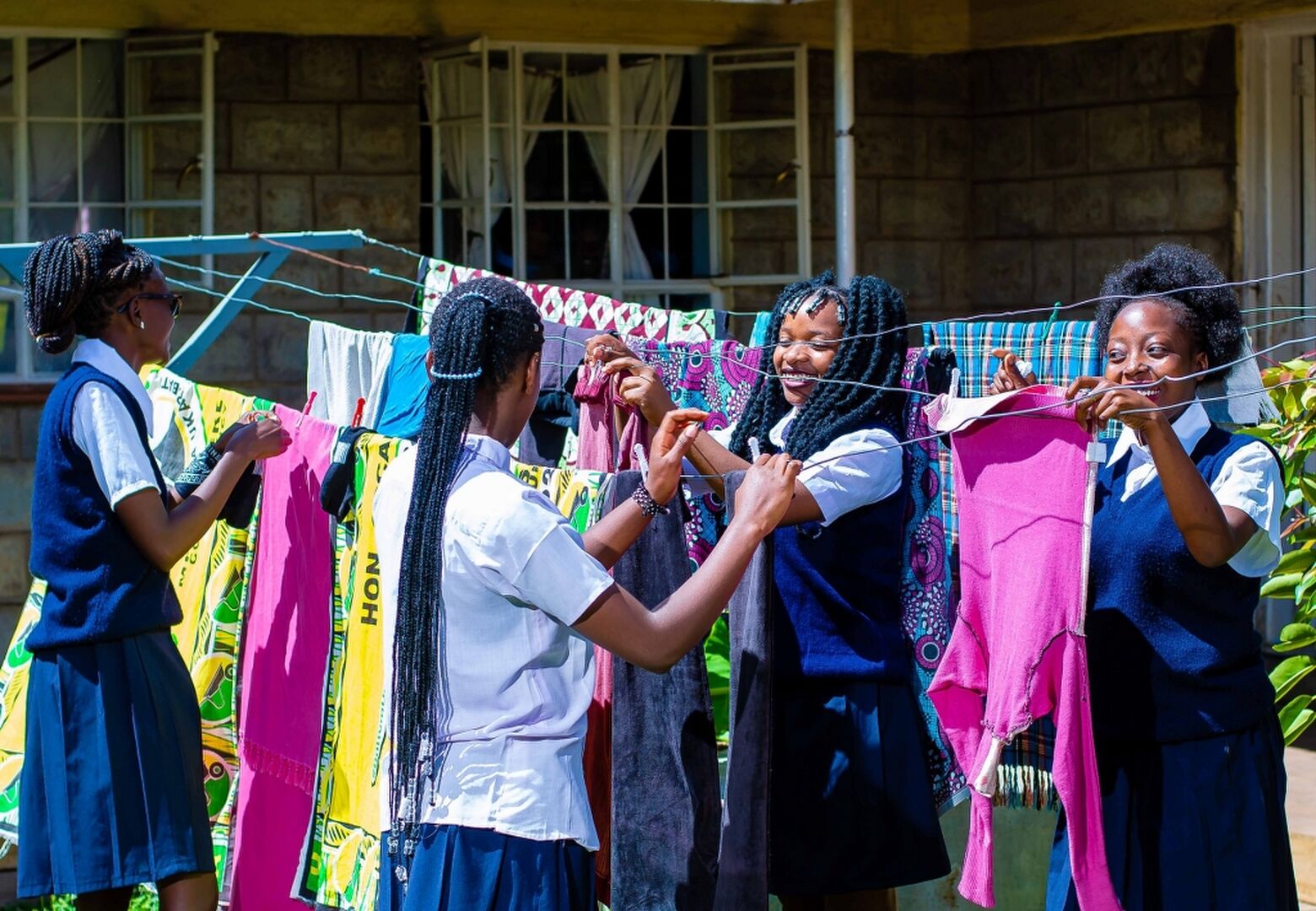
Over the past 15 years, approximately 2,200 girls and women have received vocational training in fields such as tailoring, hairdressing, catering, and knitting. In addition to technical skills, participants are equipped with essential life skills, including entrepreneurship, personal development, social studies, and digital literacy.
Over the years, and thanks to the support of St. Elizabeth University of Health and Social Work and the Dvojfarebný svet (Two-Coloured World) Civic Association, St. Bakhita has grown into the nationally accredited educational institution it is today. It continues to provide opportunities for vulnerable girls and women to gain education, build self-confidence, and create sustainable futures for themselves and their families.
St. Bakhita House of Hope focuses on vocational education and skills development for the most vulnerable girls and women in Langas, Eldoret, and the surrounding communities.
The institution’s primary objective is to equip these girls and women with practical and marketable skills that enable them to secure employment or engage in self-employment and entrepreneurship. Youth unemployment, particularly among girls and young women, remains one of the major challenges facing Kenya. While limited employment opportunities contribute to this problem, the lack of relevant vocational skills is often an equally significant barrier.
As the institution continues to grow, we are exploring new opportunities to increase our impact through high-quality technical and vocational education. Our programmes increasingly reach women and girls from disadvantaged backgrounds, including those living with physical disabilities. Gender equality is a core element of our mission, as we actively promote the rights and empowerment of women and girls. This commitment represents both a contribution to human rights and an important foundation for long-term social sustainability.
In 2021, we achieved another significant milestone when the institution was officially registered with TVETA (Technical and Vocational Education and Training Authority). This accreditation allows us to provide NITA Grade III certification through the National Industrial Training Authority (NITA). As a result, our graduates are more competitive in the labour market and have access to a wider range of employment opportunities. The certification also enables them to continue their education and advance within their chosen vocational fields.
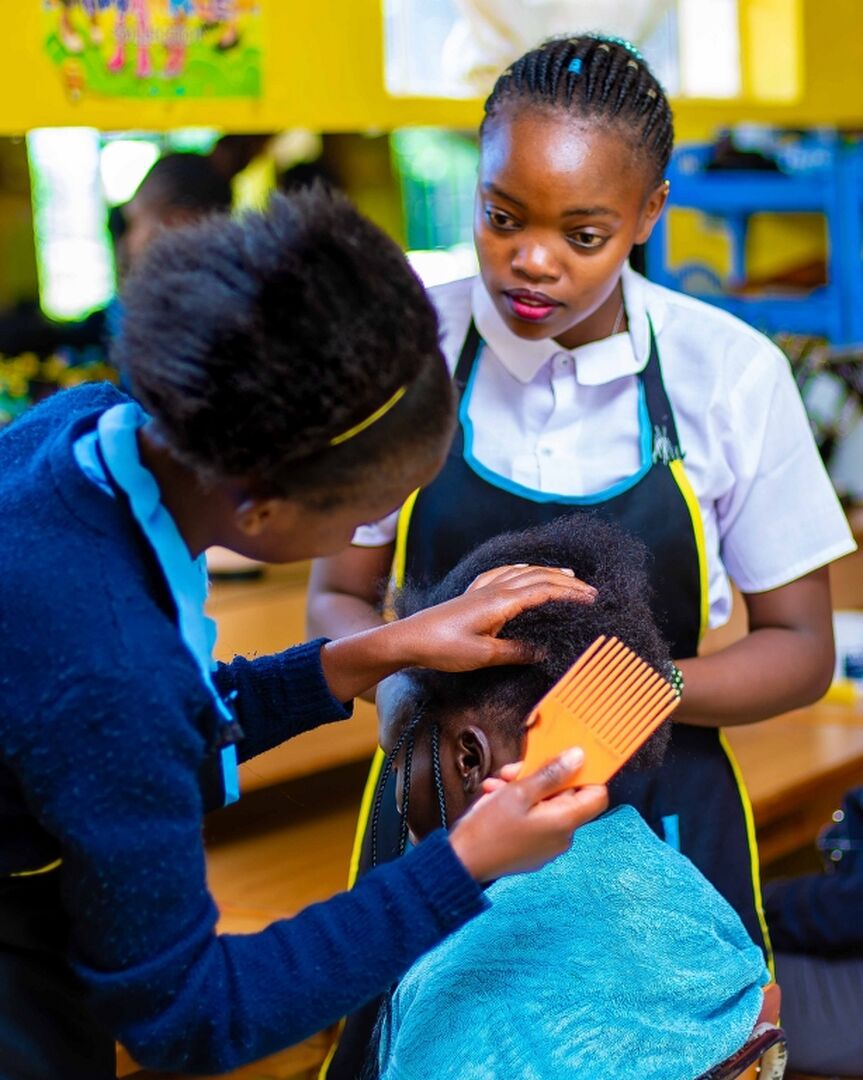
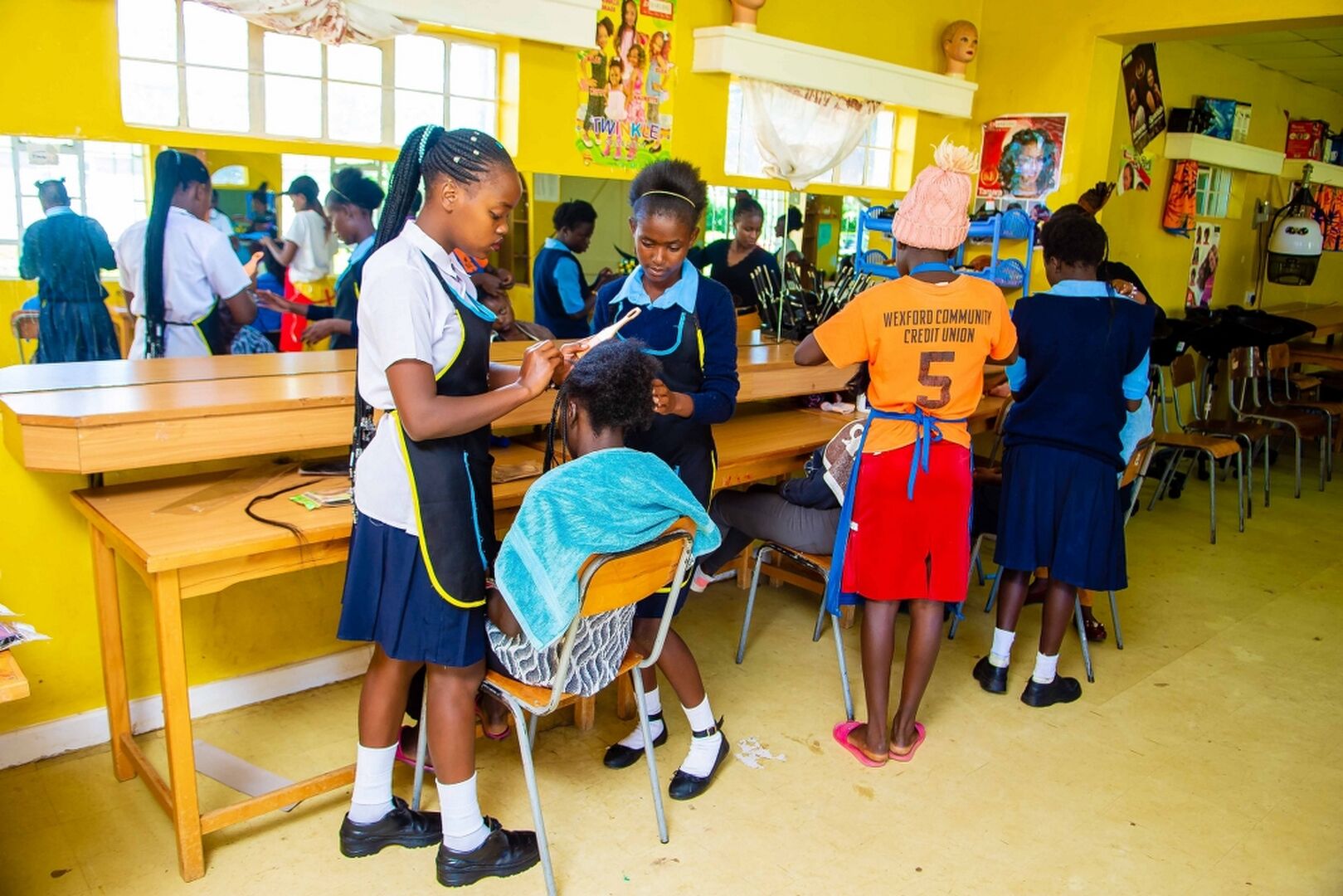
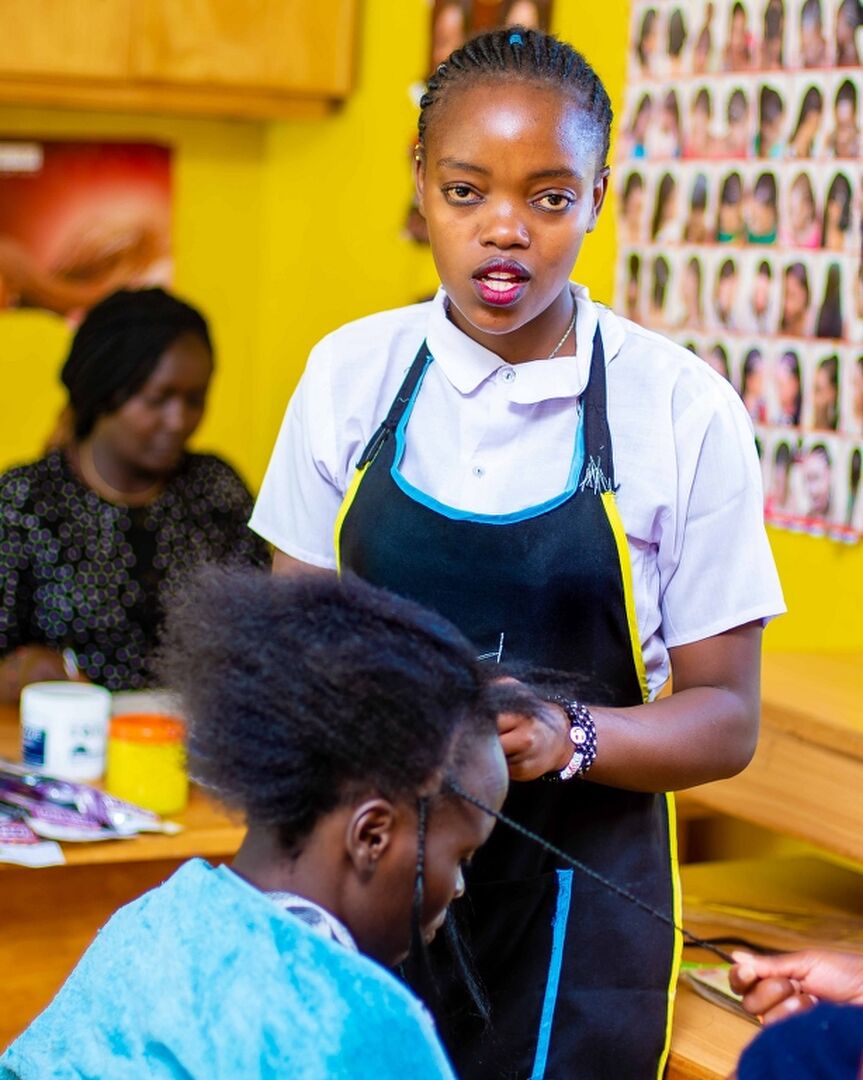
Each year, approximately 40 students graduate from our tailoring and hairdressing programmes, while around 100 participants complete our one-month computer literacy course.
At St. Bakhita House of Hope Vocational Training Centre, we envision a society in which women and girls are economically self-reliant, socially empowered, and actively engaged in building stronger communities and brighter futures.
The establishment of St. Bakhita House of Hope was made possible through the initiative of the Slovak priest Martin Cingel, who has served in Kenya for many years and has extensive experience working with local communities. He drew attention to the growing problem of “girls on the streets,” an issue that at the time was largely overlooked by local authorities and institutions.
Recognising the urgent need for action, he approached Professor Krčméry with the idea of creating a rescue centre for vulnerable girls. Together with Slovak social worker Iveta Gagová, he helped establish a safe and supportive environment for girls facing the most difficult circumstances.
In recent years, Kenya has taken important steps towards promoting gender equality through the adoption of legislation addressing domestic violence and sexual offences, the creation of affirmative funding programmes for women-led businesses, and increased representation of women in public and elected offices. Despite this progress, data published in 2020 by UN Women and the Kenya National Bureau of Statistics (KNBS) indicated that only 29% of women considered themselves empowered.
Progress remains slow due to challenges such as inadequate implementation of legislation, insufficient funding, weak accountability mechanisms, and the persistence of discriminatory and patriarchal social norms, attitudes, and practices.
St. Bakhita House of Hope exists to contribute to the achievement of the United Nations Sustainable Development Goals by helping the most vulnerable girls gain a stronger start in adulthood through education, vocational skills, and personal development. We strive to broaden their opportunities for employment and entrepreneurship while providing them with a supportive community they can rely on throughout their lives.
As an institution providing practical and technical education, we focus on empowering girls and women from disadvantaged and vulnerable backgrounds by offering vocational training programmes that equip them with valuable skills for employment and entrepreneurship.
Our courses include:
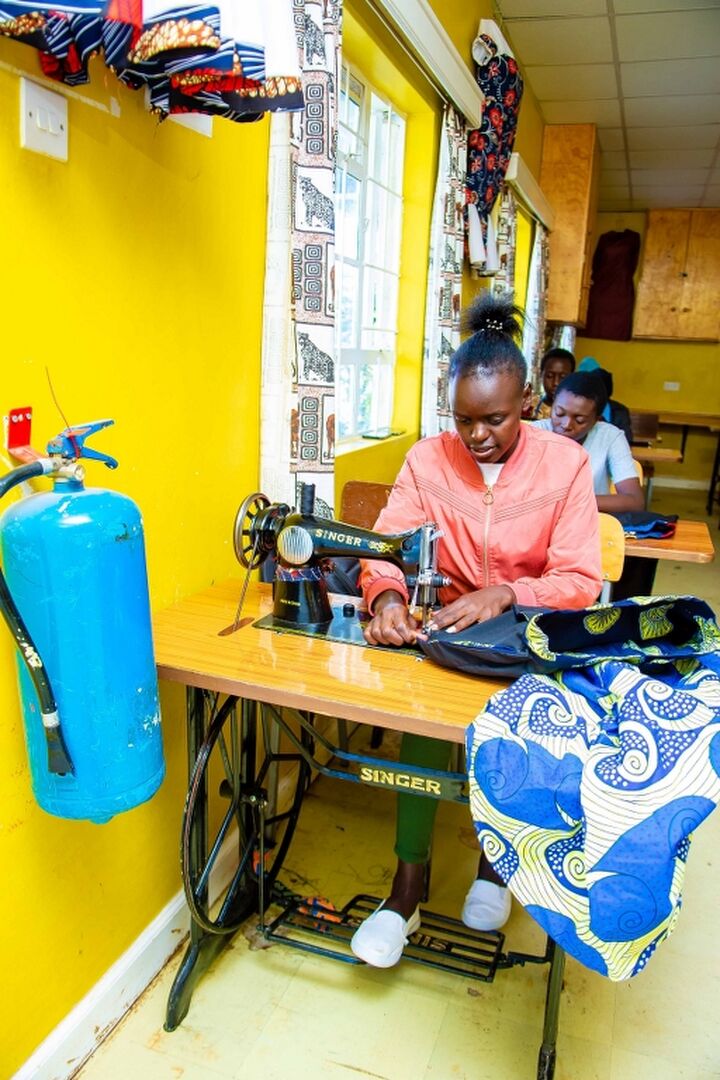
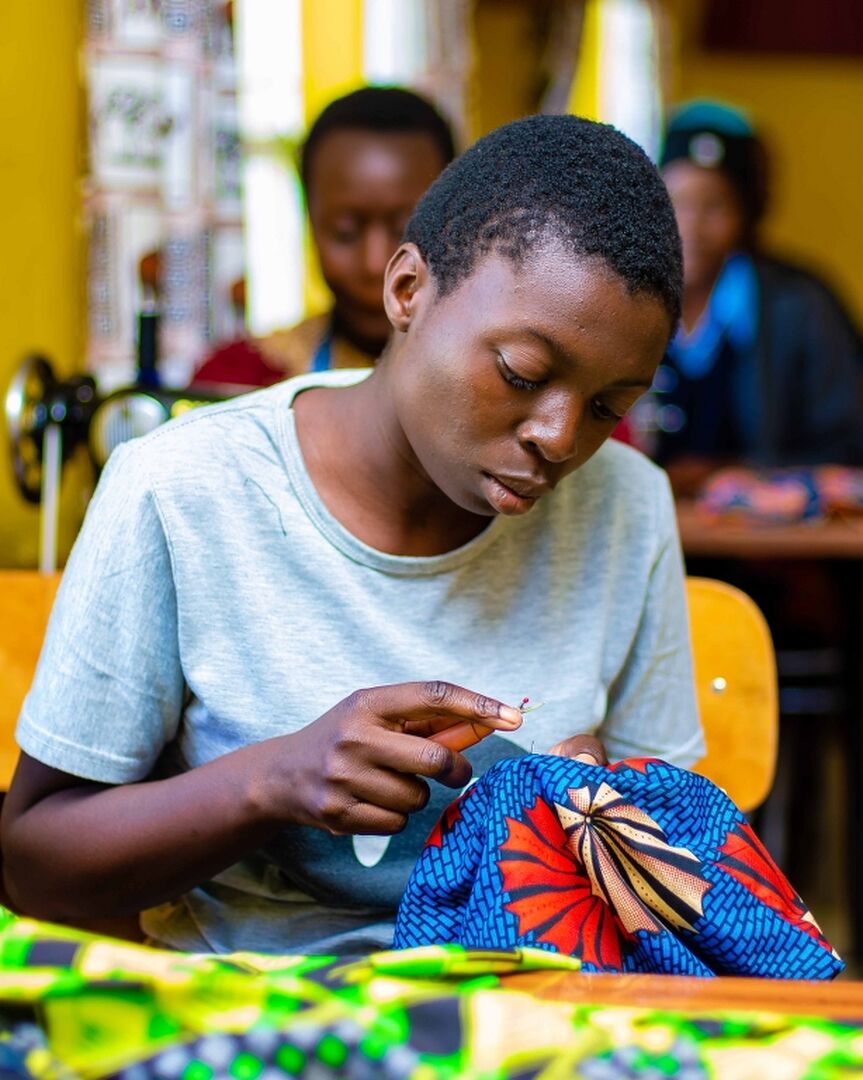
Tailoring and dressmaking;
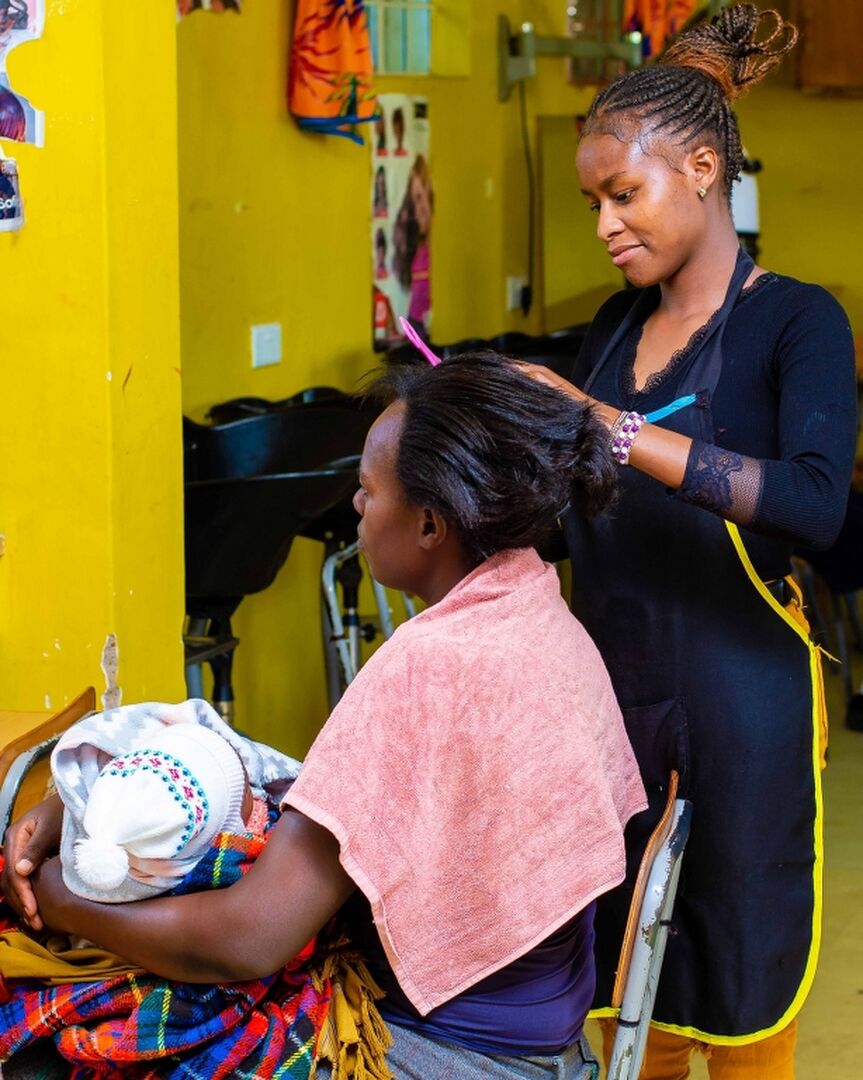
Hairdressing and beauty therapy;
Social studies and personal development;
Basic mathematics and English language skills;
Computer and digital literacy training;
Entrepreneurship, career development, and small business management.
At the same time, we create an inclusive environment where women and girls from diverse ethnic, social, and economically disadvantaged backgrounds can learn, grow, and support one another.
Our goal is not only to improve their prospects for meaningful employment but also to enable them to become job creators themselves through small businesses such as hair salons, tailoring workshops, and other entrepreneurial ventures.
Ultimately, we aspire to be an educational institution where the hopes, aspirations, and dreams of women and girls are nurtured, encouraged, and empowered to flourish.
Our students complete an intensive 11-month training programme in preparation for the National Industrial Training Authority (NITA) Grade III examination, which is held annually in December. St. Bakhita House of Hope delivers high-quality vocational education built on more than thirteen years of experience and made possible through the generous and unwavering support of our sponsors and partners.
At St. Bakhita House of Hope, we firmly believe that access to quality education should be available to everyone, regardless of ability, economic background, gender, or ethnic origin. We are committed to ensuring that every student has the opportunity to develop their talents, realise their potential, and build a brighter future for themselves, their families, and their communities.
Through vocational education, skills development, and the empowerment of vulnerable girls and women, St. Bakhita House of Hope contributes to building more inclusive, equitable, and sustainable communities in Kenya.