Ha Buasono, a picturesque village in the heart of Lesotho, is located near the capital city of Maseru. It is a place with a rich history closely connected to the ministry of Fr. Fernando Boissinnault (1896–1981). Originally trained as a medical doctor, Fr. Boissinnault arrived in Ha Mabekenyane, where he began his priestly ministry and spent more than twenty-one years serving the local community.
Fr. Fernando Boissinnault was a Canadian missionary who dedicated his life to helping people in Africa. Before becoming a priest, he worked as a physician, and his medical expertise became an invaluable asset to the local population. Upon arriving in Ha Mabekenyane, he immediately devoted himself to improving healthcare services in the area. He established a local dispensary that provided basic medical care and healthcare services not only to the residents of Ha Mabekenyane but also to surrounding communities.
In addition to his medical and pastoral responsibilities, Fr. Boissinnault played a key role in the development of the local community. His presence and activities contributed to the area becoming known as Ha Buasono. Today, the name of the village remains closely associated with his dedication and influence on the local population. He also became widely respected for his tireless efforts in education and community development, earning the admiration of many people throughout Lesotho.
The St. Cecilia Orphanage began with modest ambitions but gradually developed into an essential source of support for vulnerable children in the region.
Father Augustine Pule Mahlaku, a local priest, together with religious sisters serving in the community, noticed that many children in the village were suffering from hunger and lacked access to education. Together, they began providing warm meals and basic school supplies, laying the foundations for what would later become the St. Cecilia Orphanage.
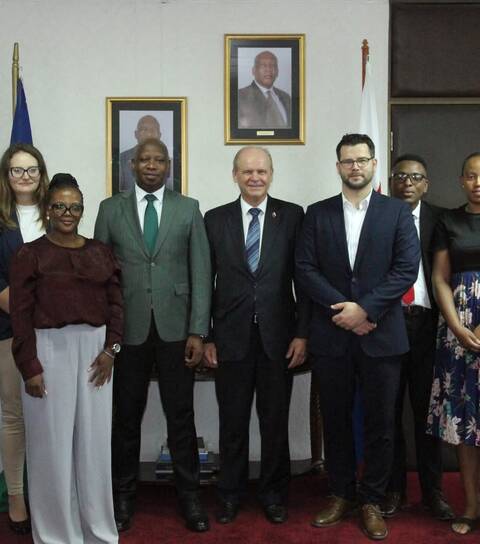
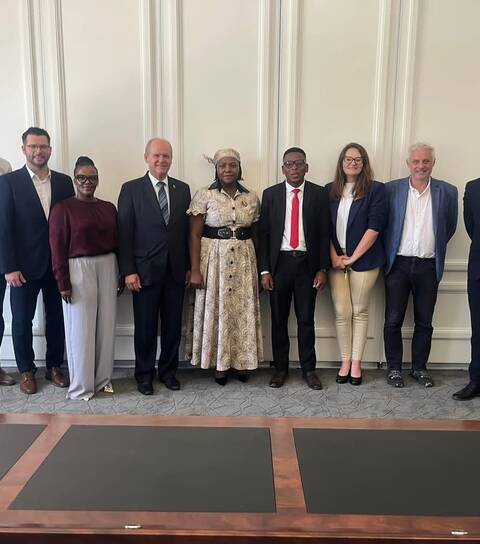
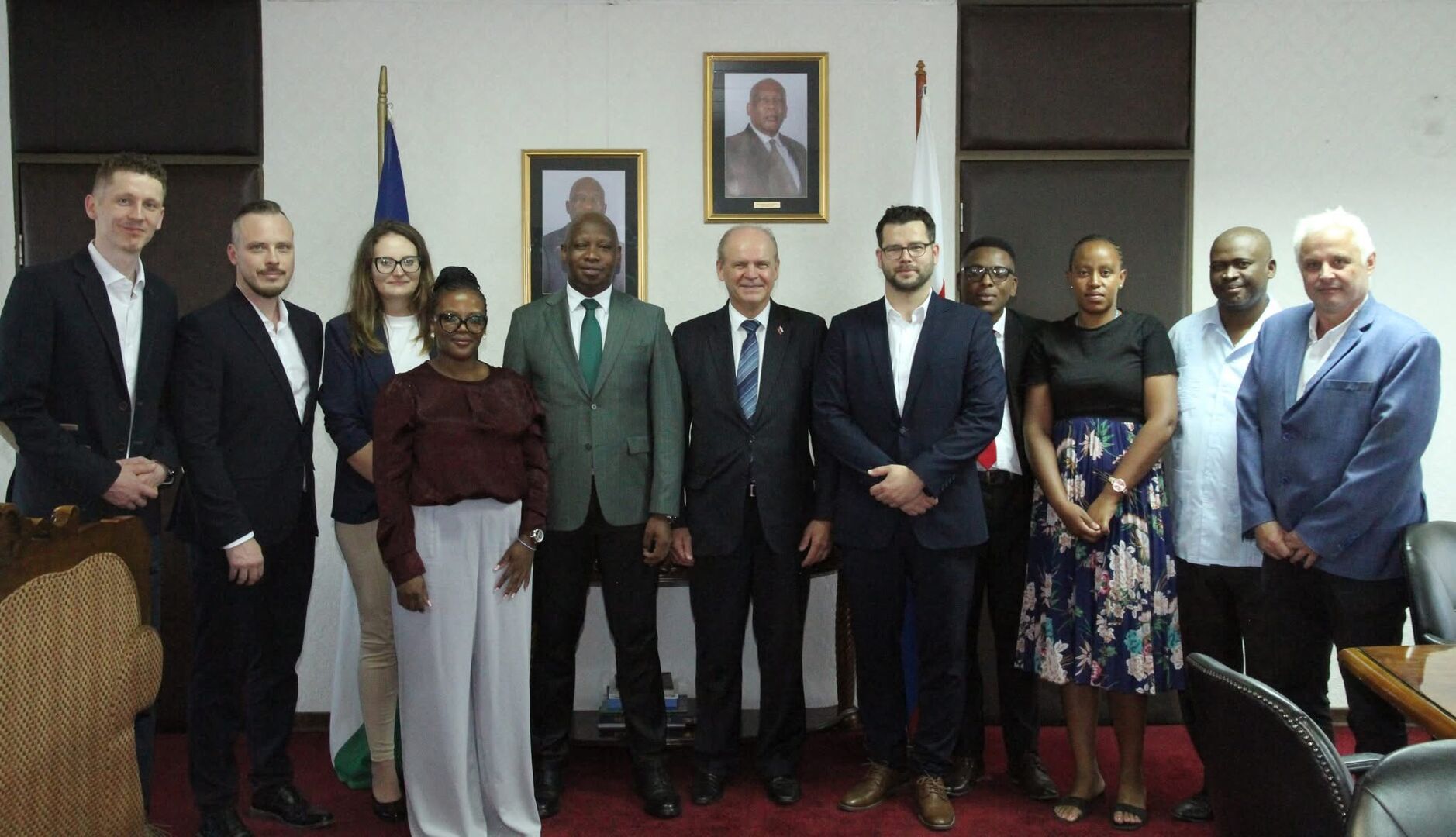
In 2009, Father Mahlaku established contact with a local ambassador in Italy, who introduced him to Professor Vladimír Krčméry. Professor Krčméry, a Slovak physician and humanitarian known for his long-standing charitable work throughout Africa, became an important supporter of the project.
In 2010, support for the initiative expanded and the orphanage became an officially recognised organisation. Since then, it has provided assistance to children in need and has grown into one of the key institutions delivering social care and support services in Lesotho.
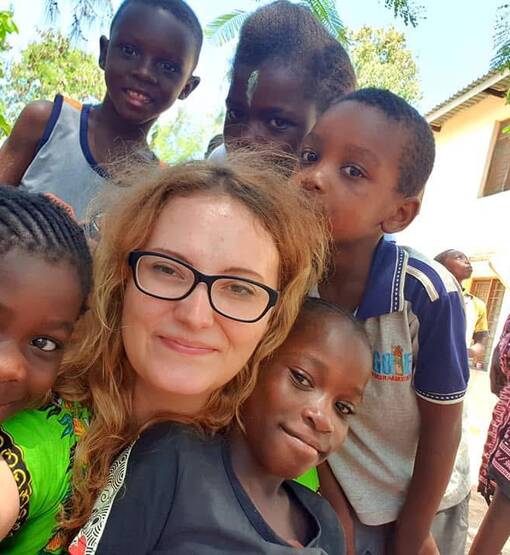
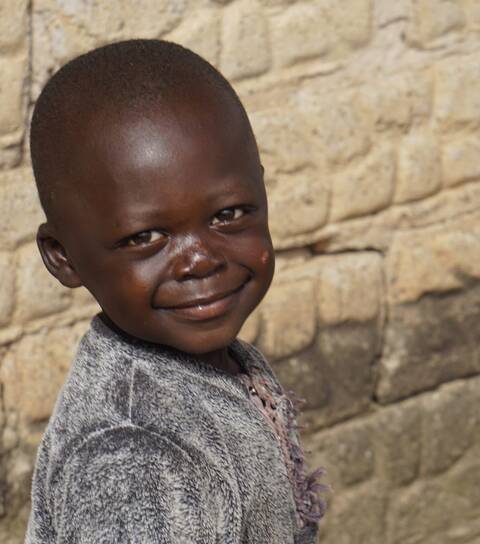
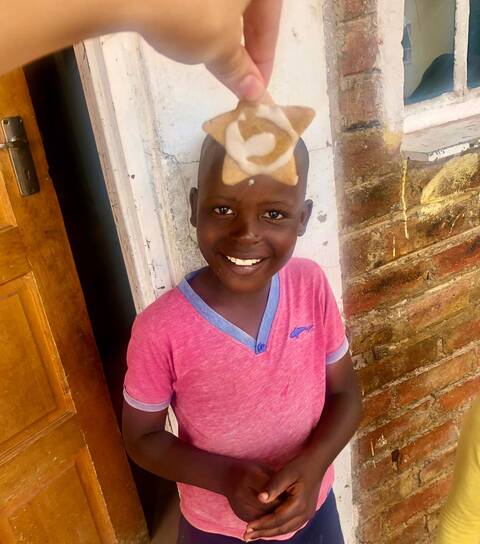
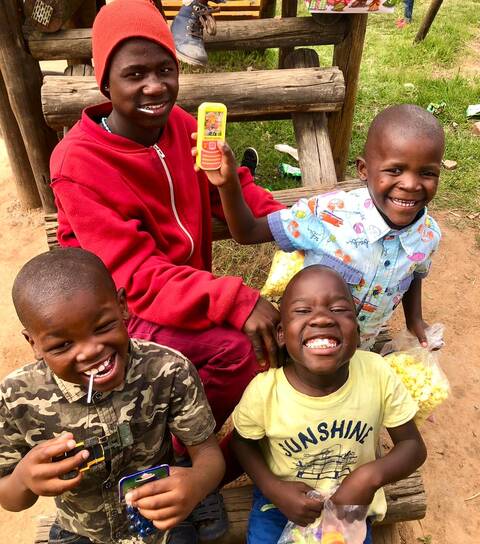
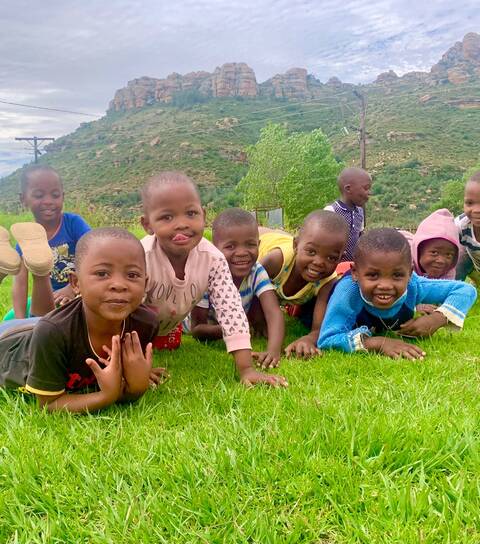
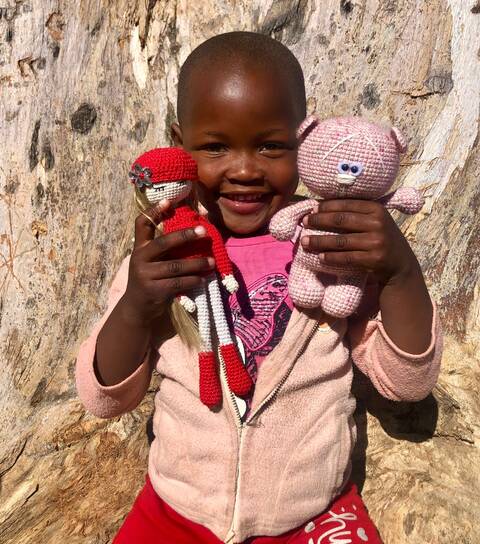
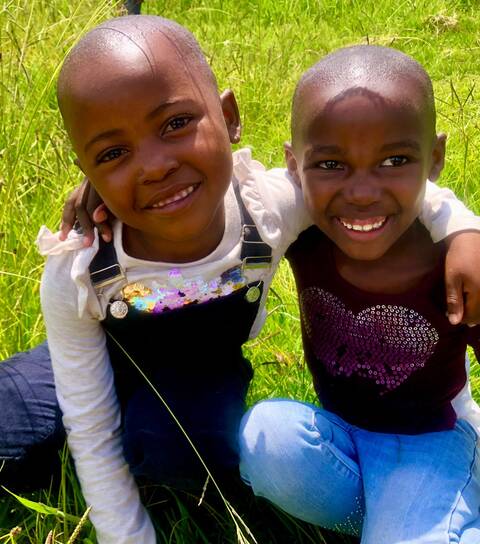
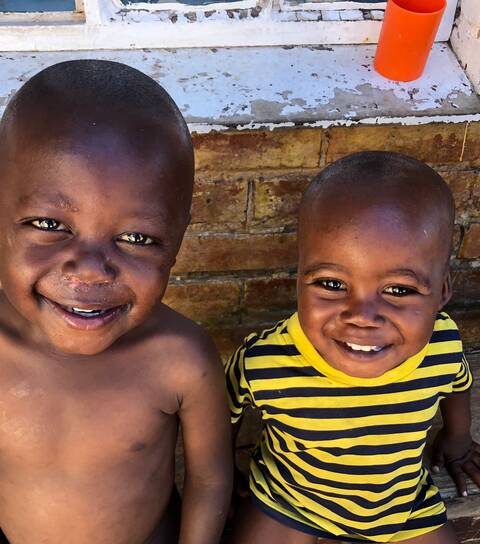
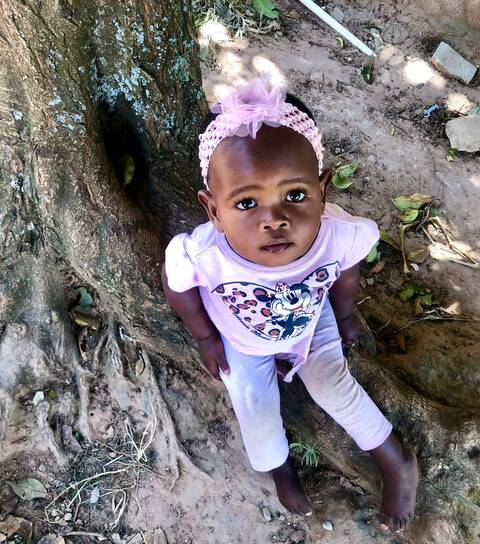
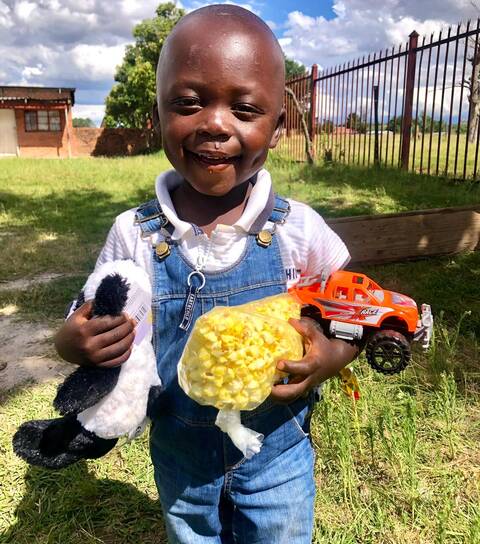
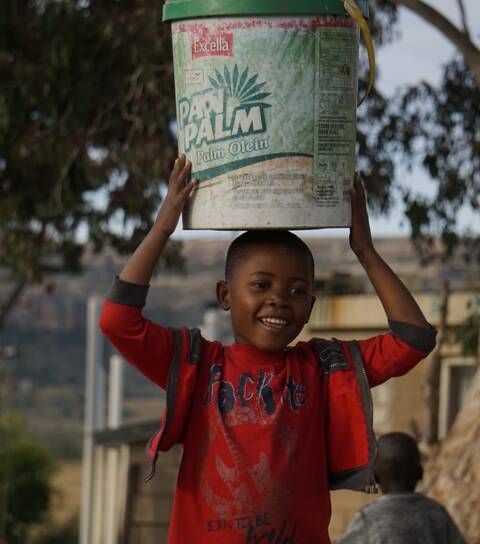
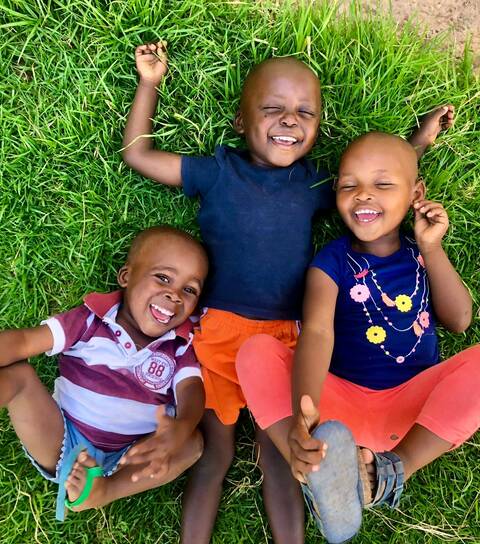
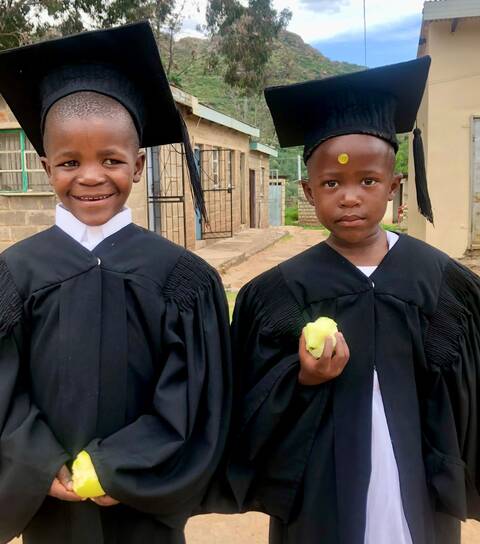
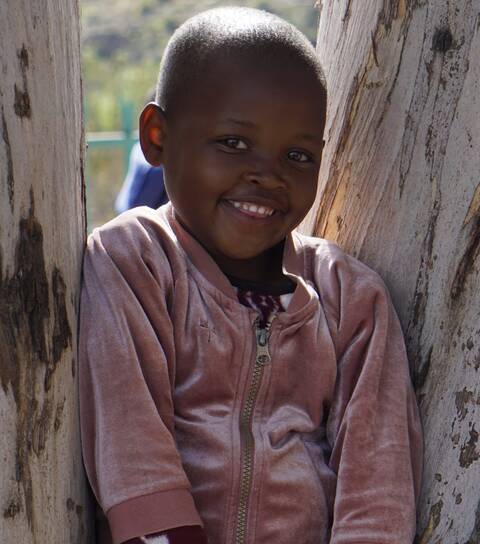
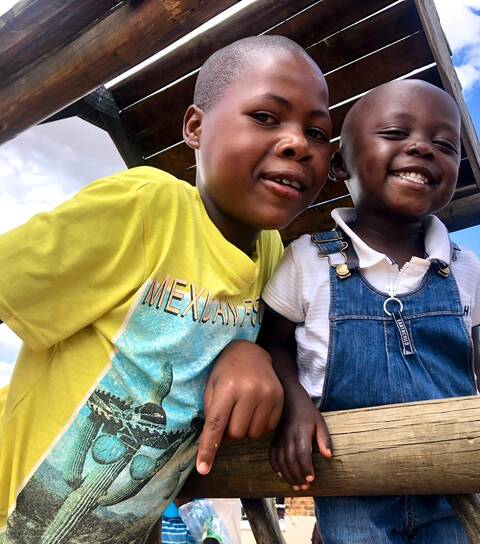
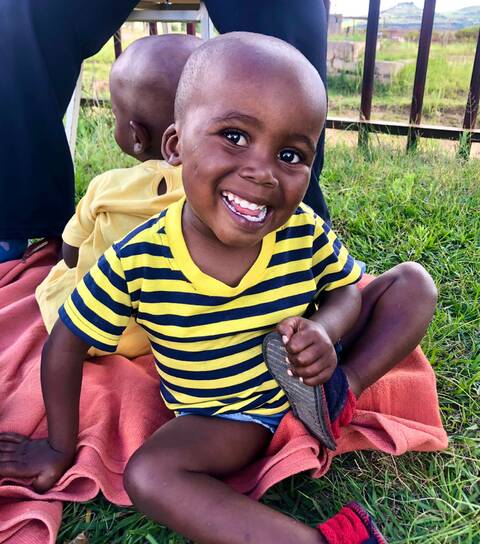
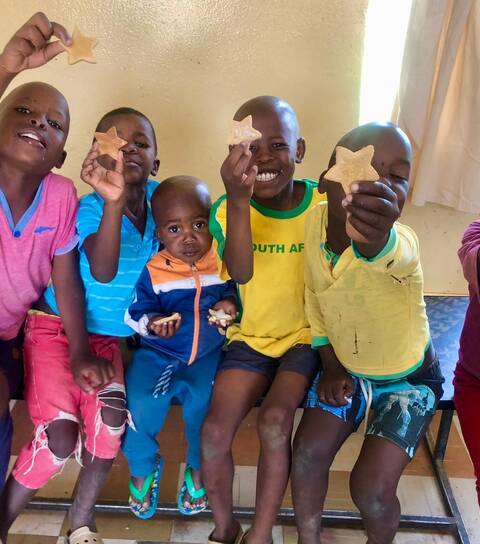
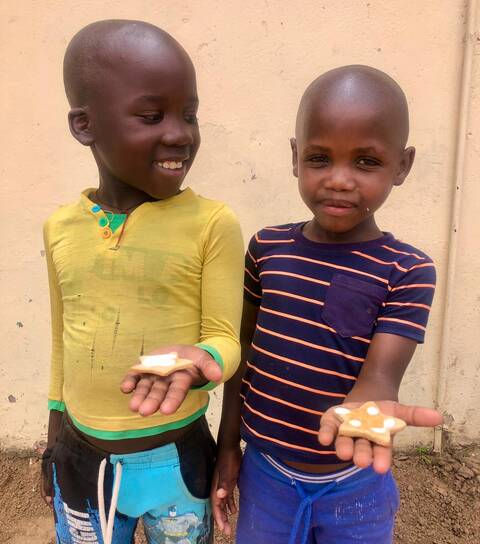
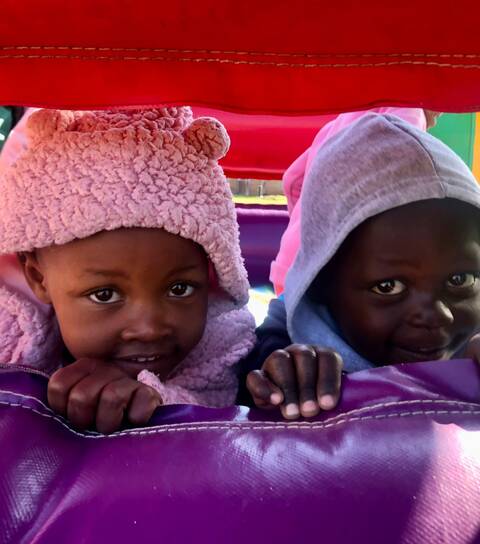
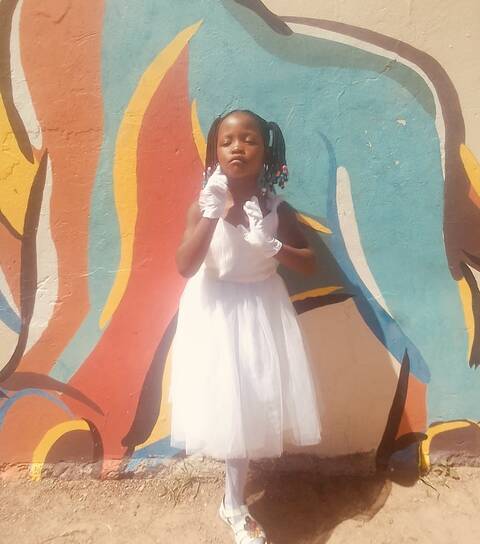
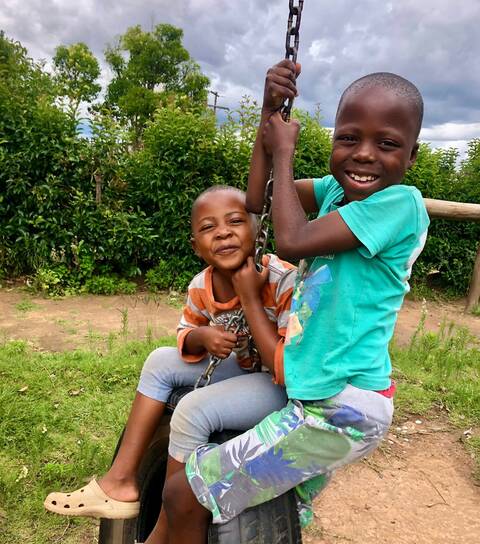
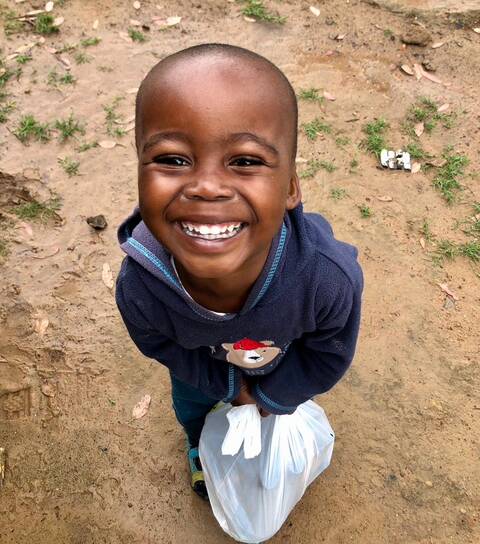
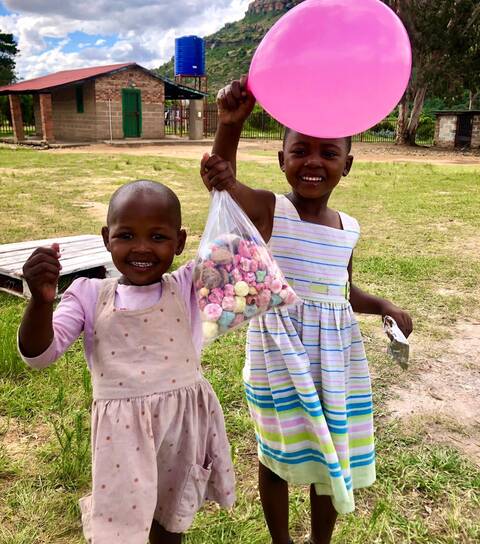
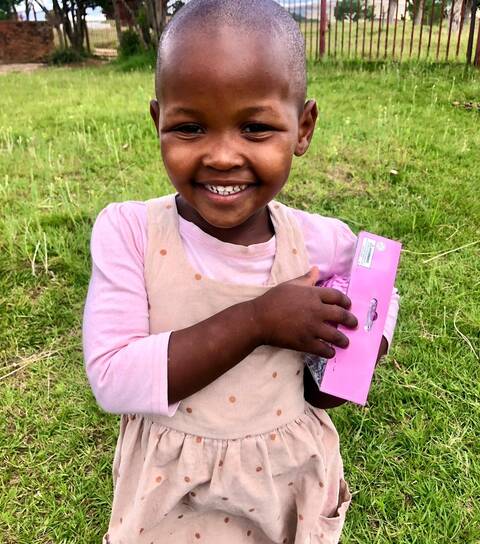
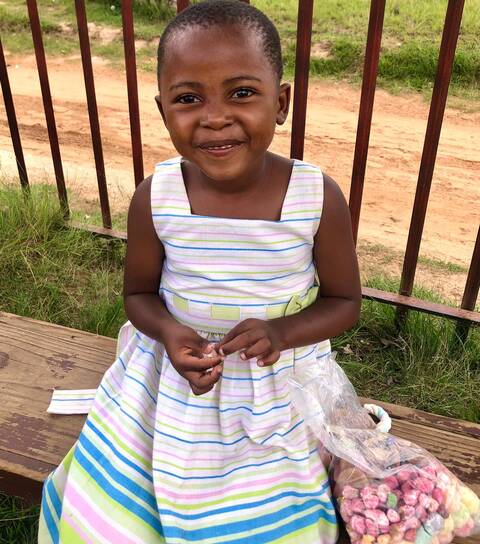
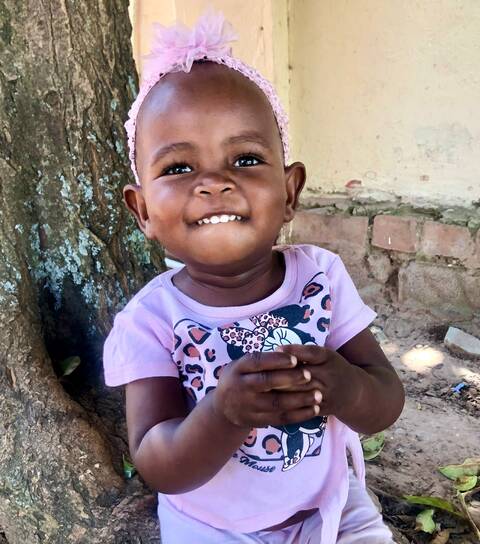
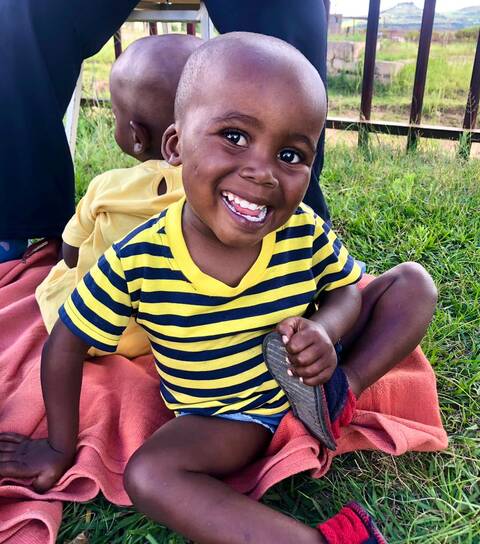
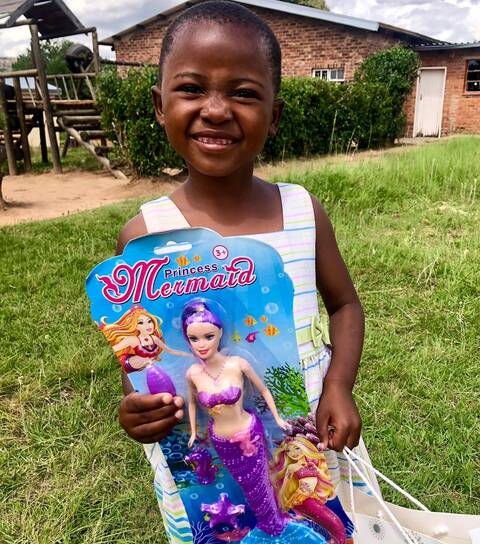
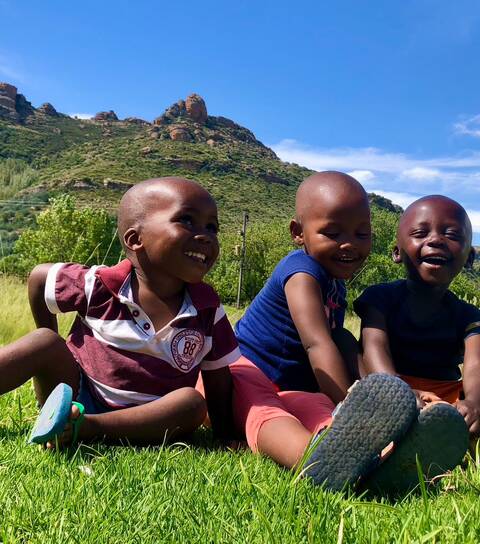
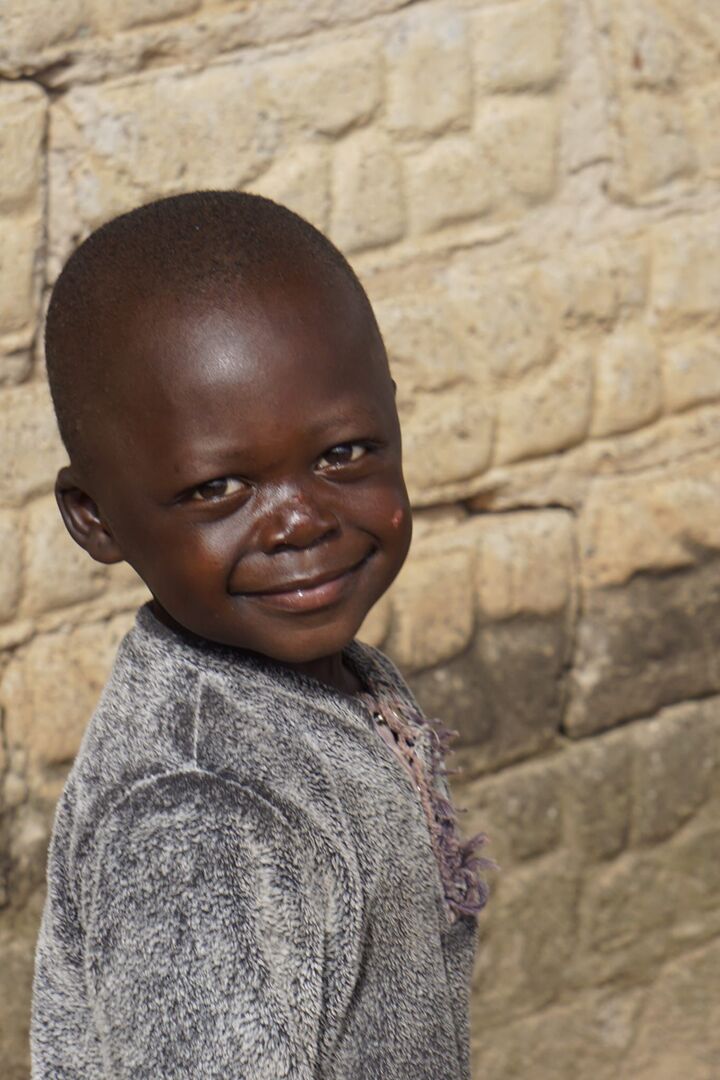
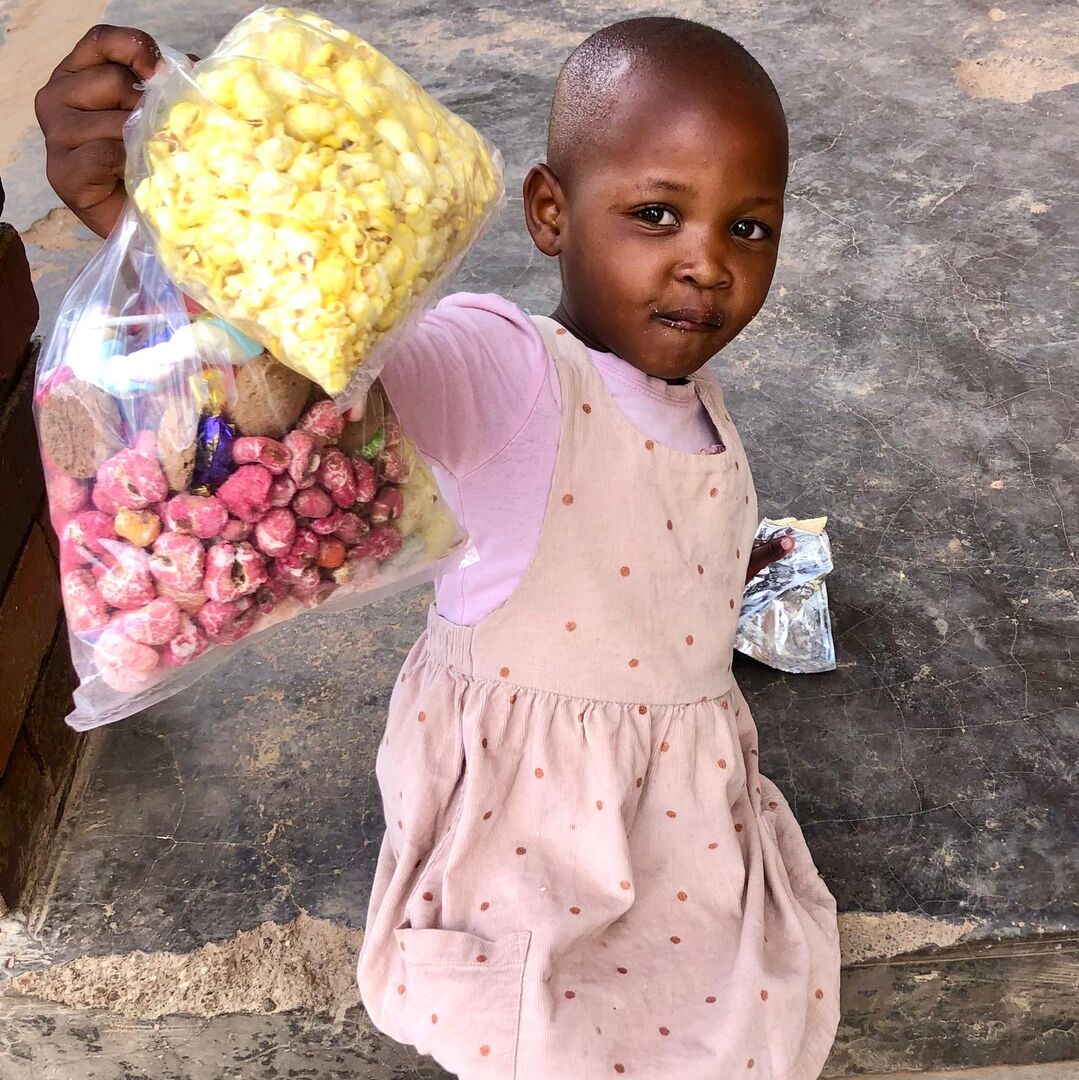
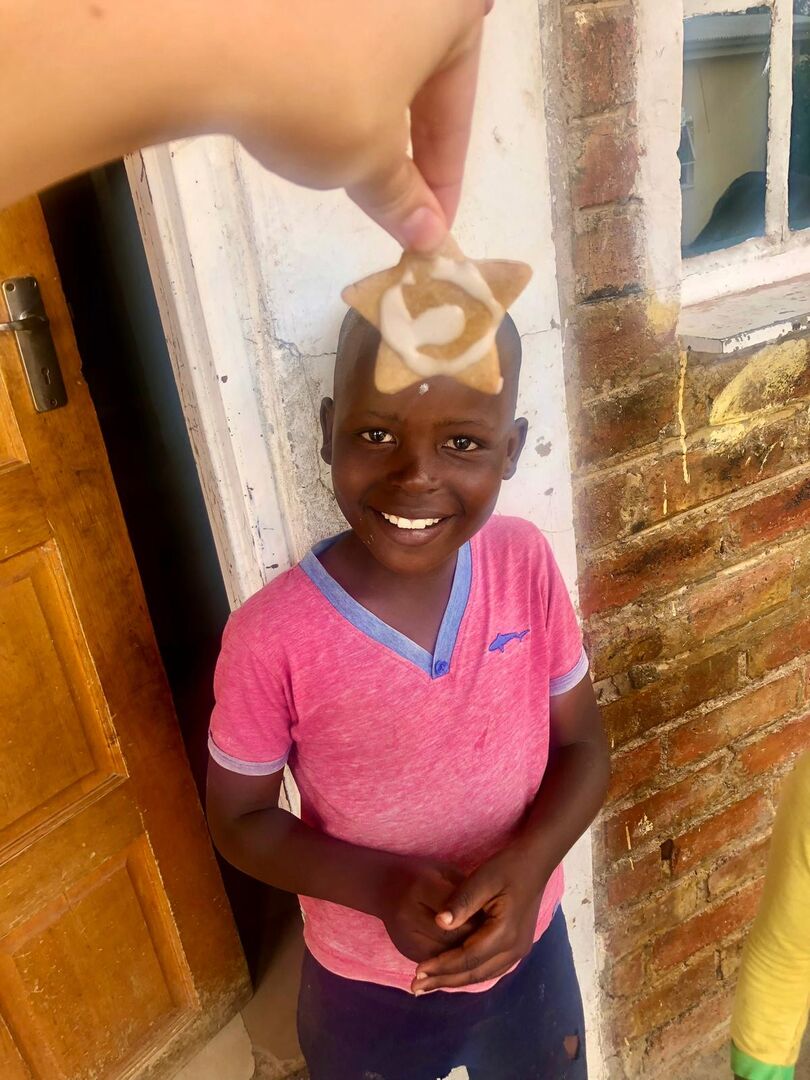
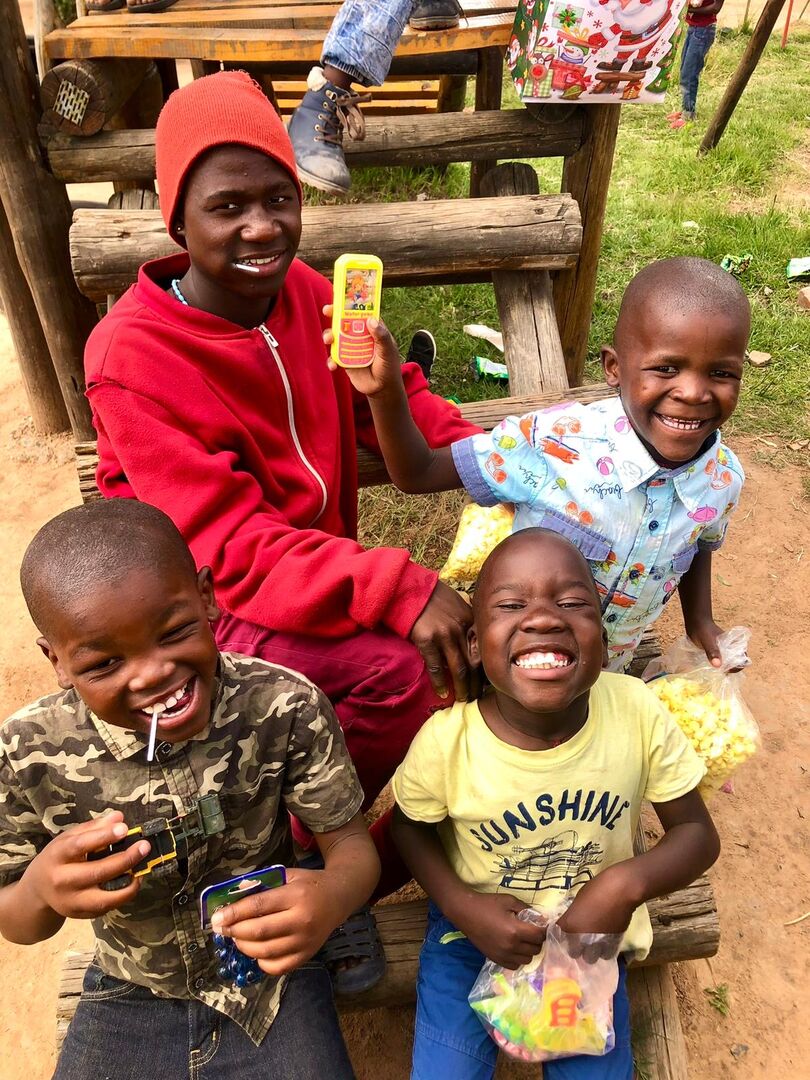
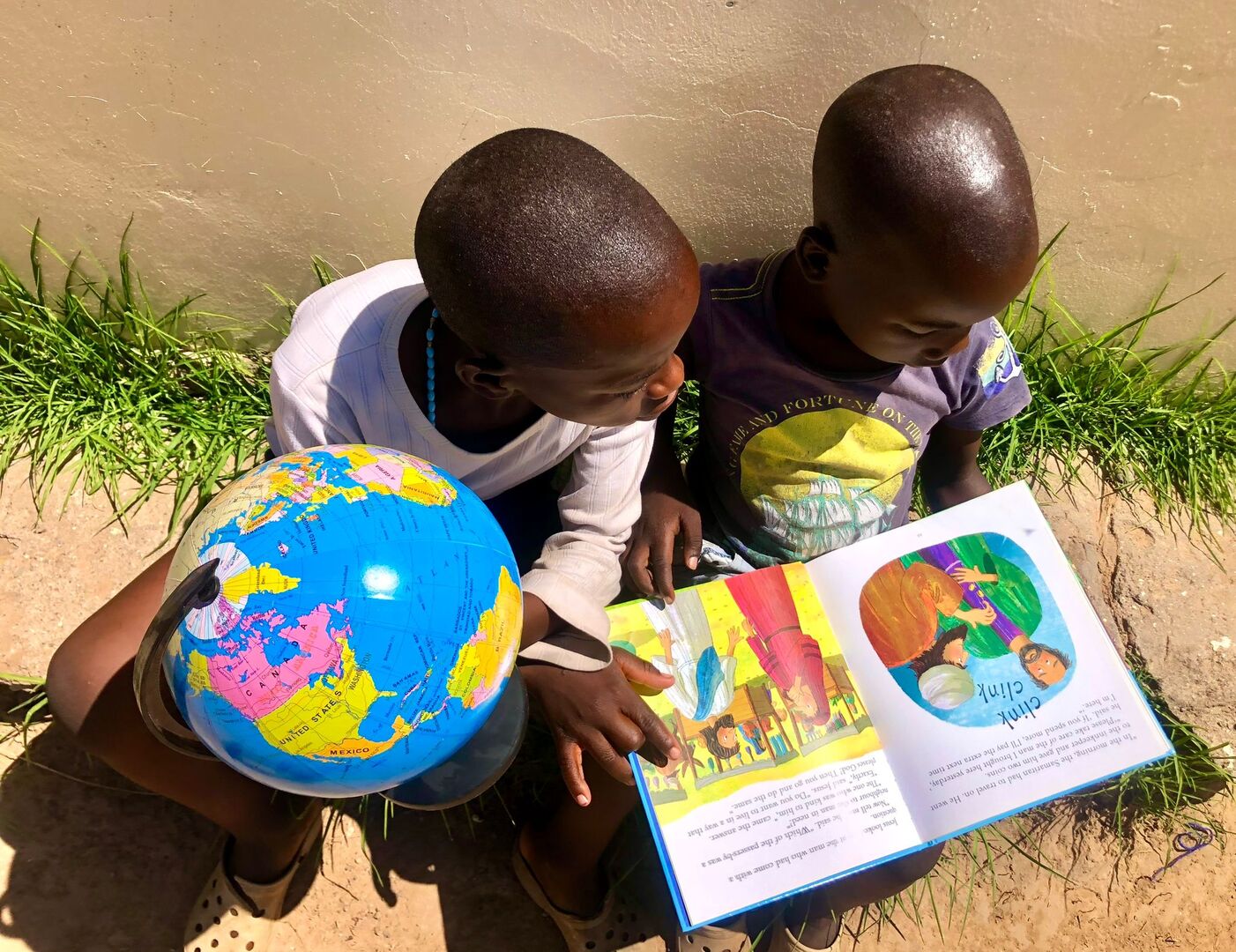
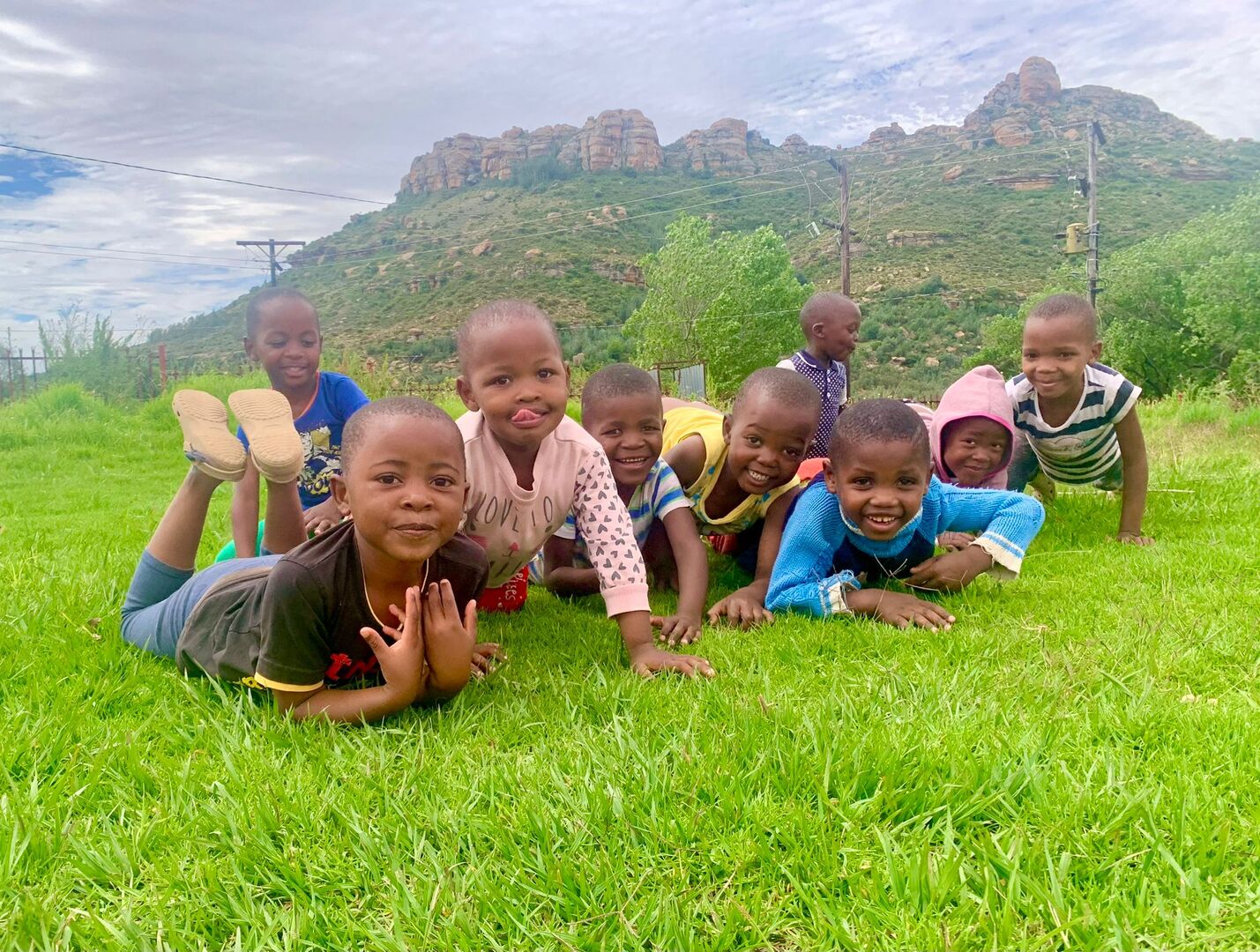
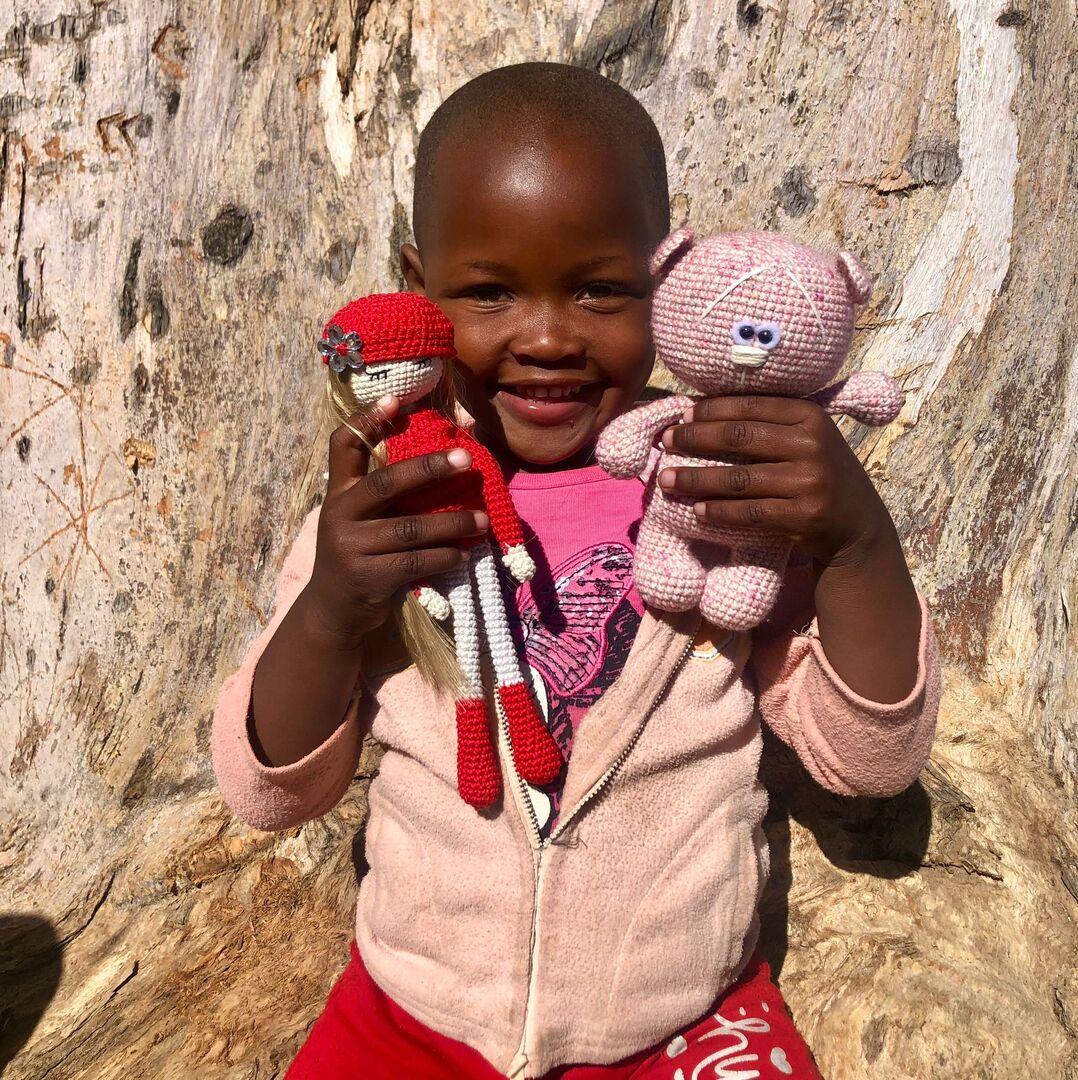
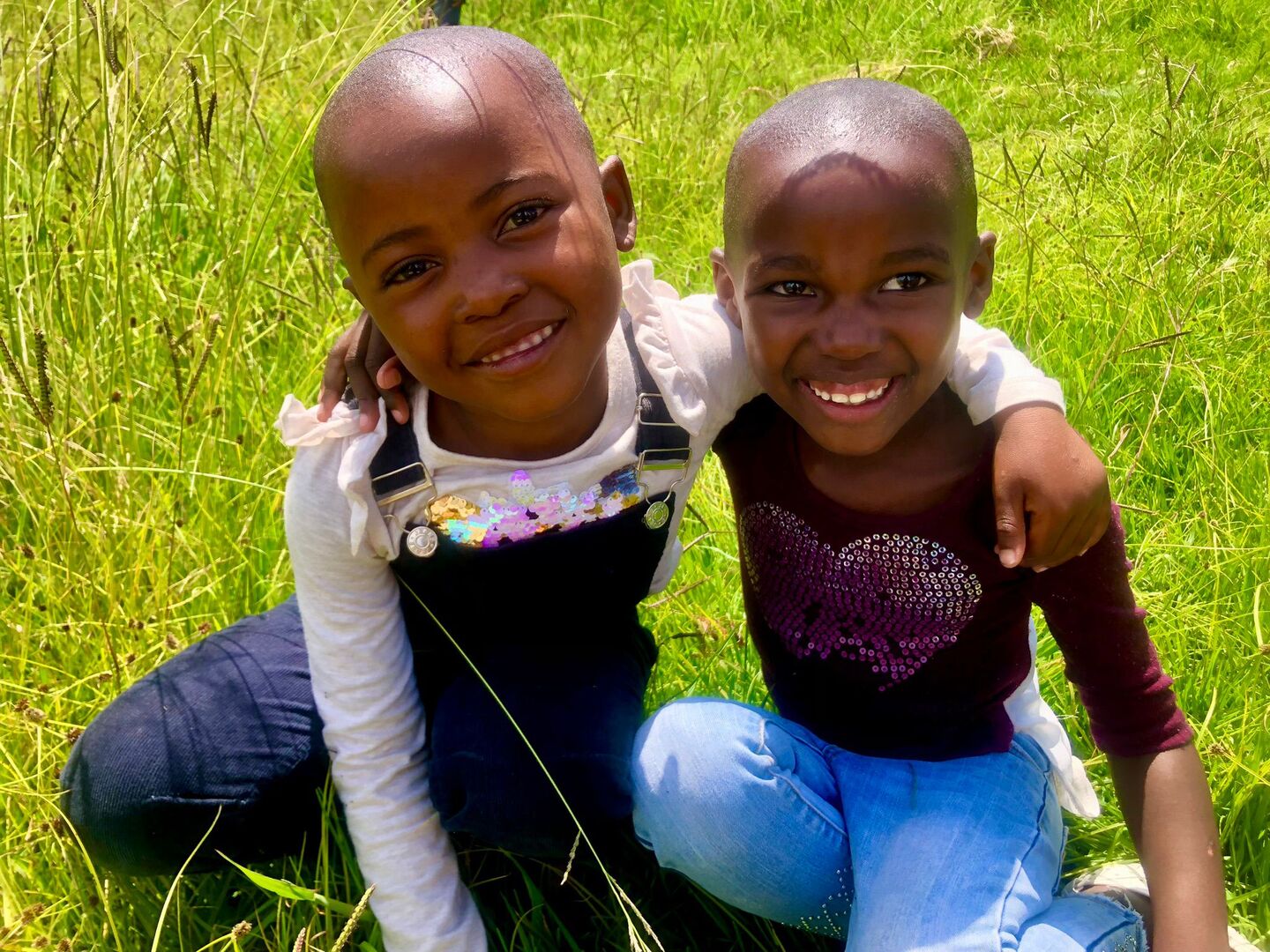
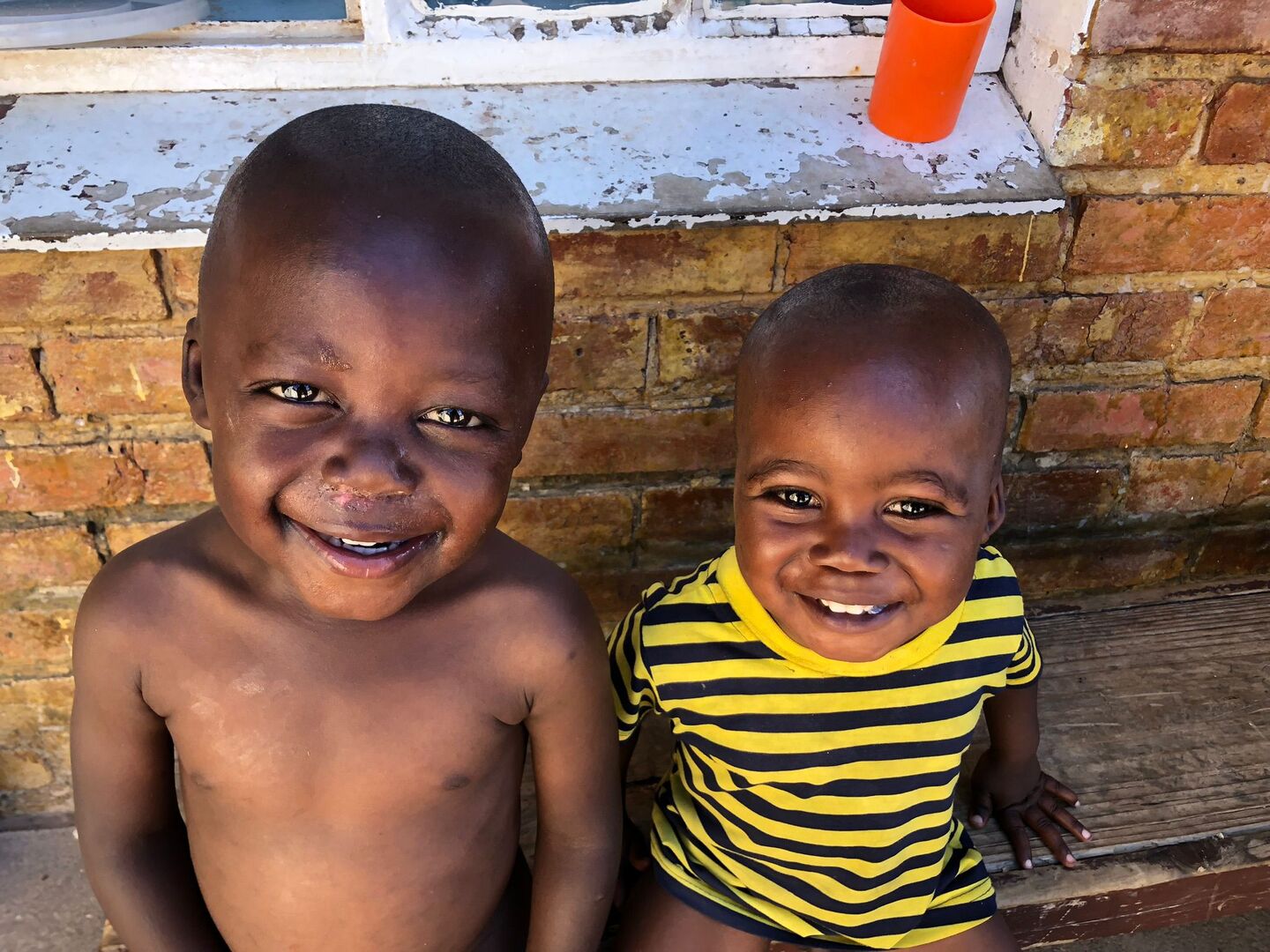
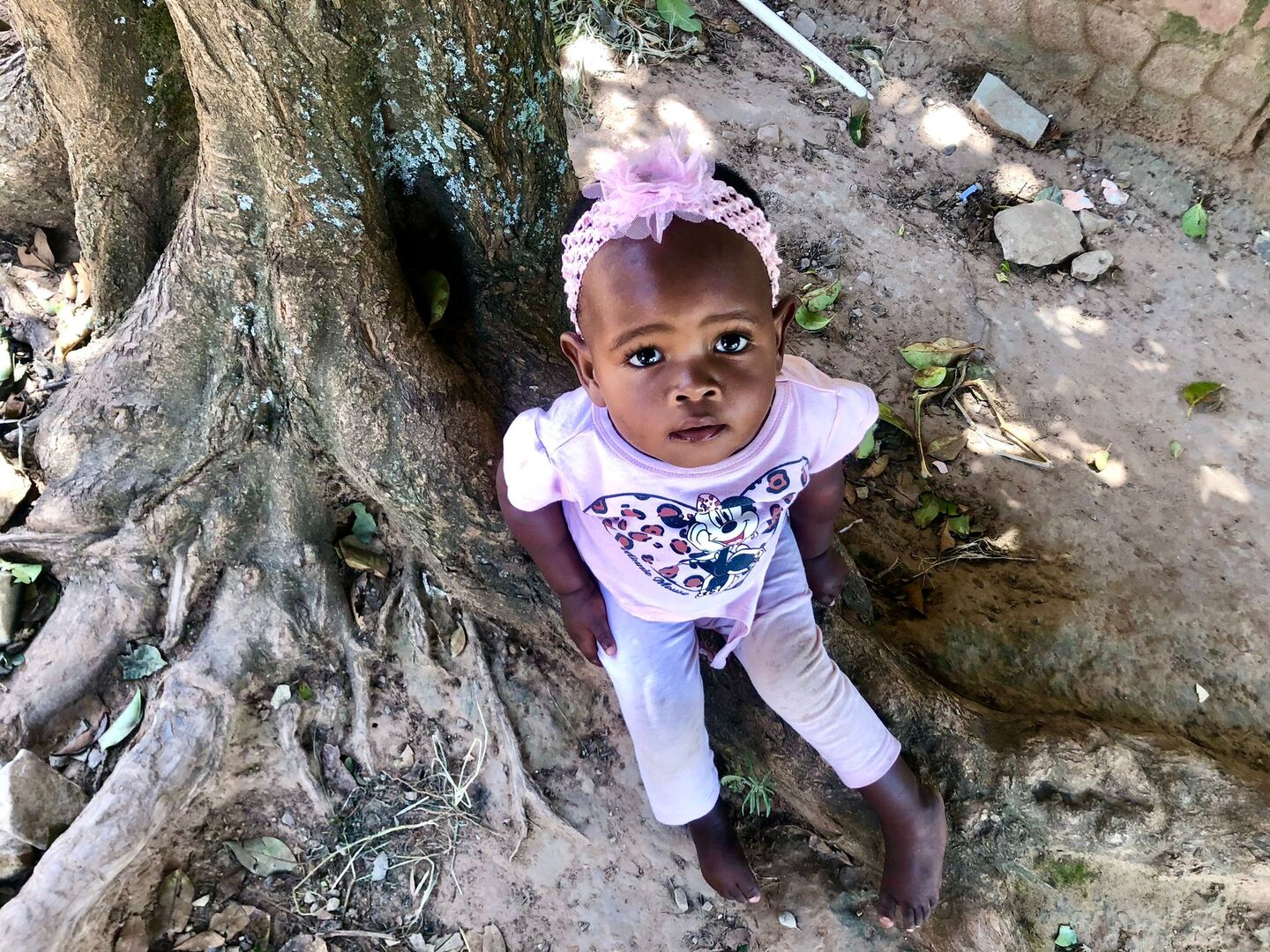
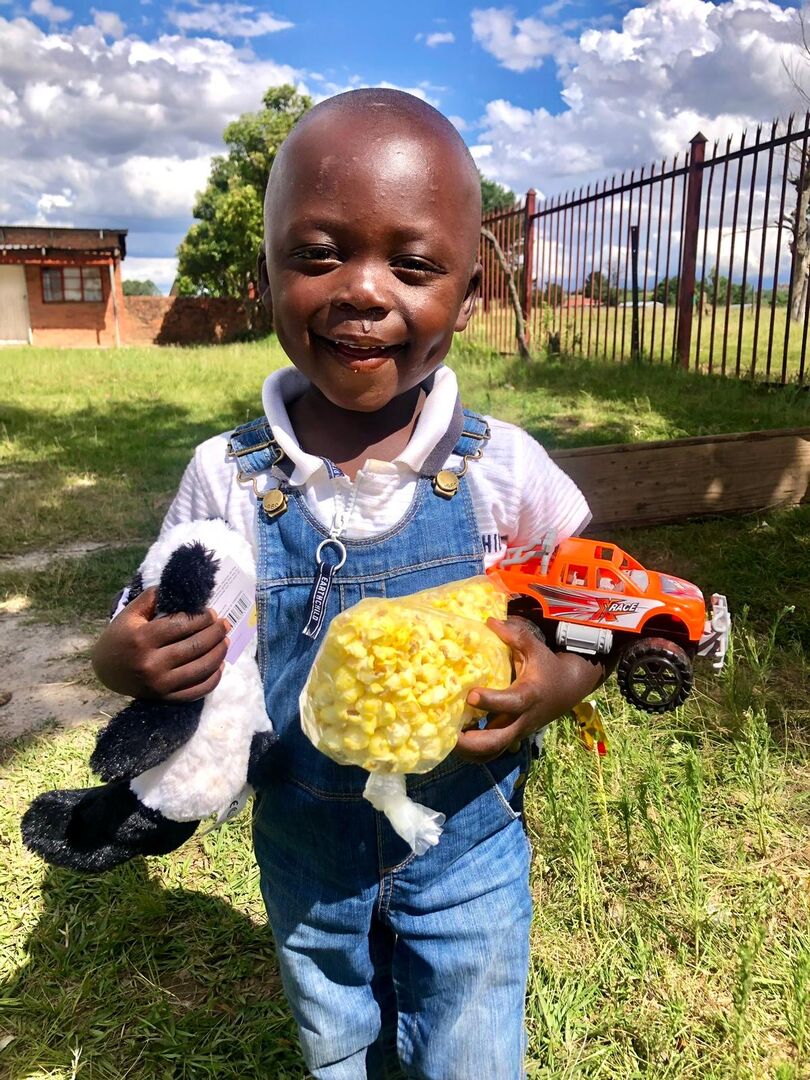
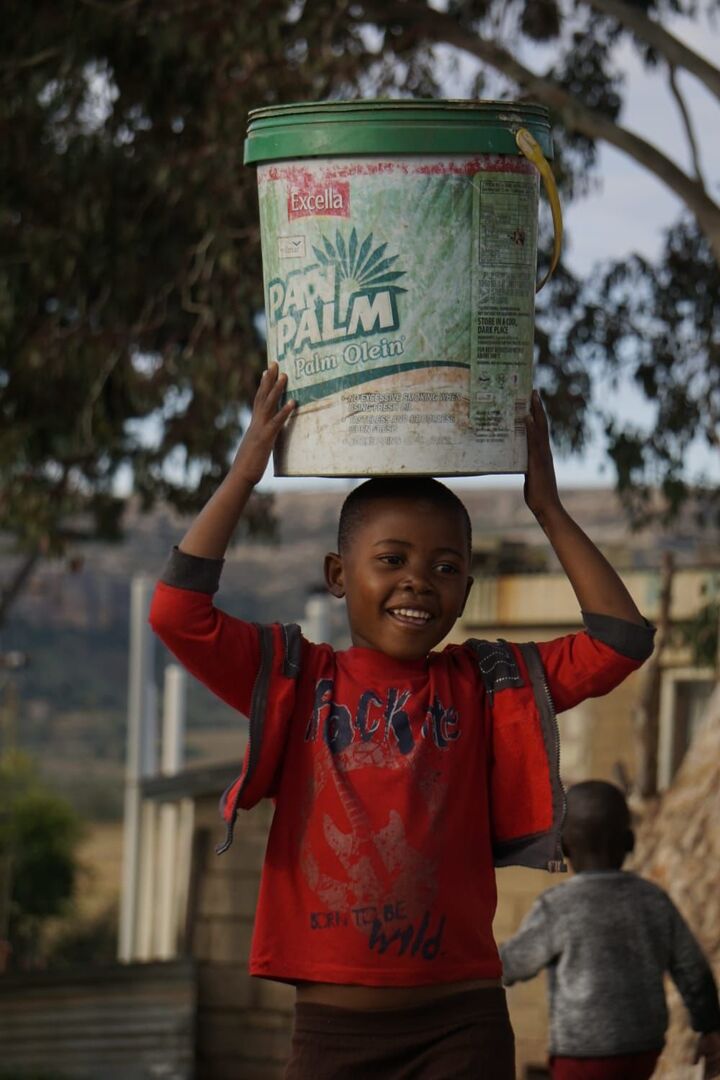
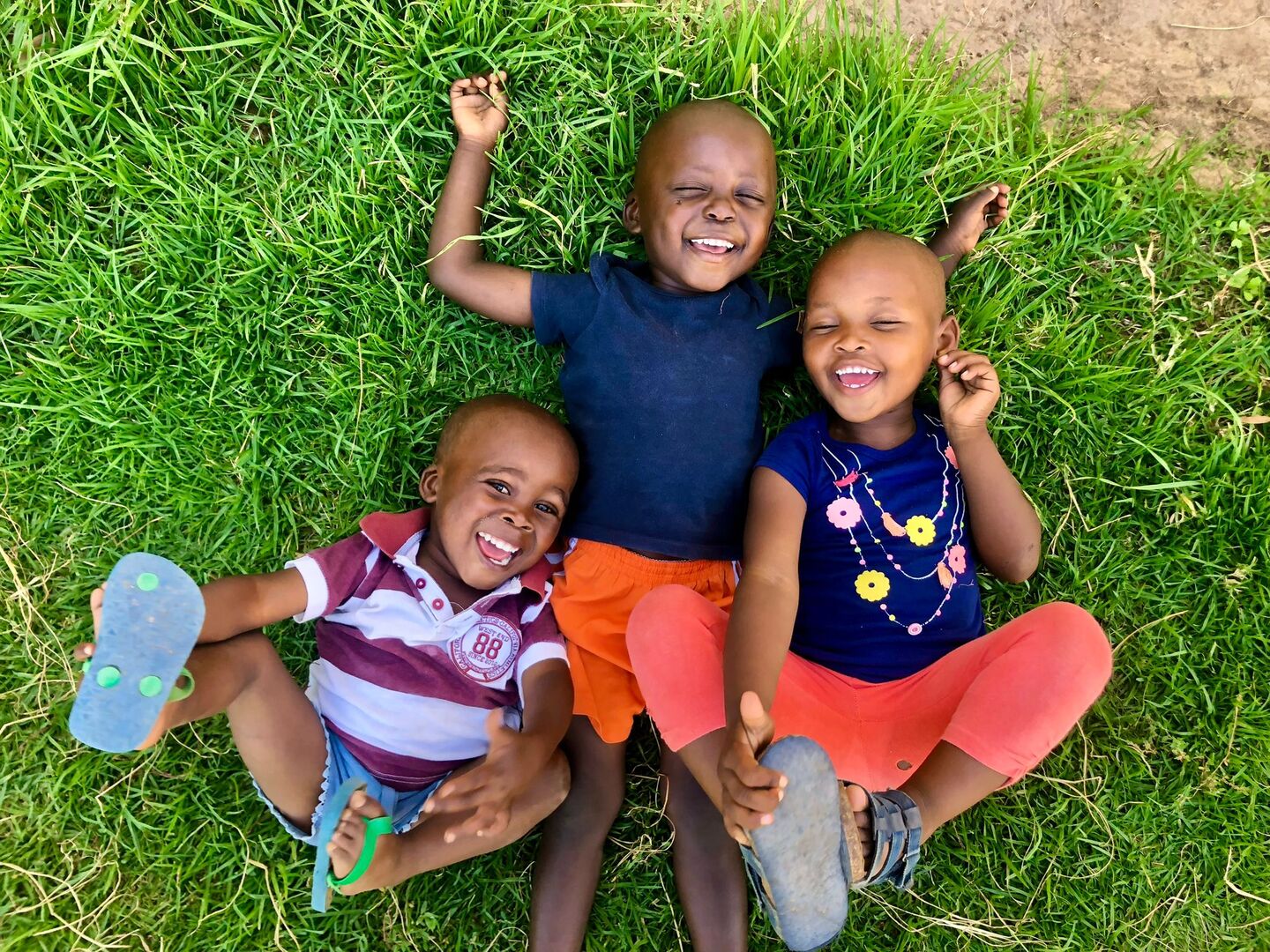
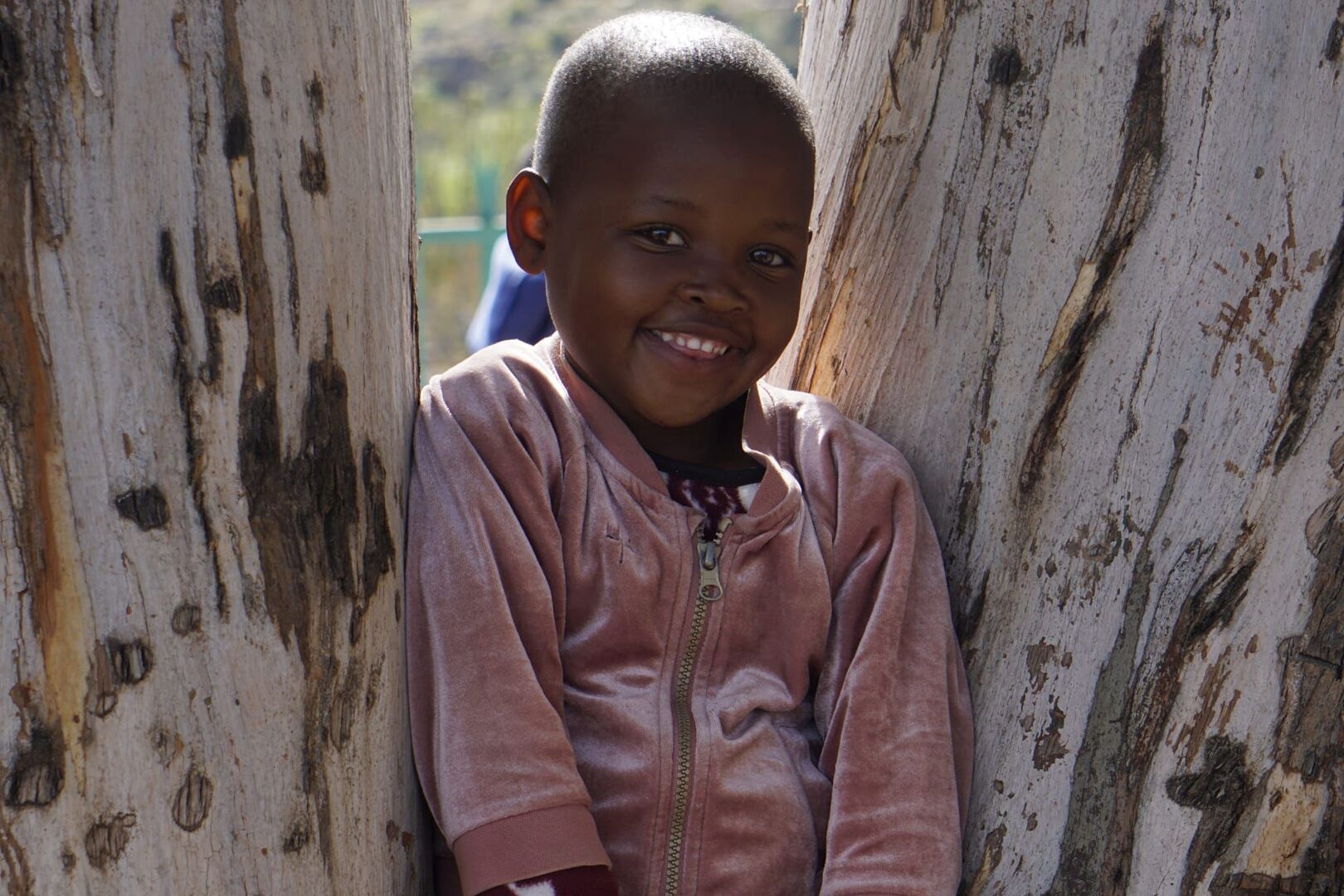
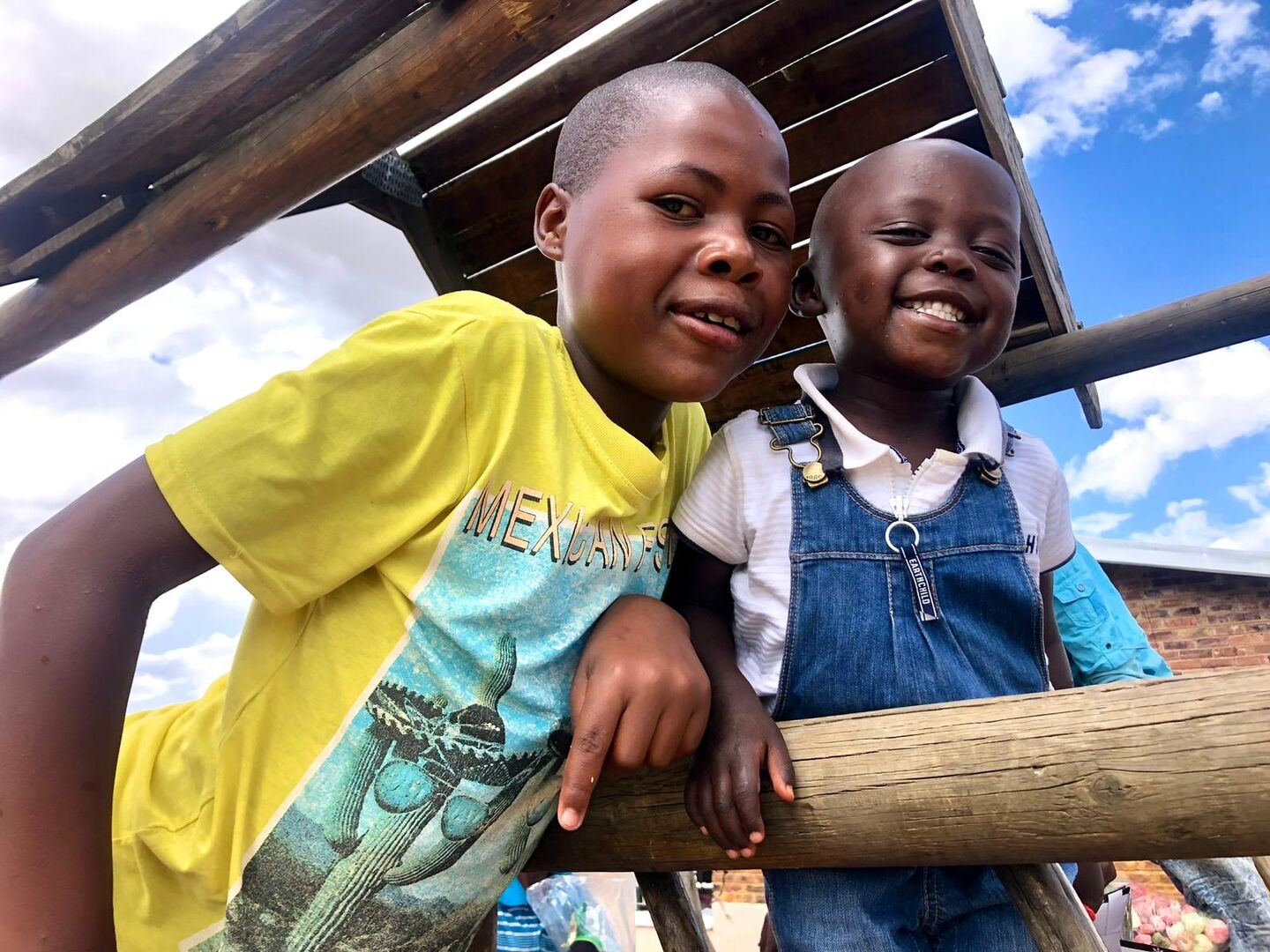
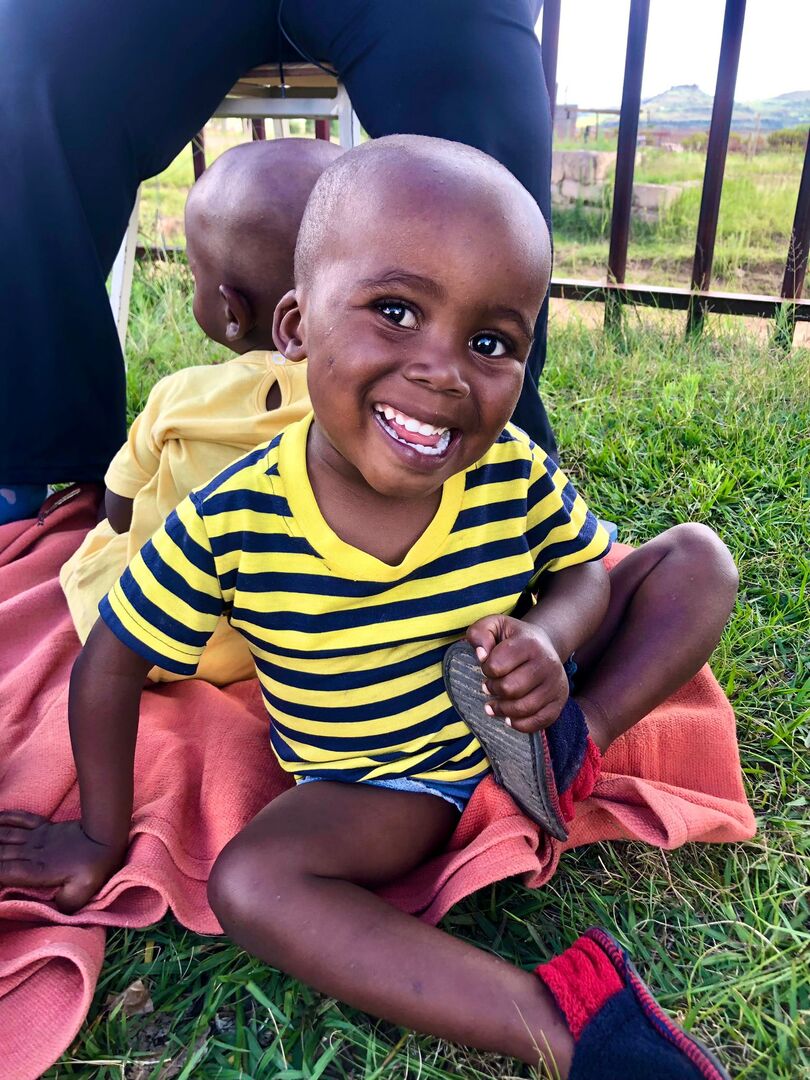
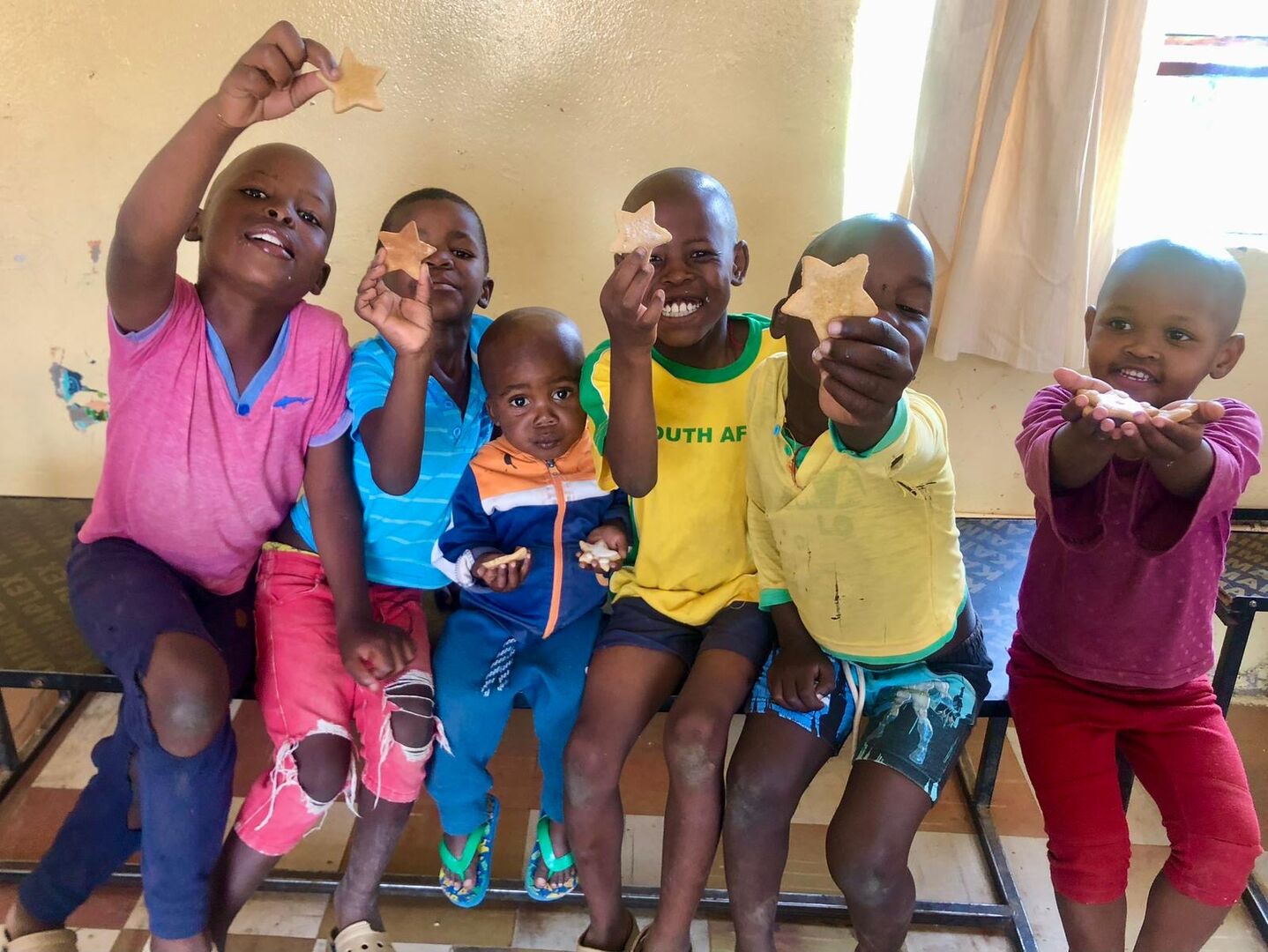
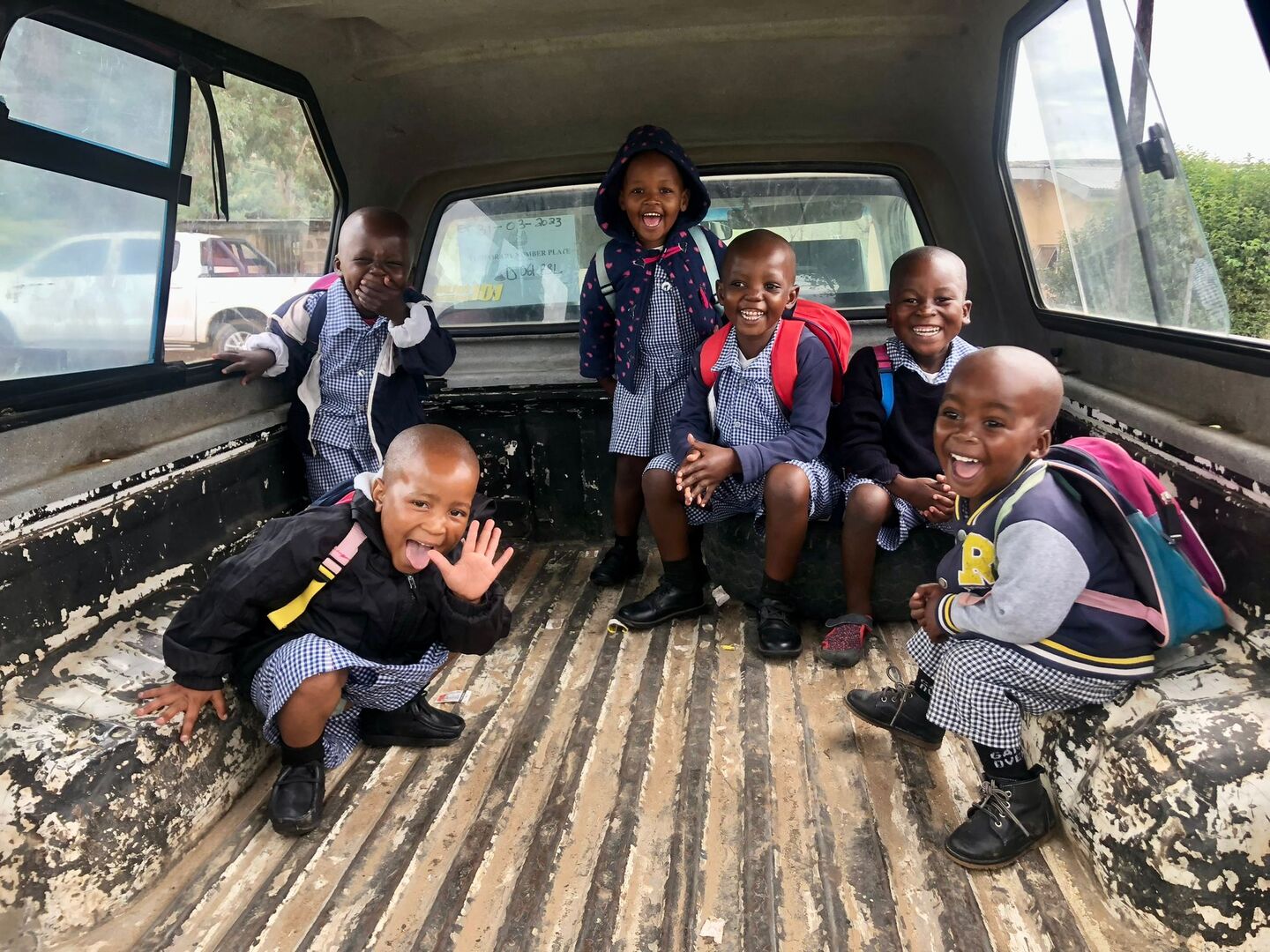
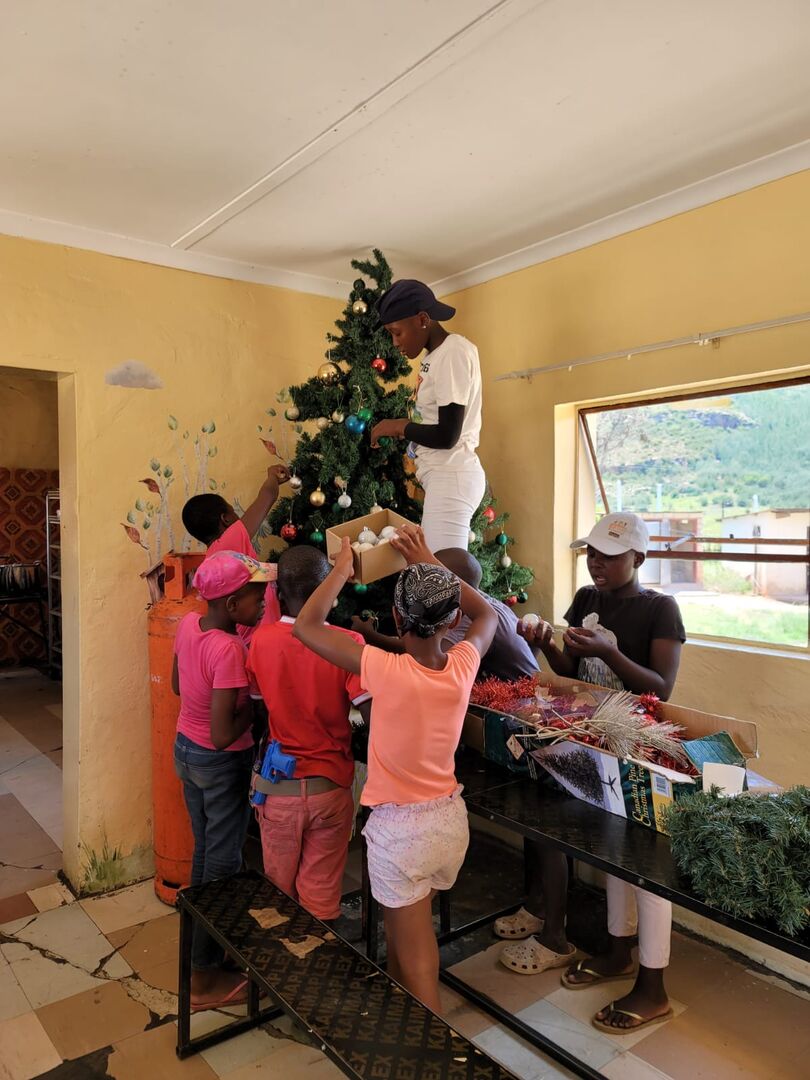
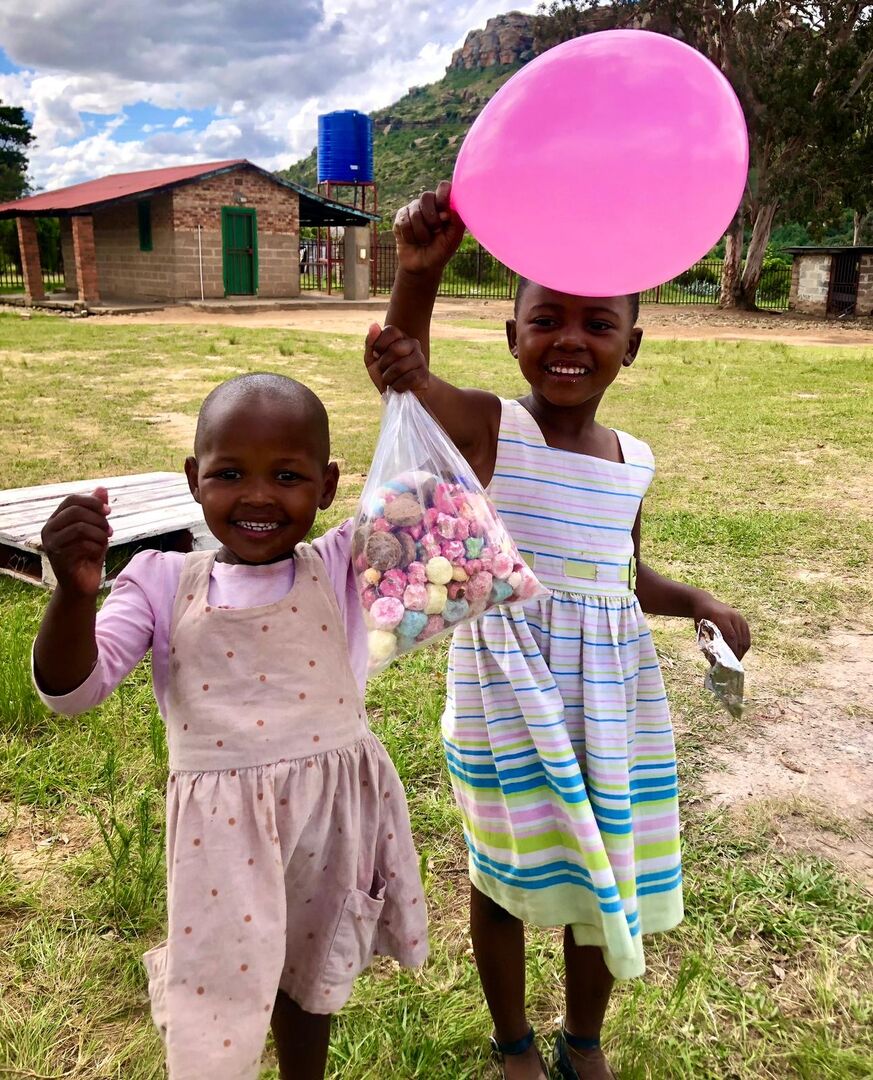
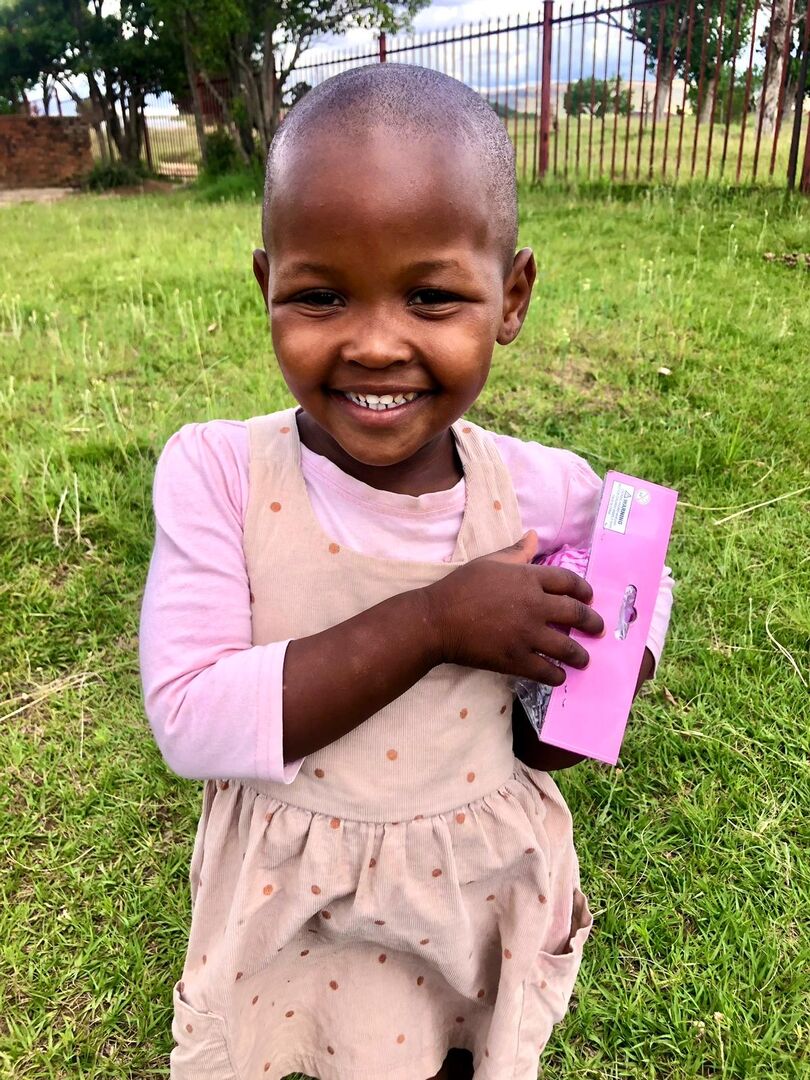
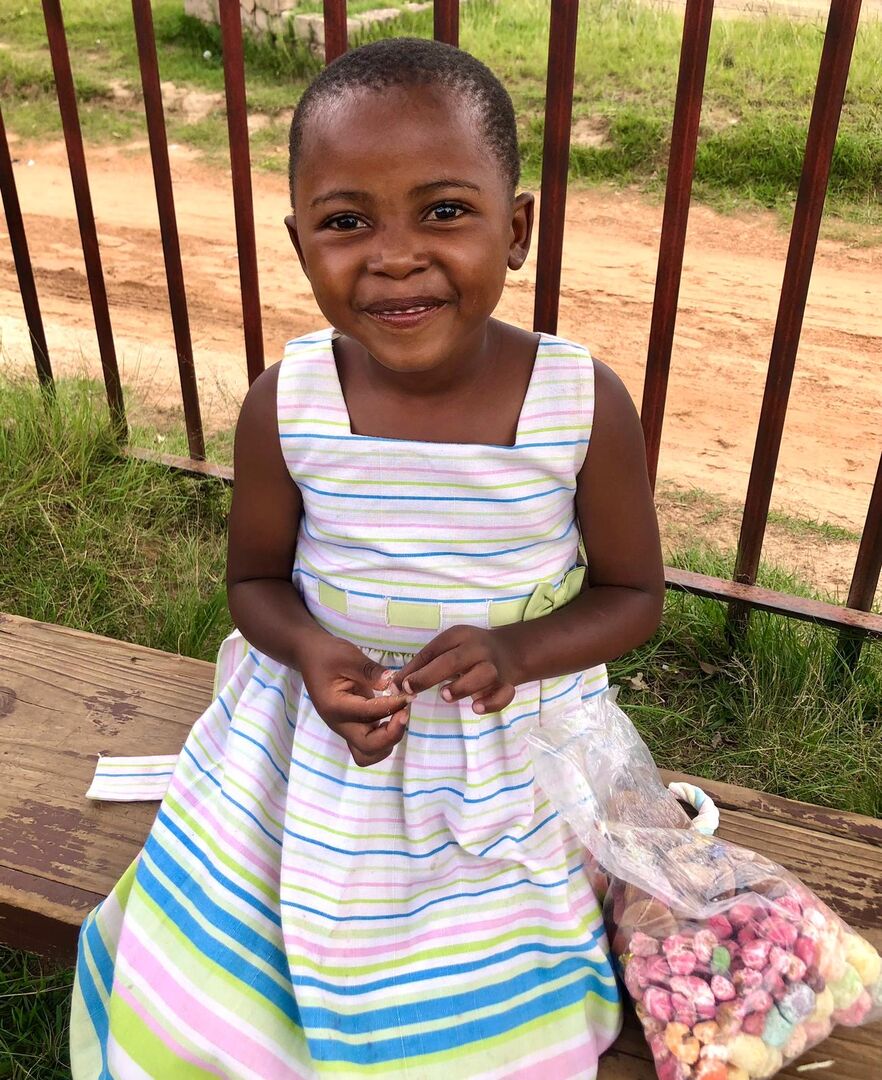
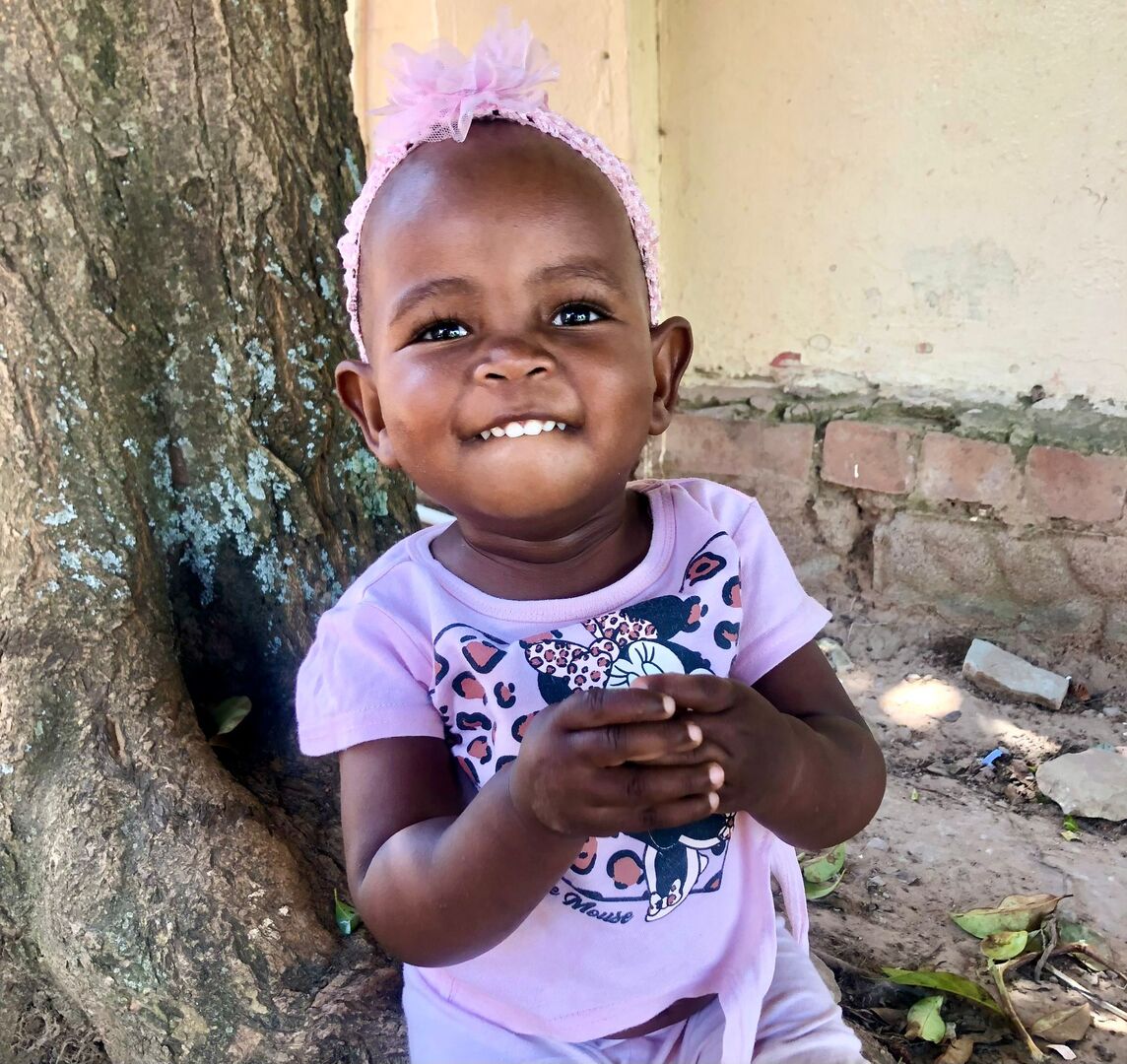
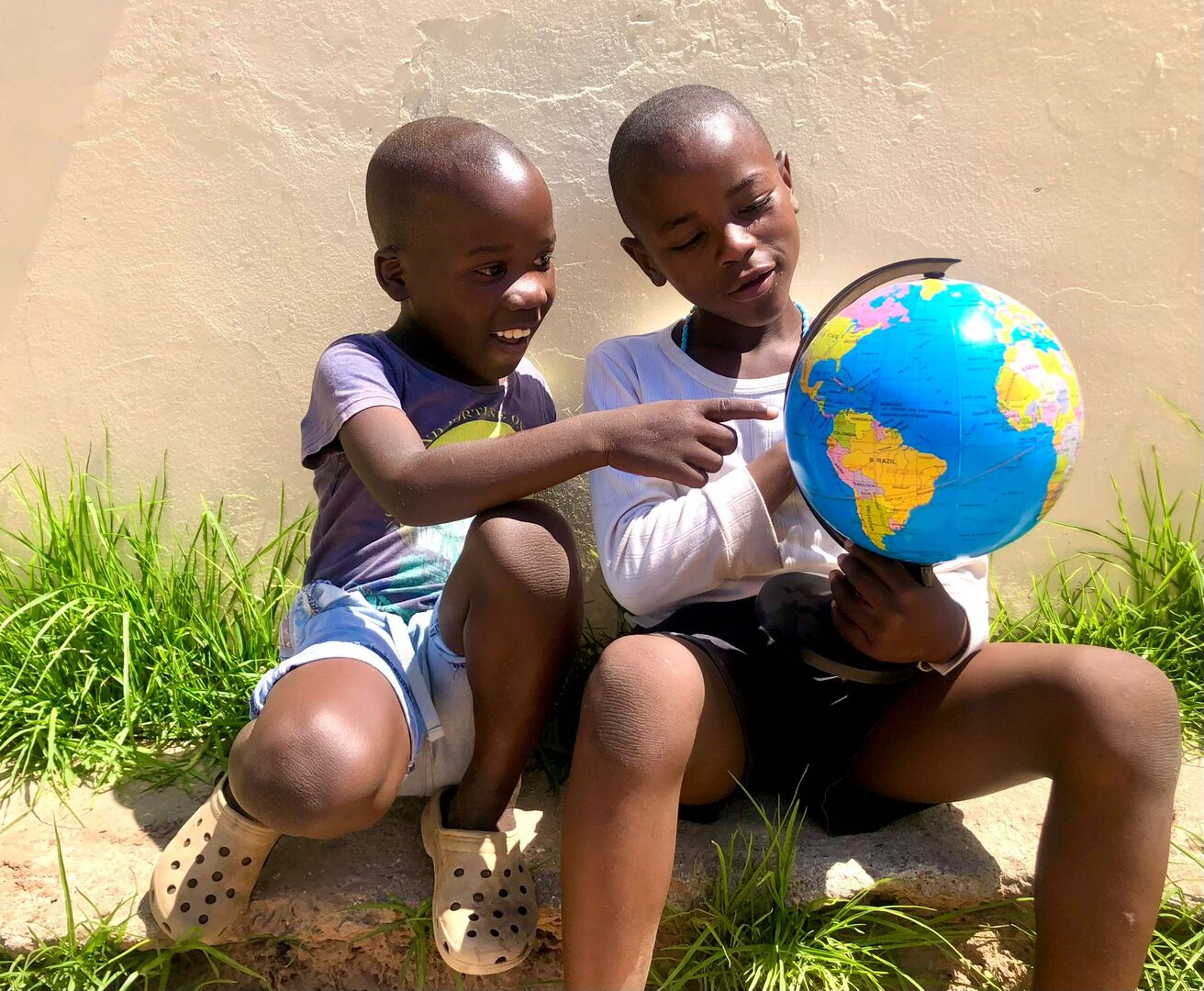
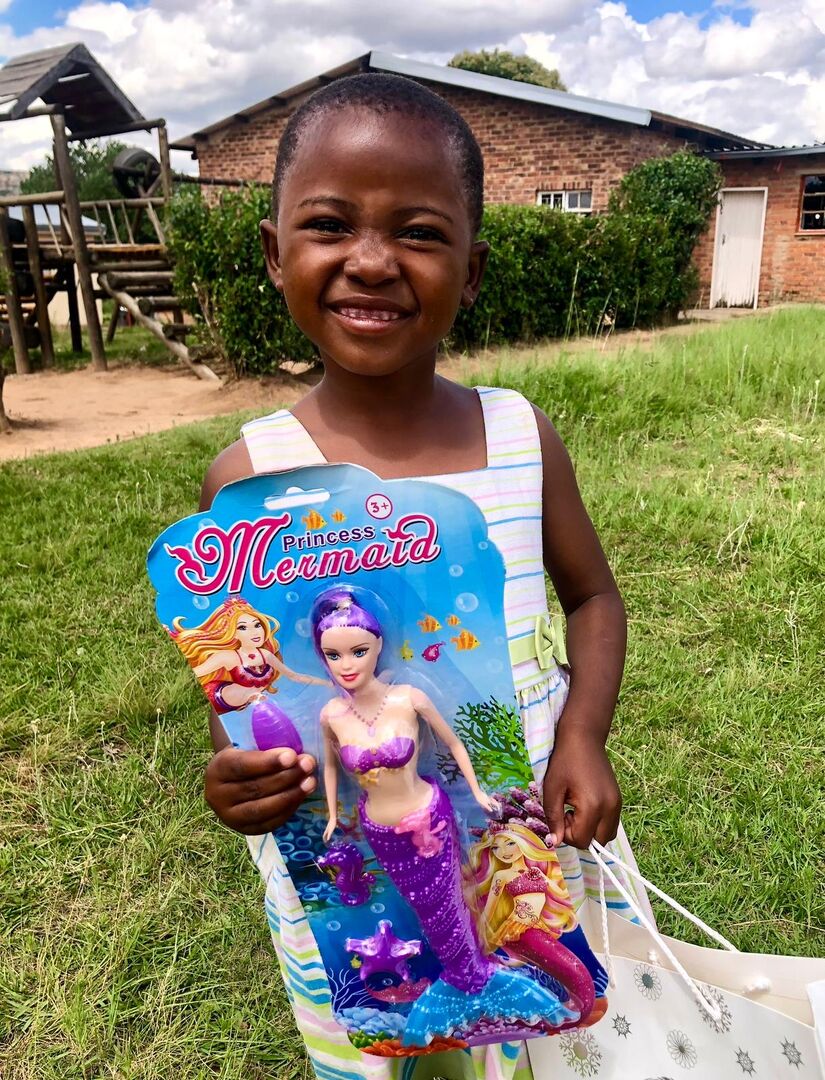
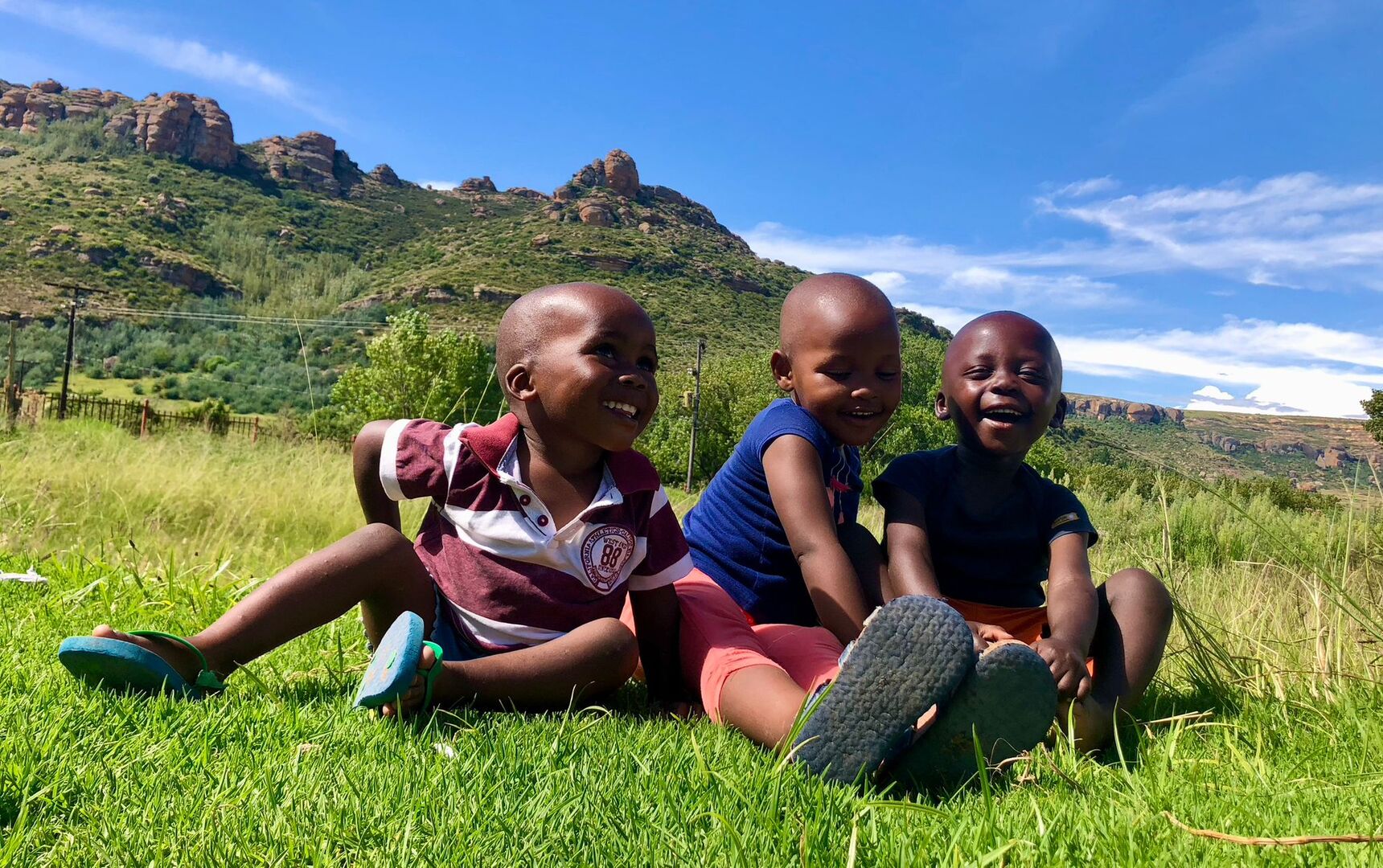
Today, St. Cecilia Orphanage provides care for more than 50 children from across Lesotho. Each child has a unique story—some have lost their parents, others were abandoned, while some have become victims of violence or abuse. Our main priority is to create a safe and nurturing environment where they can grow, receive an education, and build a better future.
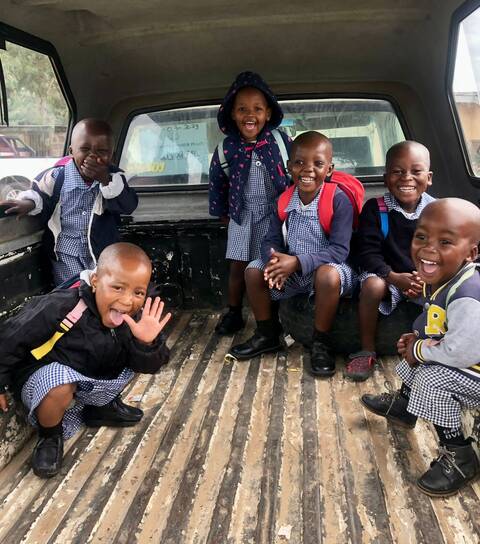
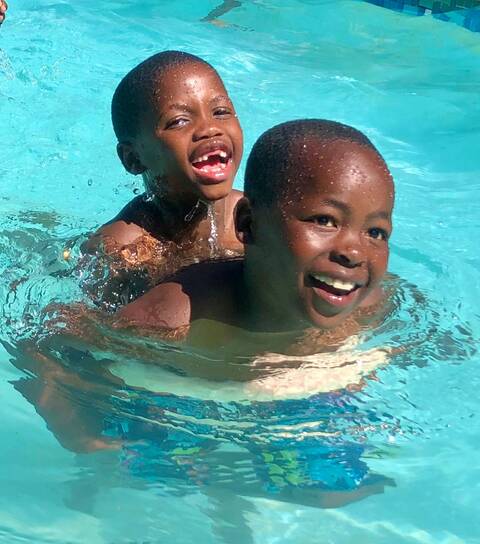
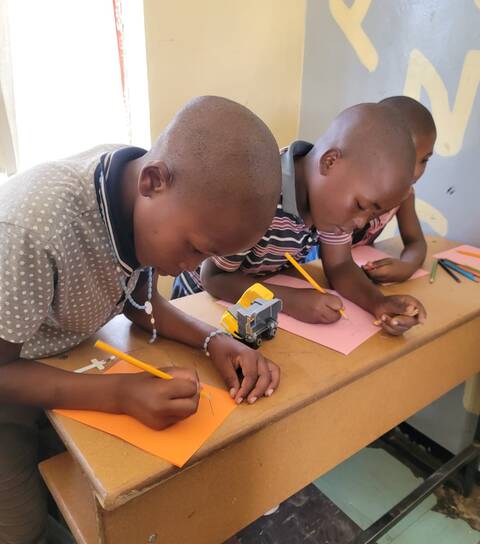
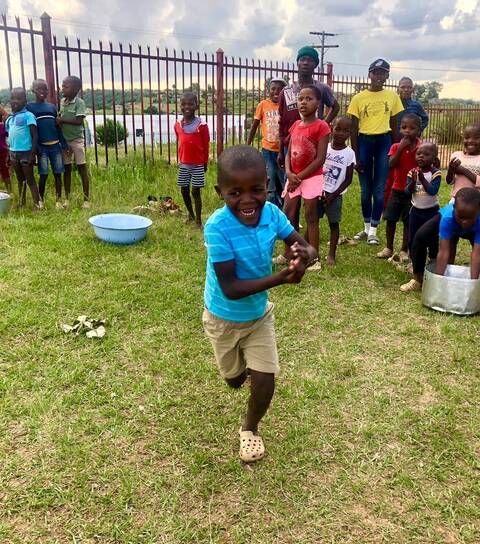
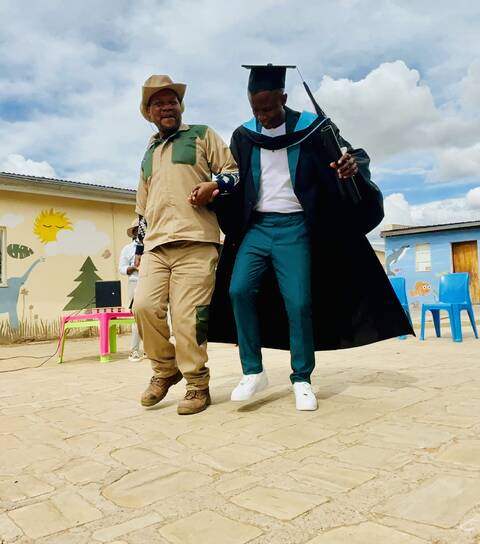
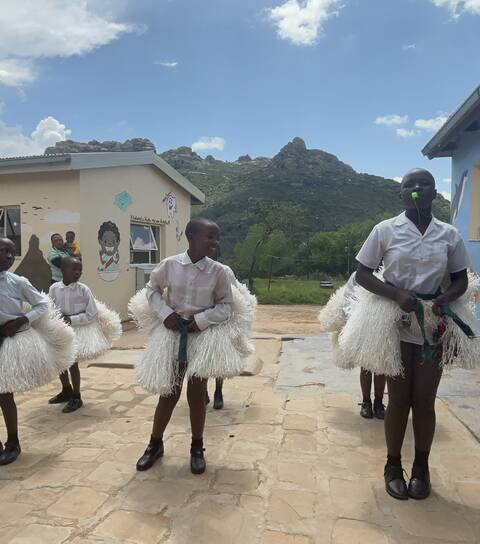
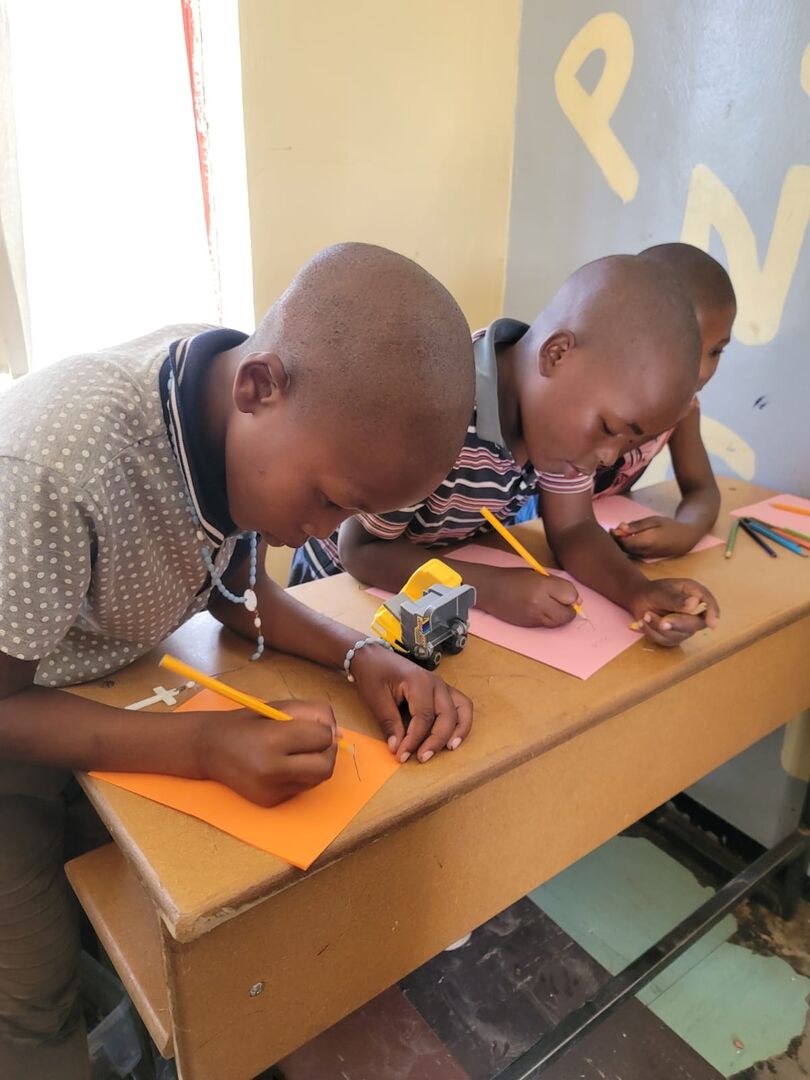
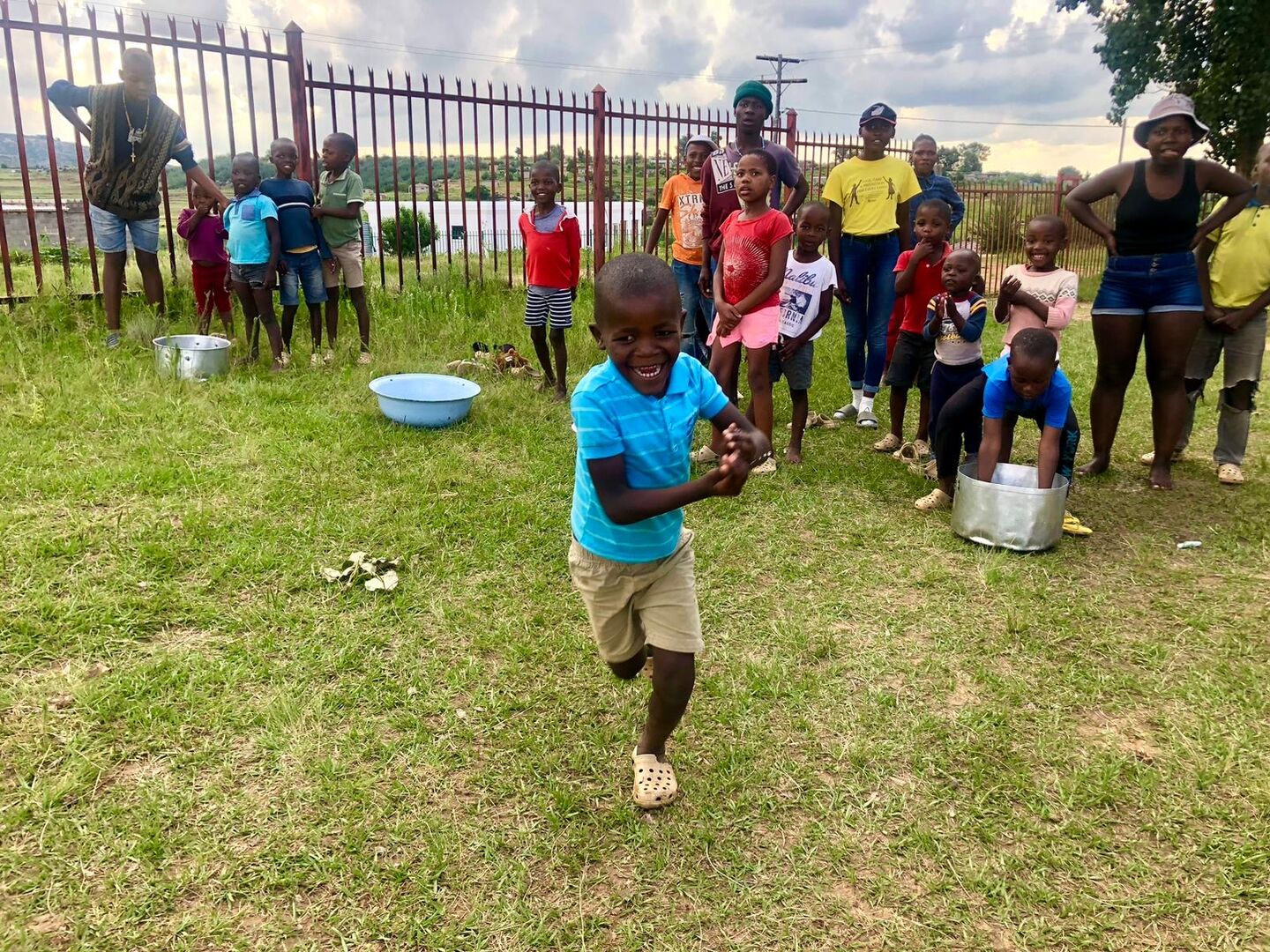
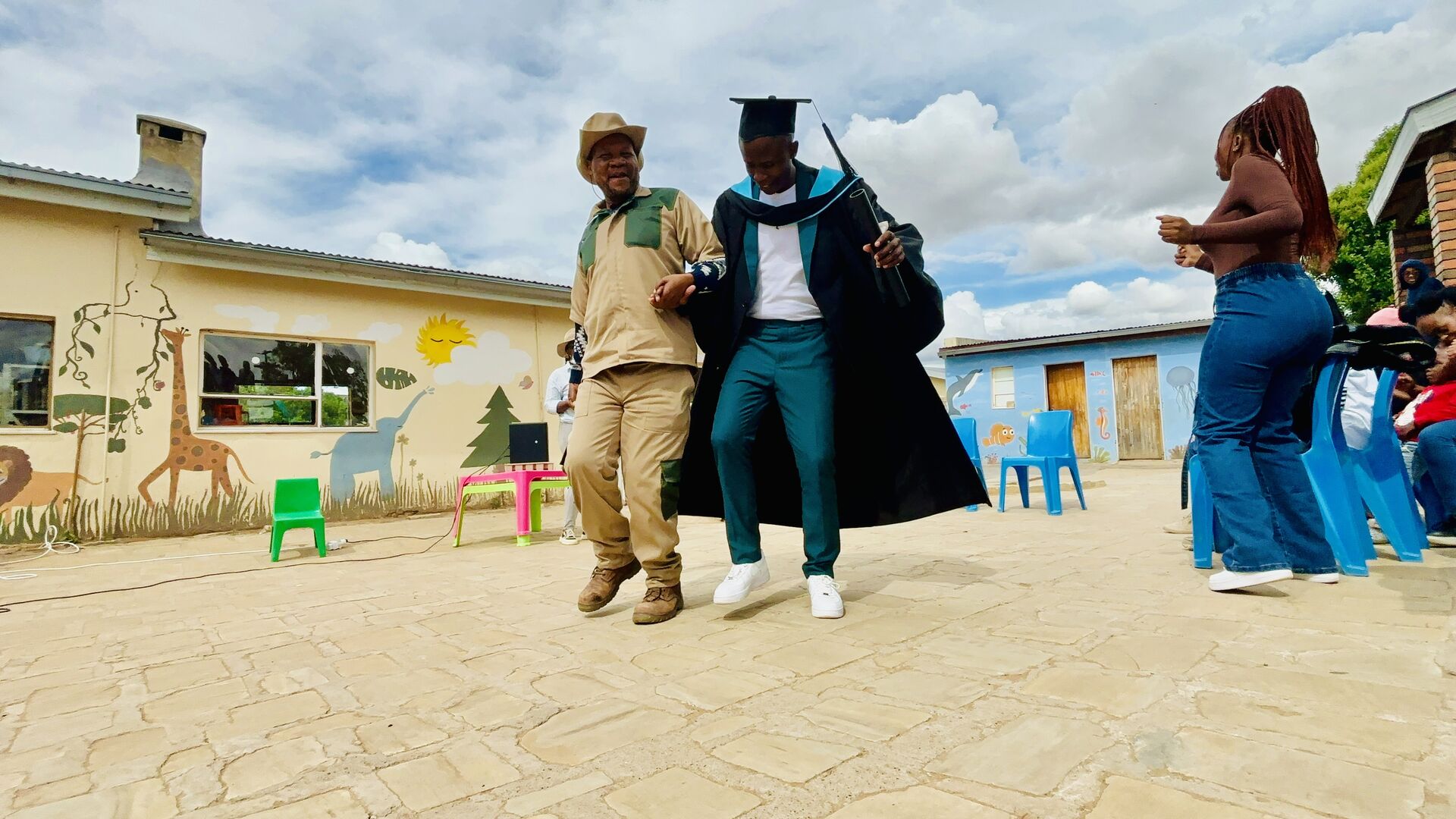
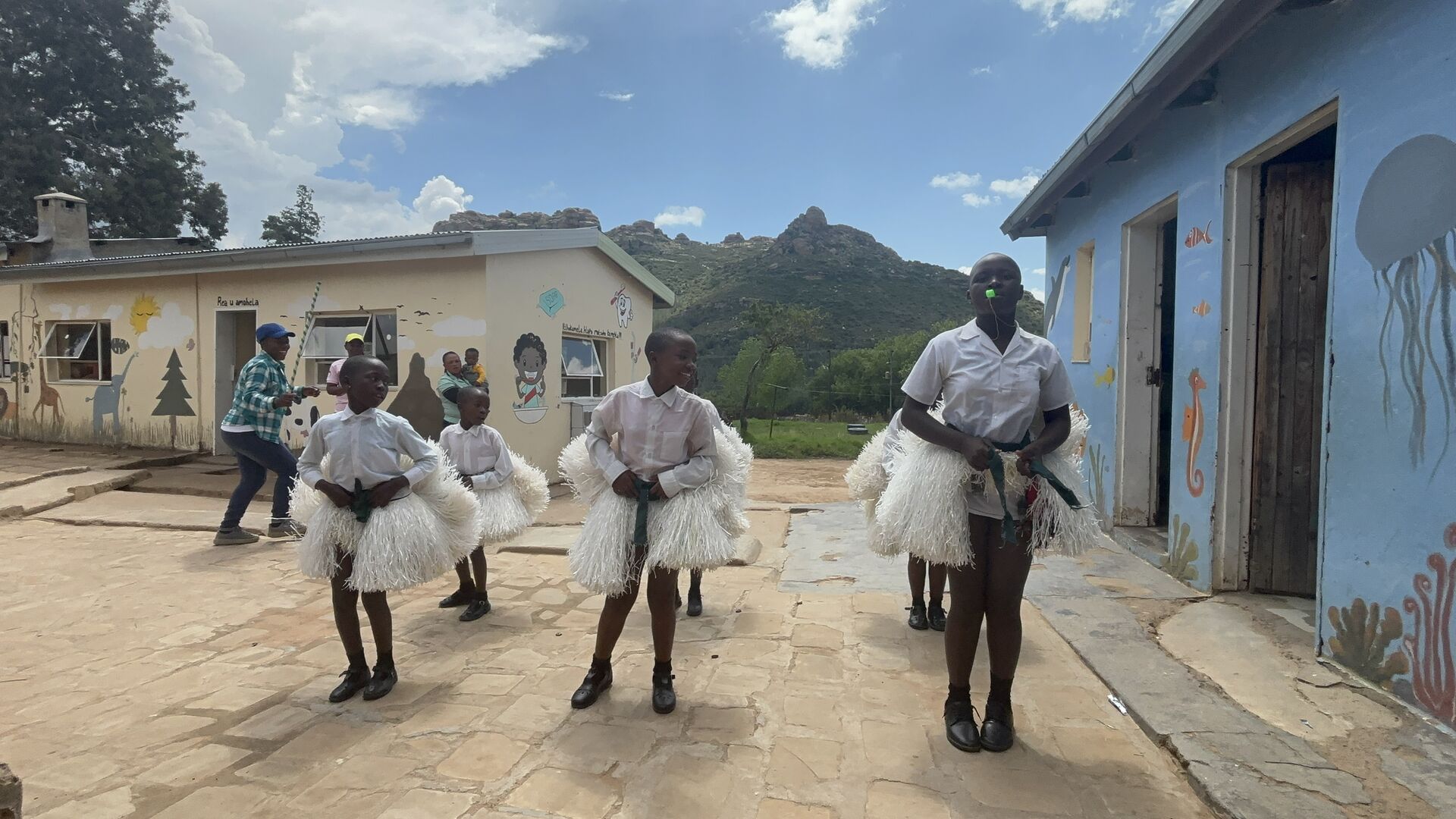
The orphanage provides 24-hour care. Children attend school, participate in afternoon tutoring sessions, and receive psychological support. We also encourage their involvement in sports and recreational activities, including football and dance clubs.
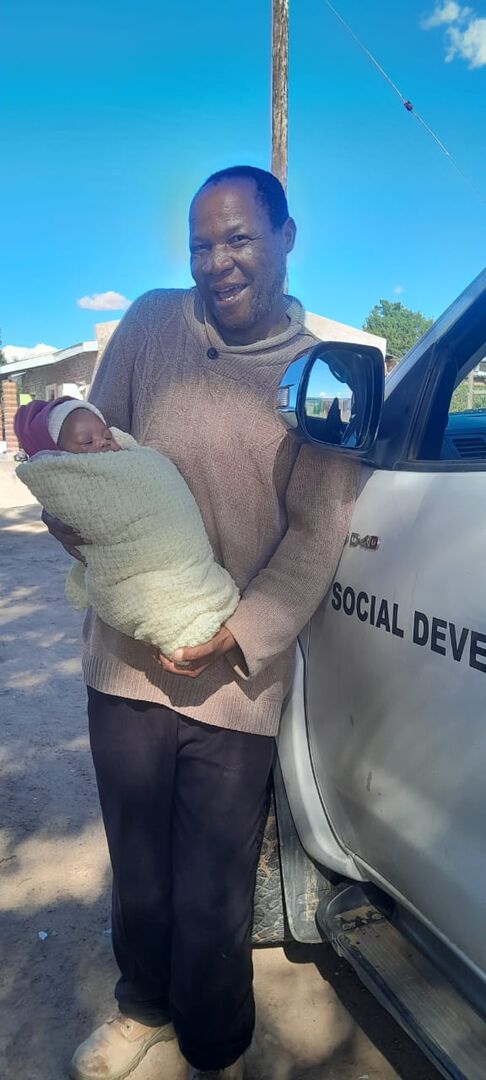
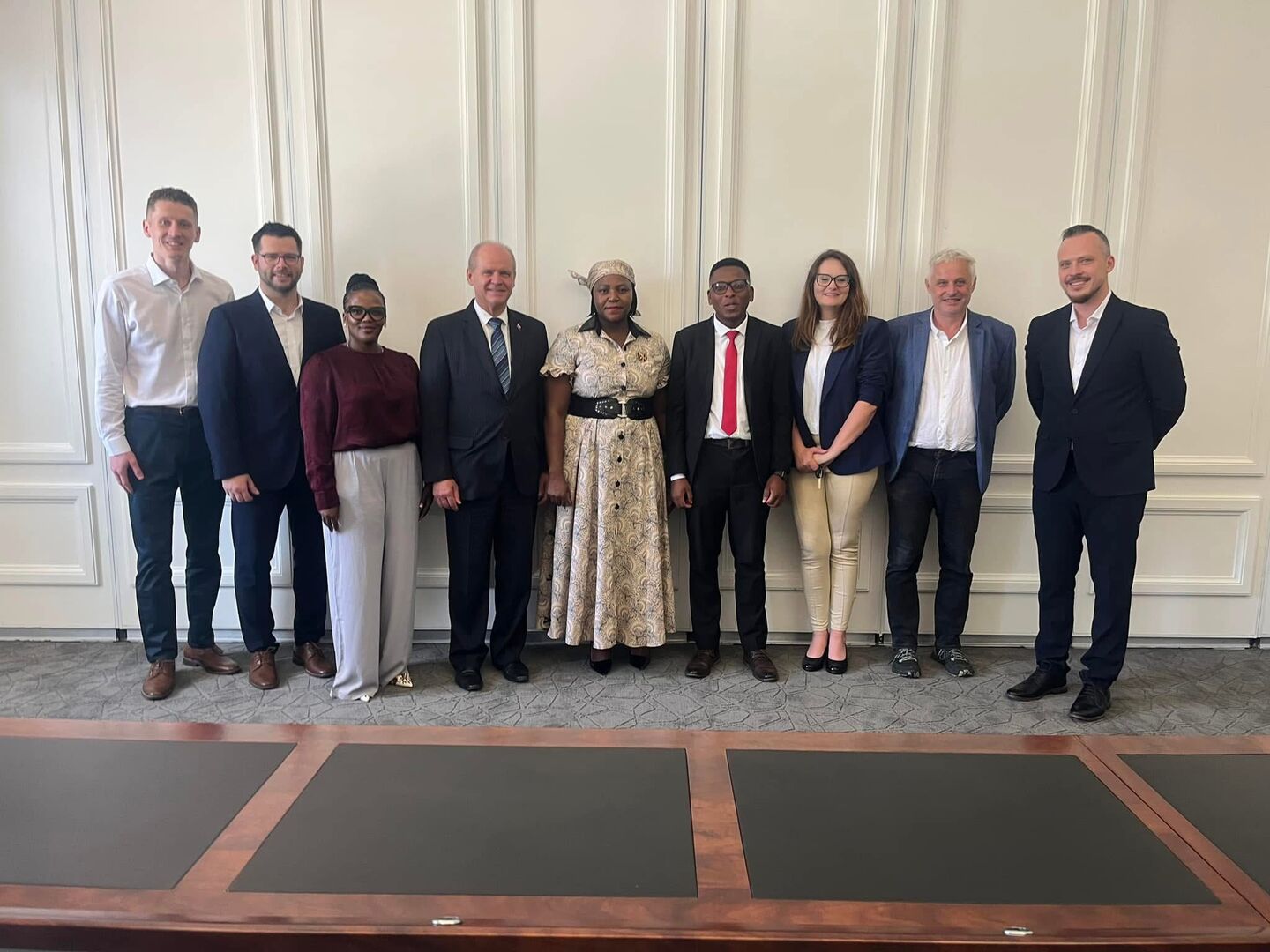
The orphanage is operated by a team of 20 staff members, who ensure not only the care of the children but also the overall functioning of the project. We cooperate with local organisations as well as the Ministry of Social Development of Lesotho. Our goal is to ensure that children feel accepted and safe and are gradually able to adapt to everyday life without being held back by the trauma of their past experiences.
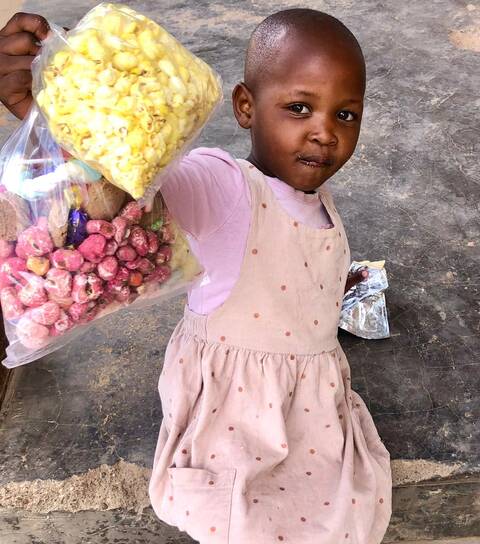
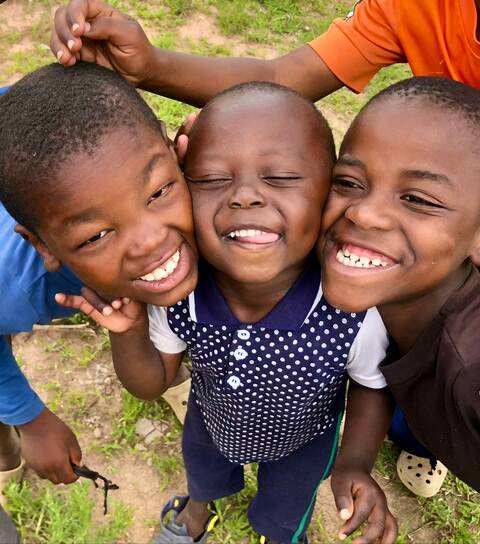
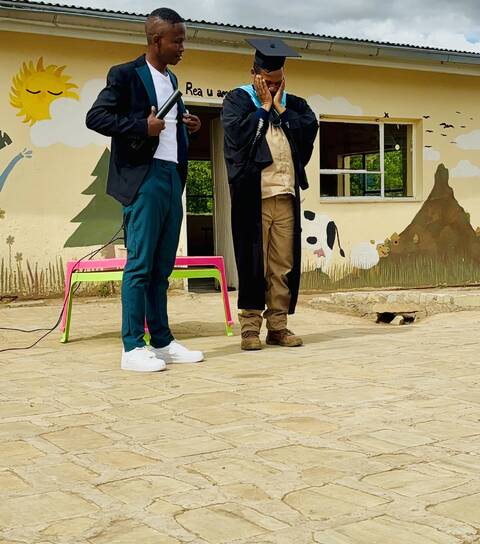
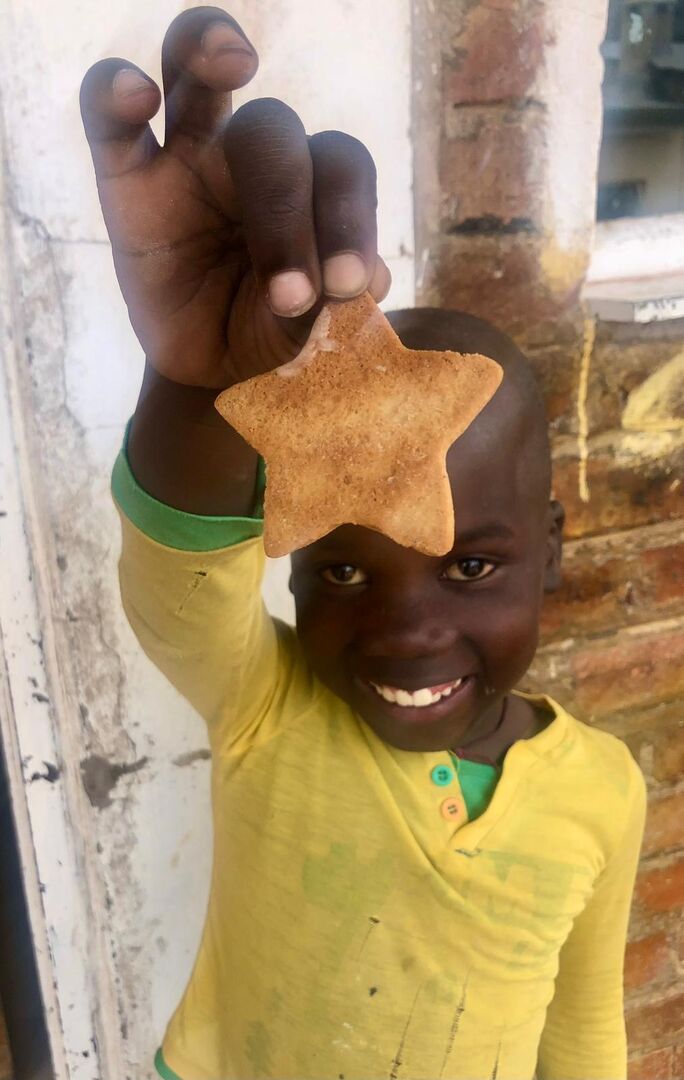
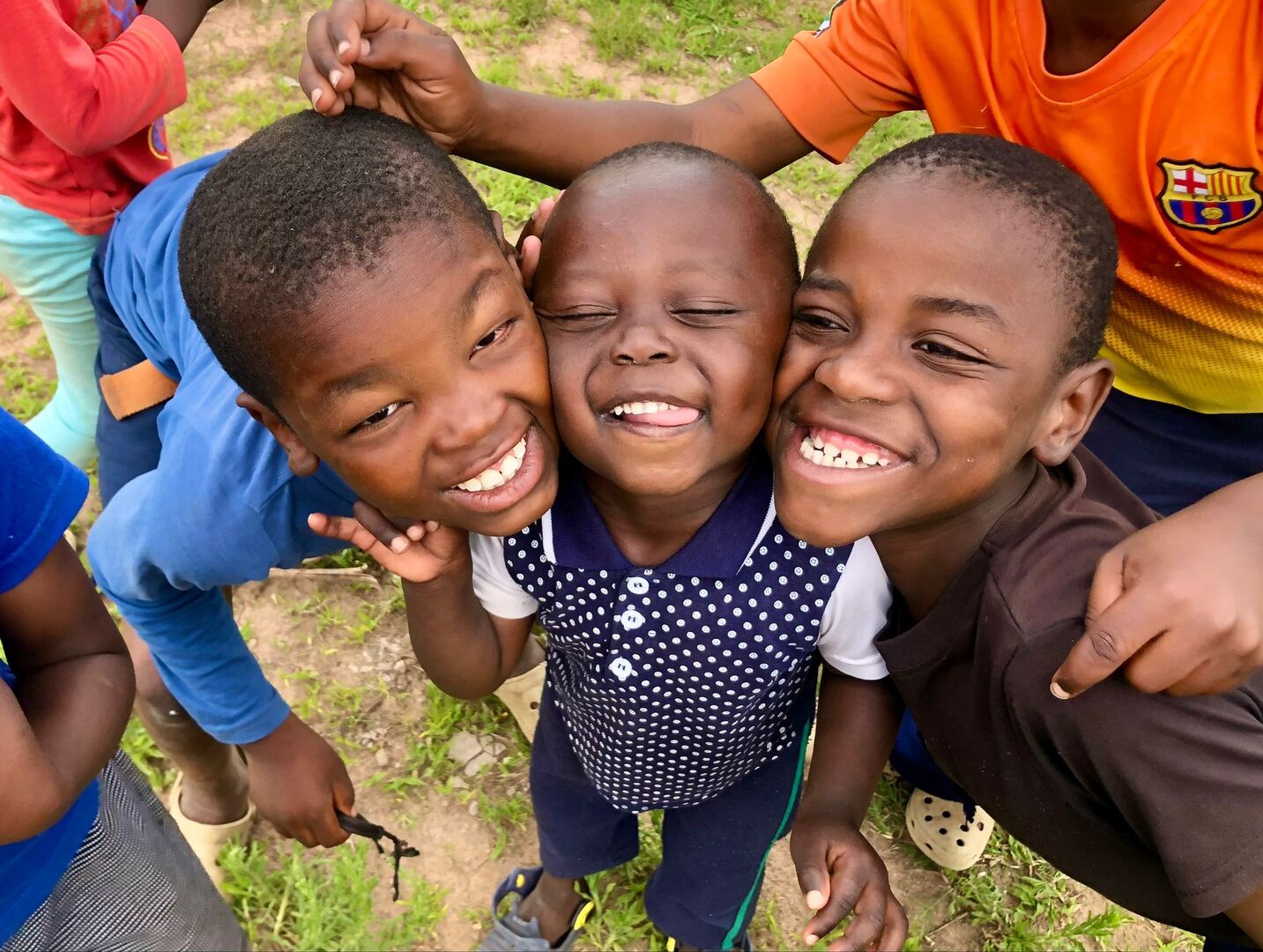
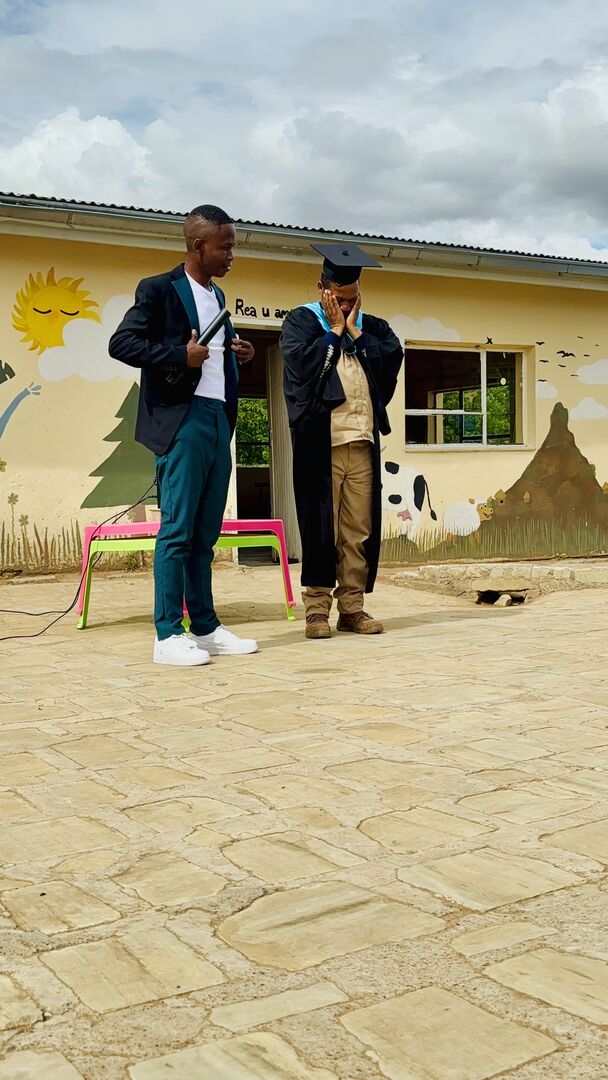
Education is one of our highest priorities, together with proper nutrition. We provide children with nutritionally balanced meals to support their healthy growth and development. We strive to create a family-like environment in which children can build close relationships with their caregivers. Many former residents remain in contact with the orphanage and often return to support younger children.
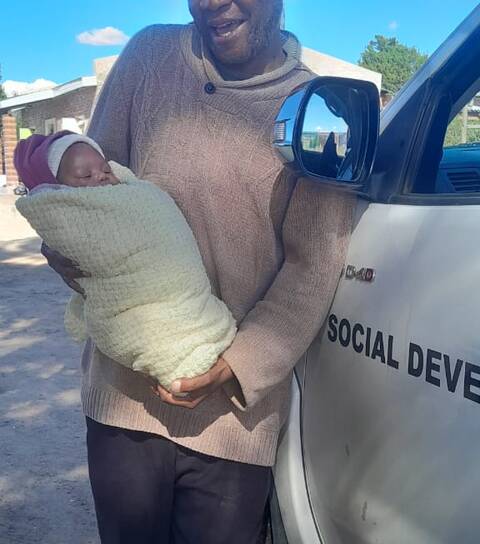
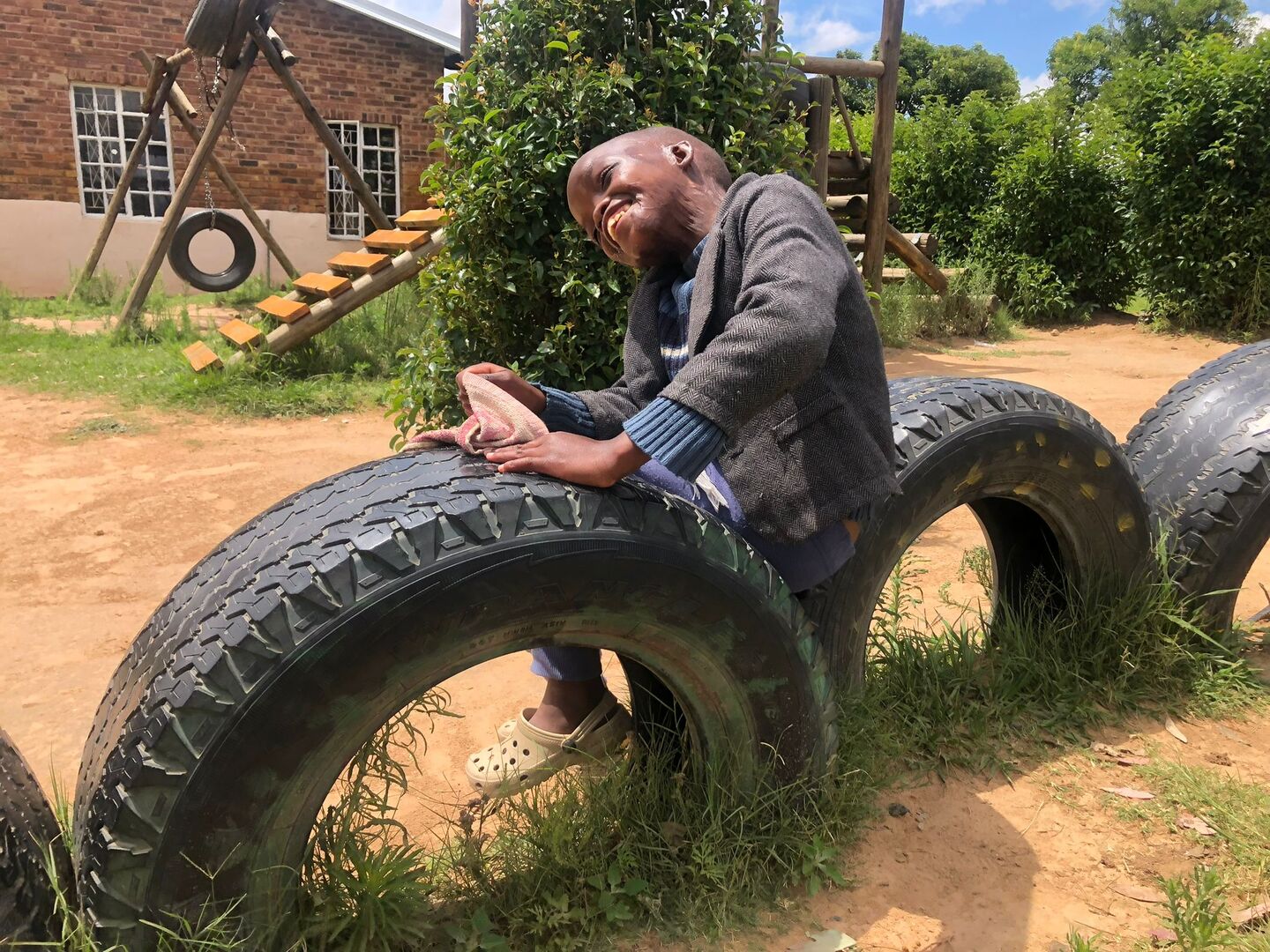
The orphanage cares for children from a wide range of backgrounds, including orphans, newborns abandoned shortly after birth, children who have experienced physical or sexual abuse, witnesses of crimes placed under protection, and children with health conditions whose families were unable to provide adequate care. Every child deserves the opportunity for a better future, and we are committed to helping them achieve it.
NGO
20
1 cook
9 caregivers
1 night security guard
1 day security guard
2 afternoon teachers
1 gardener
1 psychologist
1 social worker
1 driver
1 local priest
1 Slovak team
24/7 care
Lesotho is among the countries with the highest HIV/AIDS prevalence rates in the world. According to UNAIDS (2023), the estimated HIV prevalence among adults aged 15–49 is 20.9%, making Lesotho the second most affected country globally, after Eswatini. As a result of the high infection rate, many children have lost one or both parents and have become orphans.
Unemployment is another major challenge facing the country. According to the World Bank (2023), the official unemployment rate in Lesotho is 24%, while the situation among young people aged 15–24 is even more critical, with approximately 33% unemployed. Many families lack the financial resources to care for the children of deceased relatives, leaving many children without adequate support or a stable home environment.
In addition to HIV/AIDS and unemployment, Lesotho continues to struggle with widespread poverty. According to UNDP (2021), approximately 49.7% of the population lives below the poverty line. Malnutrition and limited access to basic services contribute to high levels of chronic undernutrition among children, affecting approximately 34% of children under five years of age (UNICEF, 2022).
Lesotho also faces challenges in child protection. Although the government has introduced measures to protect children's rights, limited financial resources and infrastructure mean that many children remain exposed to violence, abuse, and neglect. Some eventually end up living on the streets, where they face risks such as crime, exploitation, and sexual abuse.
The work of St. Cecilia Orphanage is a response to these challenges. We strive to provide children not only with a safe home, but also with education, nutrition, and psychological support that will enable them to build a better future.
UNAIDS (2023) – HIV Estimates for Lesotho: www.unaids.org
World Bank (2023) – Unemployment Rate in Lesotho: www.worldbank.org
UNDP (2021) – Human Development Report on Poverty in Lesotho: www.undp.org
UNICEF (2022) – Child Nutrition and Health in Lesotho: www.unicef.org
At St. Cecilia Orphanage, we strive to provide children not only with a safe home but also with a stable future. Our work covers a wide range of activities focused on the physical, psychological, social, and educational needs of children, as well as on the development of the local community.
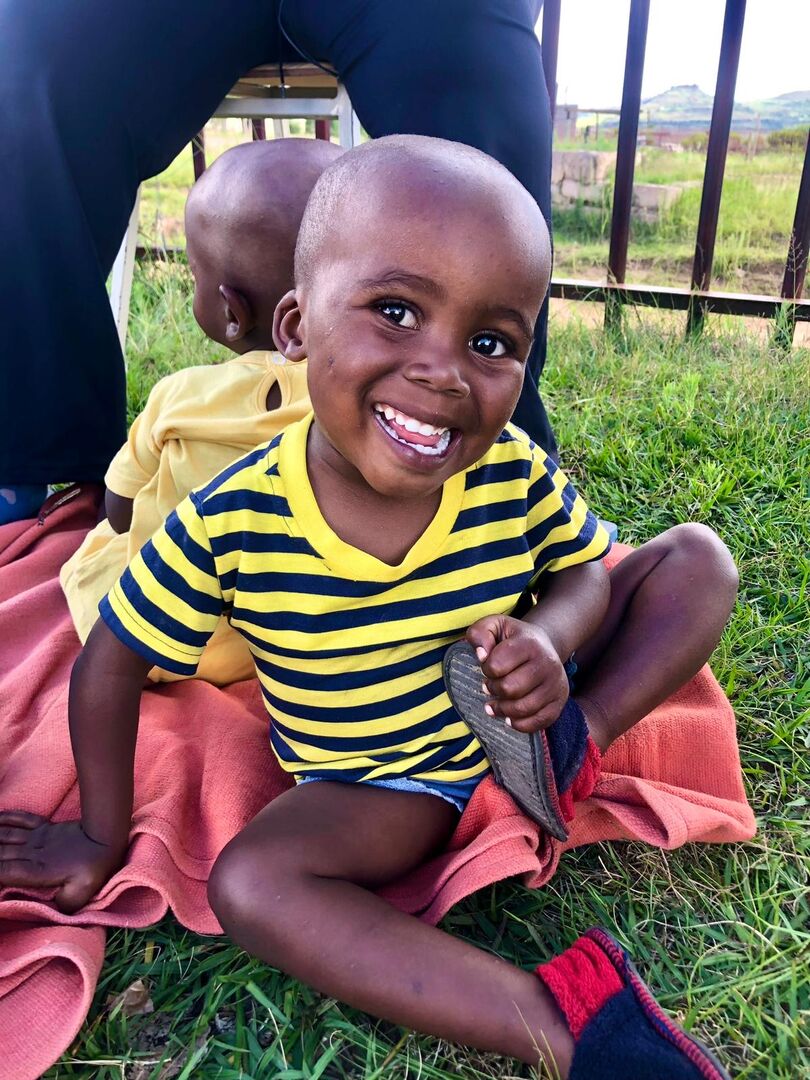
We provide 24/7 care for more than 50 children of different ages and backgrounds.
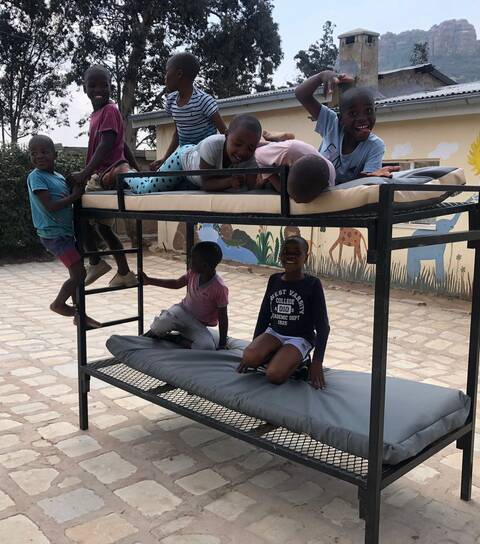
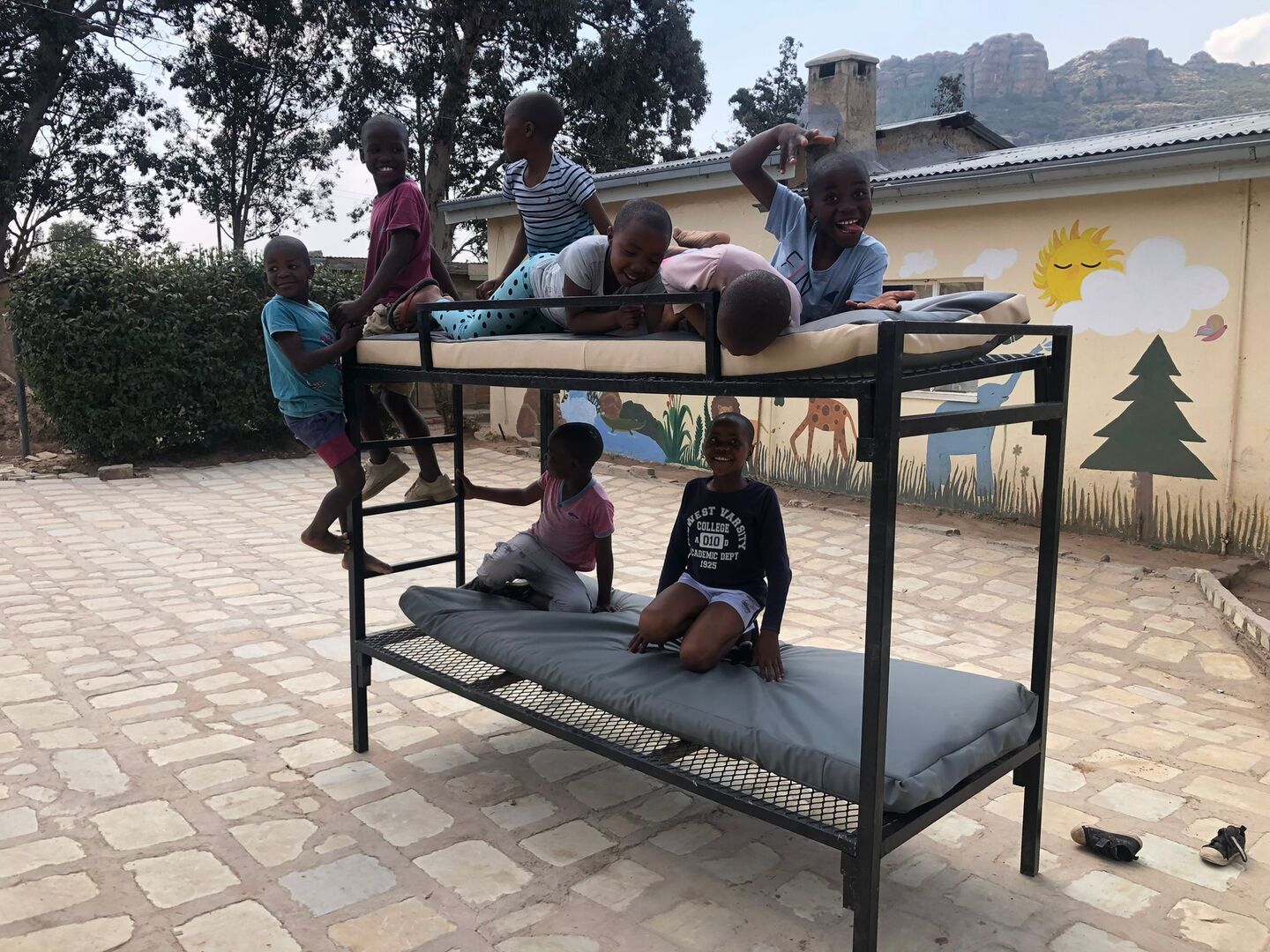
We ensure access to food, clothing, accommodation, and healthcare so that children have everything they need for healthy development.
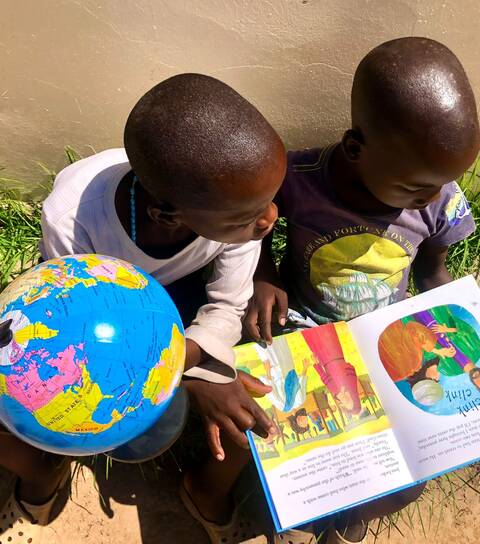
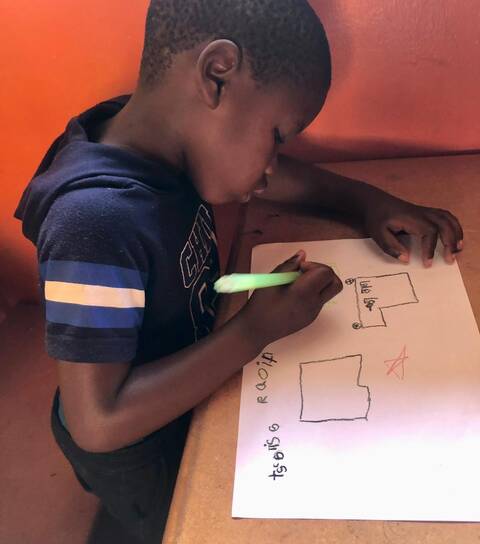
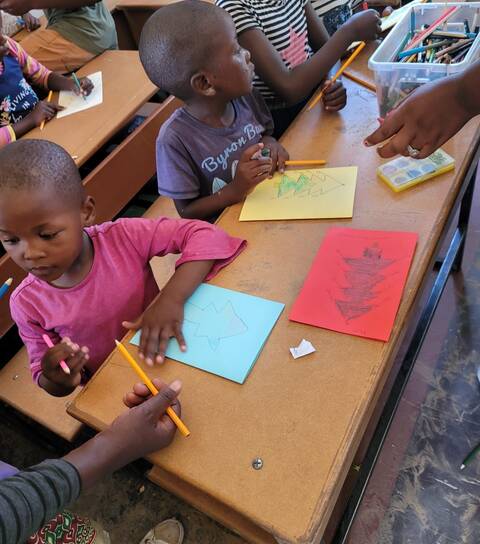
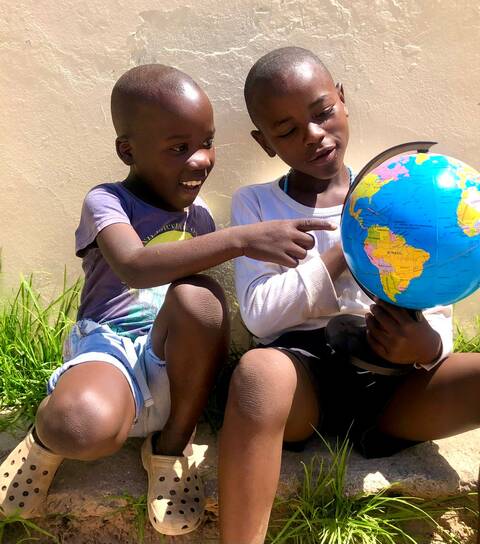
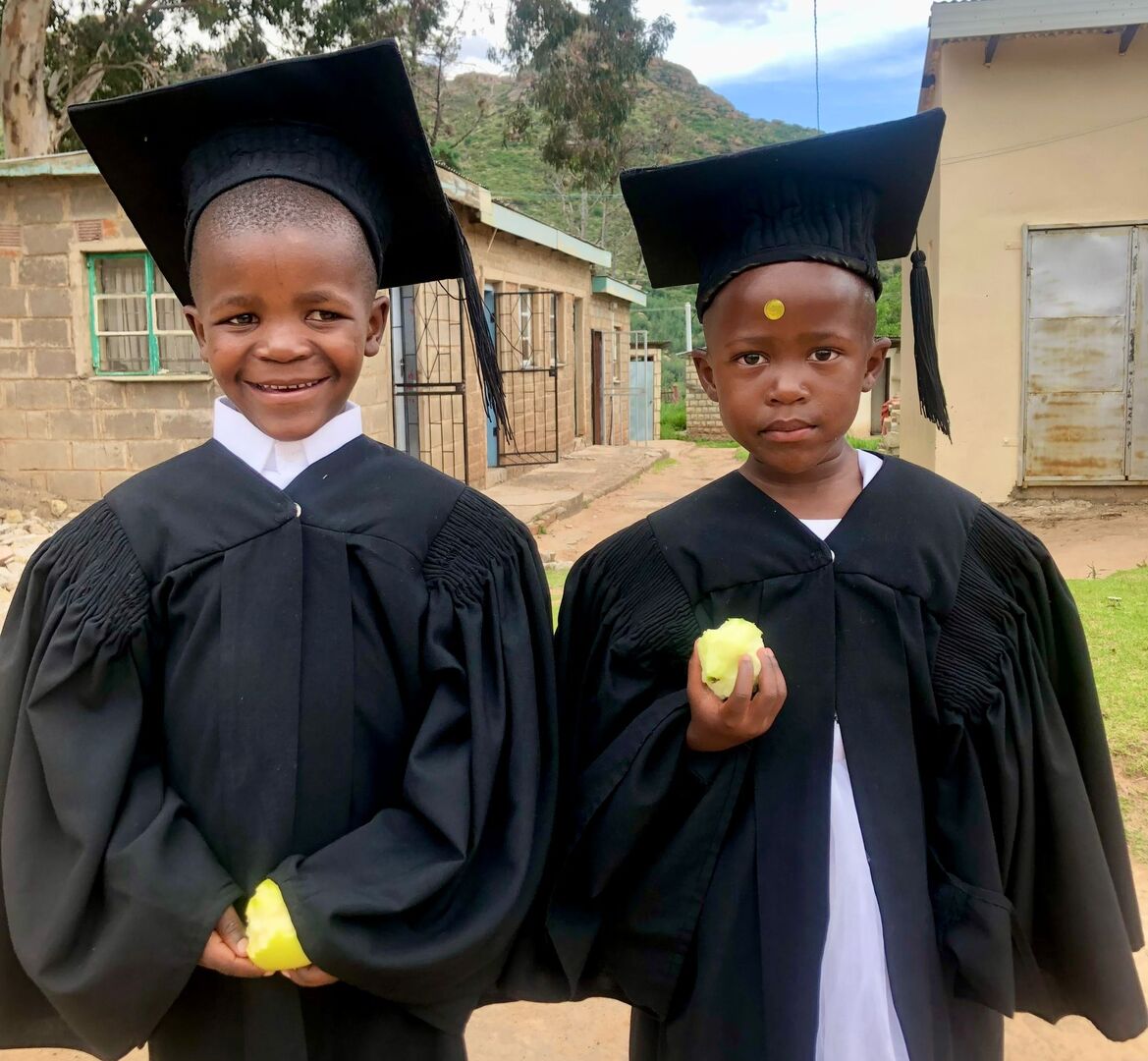
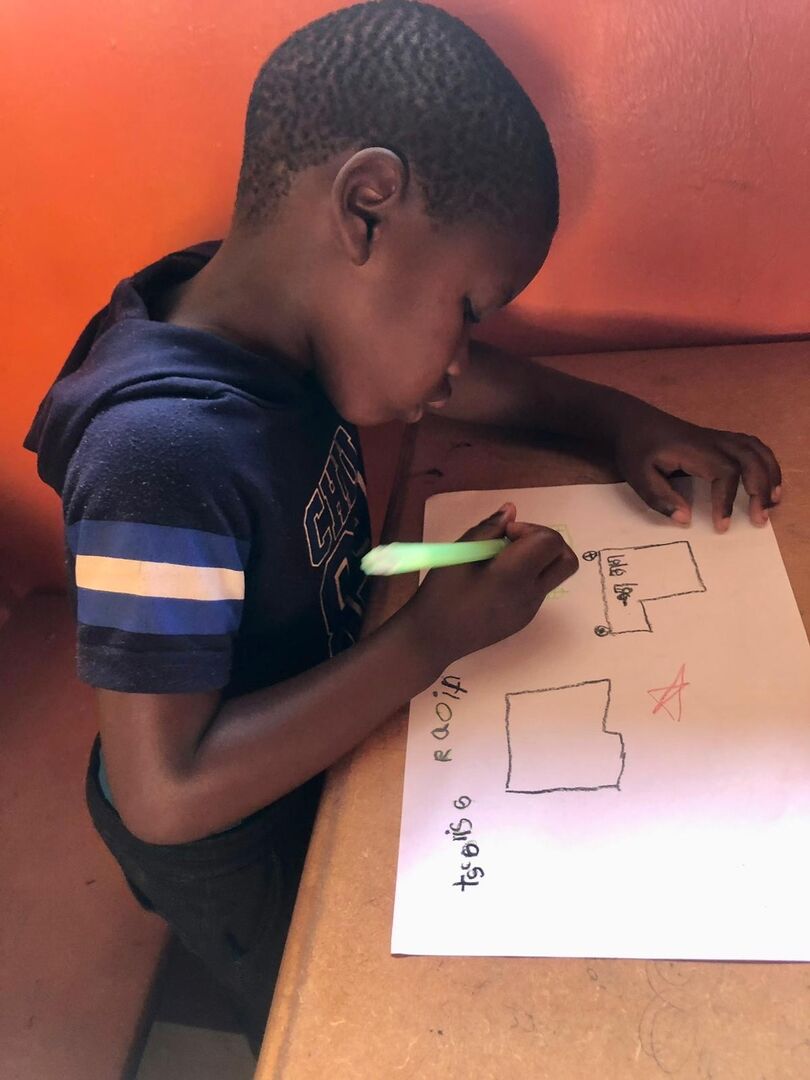
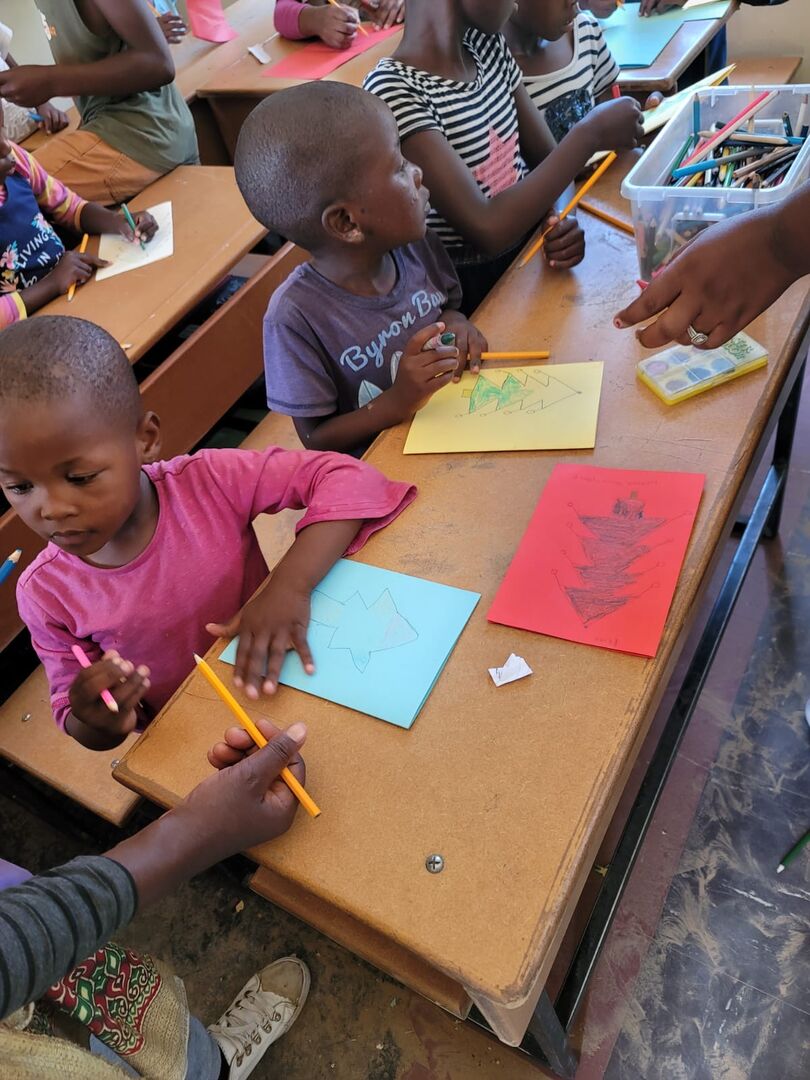
Children have access to education, school supplies, and tutoring to help them build a better future.
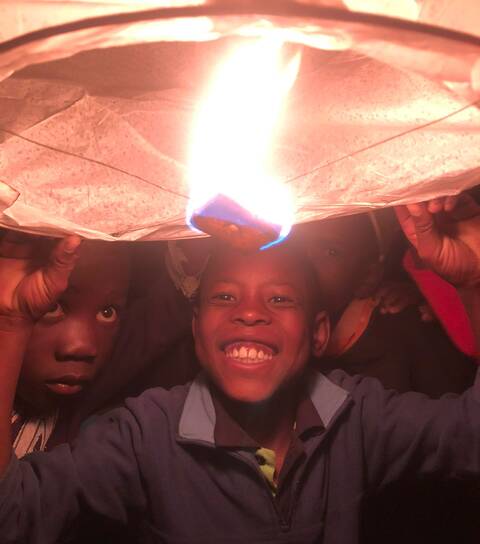
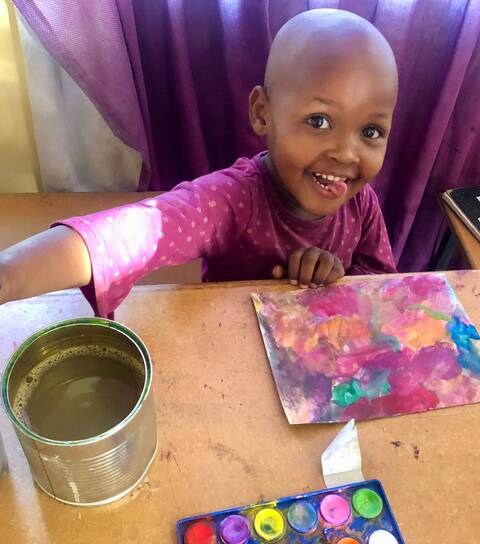
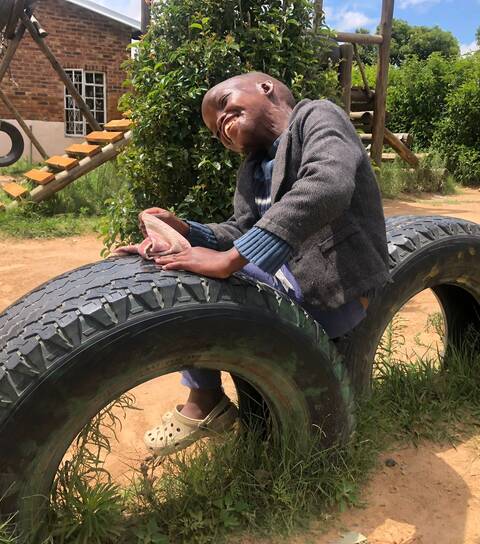
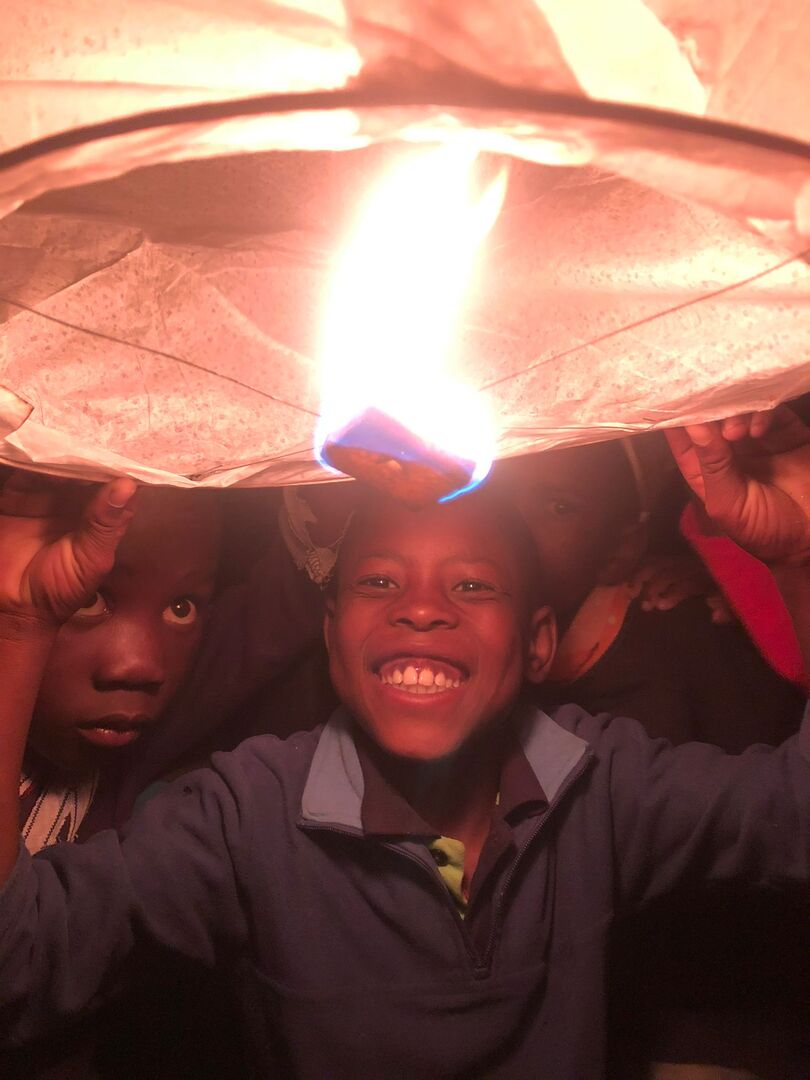
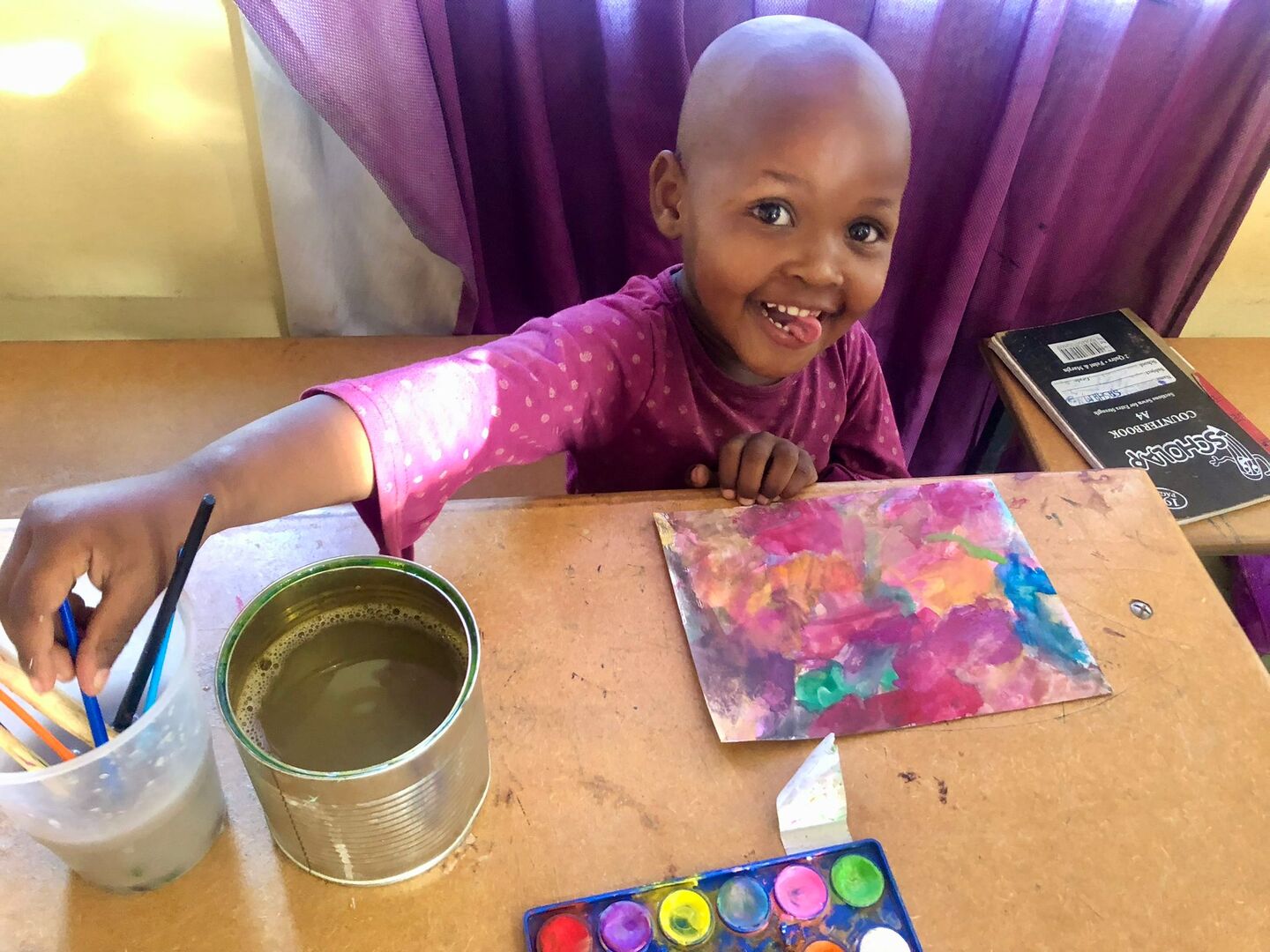
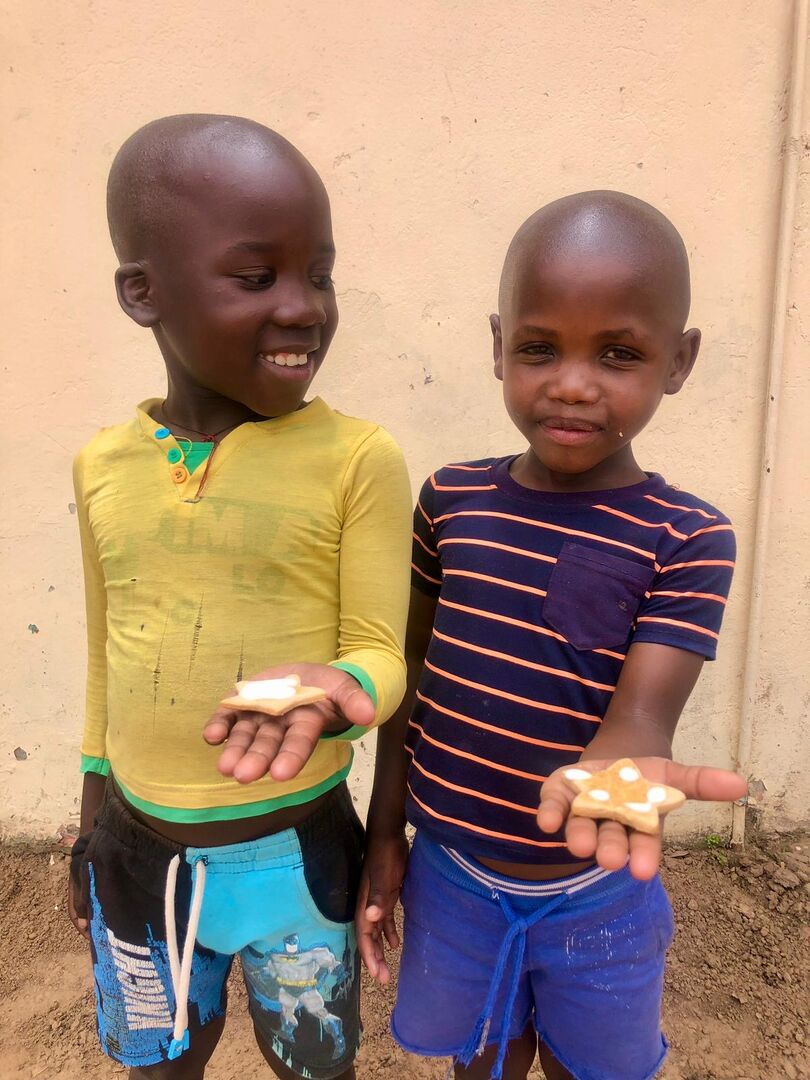
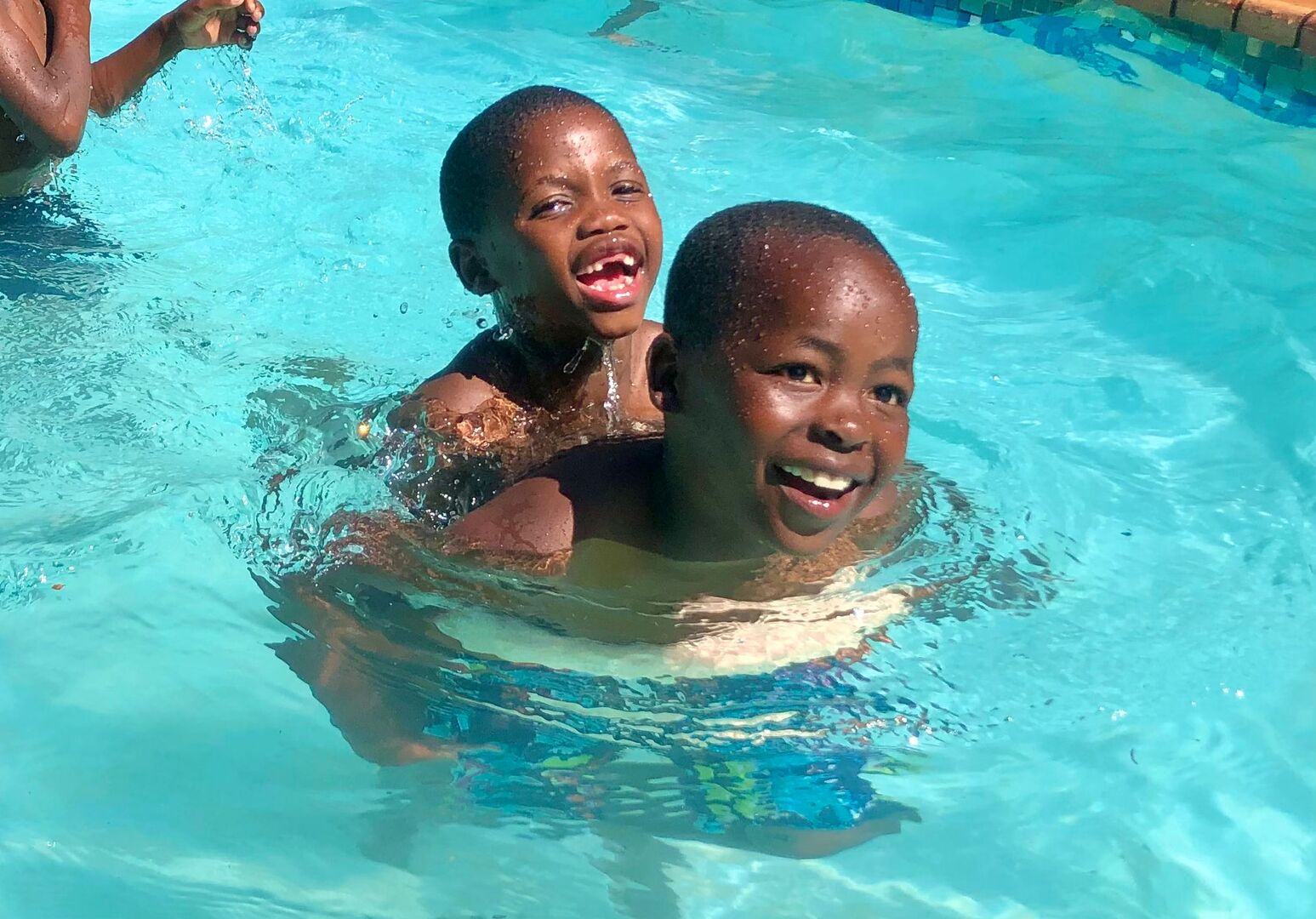
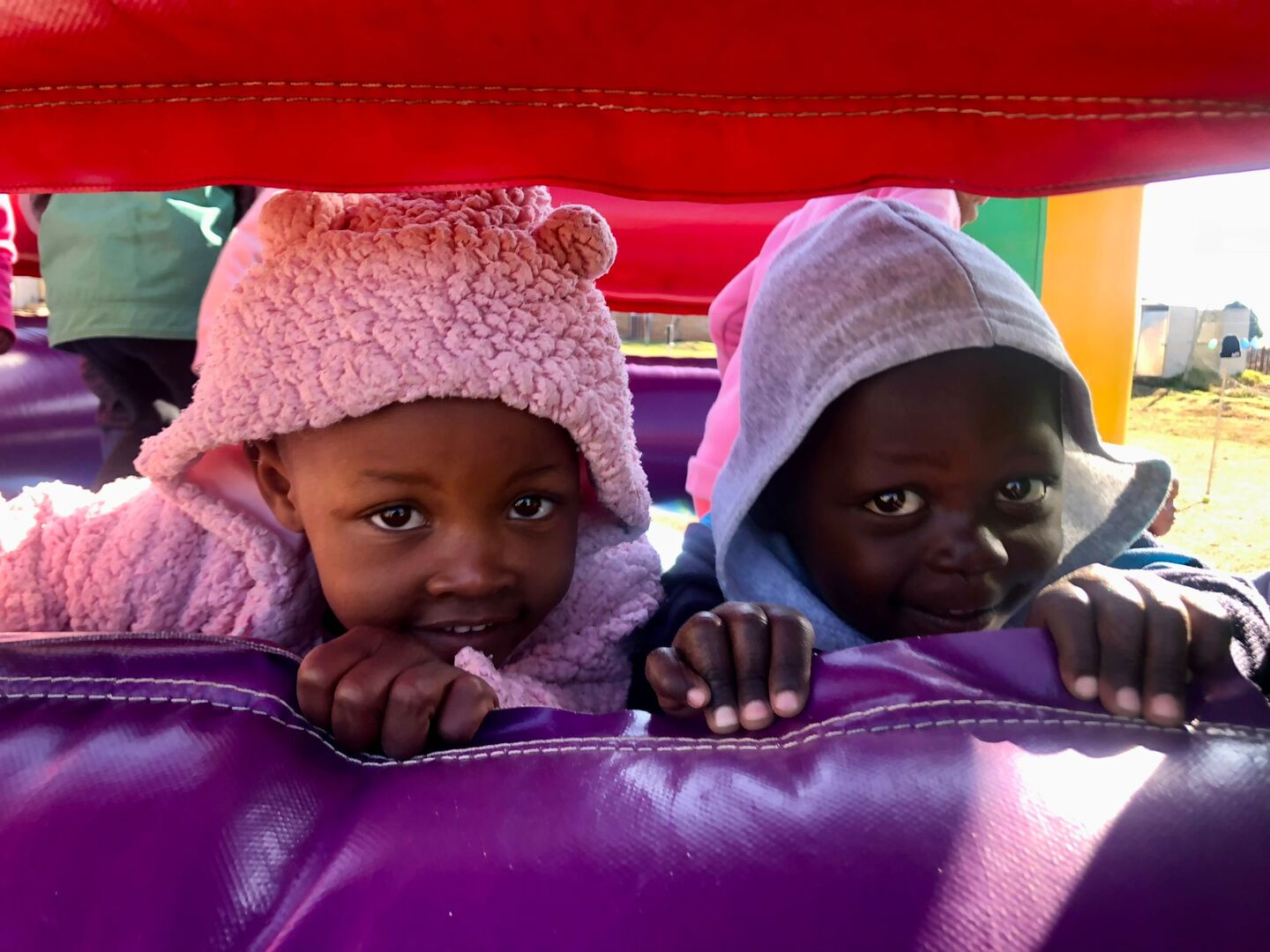
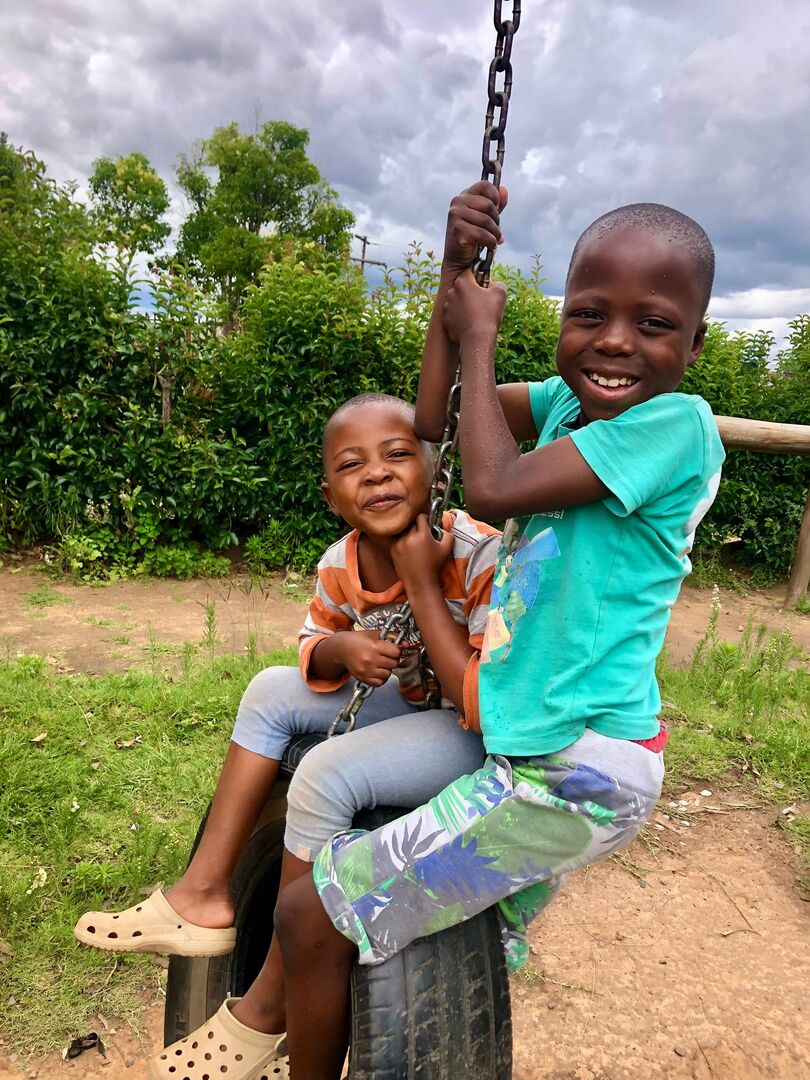
We organise recreational activities such as football training, dance clubs, and creative workshops that help children develop their talents.
As mental health remains a sensitive and often neglected topic in Lesotho, we actively work to raise awareness.
We provide psychological support for children who have experienced trauma, violence, or abuse.
Our staff regularly participate in training focused on working with traumatised children and supporting their successful integration into society.
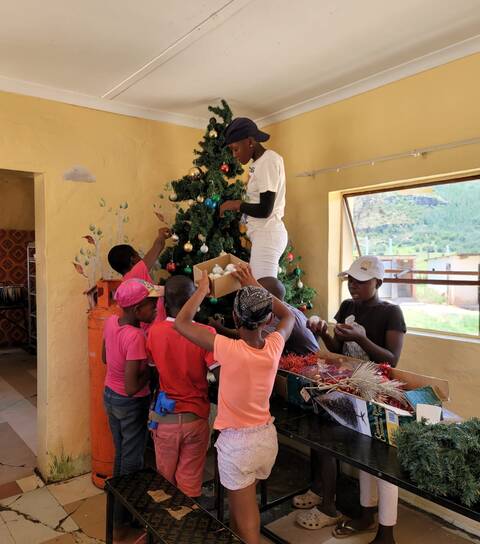
Every year, volunteers from Slovakia join our project and assist with the daily operation of the orphanage.
They contribute to educational activities, recreational programmes, and personal support for the children.
They also help identify opportunities for local support and encourage broader community involvement in the project.
We regularly organise educational sessions and workshops for both staff and children on topics such as:
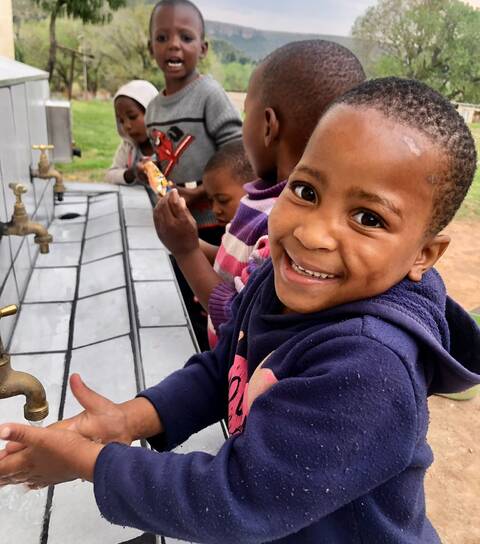
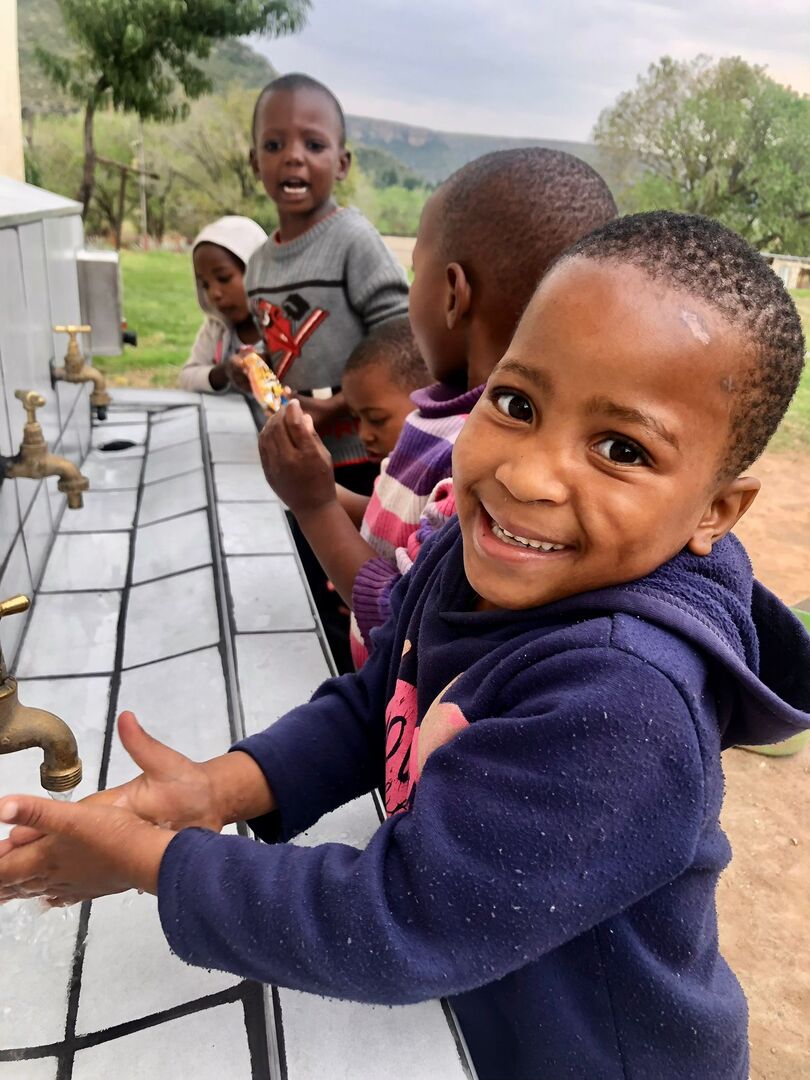
Health care and hygiene
Children's rights
Mental health
Personal development and self-confidence
Continuous staff training is essential to ensuring the highest possible standard of care for the children.
Every day, we work to improve living conditions for both the children and the staff of the orphanage.
With the support of partners and donors, we continue to improve infrastructure, accommodation facilities, and equipment.
We place strong emphasis on providing nutritionally balanced meals that support healthy growth and development.
The orphanage is not only a place of shelter; our goal is to prepare children for independent living.
We help them gain education, employment opportunities, and stability so they can successfully integrate into society.
We maintain contact with former residents, many of whom remain part of our community and continue supporting younger children.
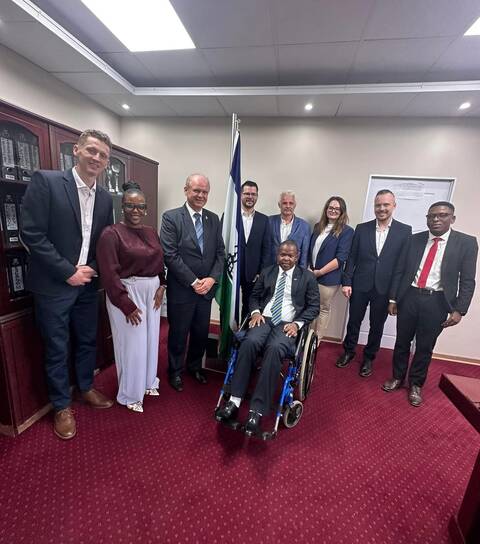
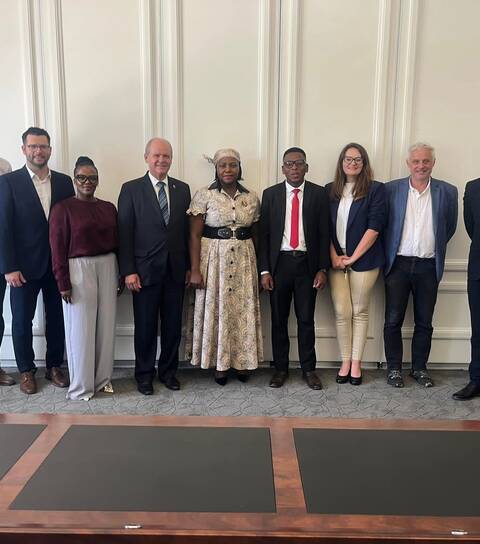
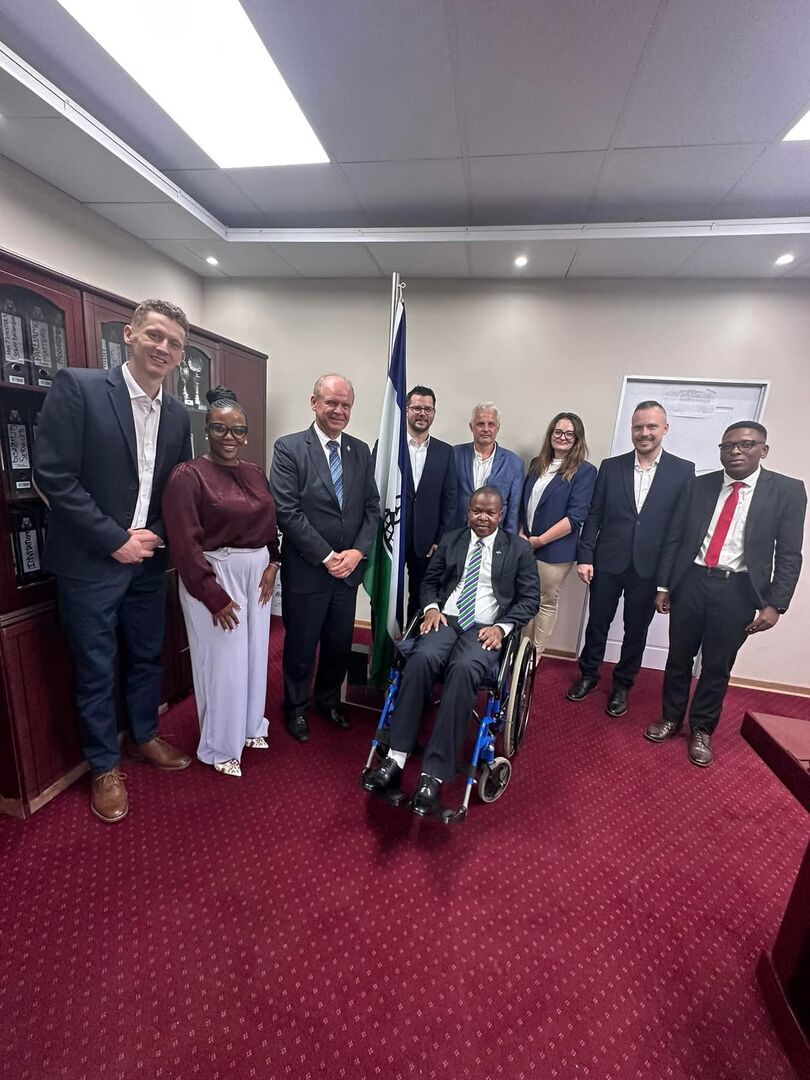
Our key partners include the Ministry of Social Development of Lesotho, as well as various local businesses and organisations.
Together, we work to protect children's rights, improve living conditions, and create opportunities for community development.
Lesotho remains one of the world's poorest countries, with nearly 50% of the population living below the poverty line (UNDP, 2021).
We seek not only to support children but also to create employment opportunities for local people, thereby strengthening both the community and the local economy.
Every day, we strive to change the lives of children in Lesotho by providing education, care, and hope for a better future. With continued support, we can achieve even more.