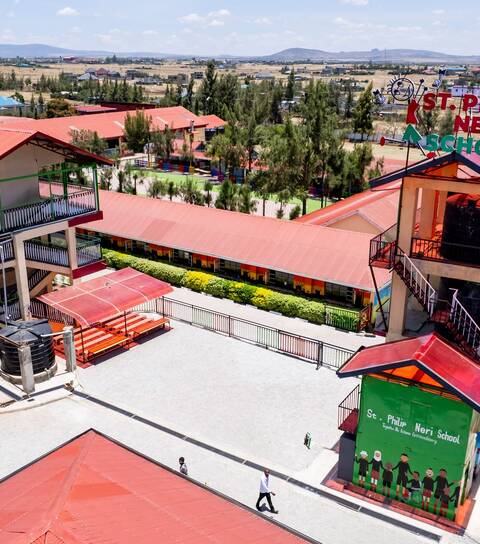
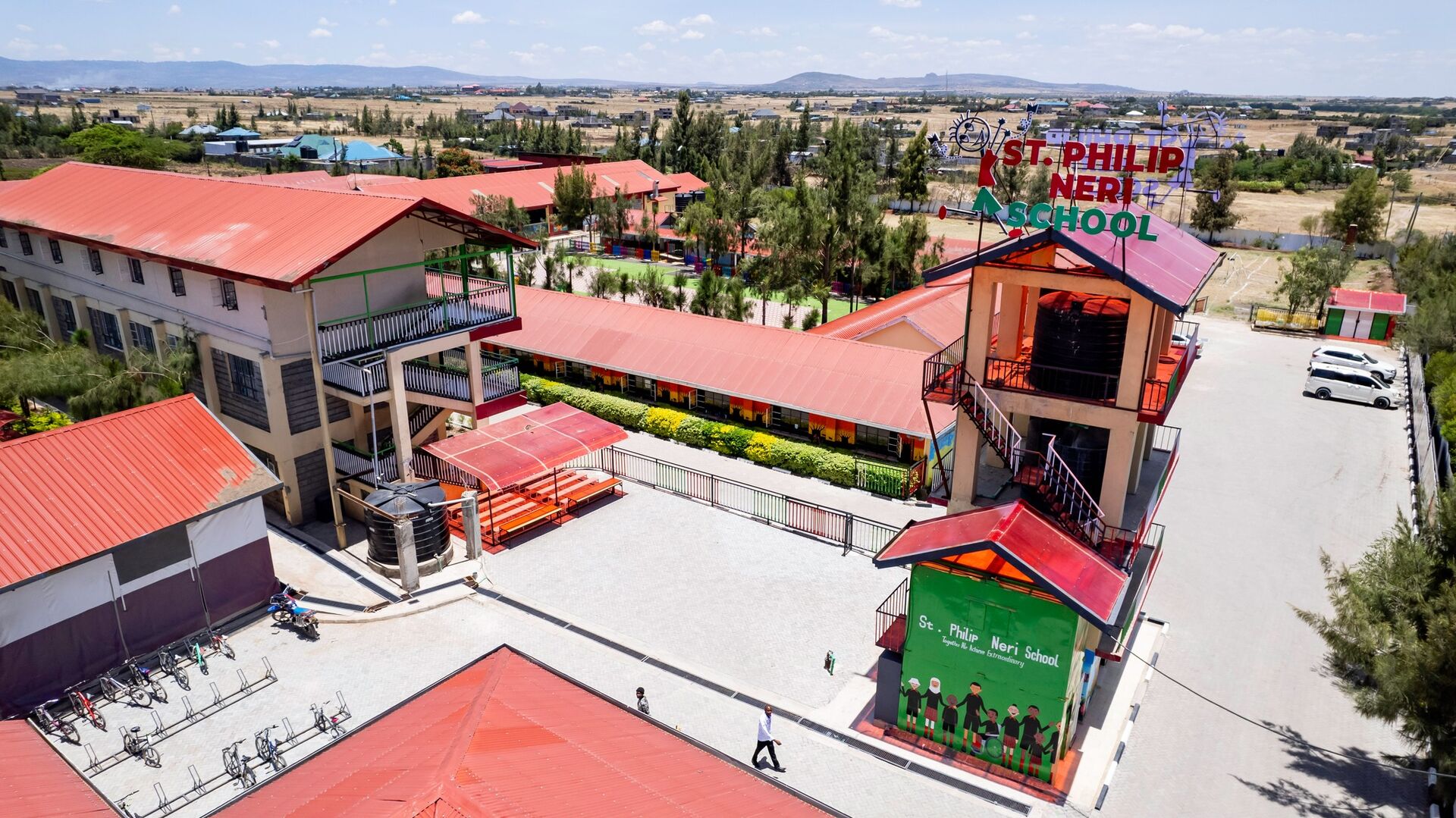
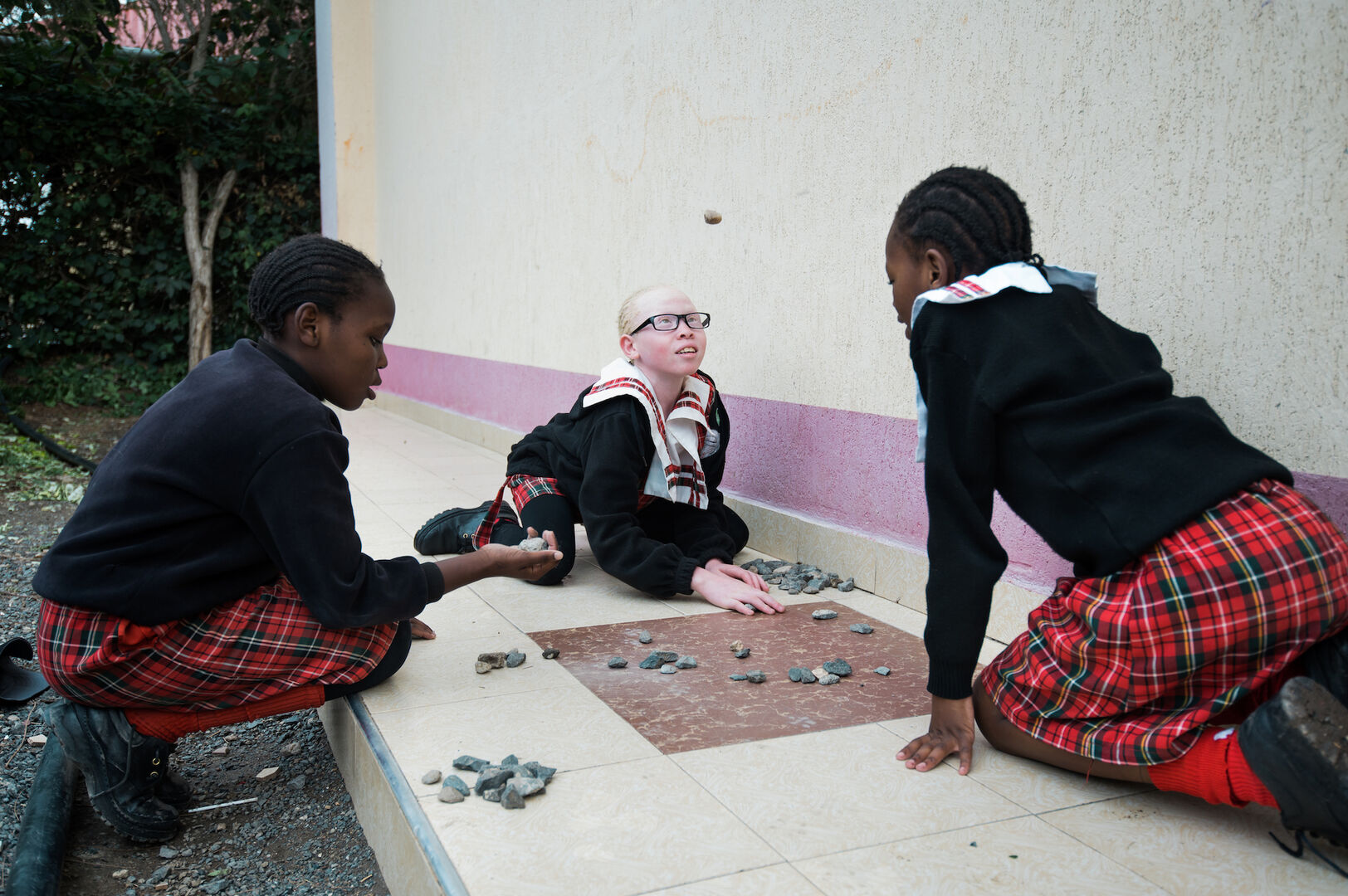
St. Philip Neri Primary and Junior Secondary School was established in 2013 in the community of Joska, located in Machakos County, Kenya. Joska is classified as a semi-arid region and, at the time the school was founded, was only sparsely populated, with most residents relying on small-scale farming as their primary source of livelihood.
The school was built with the support of SlovakAid (Official Development Assistance of the Slovak Republic) and St. Elizabeth University of Health and Social Work.
The early years of the school were challenging due to incomplete facilities resulting from difficulties with the construction contractor, as well as significant infrastructure limitations, including the absence of proper roads, electricity, and water connections. Despite these obstacles, the school opened its doors to 180 pupils and gradually expanded through the continued support of SlovakAid, St. Elizabeth University, and other generous donors.
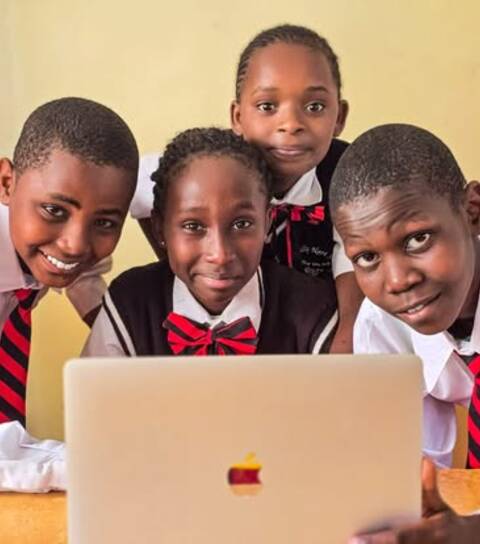
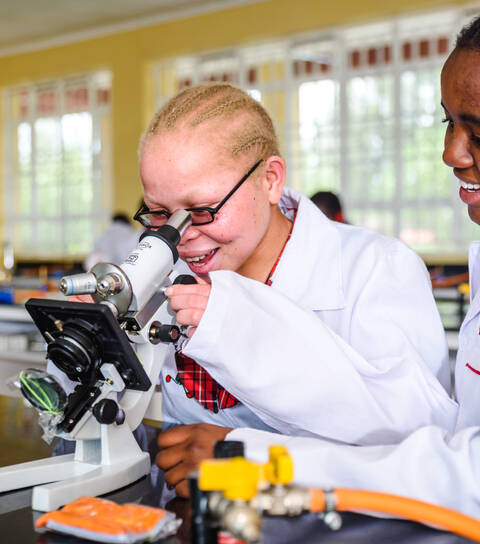
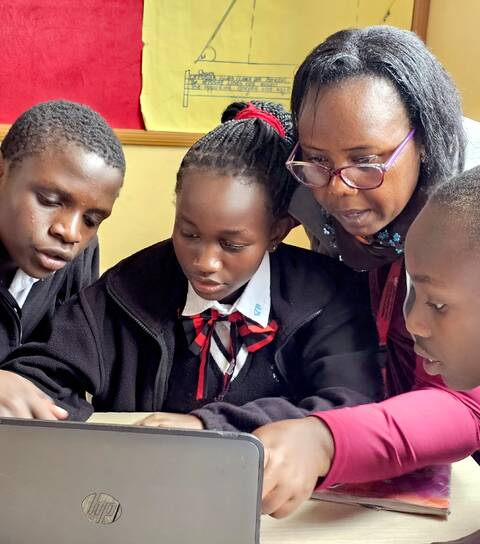
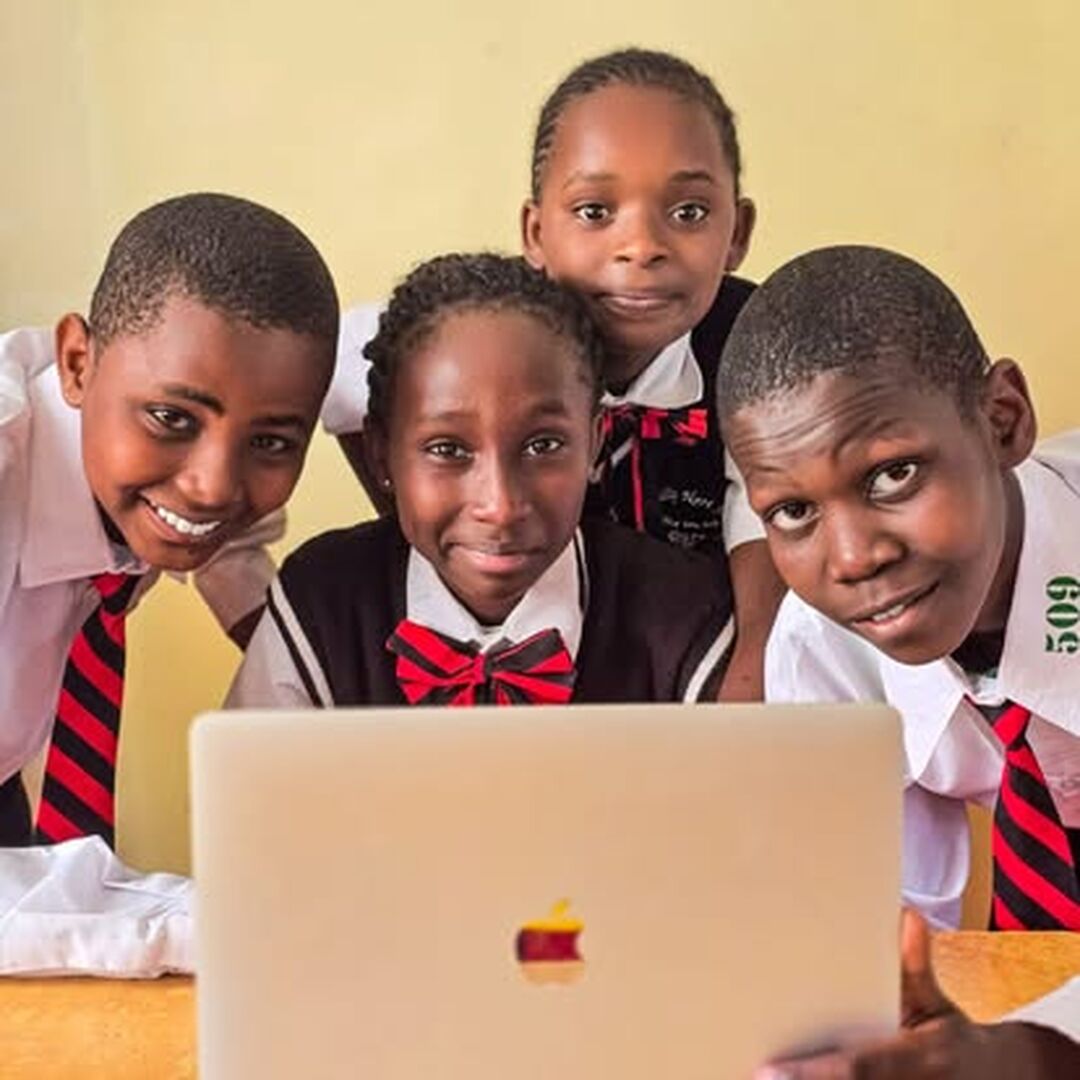
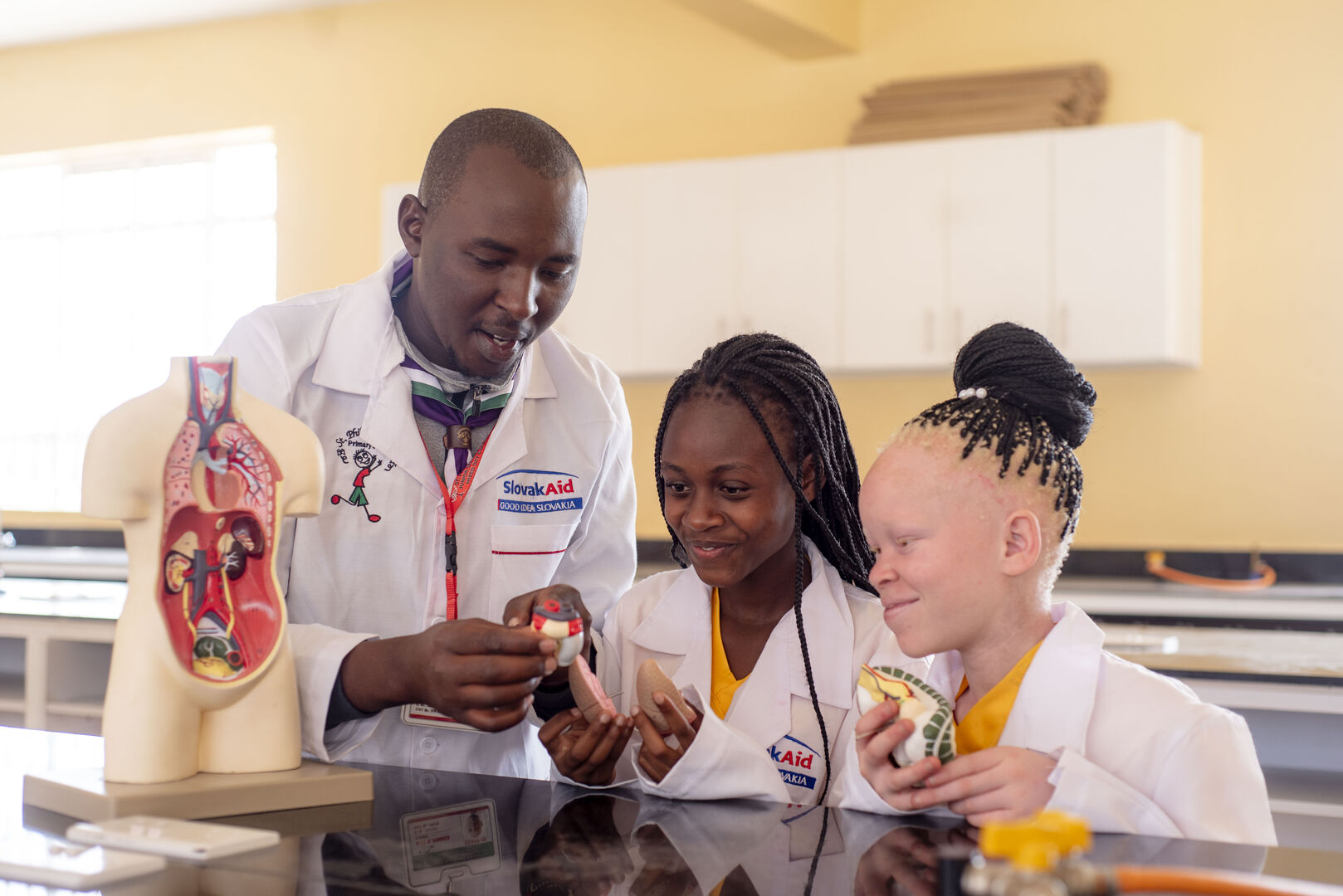
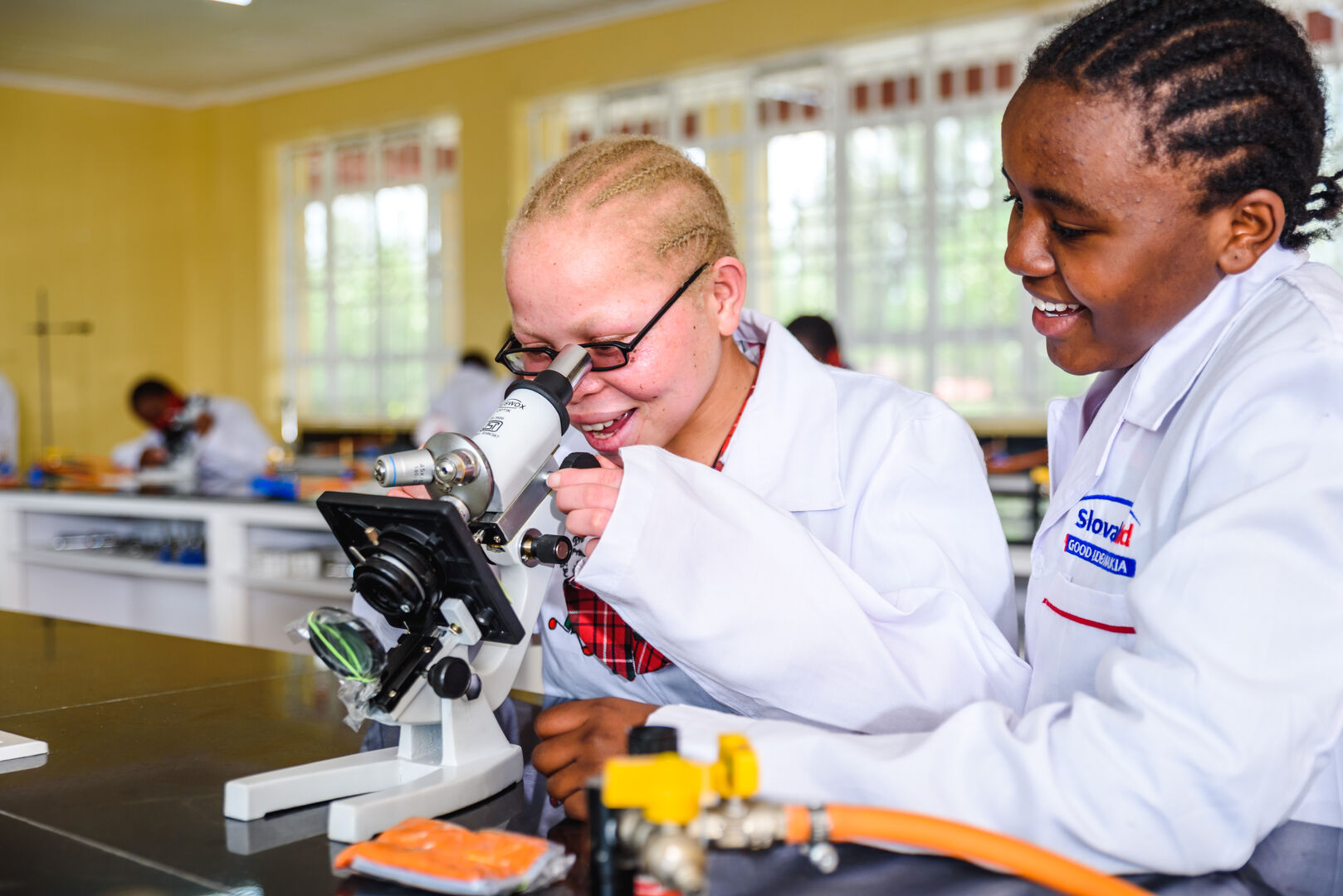
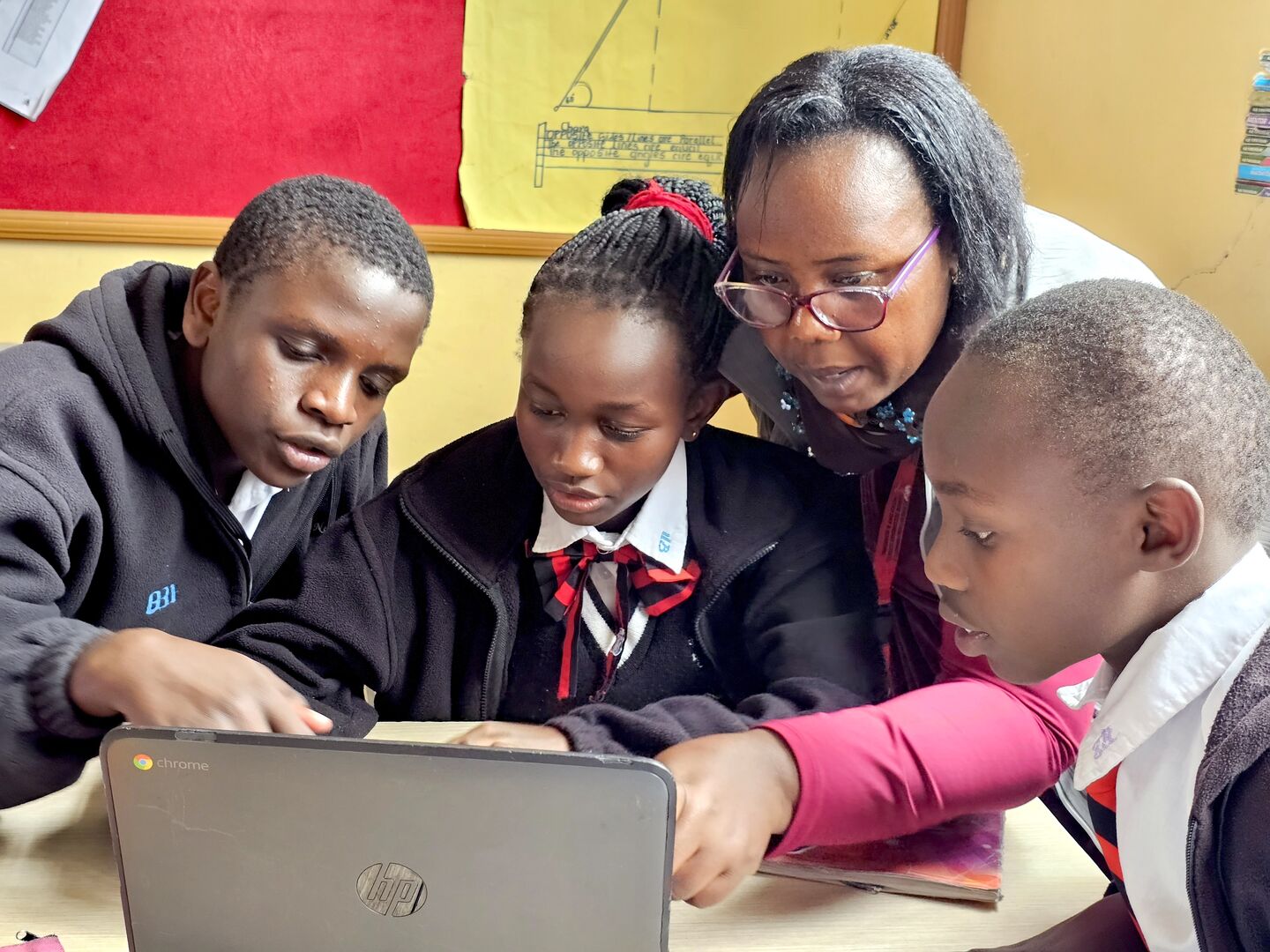
In 2014, the school was connected to the electricity grid, a development that also benefited the surrounding community. In the same year, a borehole was drilled, ensuring a reliable and continuous supply of clean water. Over time, the school significantly expanded its infrastructure, adding new classrooms, workshops, learning facilities, and a dining hall. At the same time, it continuously improved the quality of education through enhanced computer facilities, internet access, science laboratories, and a variety of extracurricular activities.
Today, St. Philip Neri Primary and Junior Secondary School is recognised as one of the leading schools in the county for its commitment to quality education and inclusive learning. The school currently serves approximately 600 pupils and employs nearly 80 staff members, making it an important educational institution and community resource within the region.
Today, St. Philip Neri Primary and Junior Secondary School provides primary and junior secondary education to more than 600 children. It is a unique educational project in Kenya, built upon a strong commitment to inclusive education.
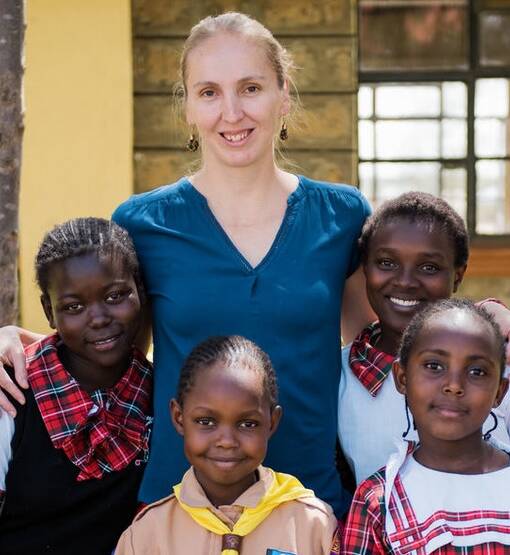
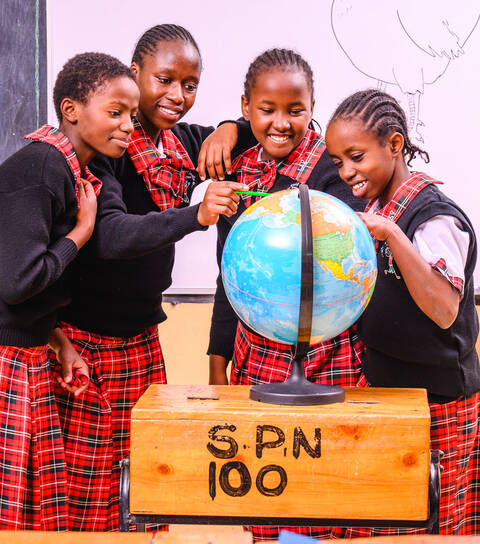
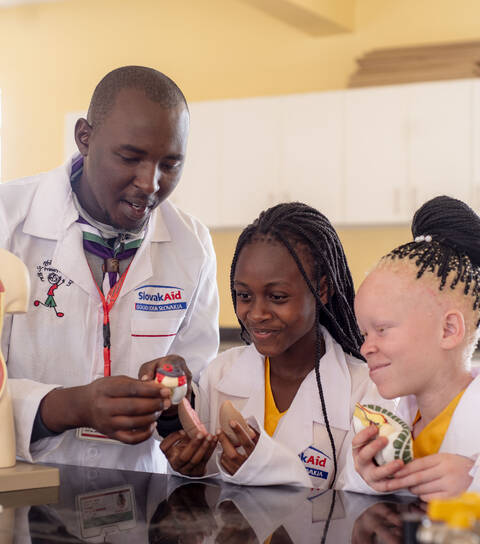
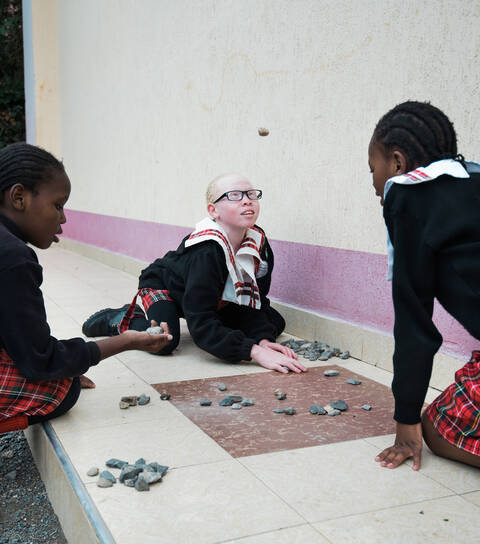
The school provides educational opportunities for all children regardless of their background, while placing particular emphasis on supporting marginalised and vulnerable groups. These include street children, orphans and vulnerable children, children of parents living with HIV/AIDS, academically gifted children from families experiencing extreme poverty, children with physical disabilities, and children with albinism.
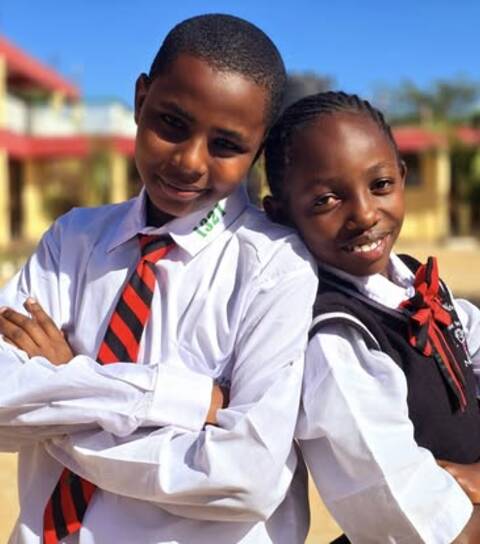
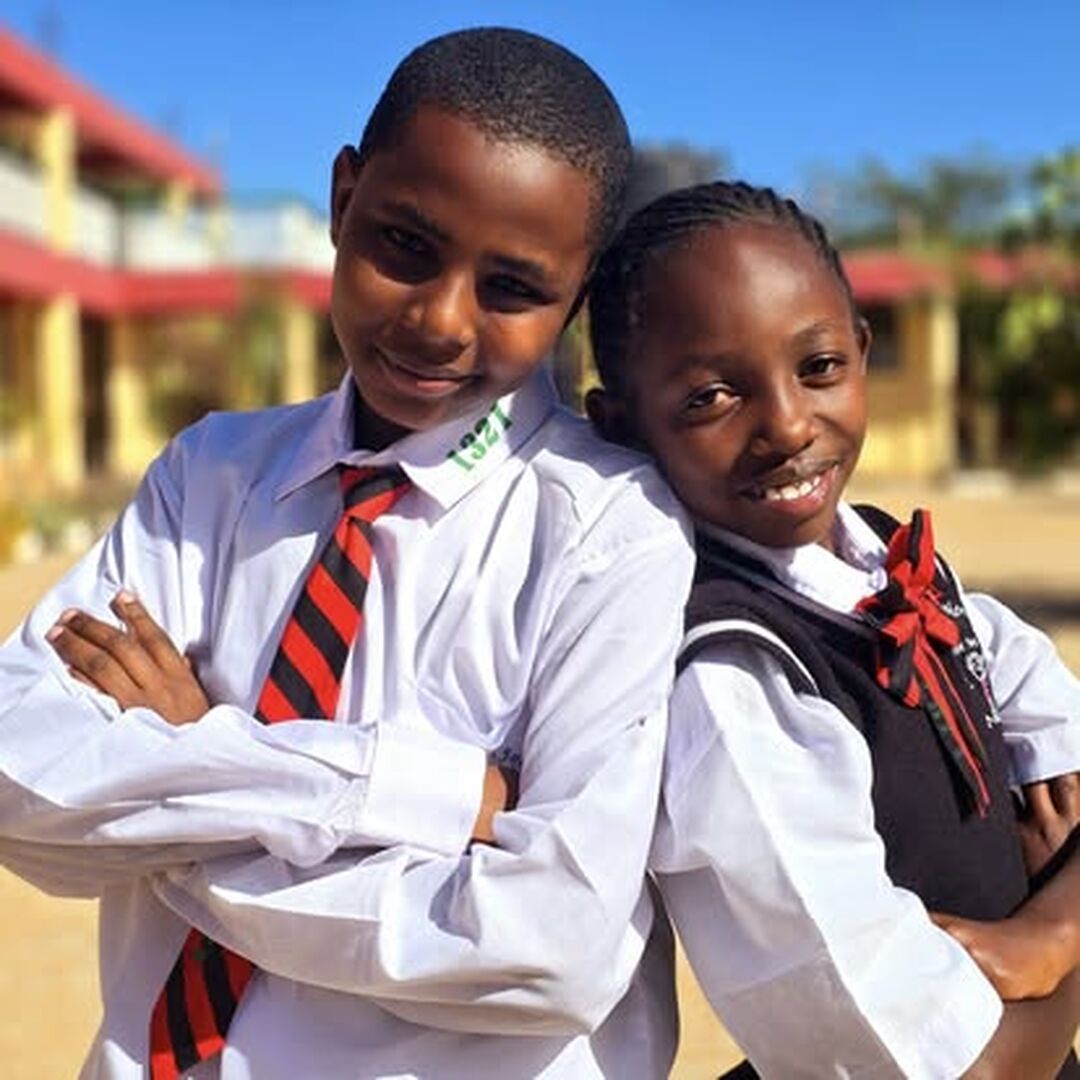
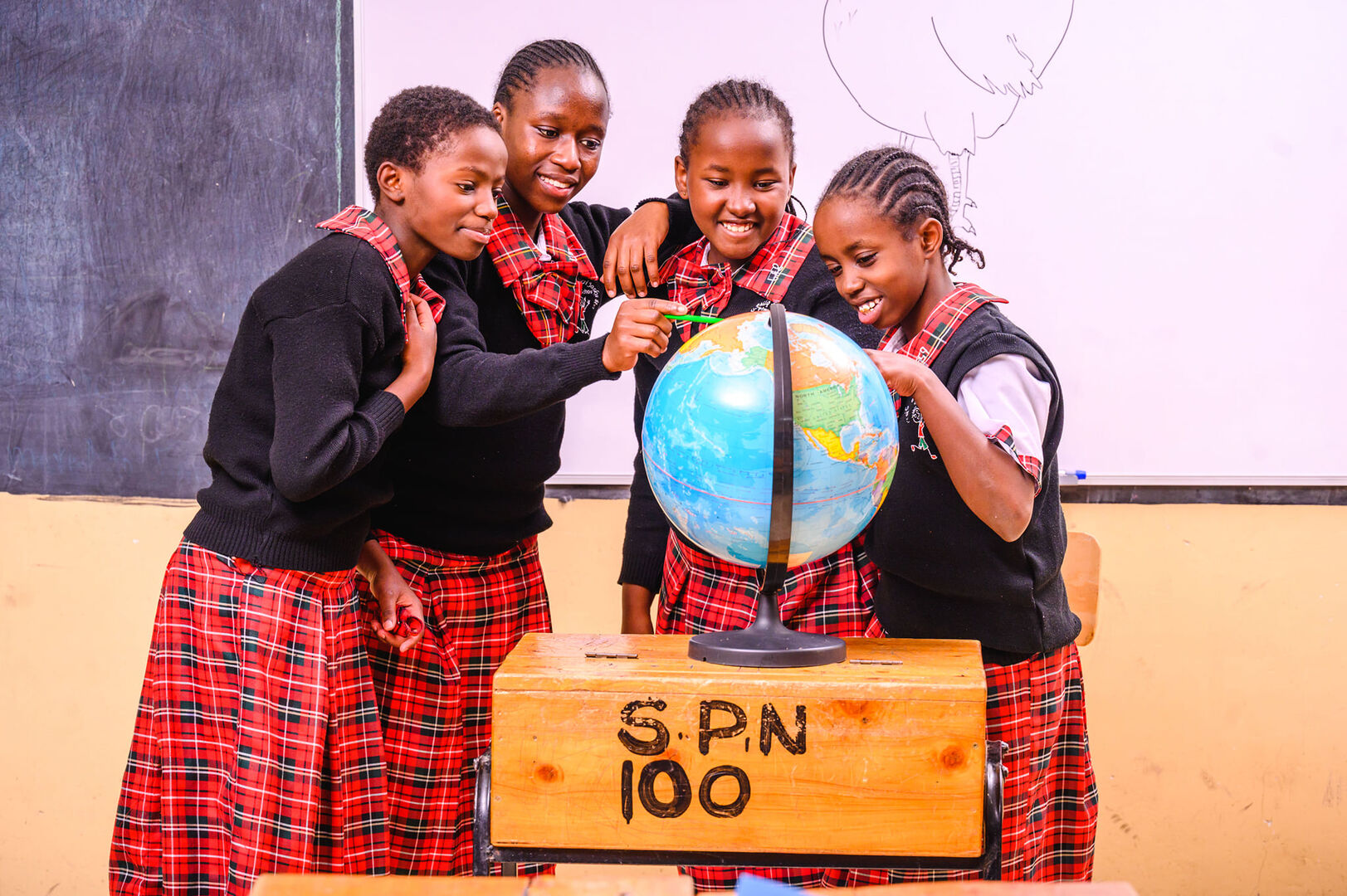
What makes the project exceptional is its inclusive approach, which integrates these children into a shared learning environment alongside pupils from more privileged backgrounds. Rather than being separated or segregated, all children study together, learn from one another, and participate equally in school life.
Approximately 35% of the pupils currently enrolled at the school receive direct support through the educational sponsorship programme, ensuring that children who would otherwise face significant barriers to education have the opportunity to access quality learning and realise their full potential.
Through this inclusive model, the school promotes equality, mutual respect, social cohesion, and equal opportunities, helping to create a generation of young people who value diversity and understand the importance of inclusion within society.
St. Philip Neri School provides education at three levels:
For children aged 3 to 6 years, focusing on early childhood development and school readiness.
From Grade 1 to Grade 6, providing a strong foundation in academic, social, and personal development.
From Grade 7 to Grade 9, preparing students for further education and future career opportunities through an expanded curriculum and practical learning experiences.
The school places great emphasis on the holistic development of its students and offers a wide range of extracurricular activities, including:
Football (Soccer)
Volleyball
Handball
Dodgeball
Chess Club
Ballet
Karate
Music Club (instrumental and vocal training)
Art Club
School Choir
Scout Group
Debate Clubs
Mathematics Club
These activities help students develop teamwork, leadership skills, creativity, self-confidence, discipline, and critical thinking beyond the classroom environment.
The school also operates a boarding facility with a capacity of 220 children, providing a safe, supportive, and structured living environment for students who come from distant communities or challenging home circumstances. The boarding programme enables pupils to fully participate in school life while ensuring access to education, meals, supervision, and extracurricular opportunities.