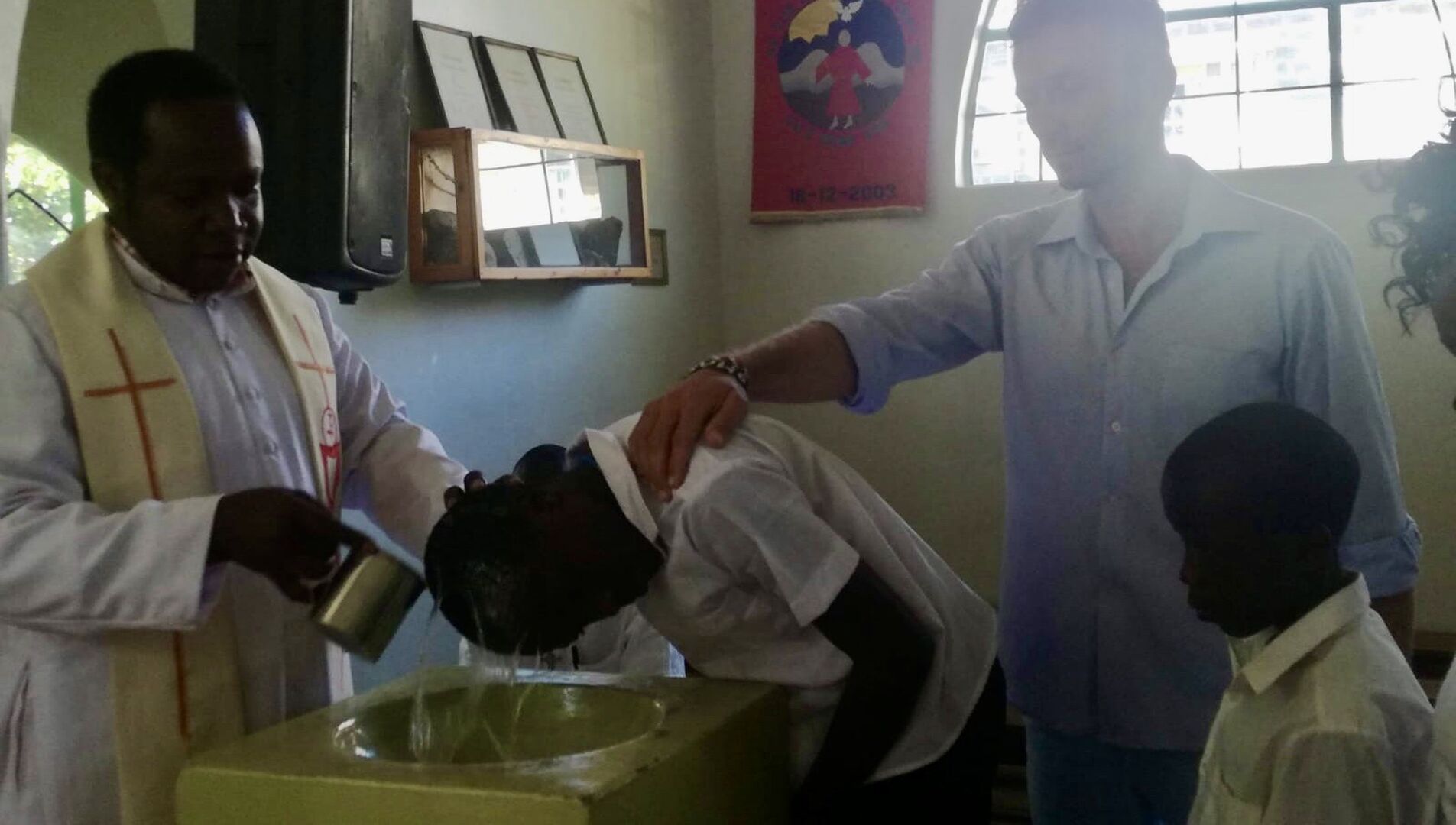
The St. Philip Neri Rehabilitation Centre (SPNR) was officially registered under the supervision of the Department of Social Development, Kisumu East, in 2016. However, the origins of our work date back to 2014.
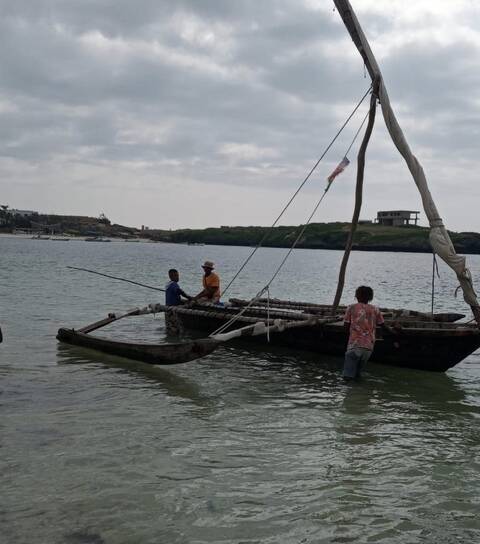
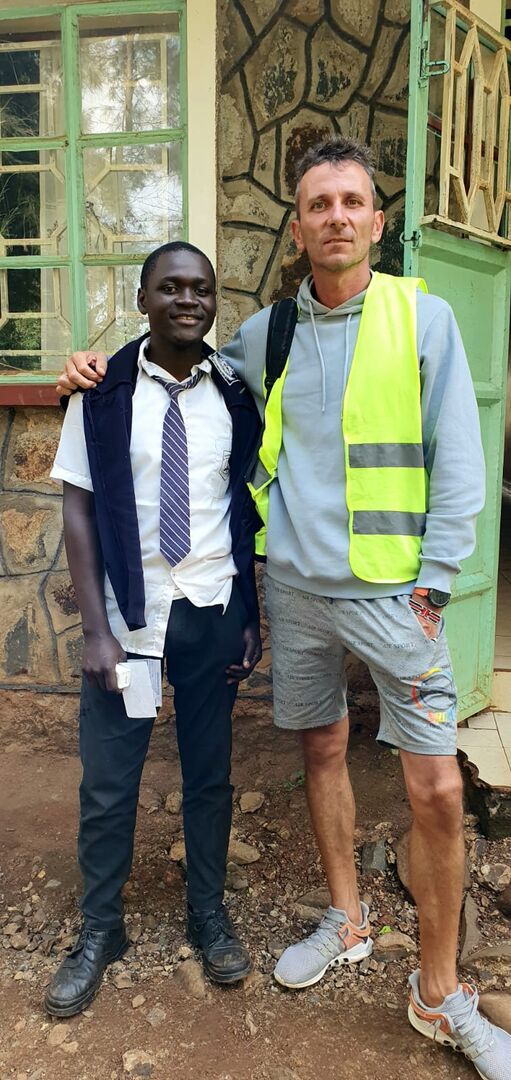
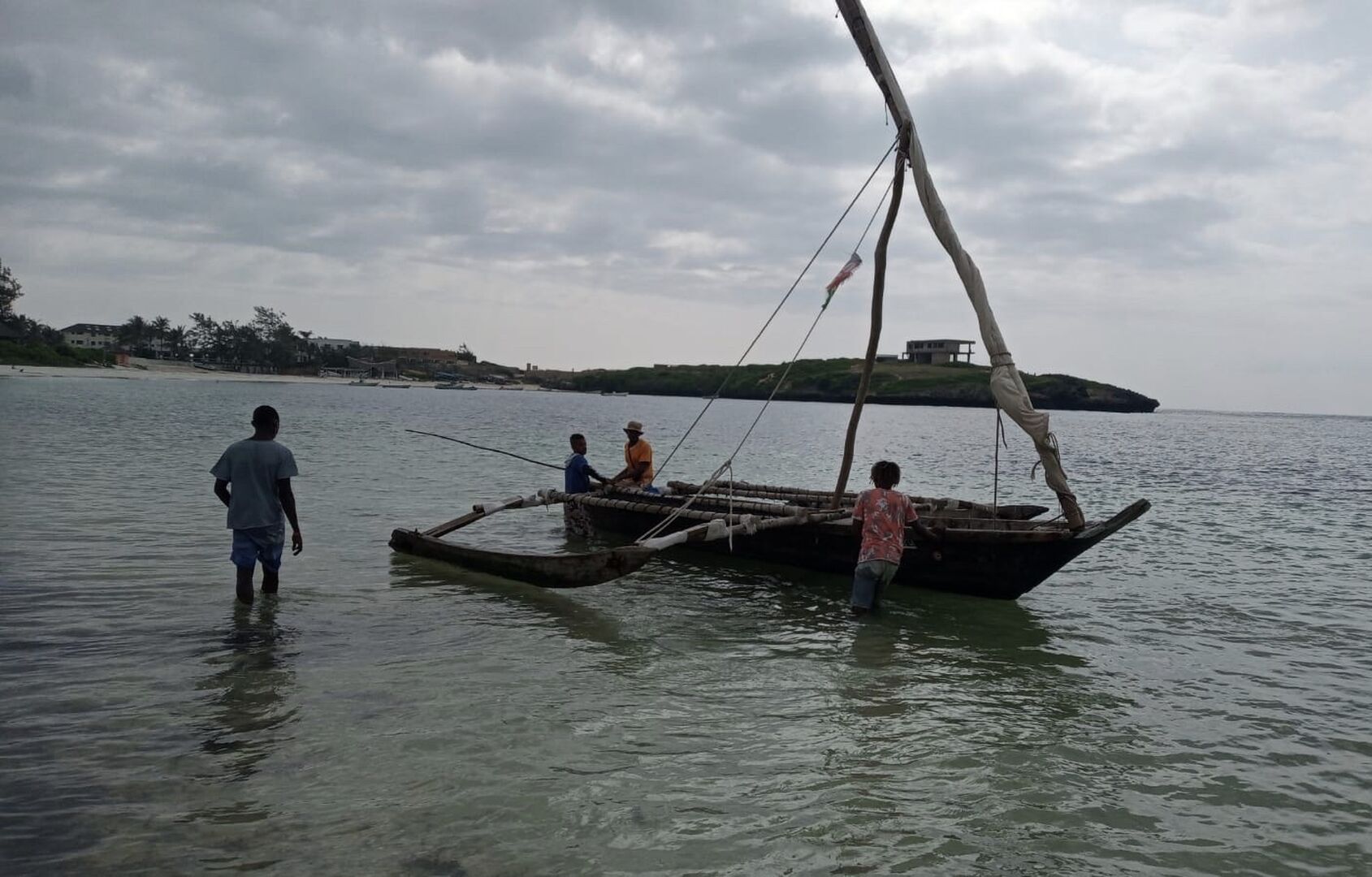
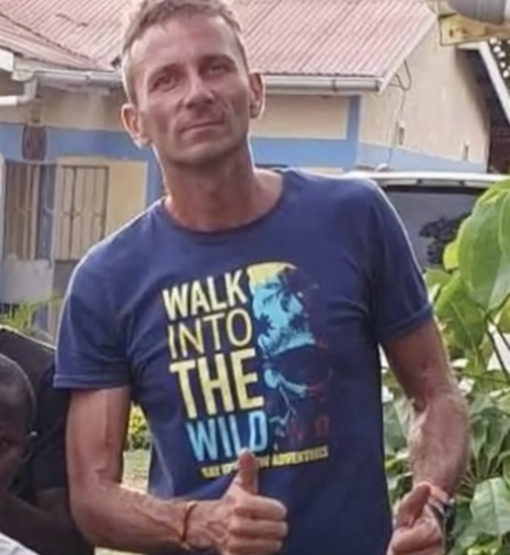
In 2014, the founder and current director of the St. Philip Neri Rehabilitation Centre (SPNR), Mr. Tomáš Rusňák, began regularly visiting street boys in the city of Kisumu. At the time, he was managing a project focused on combating child malnutrition in the nearby town of Muhoroni and overseeing the reform of another social project in Malindi (both supported by St. Elizabeth University).
His visits to Kisumu during his free time involved informal conversations and the provision of material assistance to homeless children. During two years of regular visits to the city centre—where street children spend most of their time—Mr. Rusňák met Vincent Ochieng, a local social worker who was also involved in supporting vulnerable children in central Kisumu.
After a period of successful cooperation, Mr. Ochieng proposed establishing a Community-Based Organization (CBO) that would allow long-term assistance to street children in Kisumu to be expanded and professionalised. The idea proved highly promising.
Drawing on their determination, professional experience, local contacts, and understanding of legal and social conditions, the future director and his manager developed a systematic action plan. Mr. Rusňák subsequently presented the project to the Board of Trustees of St. Elizabeth University of Health and Social Work, which approved the establishment of the St. Philip Neri Rehabilitation Centre, dedicated to the rescue, rehabilitation, education, and reintegration of abandoned children within the region.
Following the official approval of the charitable project by the Board of Trustees of St. Elizabeth University, the Kenyan authorities granted the necessary operating permits, enabling the project to begin its activities.
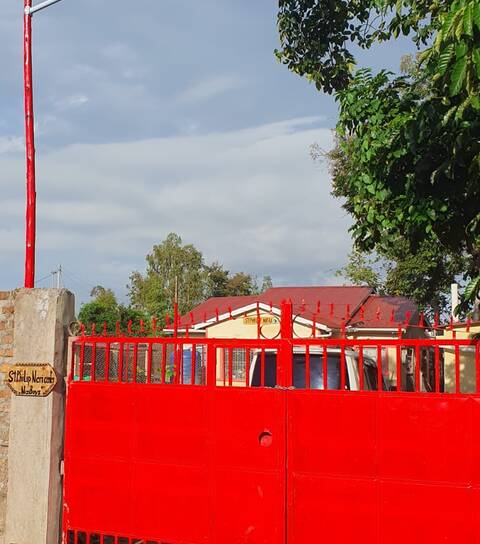
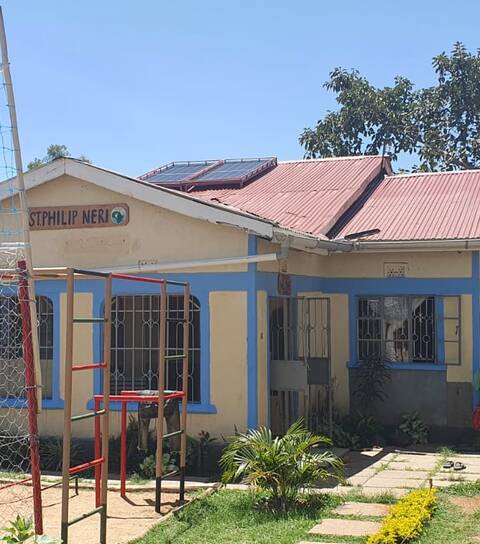
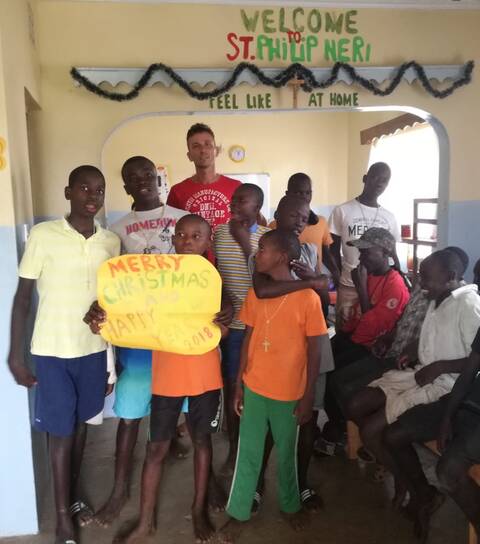
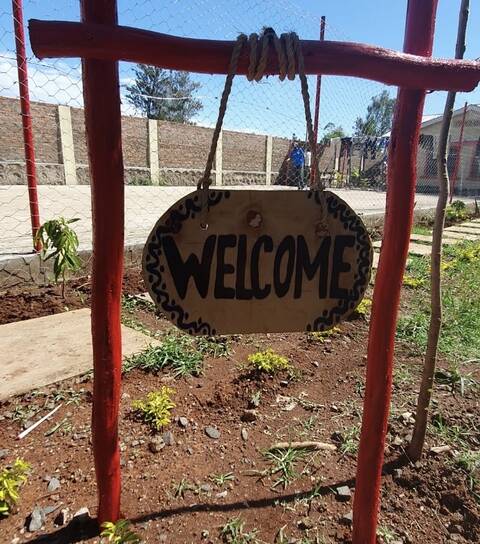
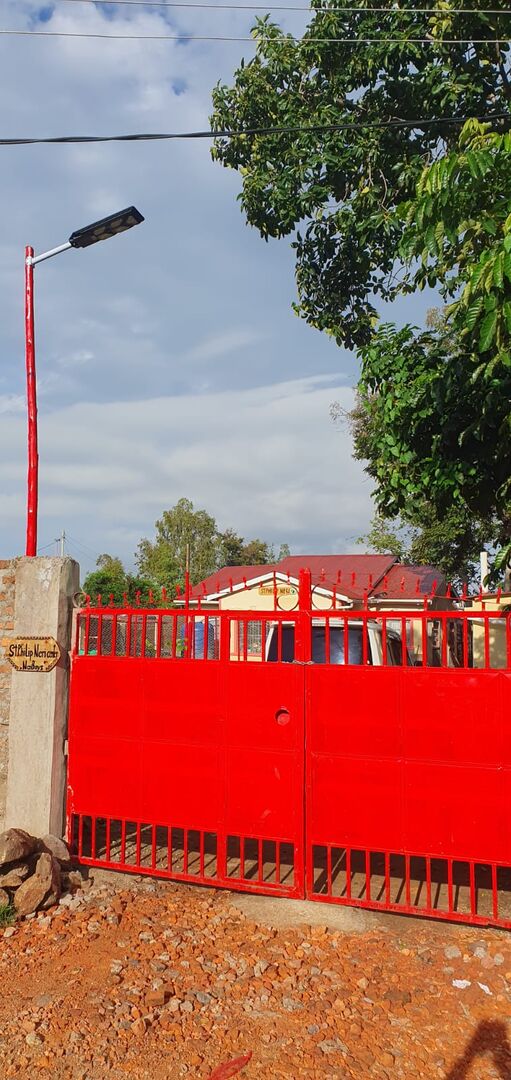
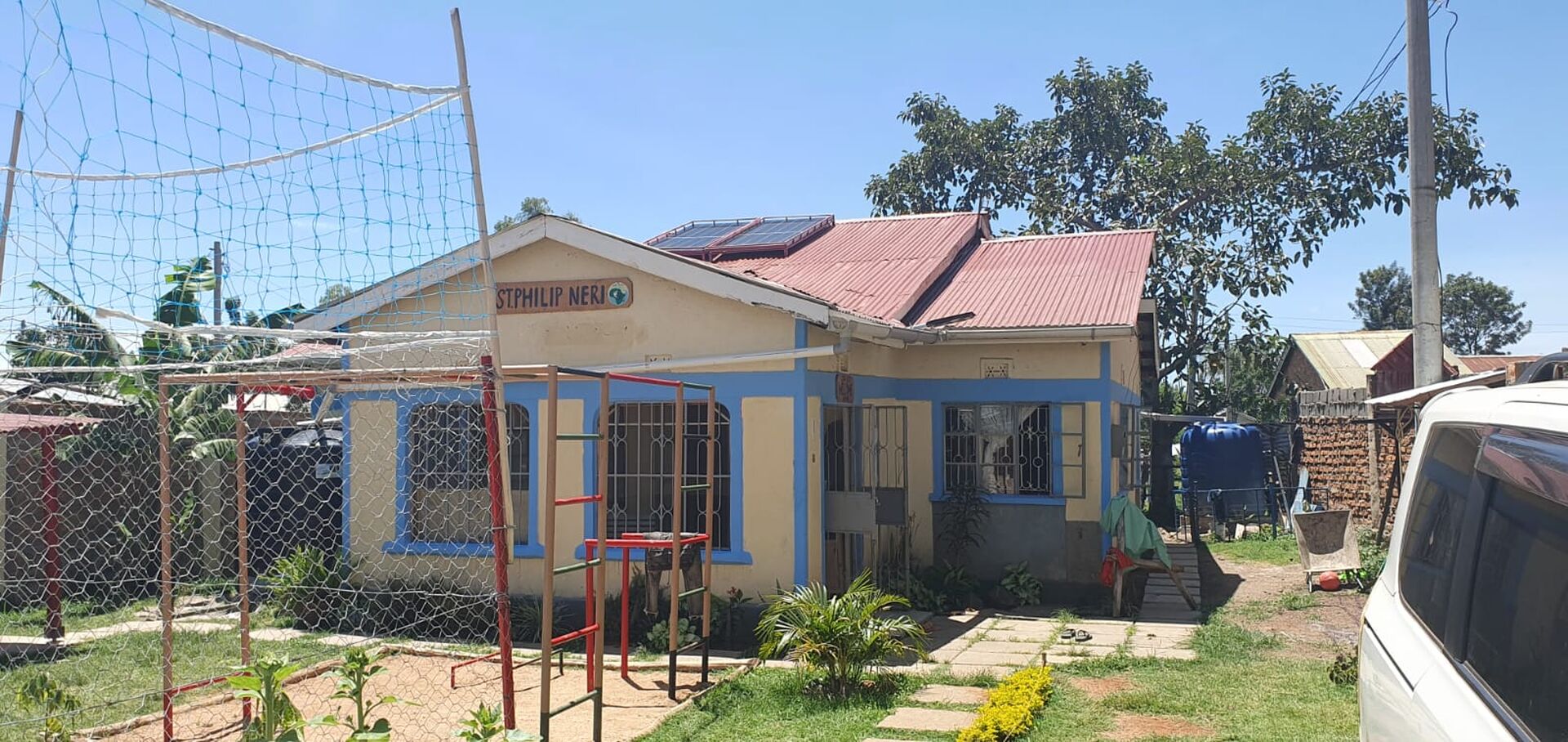
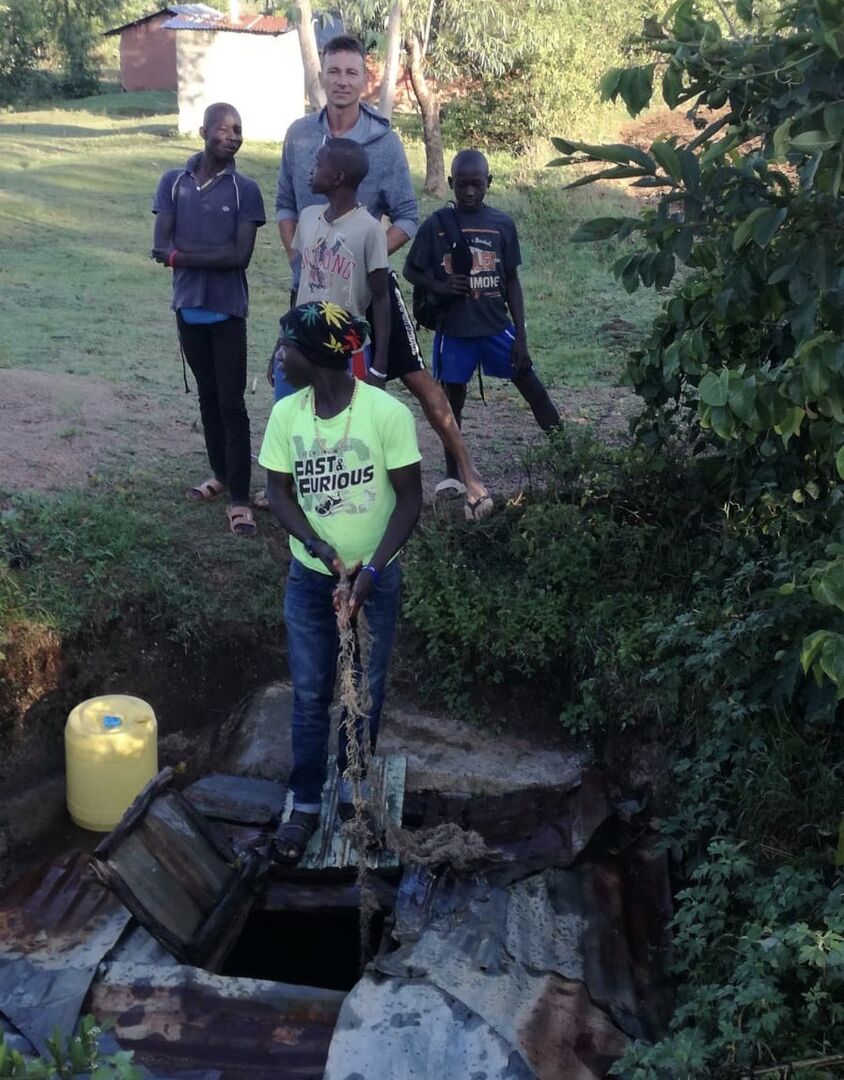
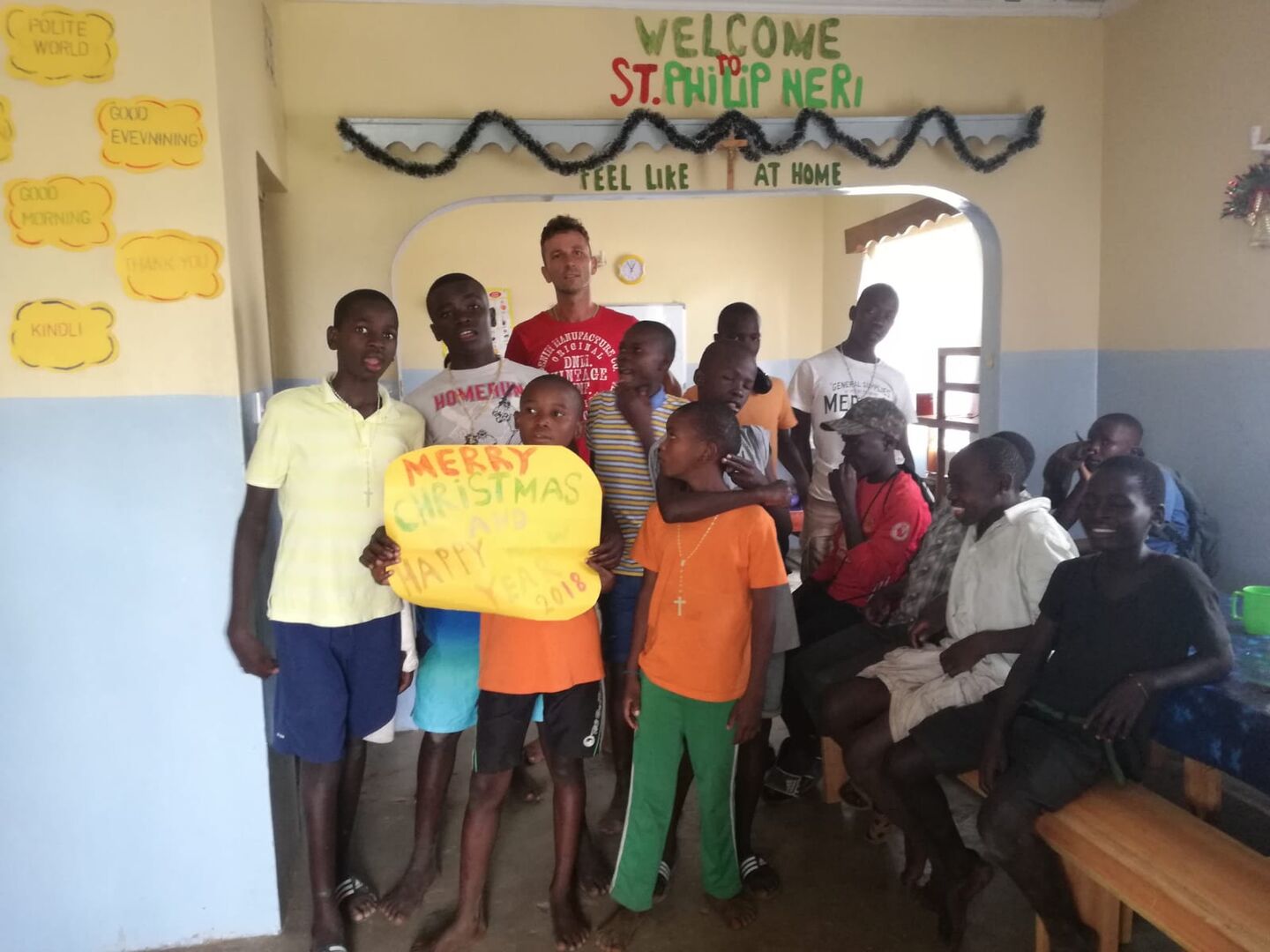
The founders succeeded in renting a house with a surrounding compound in Nyalenda B, one of the city's informal settlement areas. This location served as our home for several years. Today, thanks to the generosity of our benefactors, we operate from a newly built permanent facility located near the original centre.
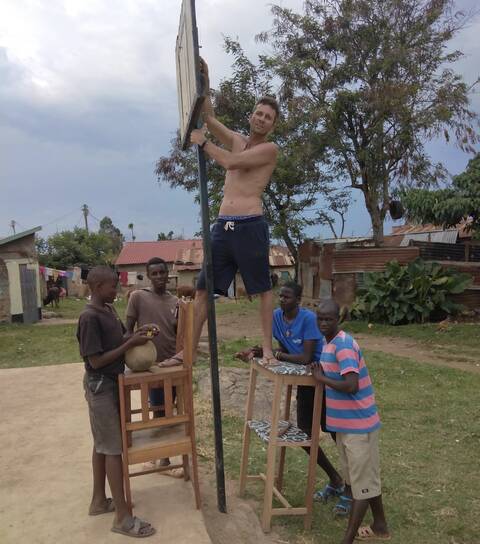
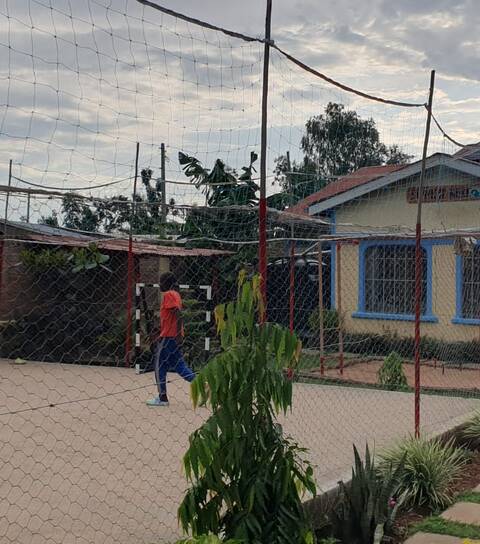
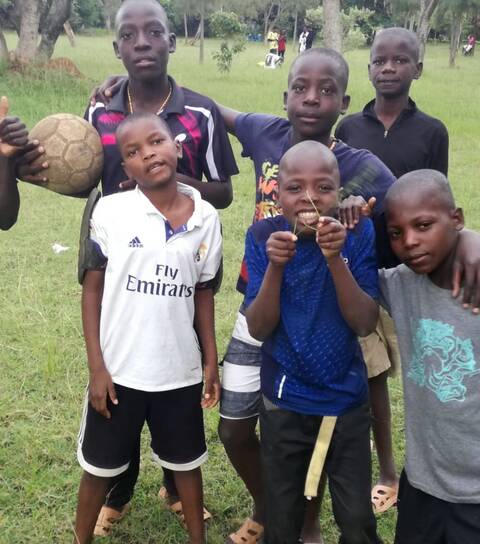
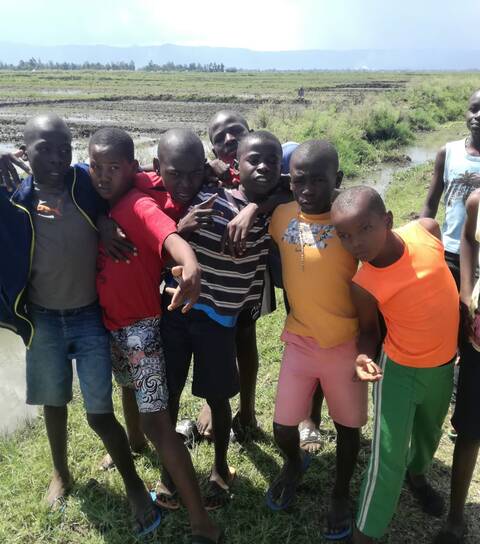
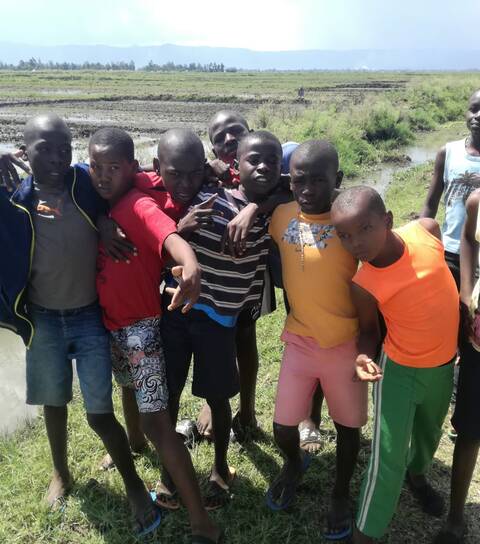
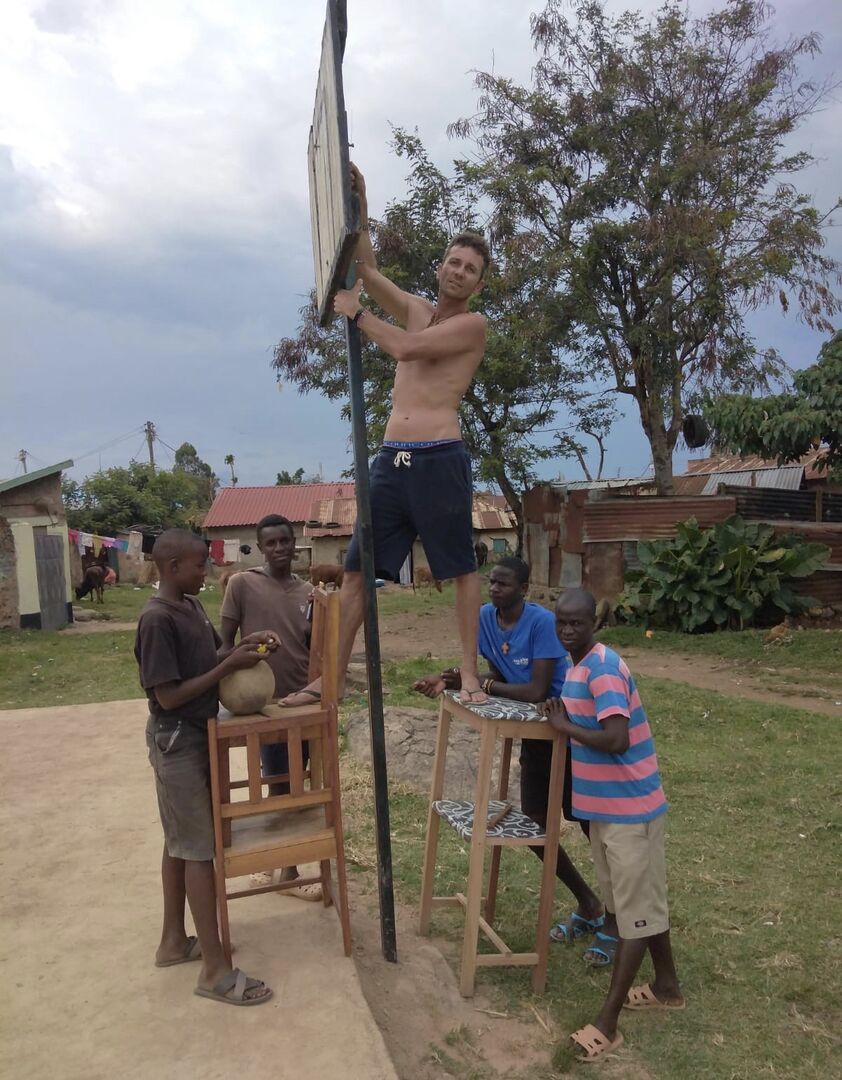
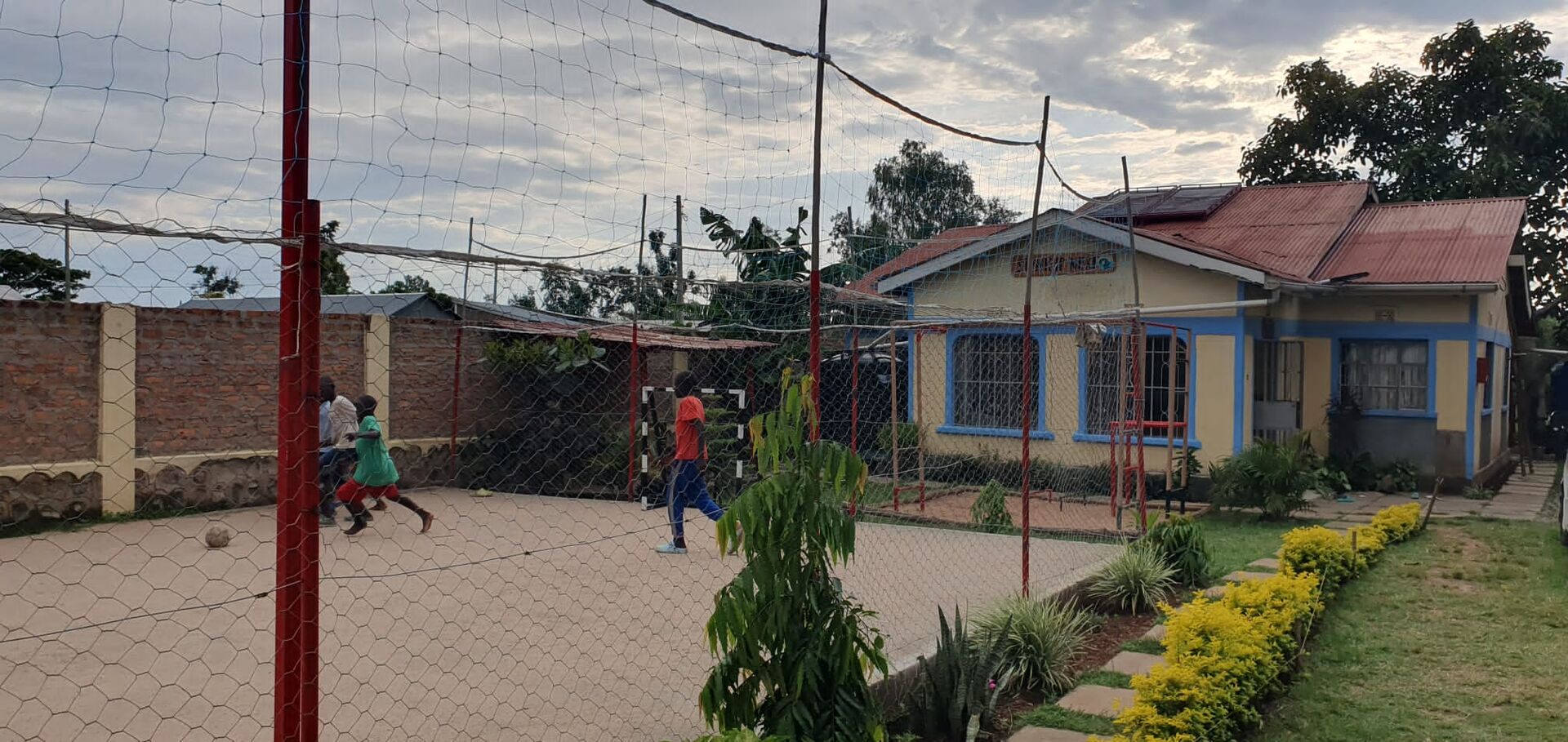
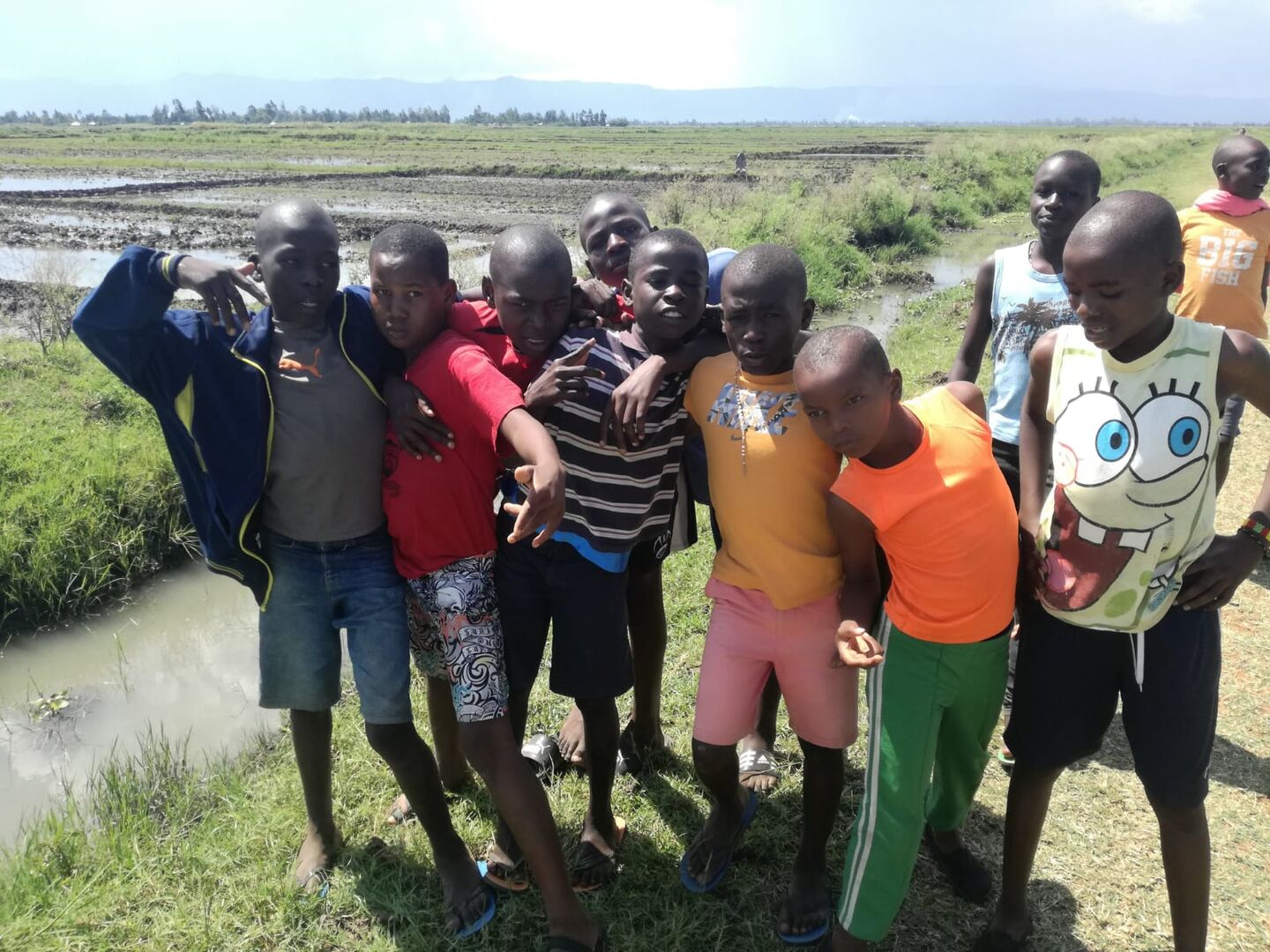
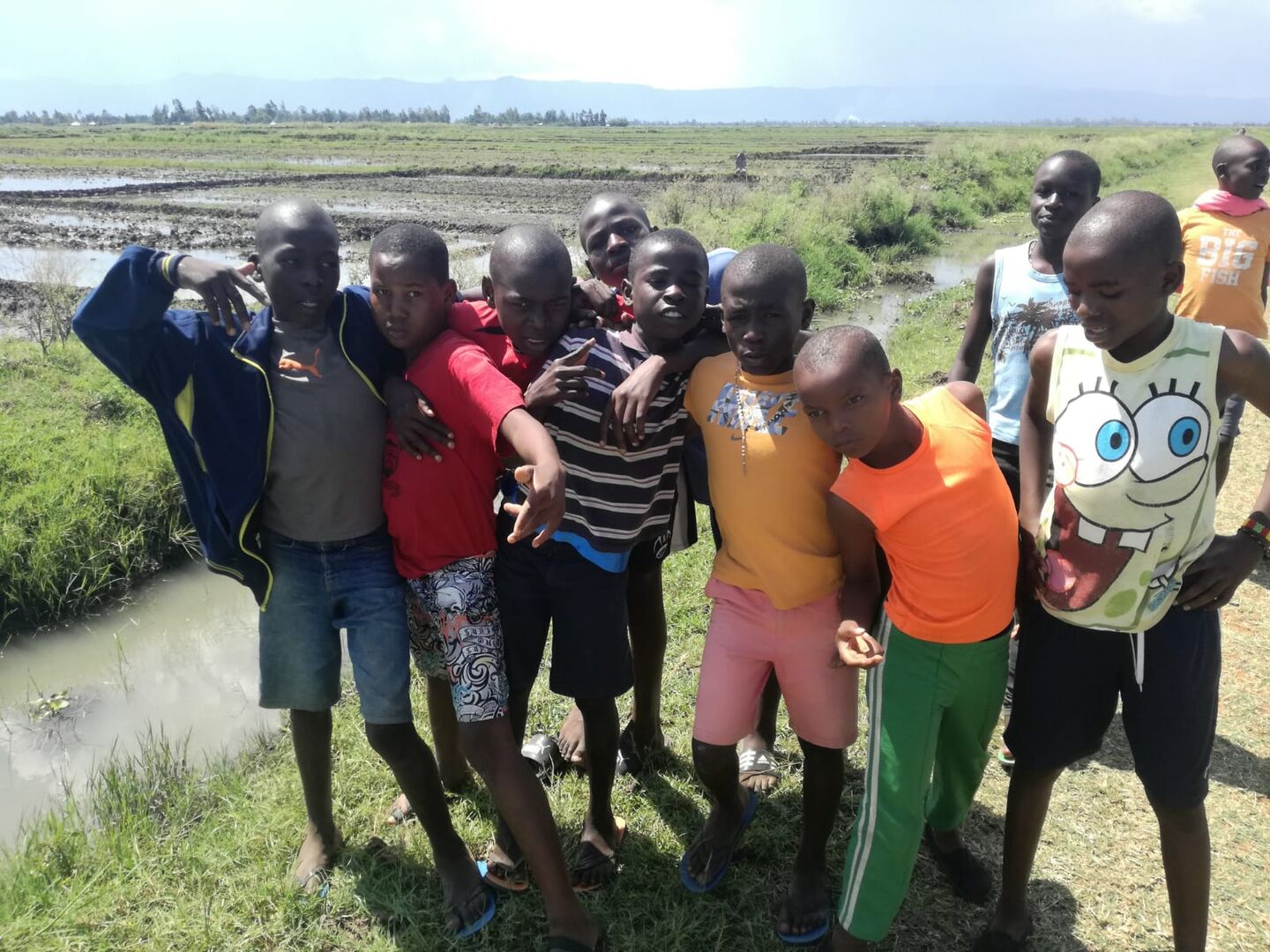
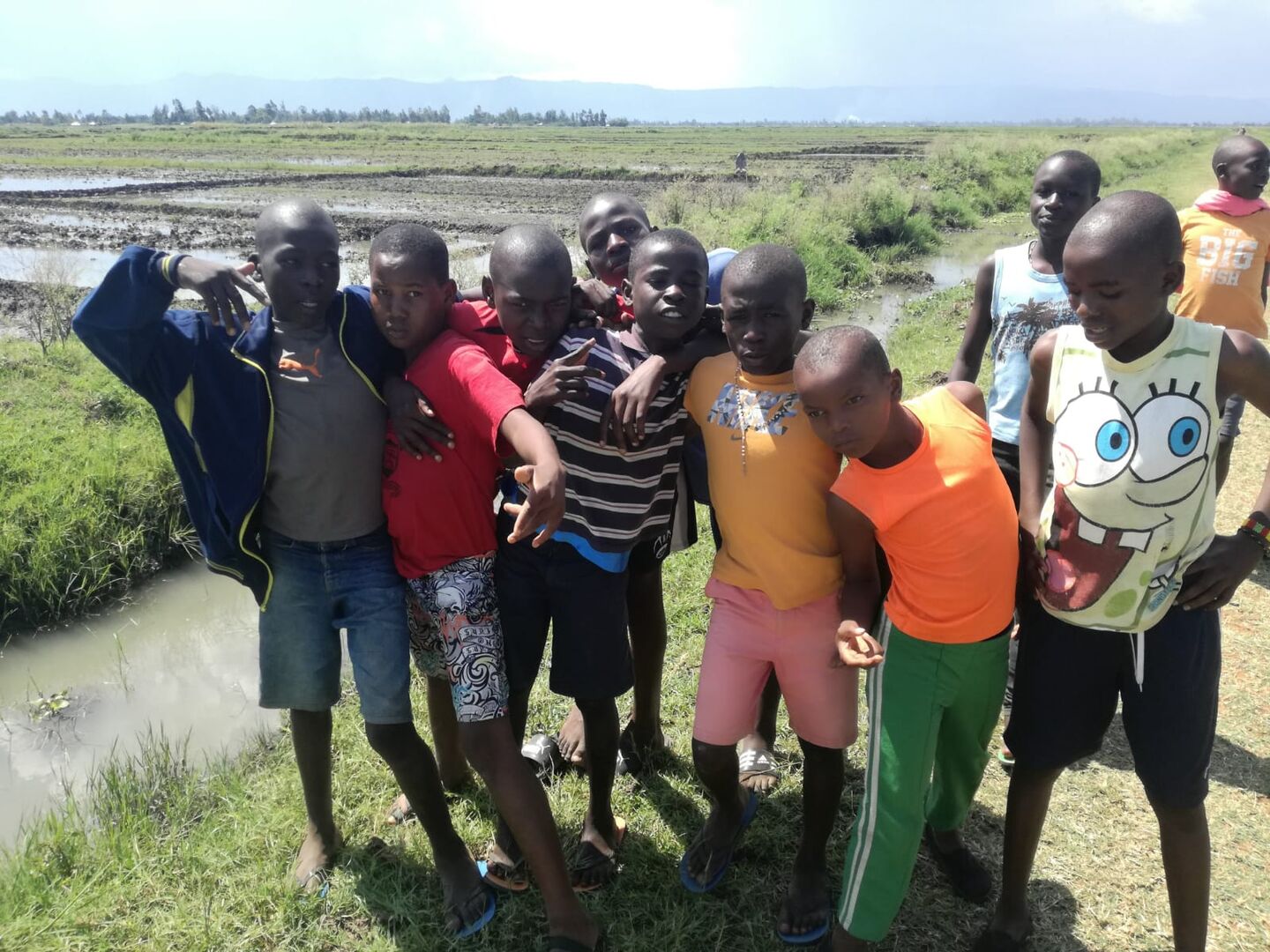
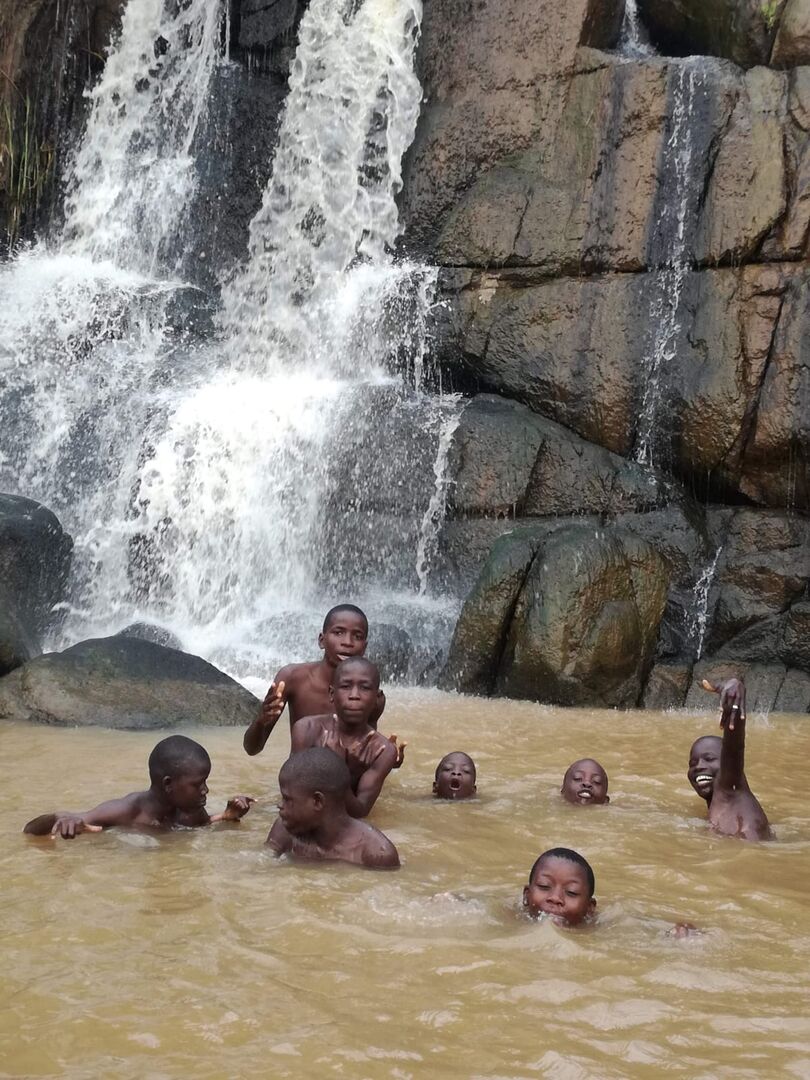
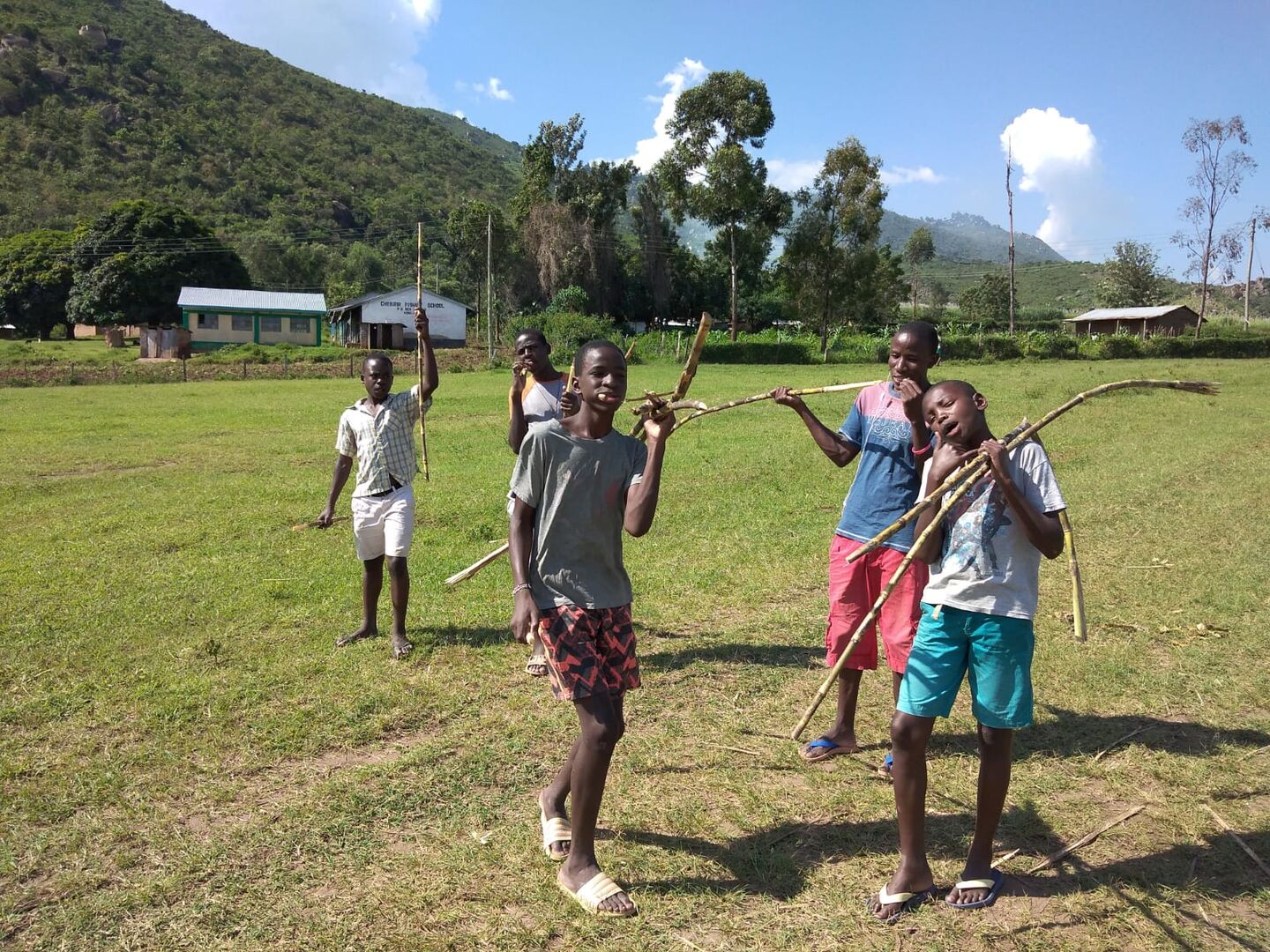
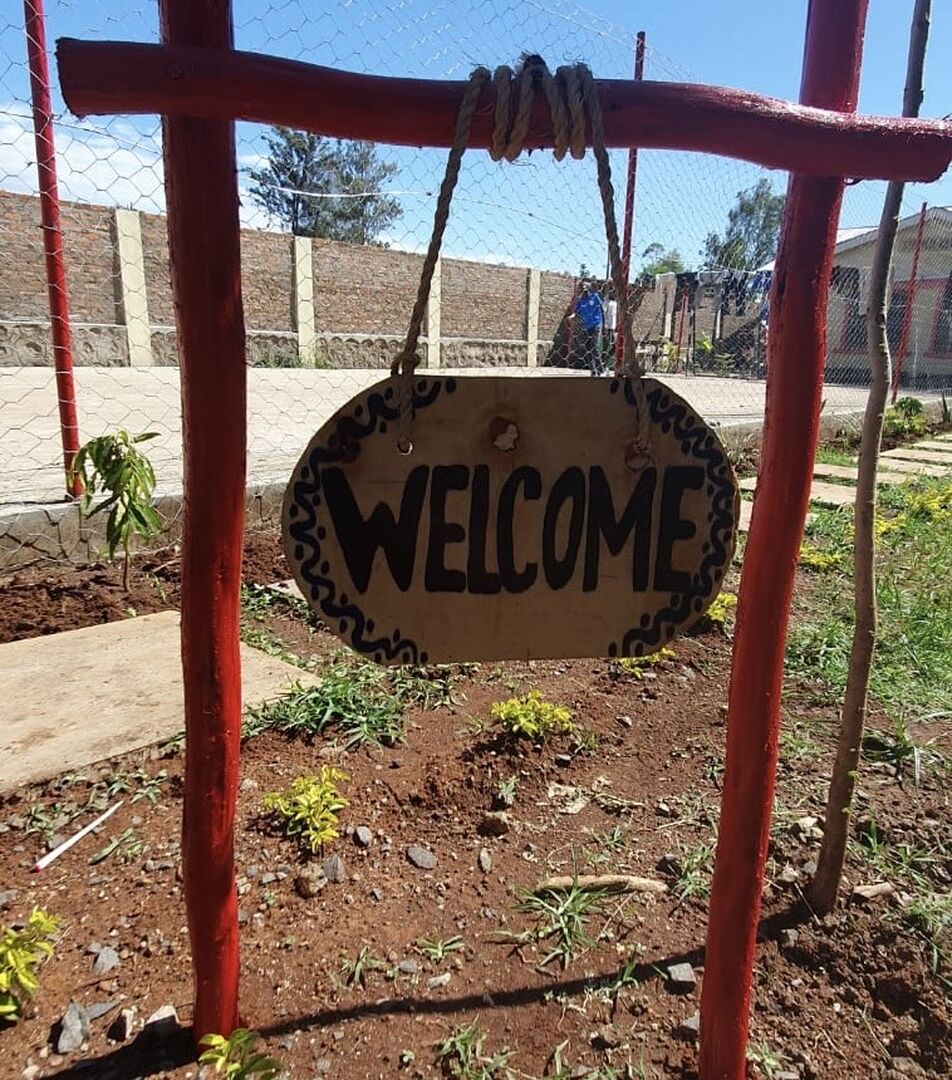
The new premises and surrounding grounds were developed in accordance with the requirements of local authorities and the specific needs of our programme. Over time, we also constructed a football field and children's playground facilities in front of the centre. As an integral part of the local community, we are pleased to welcome children and young people from the surrounding neighbourhoods to participate in our activities.
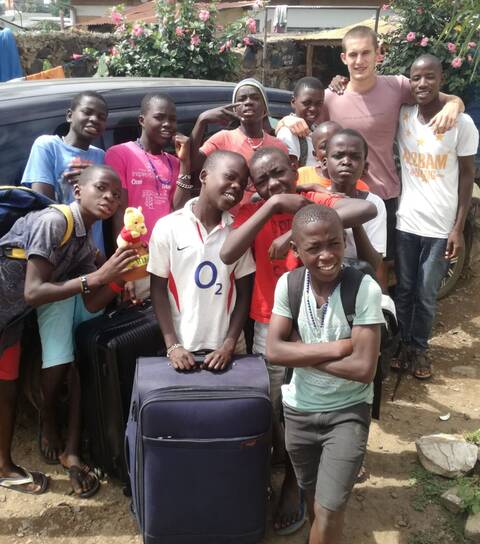
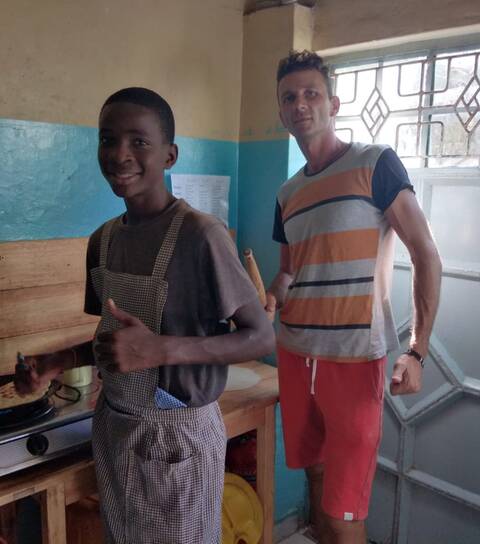
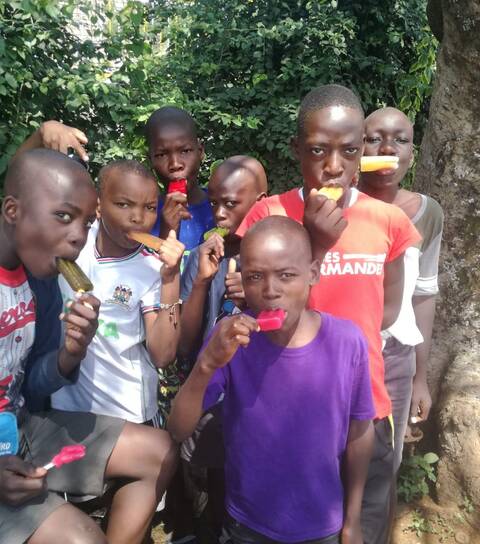
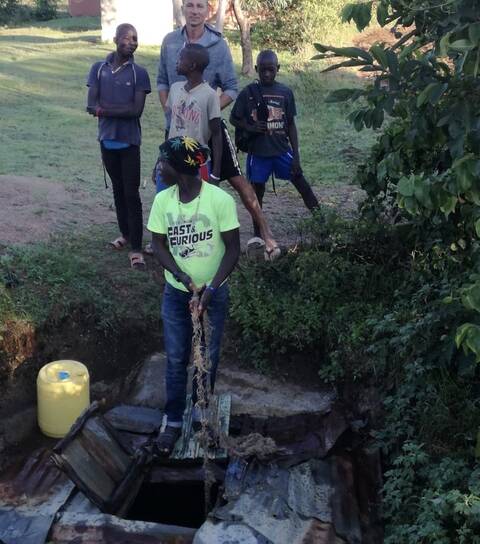
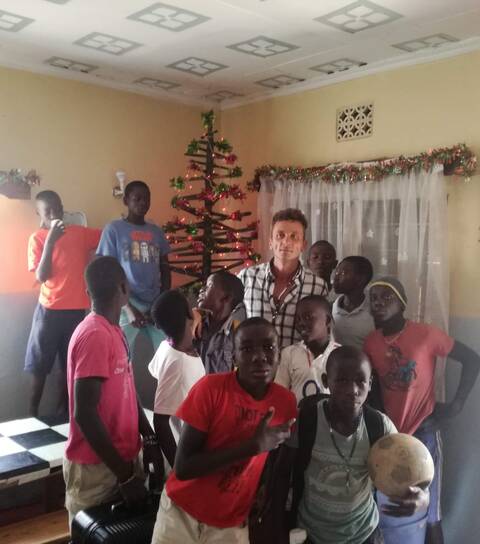
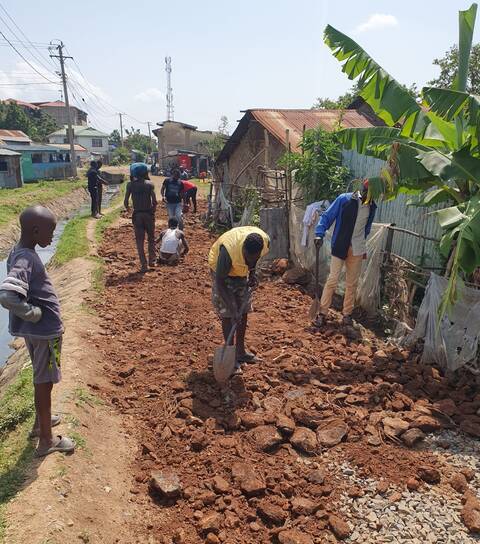
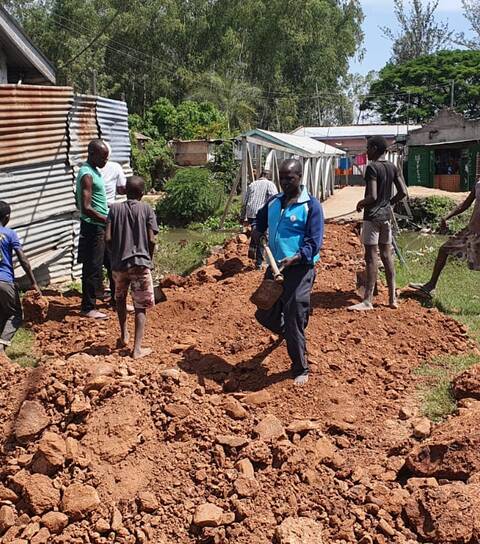
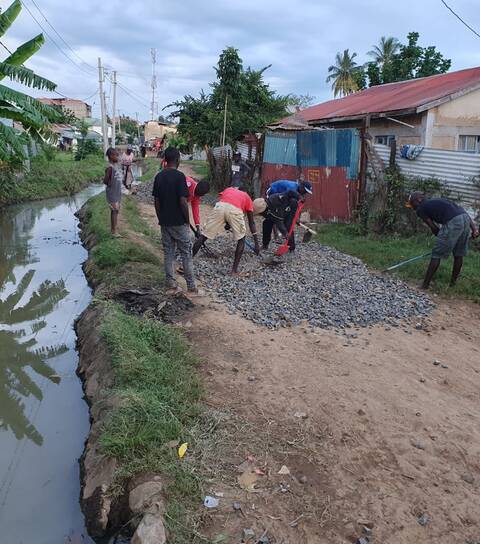
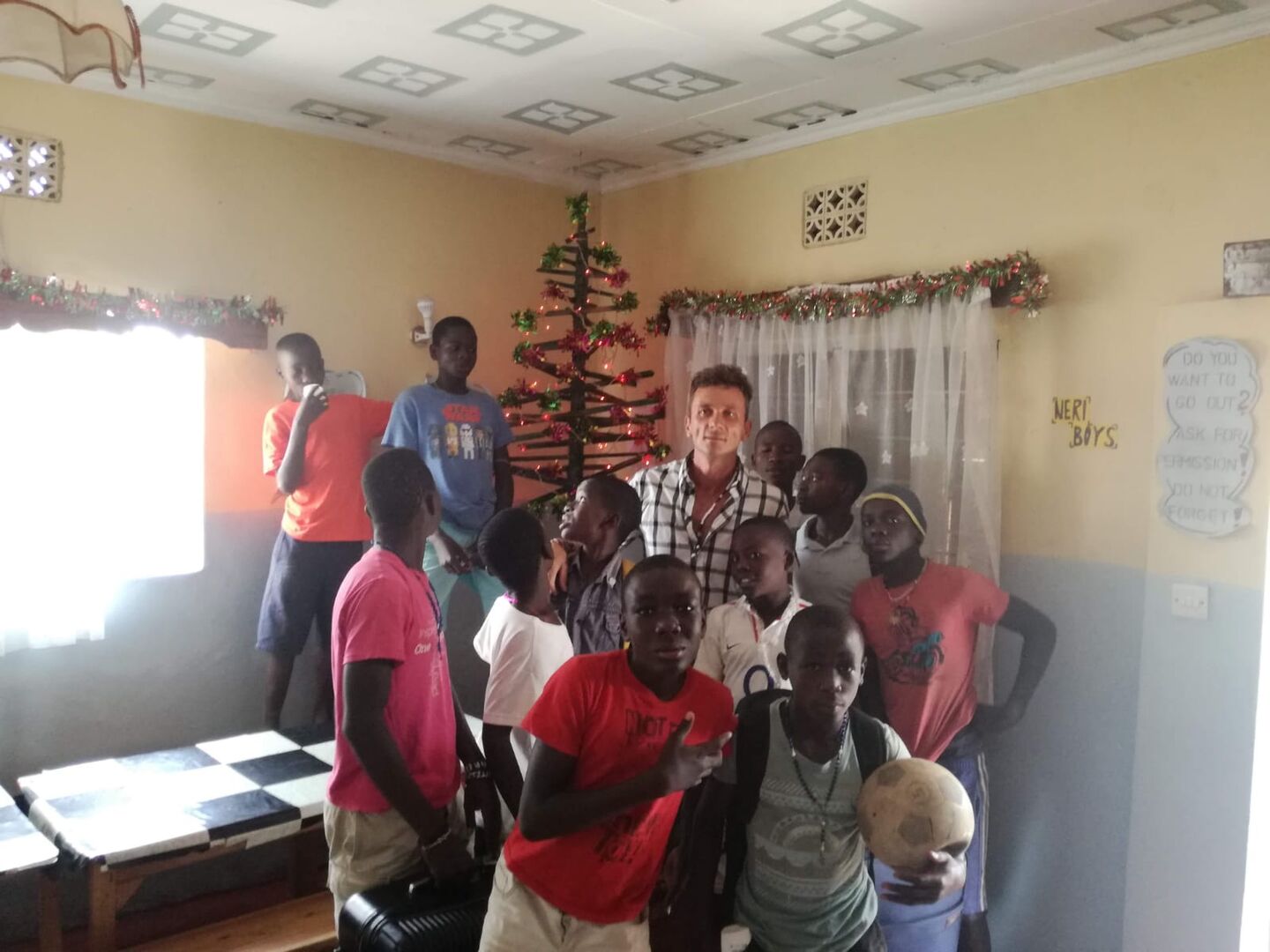
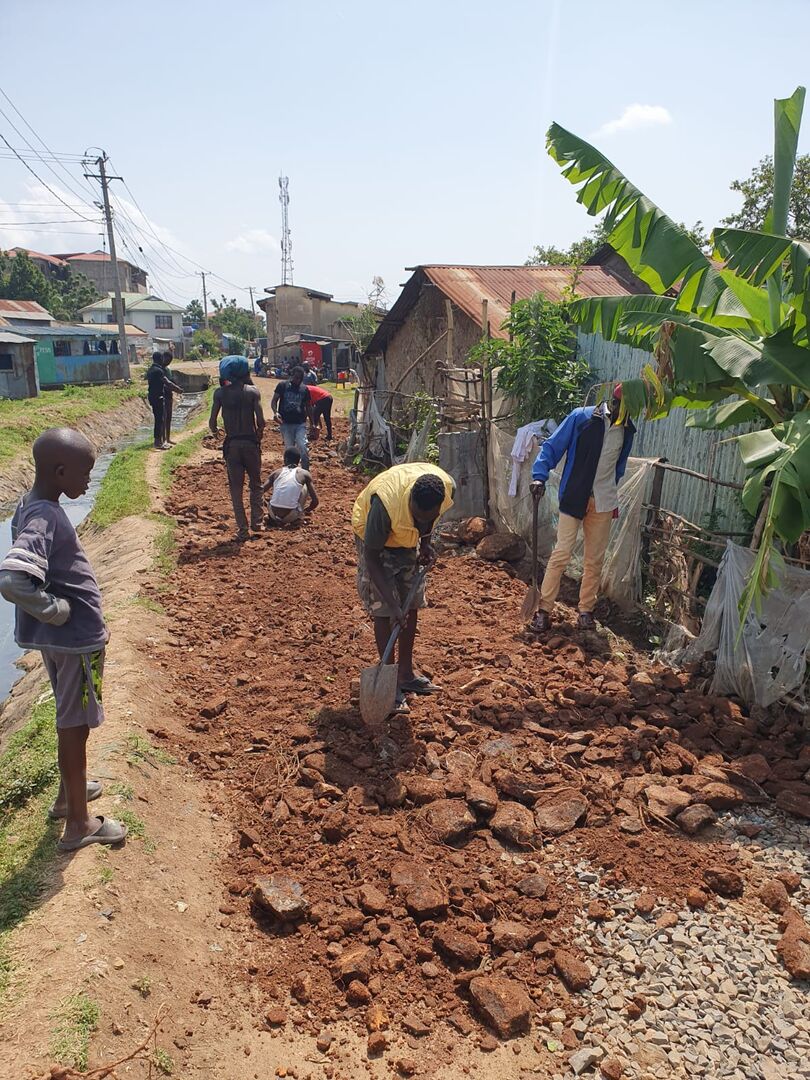
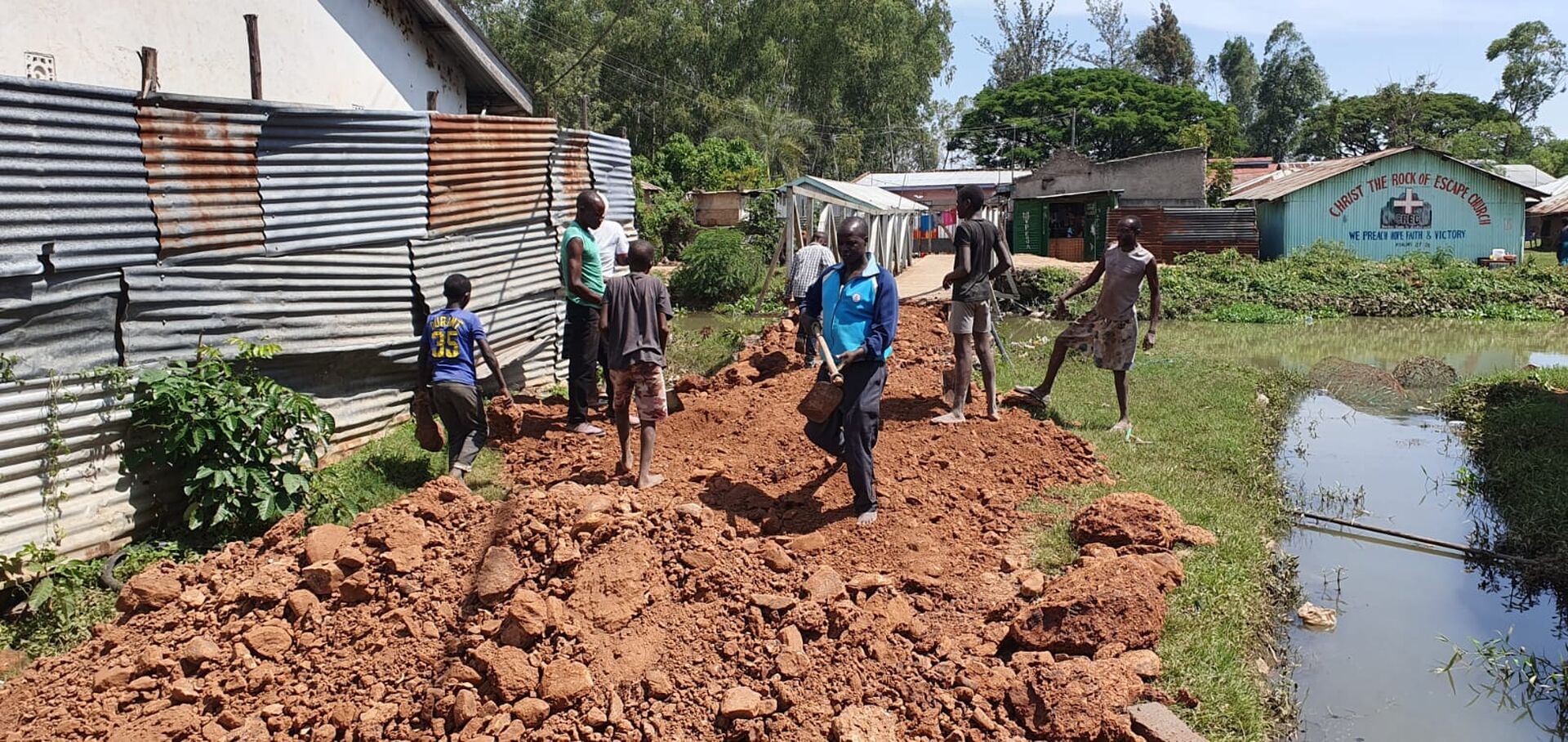
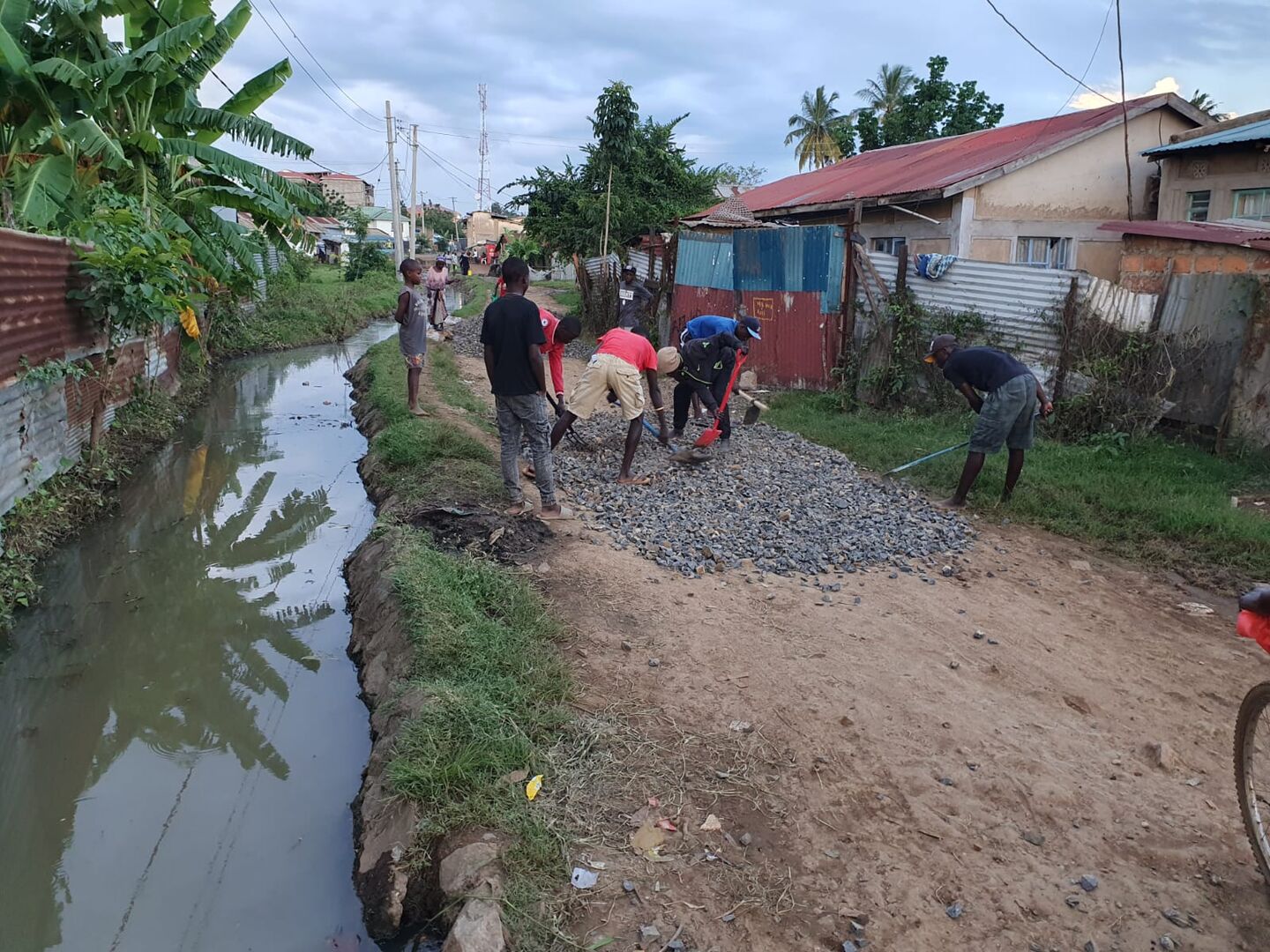
The SPNR Centre has transformed not only the lives of the children in our care but also the physical environment around us. The boys of the “Neri Boys” community helped turn a neglected and abandoned area into a welcoming and functional home.
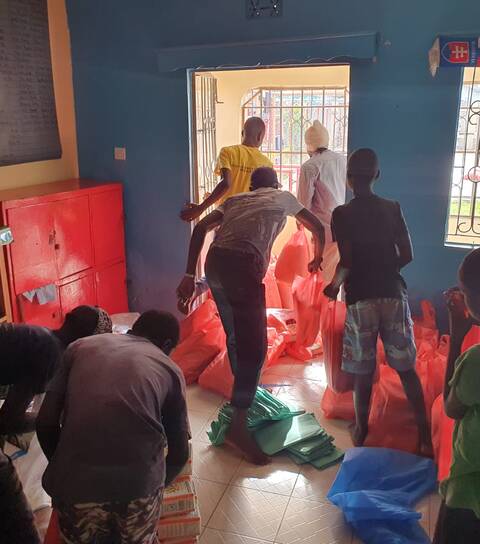
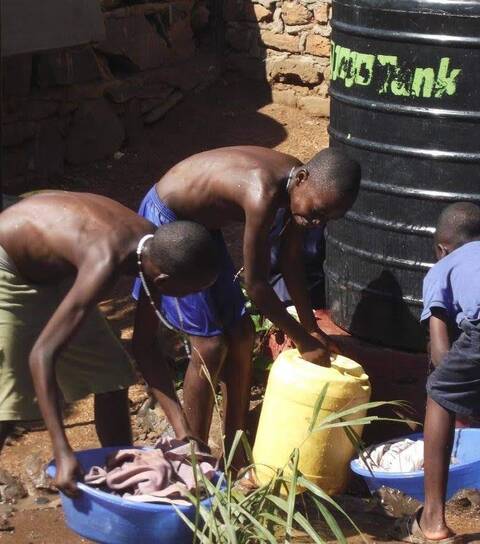
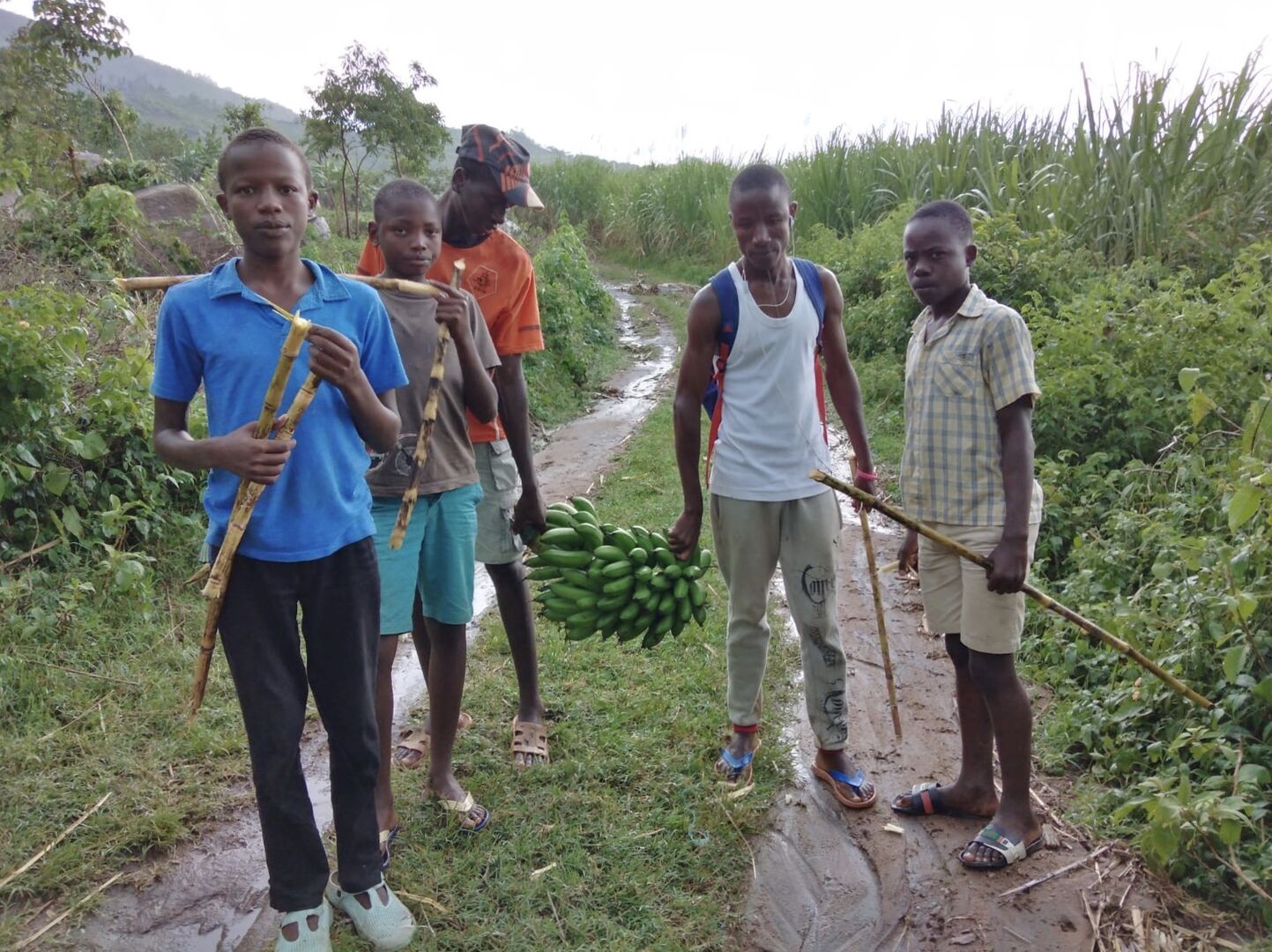
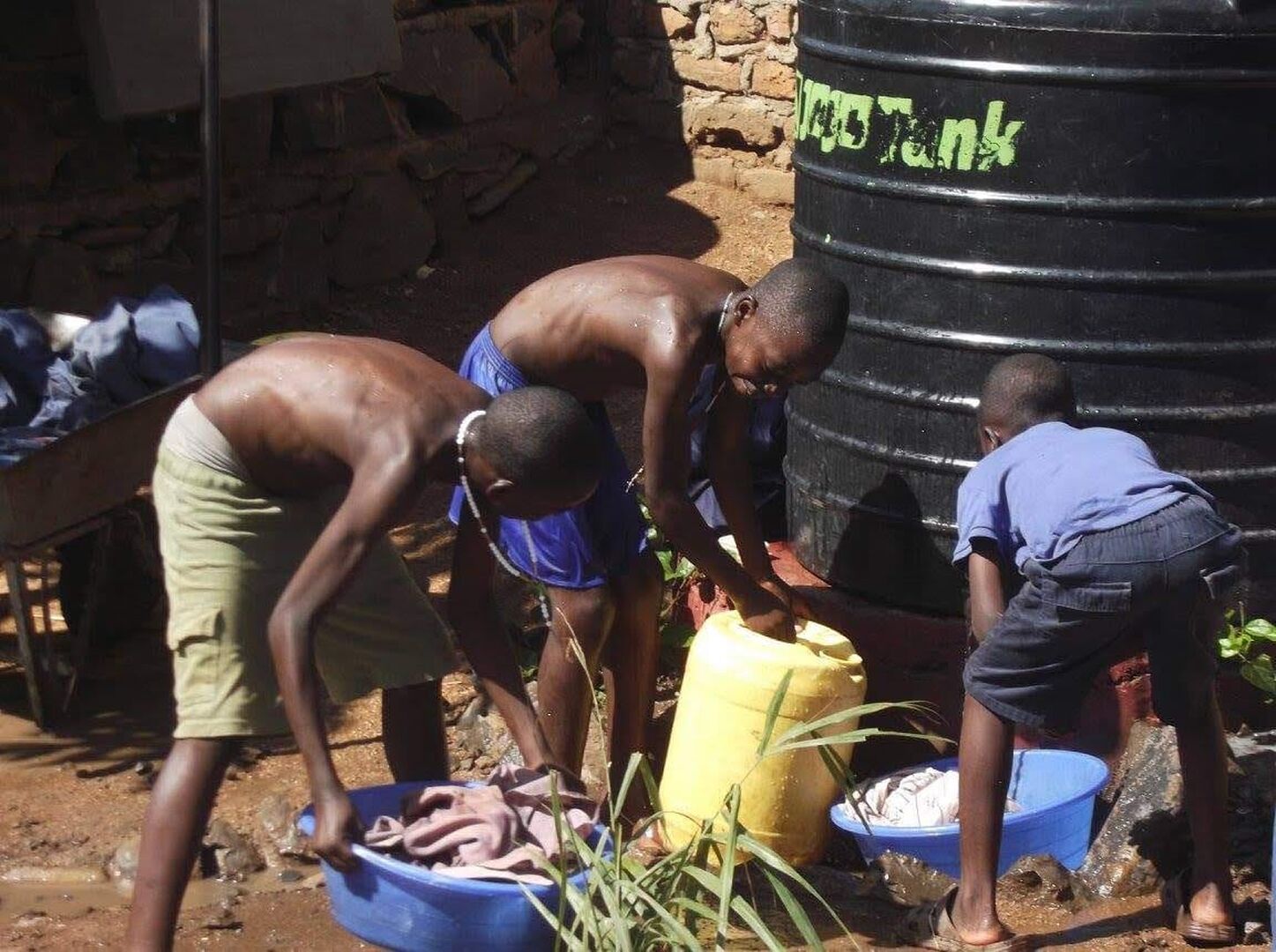
These improvements were carried out jointly by our boys, staff members, and local community members. Through working together, they gained valuable experience in cooperation, responsibility, teamwork, and mutual support—an invaluable lesson, particularly when the result of their efforts is the place they call home every day.
The St. Philip Neri Rehabilitation Centre (SPNR) is a community-based organisation (CBO) located in the Nyalenda informal settlement on the outskirts of Kisumu, Kenya. Our humanitarian organisation is one of many development and charitable projects established and managed by St. Elizabeth University of Health and Social Work in Bratislava, Slovakia.
Our mission is to address one of Kenya’s most pressing social challenges—the alarming number of abandoned children living on the streets. Through rehabilitation, resocialisation, education, and family reintegration, we strive to help these children rebuild their lives and return to society as confident and responsible individuals.
At SPNR, we apply a unique, non-violent, and communication-based approach to rehabilitation that is adapted to local realities. We seek to instil values, discipline, and responsibility in the least intrusive way possible through structured daily routines, duties, accountability, freedom, trust, and kindness.
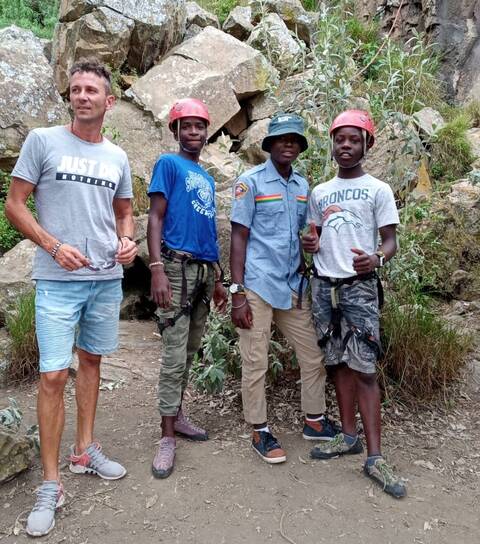
Children who demonstrate a willingness to cooperate and fulfil their responsibilities are rewarded with a programme rich in recreational and educational activities, helping them develop positive habits and self-confidence.
The foundation of our work is the gradual reintegration of former street boys into society. To achieve this, it is essential that the children return to the cultural and social environment in which they will later live their adult lives.
They must learn to understand and accept the values, customs, and social norms of their communities so that, after completing their education, they can feel comfortable, accepted, and fully integrated into society.
Despite the difficult conditions of street life, some children still possess the resilience, determination, and capacity to build a better future for themselves. Their physical and mental health have not been irreversibly damaged, and they remain strong enough to overcome the challenges associated with life on the streets.
Our social workers come from local communities and are professionally trained to work with children who still have a realistic chance of positive change through our programme.
Our social workers establish relationships with potential beneficiaries through outreach work in the city centre, visiting places where street children commonly spend their time, such as bus stations and public parks.
The first step toward rehabilitation at SPNR usually begins on the streets, where our staff assess each child's potential for successful reintegration into the centre and, ultimately, into society.
Some children who have not previously been contacted by our outreach team arrive at the gates of the centre on their own. Because the location of SPNR is well known within the street community, such cases are not uncommon. While these situations can be more challenging due to the lack of prior assessment, we do not turn children away.
After several days of observation in a structured and supervised environment, we determine whether the child is ready to be integrated into our rehabilitation programme.
The rehabilitation process begins with an informal intake interview conducted by a social worker in the child’s native language. The purpose of the interview is to gather information about the child’s family background, social and economic circumstances, experiences on the streets, and the factors that contributed to their current situation.
The core of rehabilitation lies in eliminating the constant sense of danger that street children experience and building a relationship based on trust and security. Once this foundation has been established, it becomes possible to develop empathy, discipline, responsibility, and moral values.
A structured daily programme also helps reduce the temptation to use drugs and other harmful substances, which are often part of life on the streets.
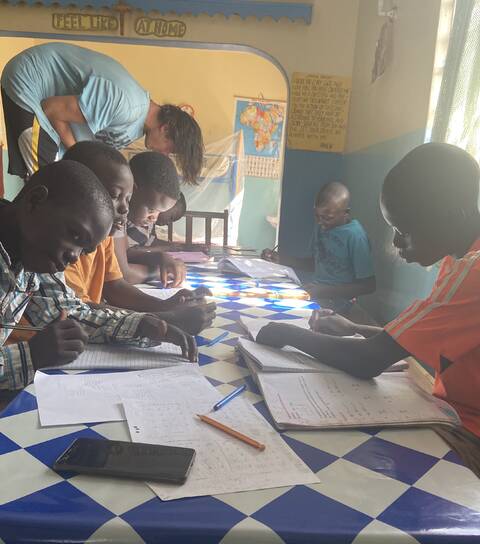
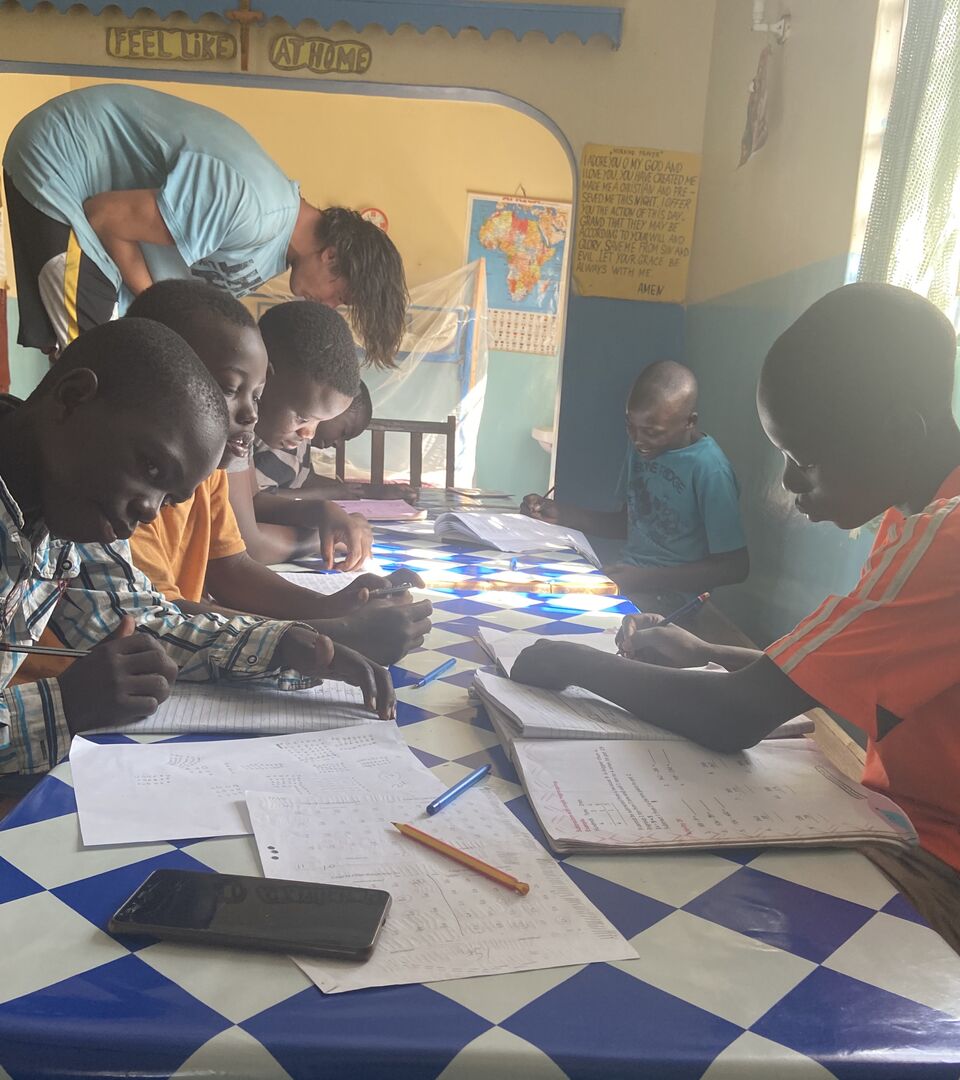
During the rehabilitation phase, children participate in our morning educational support programme. This allows us to assess their academic level and provide individual tutoring until they are ready to return to formal schooling.
A key element of becoming a functioning member of society is successful integration into the culture and community that shape everyday life.
Once a child has completed rehabilitation and demonstrated the ability to function within a group environment, we begin working to restore family relationships with relatives who are willing and able to assume responsibility for the child’s care.
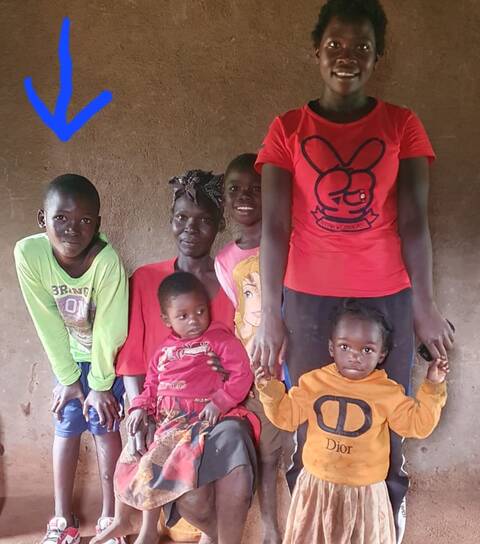
If no relatives can be identified, we seek a suitable foster family within one of the communities with which we have established relationships. These caregivers are often of limited financial means themselves, and therefore we provide material support according to their specific needs. In addition, we fully cover all educational expenses for the child.
Following successful reintegration, our team regularly visits the child’s new home to ensure that appropriate living conditions are maintained and that the child continues to develop in a healthy and supportive environment.
Occasionally, unexpected challenges arise. If these obstacles prove impossible to overcome, the search for a suitable family environment and educational placement begins again, ensuring that the child ultimately receives the opportunity for a safe, stable, and sustainable future.
According to data provided by the Kenyan government, it was estimated in 2018 that more than 300,000 street children were living across the country, ranging in age from as young as four years old to young adults. The accuracy of this figure remains uncertain, as most of these children have never been formally registered by any public institution.
Many survive from day to day and are chronically exposed to substance abuse, particularly inexpensive inhalants such as aviation fuel and shoe glue, as well as plant-based drugs such as khat and marijuana. The long-term consequences are devastating. After years of inhalant abuse, children often lose the ability to learn new skills or process complex information. Combined with disease, malnutrition, violence, and drug-related complications, life expectancy for many street children rarely exceeds 25 years.
Street children are frequently excluded from social interaction with the wider population, either through neglect, discrimination, or direct intimidation. These conditions create a vicious cycle of addiction, theft, and violence that makes escape from poverty extremely difficult. Many of these children have been exposed to abuse from an early age, resulting in profound emotional and behavioural trauma.
Modern Kenya is home to approximately 47 tribes and ethnic groups, each with its own traditions, language, and cultural practices. This diversity contributes not only to a complex political landscape but also to significant differences in family structures and social norms.
In Kisumu, the predominant communities are the Luo, Luhya, and Kisii peoples. Most of the boys who enter our centre come from these communities. Certain traditional practices can contribute to family breakdown and child abandonment. For example, in some cases, when parents separate or a father dies, children remain with their mother. If she later enters a new relationship, sons from a previous union may be rejected and left without support, increasing their vulnerability to life on the streets.
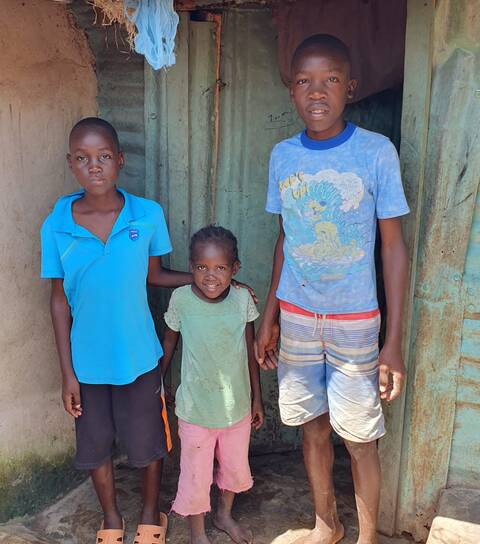
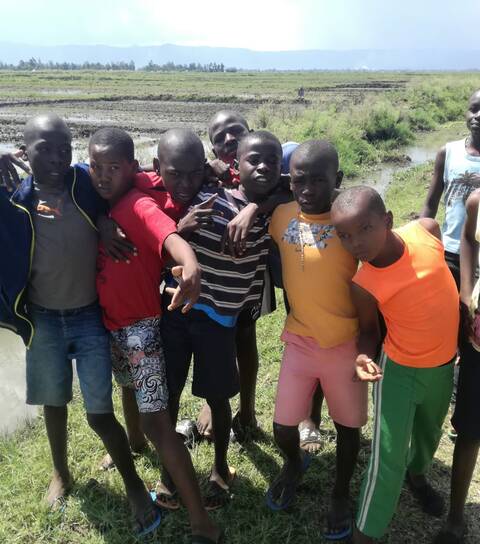
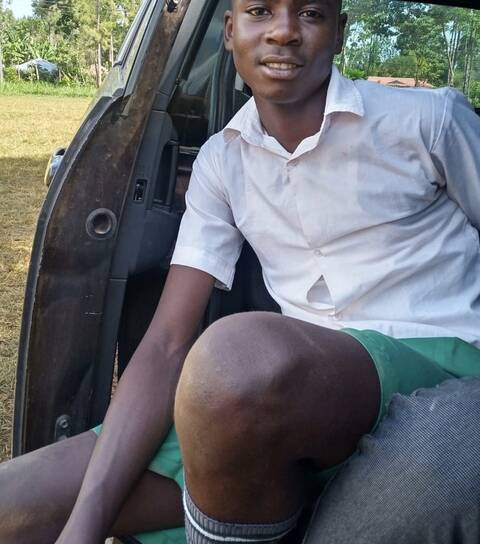
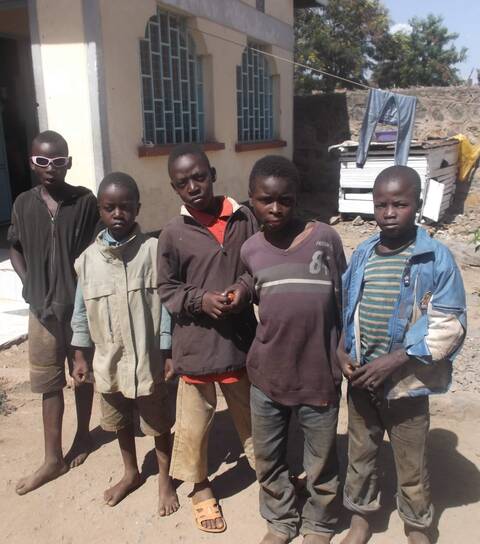
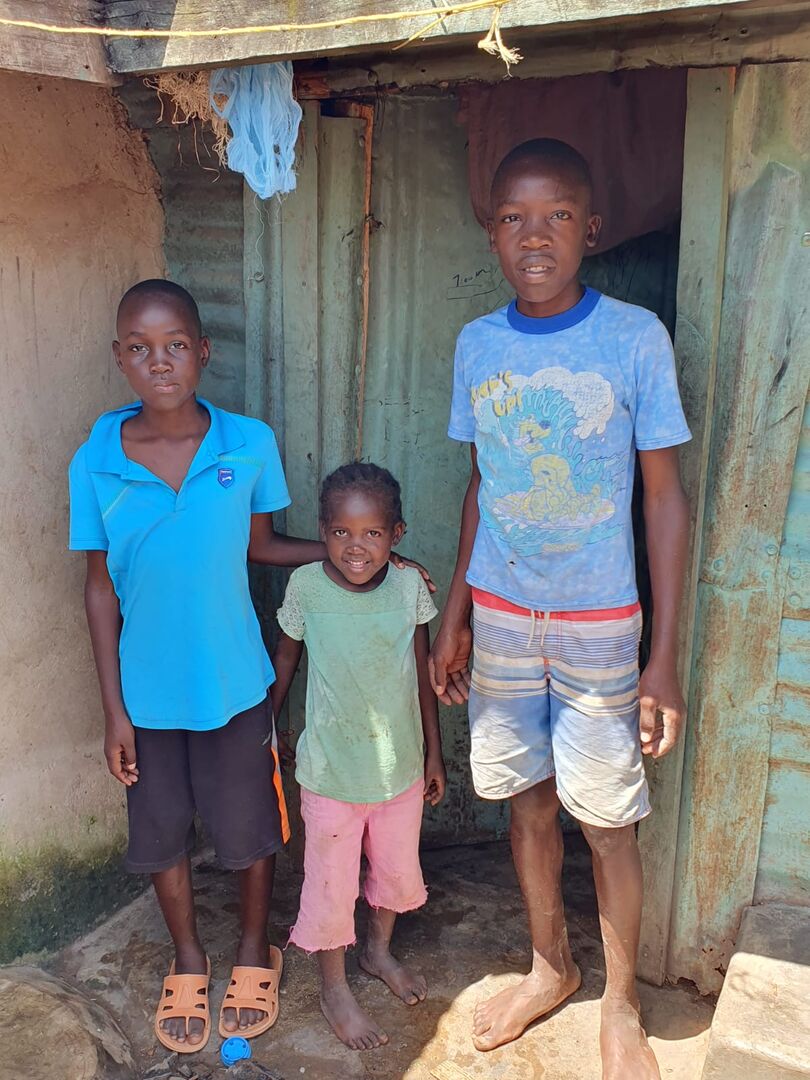
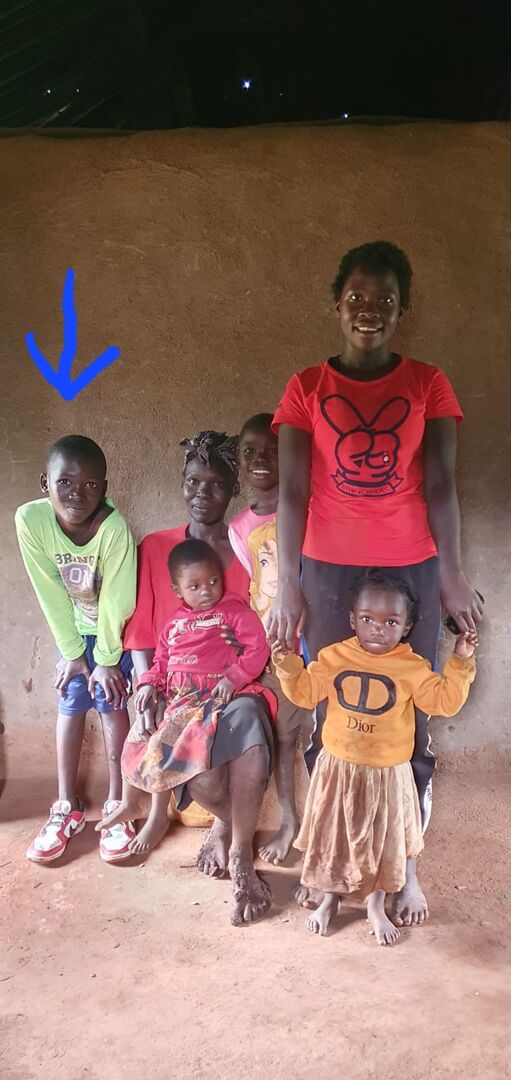
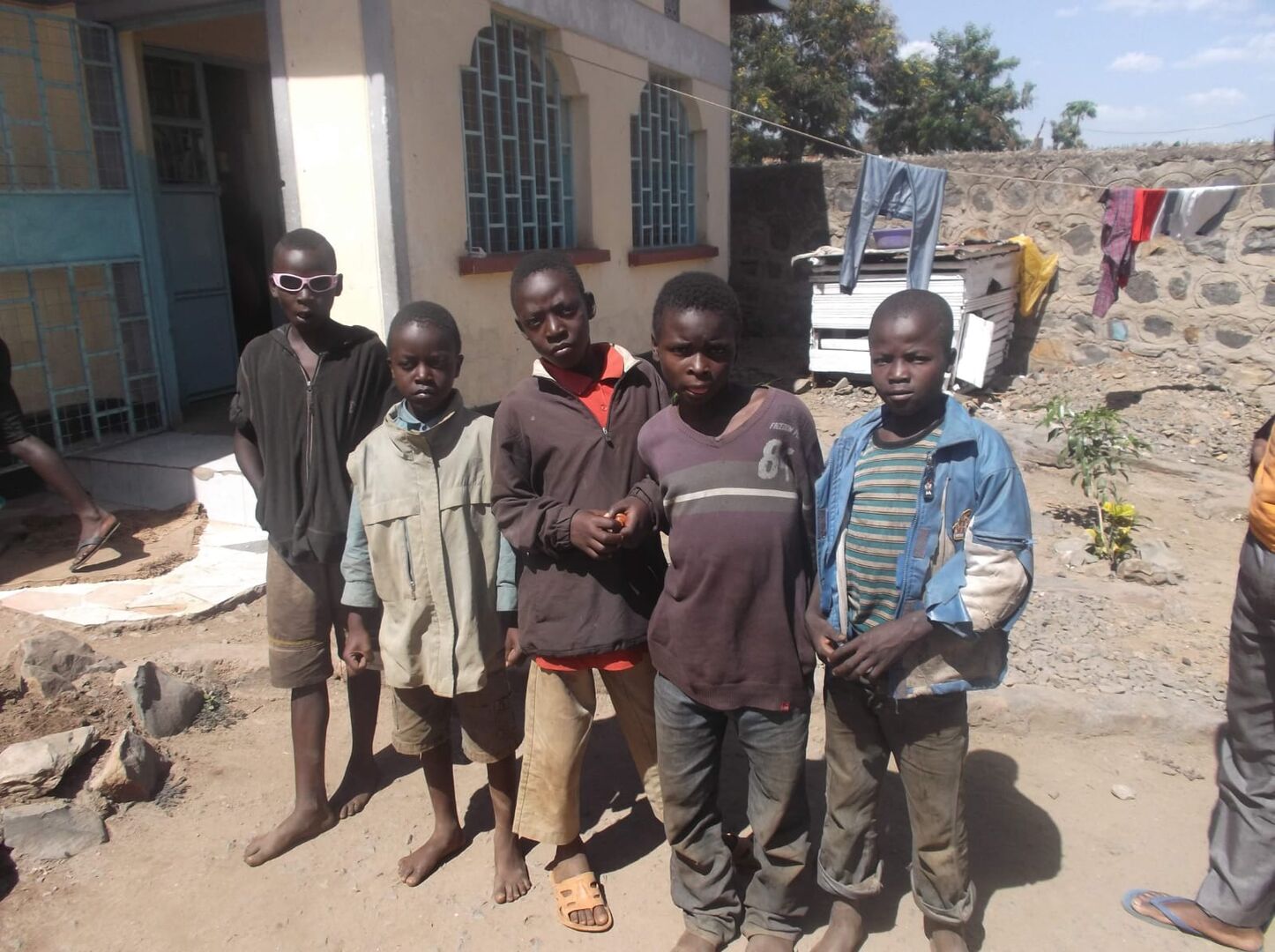
We care for some of the poorest and most vulnerable individuals living on the streets of Kisumu. Many are underage boys struggling with addiction, abandoned by their families, and left to survive without protection or support.
Street boys rarely encounter compassion. Life has often treated them harshly. At SPNR, we offer them a second chance. When a child demonstrates willingness to cooperate and a desire for change, we do everything possible to help him break free from addiction, find a new direction in life, and become self-reliant.
The path is challenging and filled with obstacles, but we believe every child deserves the opportunity to rebuild his future.
Our goal is comprehensive transformation—from a child’s first arrival at our gate, through rehabilitation and education, to successful reintegration into school, family life, and the wider community.
Since the beginning of our work in Kisumu in 2016:
We have worked with nearly 200 children.
We have successfully reintegrated 70 children into their original communities.
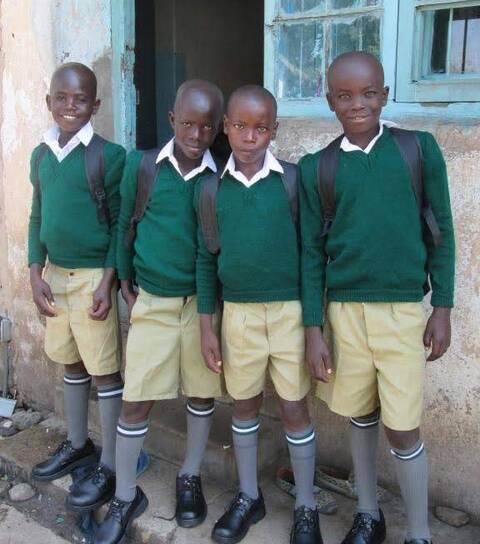
32 children have successfully completed primary education with our support.
The number of boys living at SPNR changes continuously.
Currently:
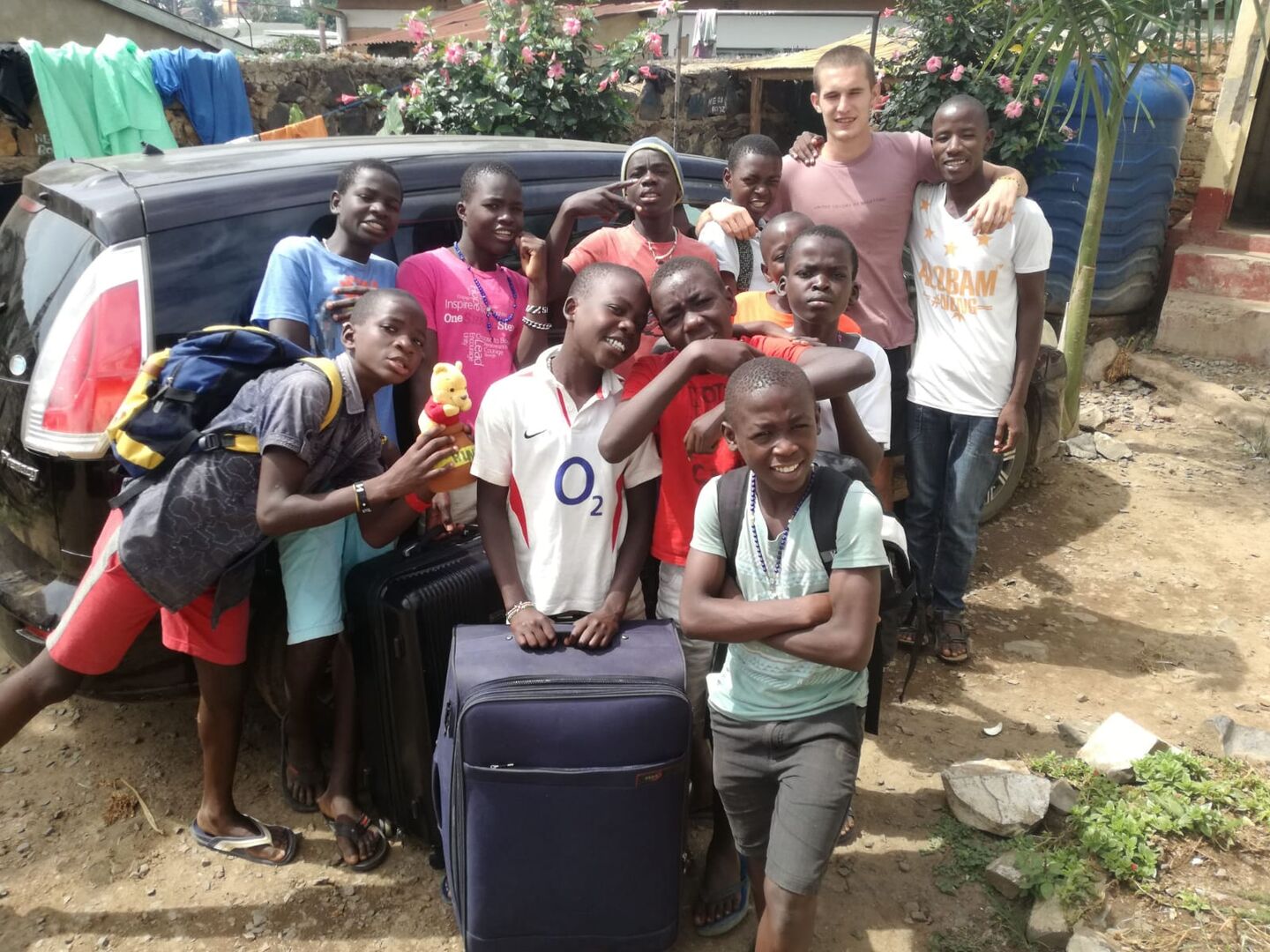
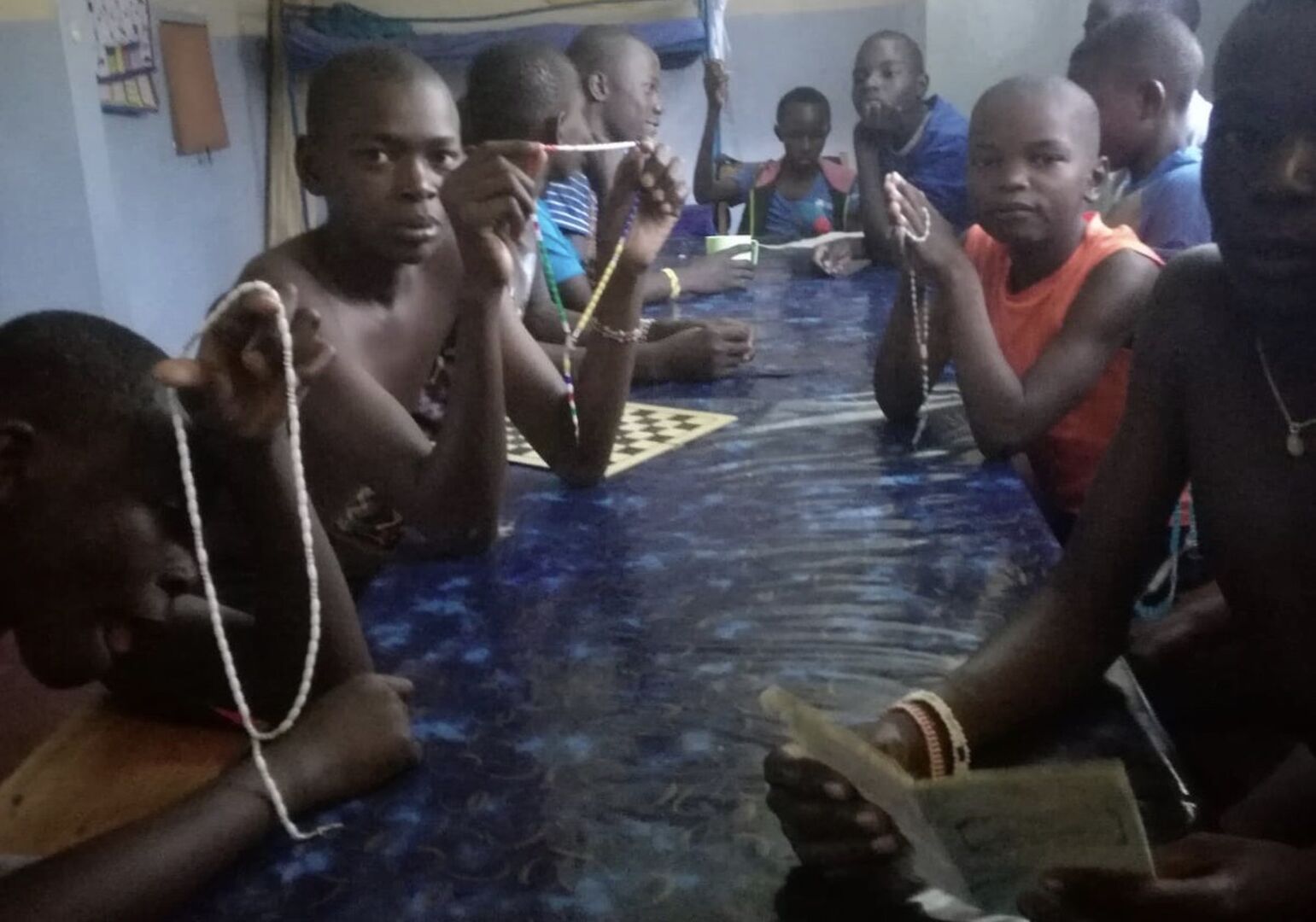
13 boys live at the centre.
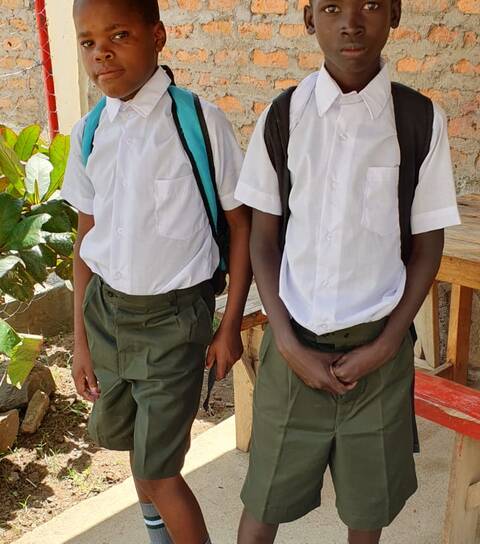
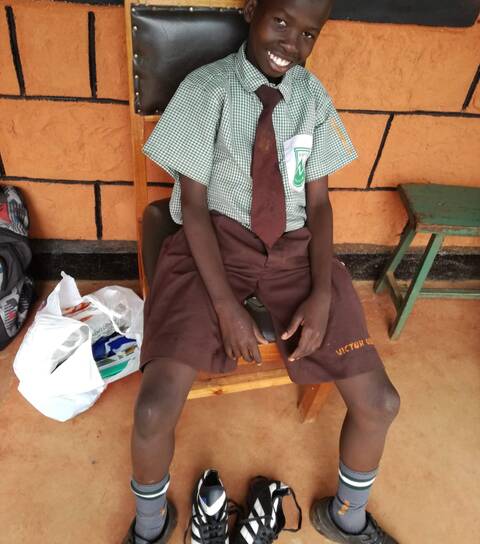
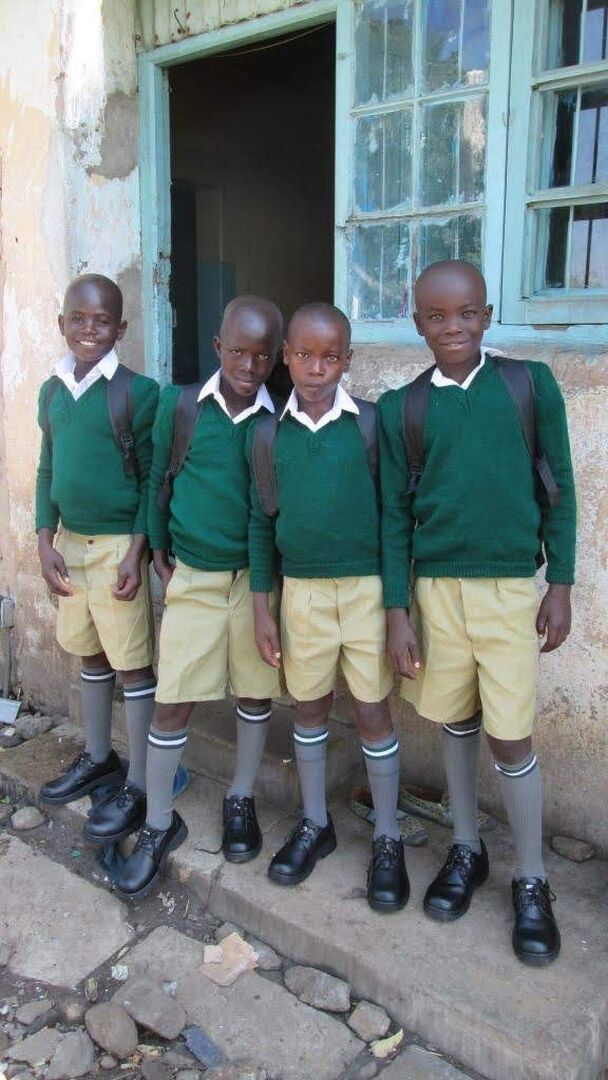
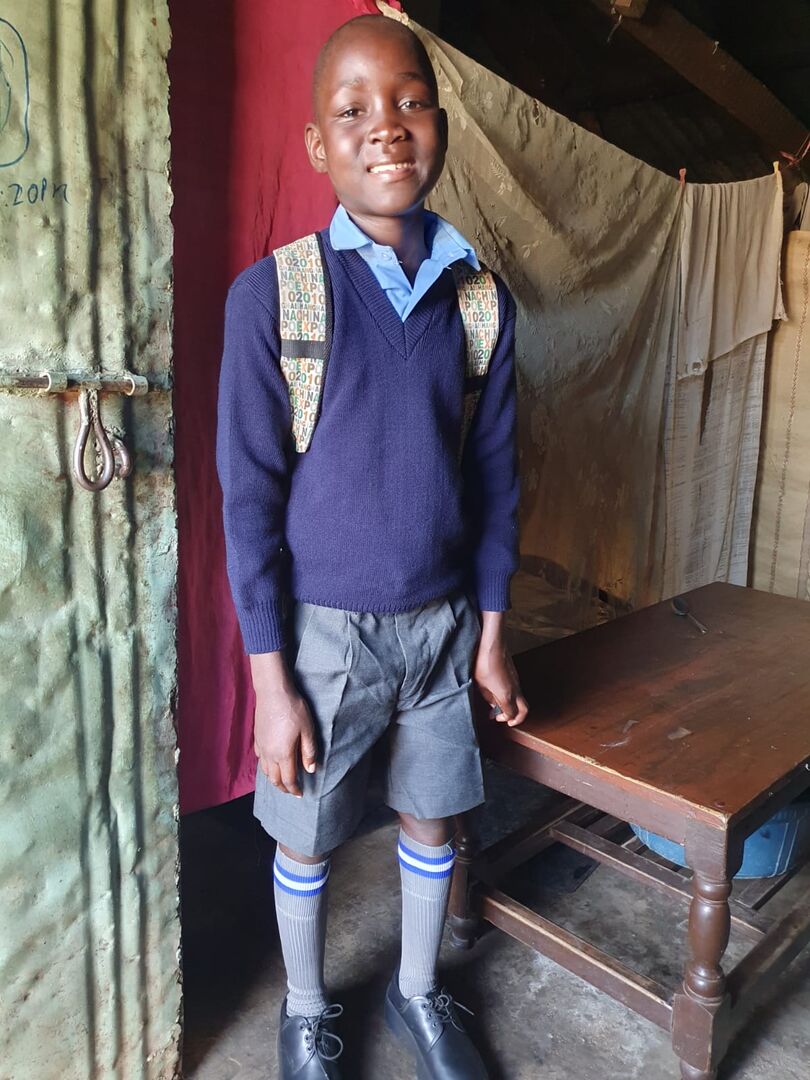
2 boys attend primary school.
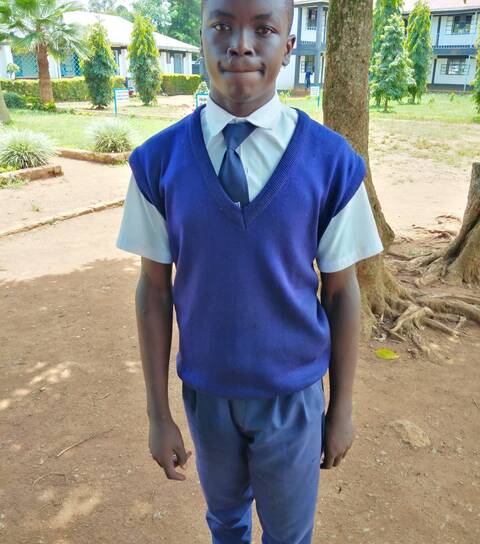
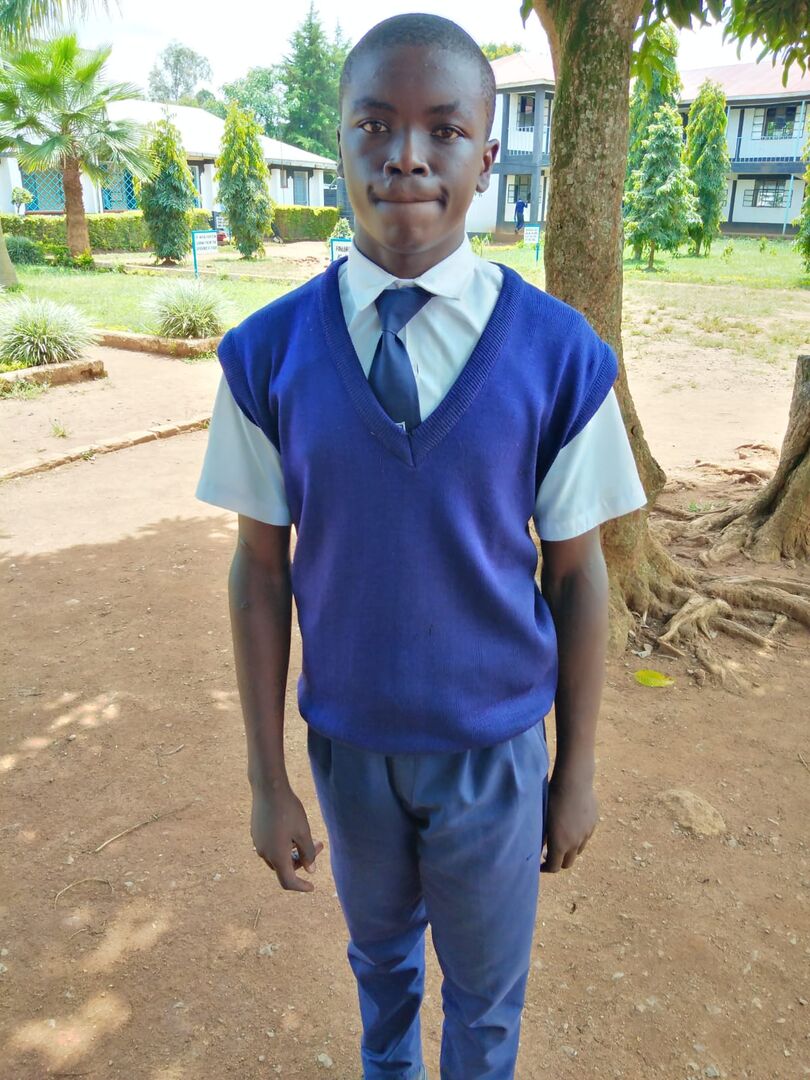
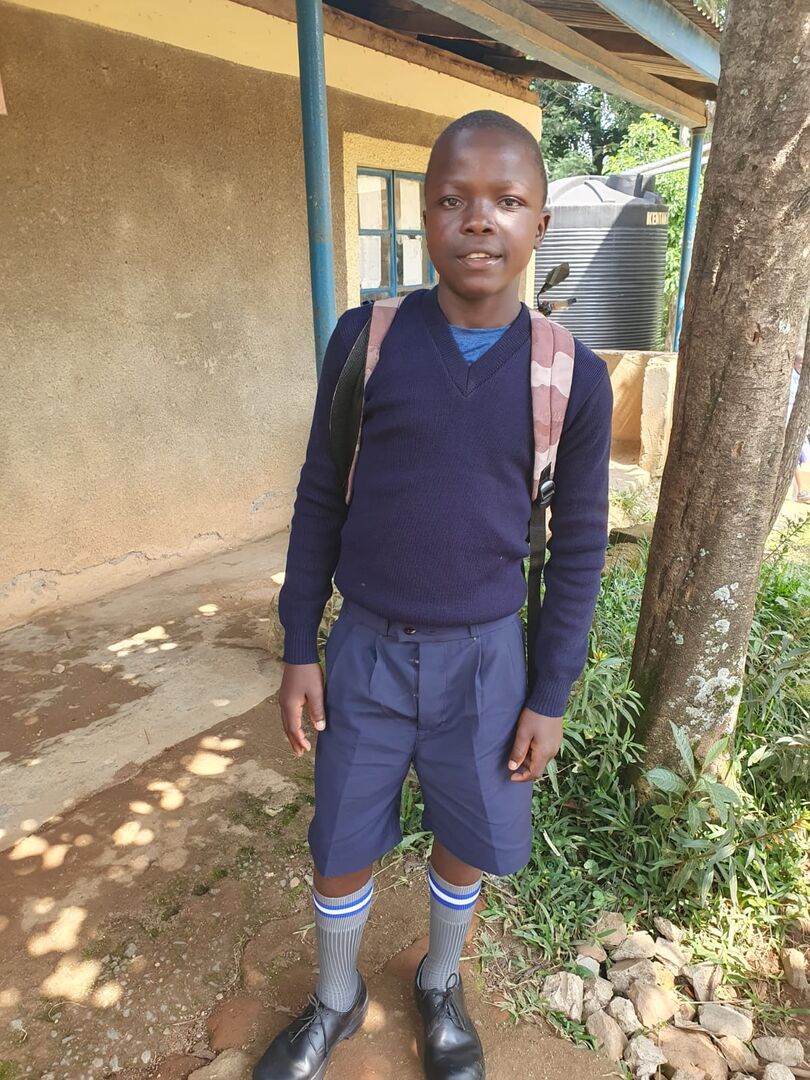
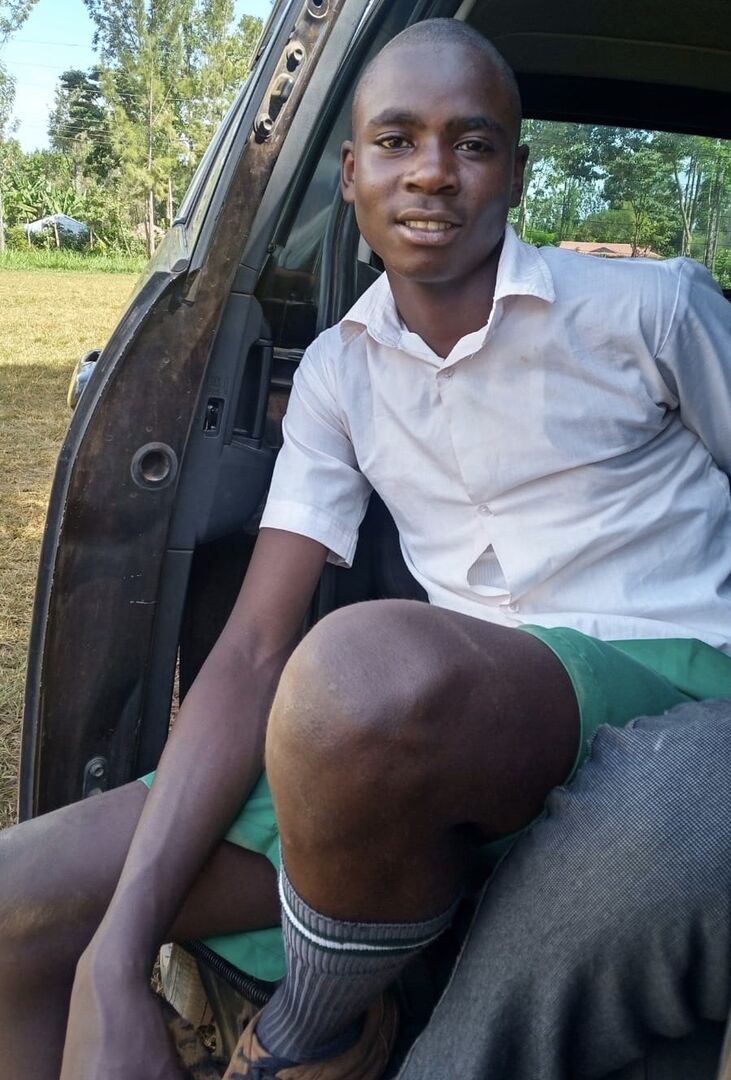
6 boys attend secondary school.
5 newly admitted boys are currently in the early stages of rehabilitation.
Additional students continue to receive educational support while living with relatives or guardians.
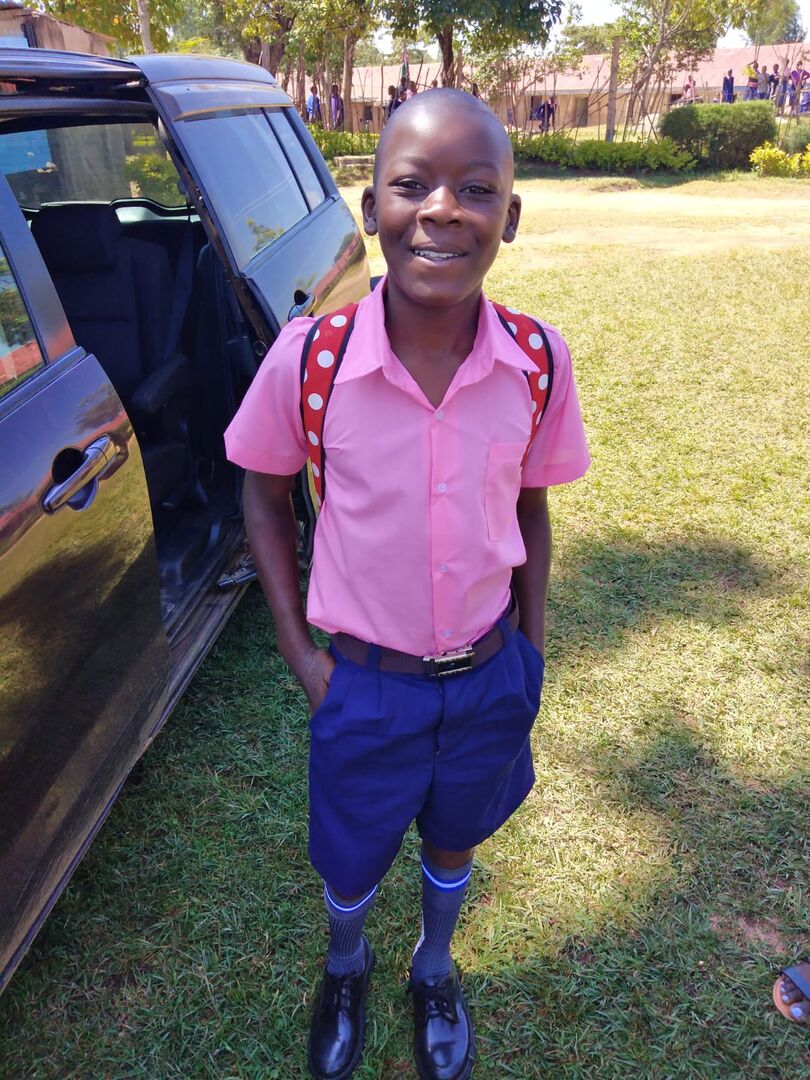
Because education in Kenya is not free, attending school is a privilege that many children never experience.
Through our programme, we currently support the education of approximately 42 children, including 24 students enrolled in secondary schools.
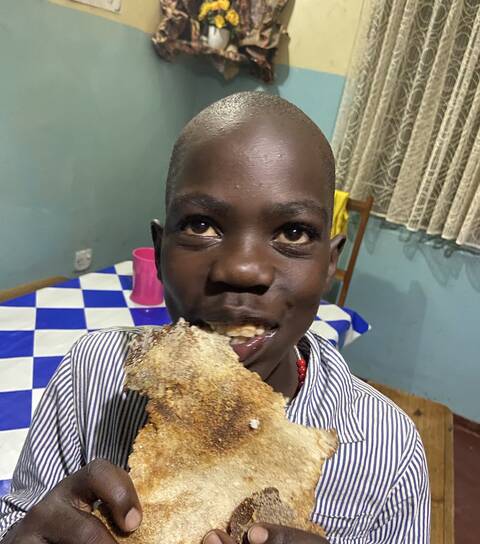
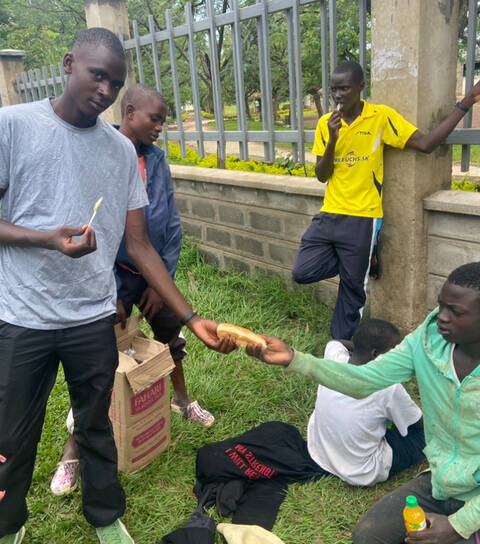
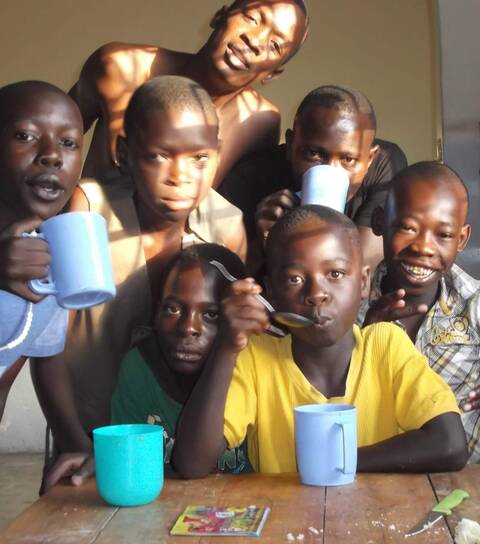
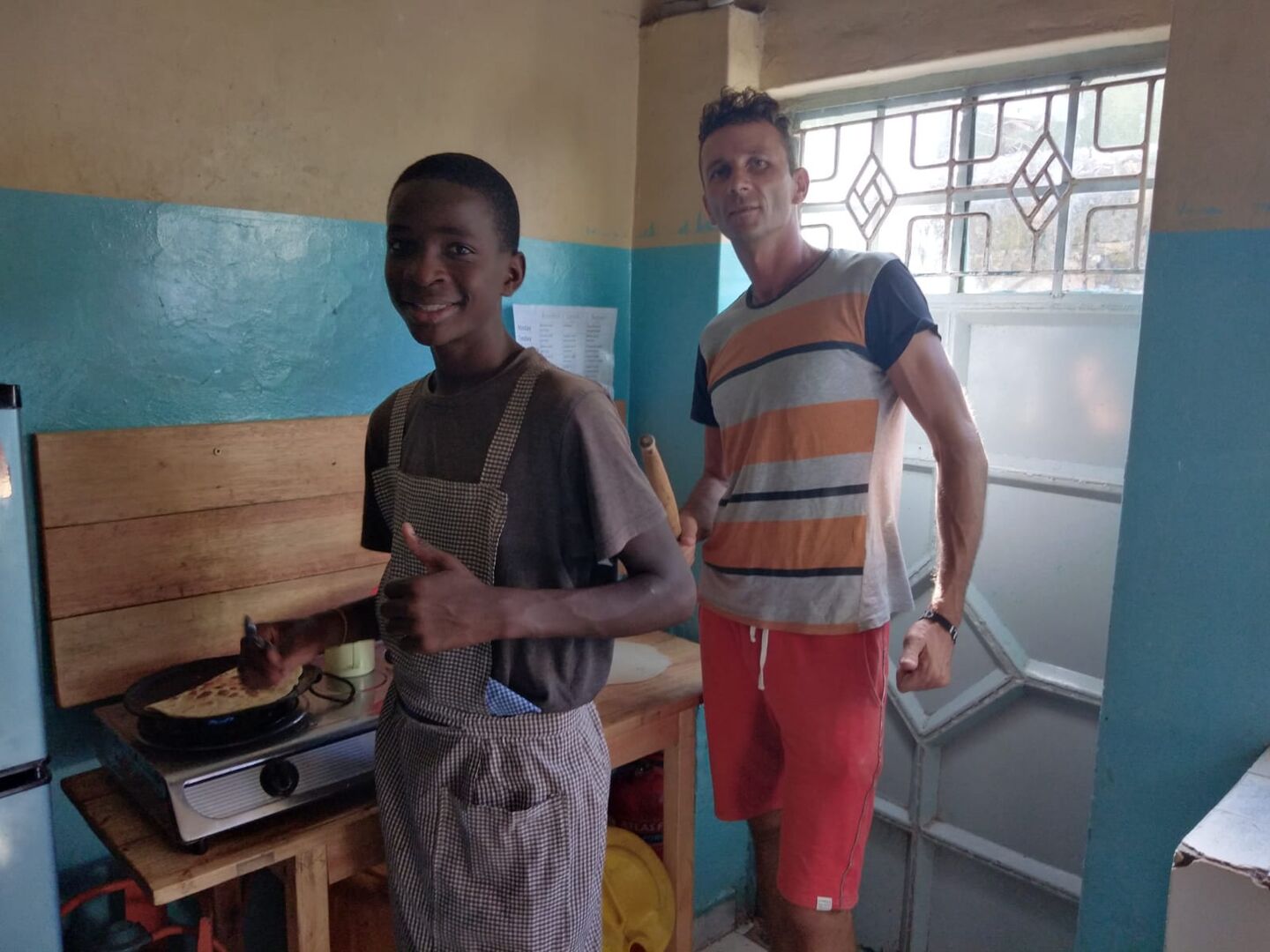
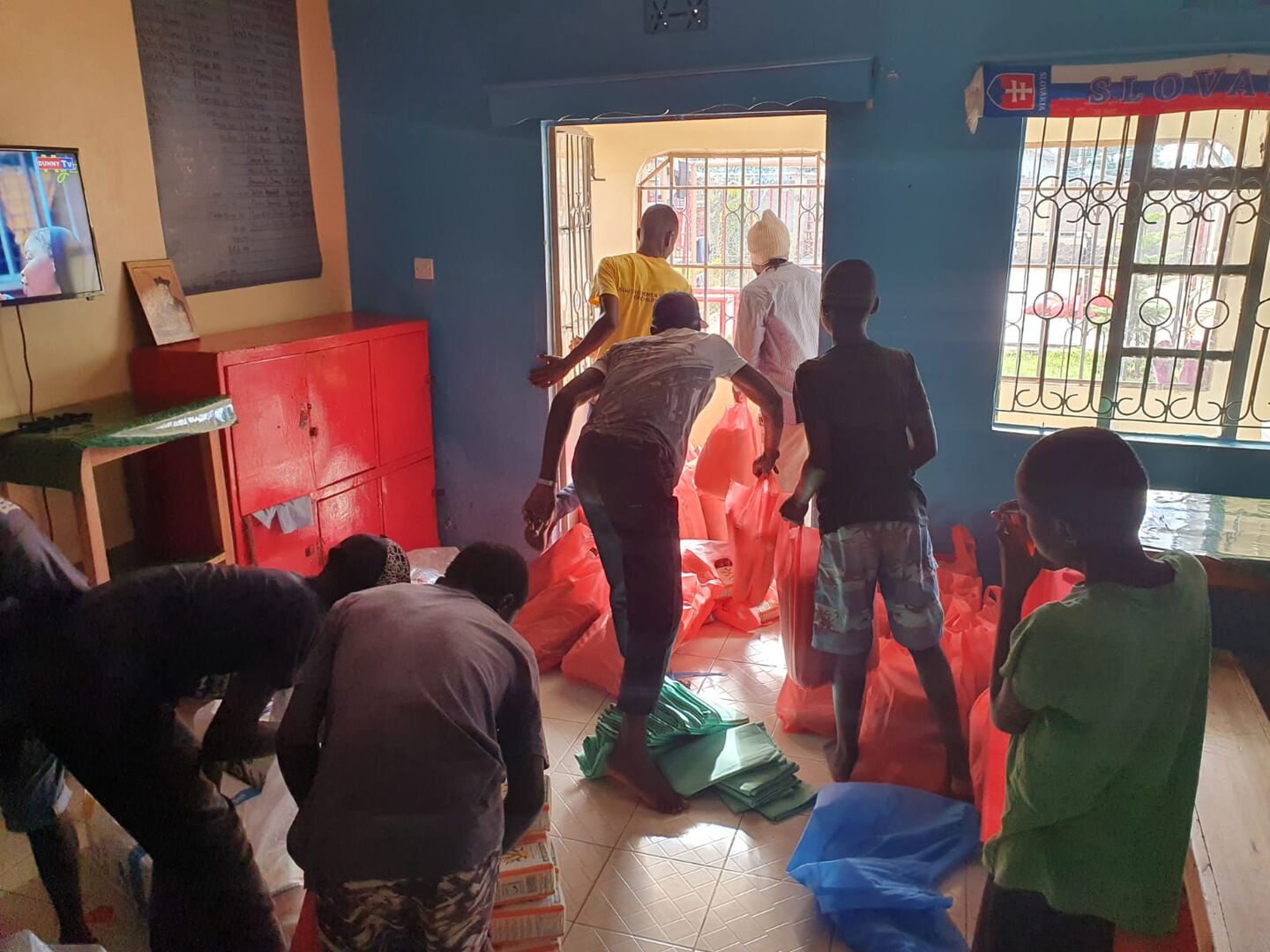
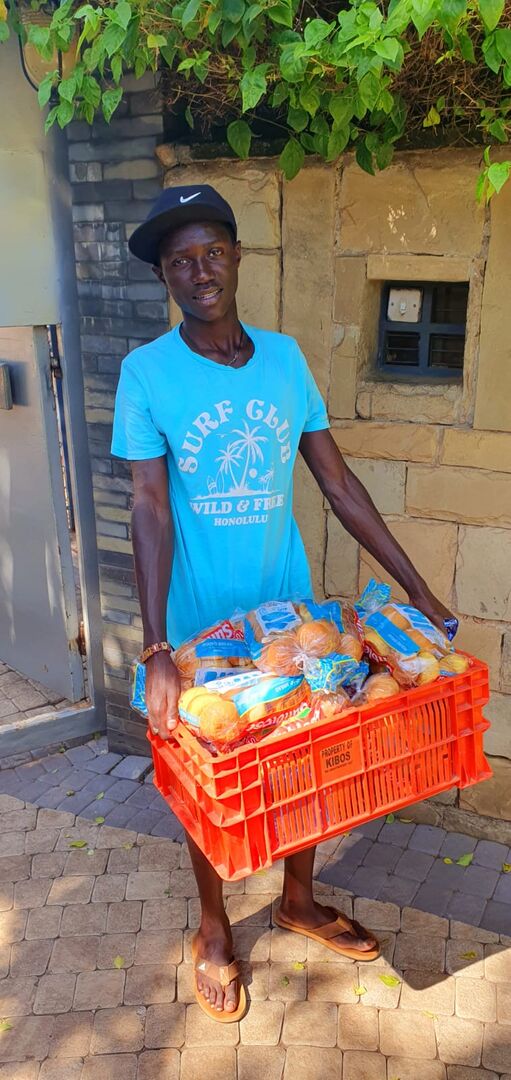
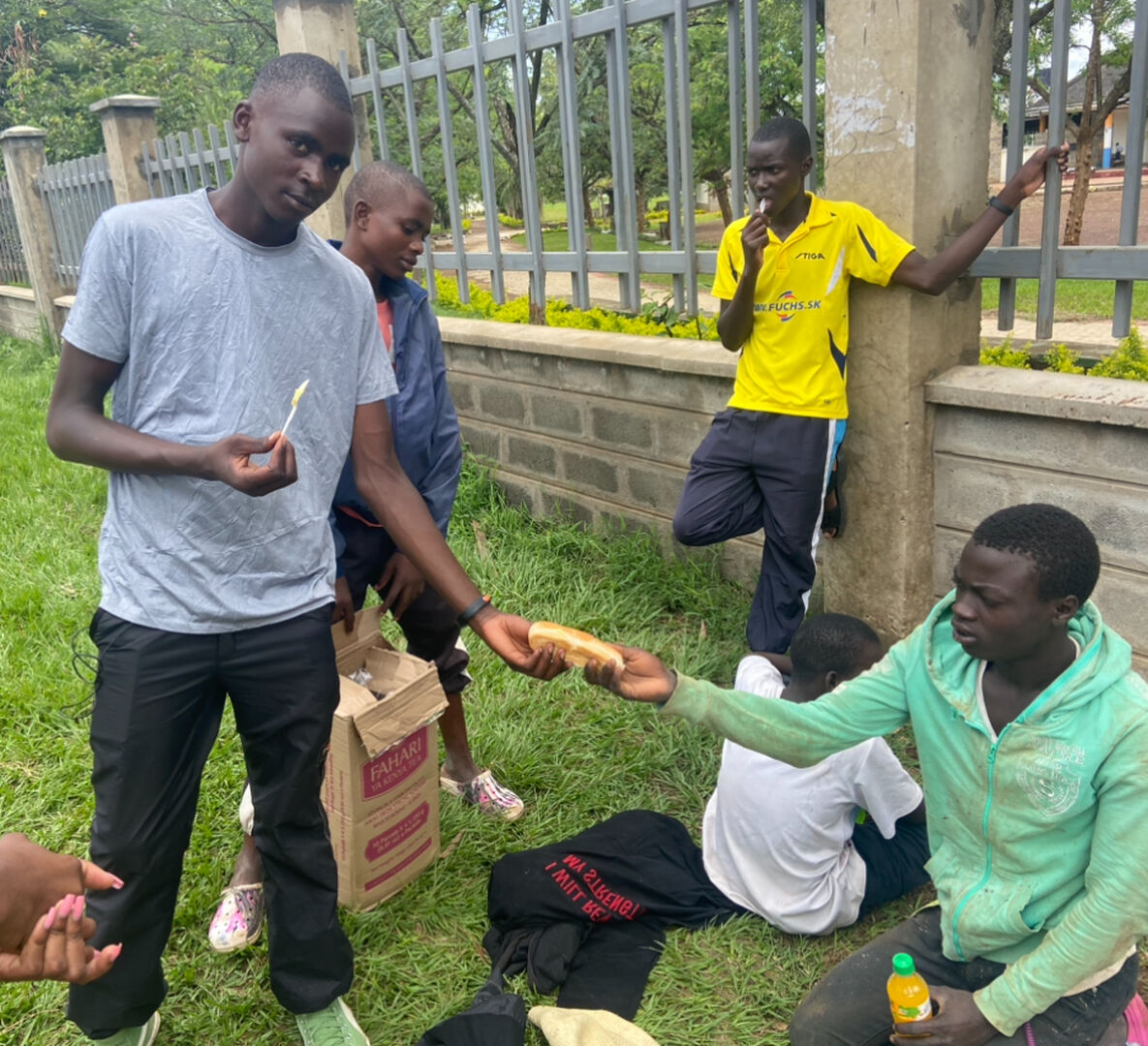
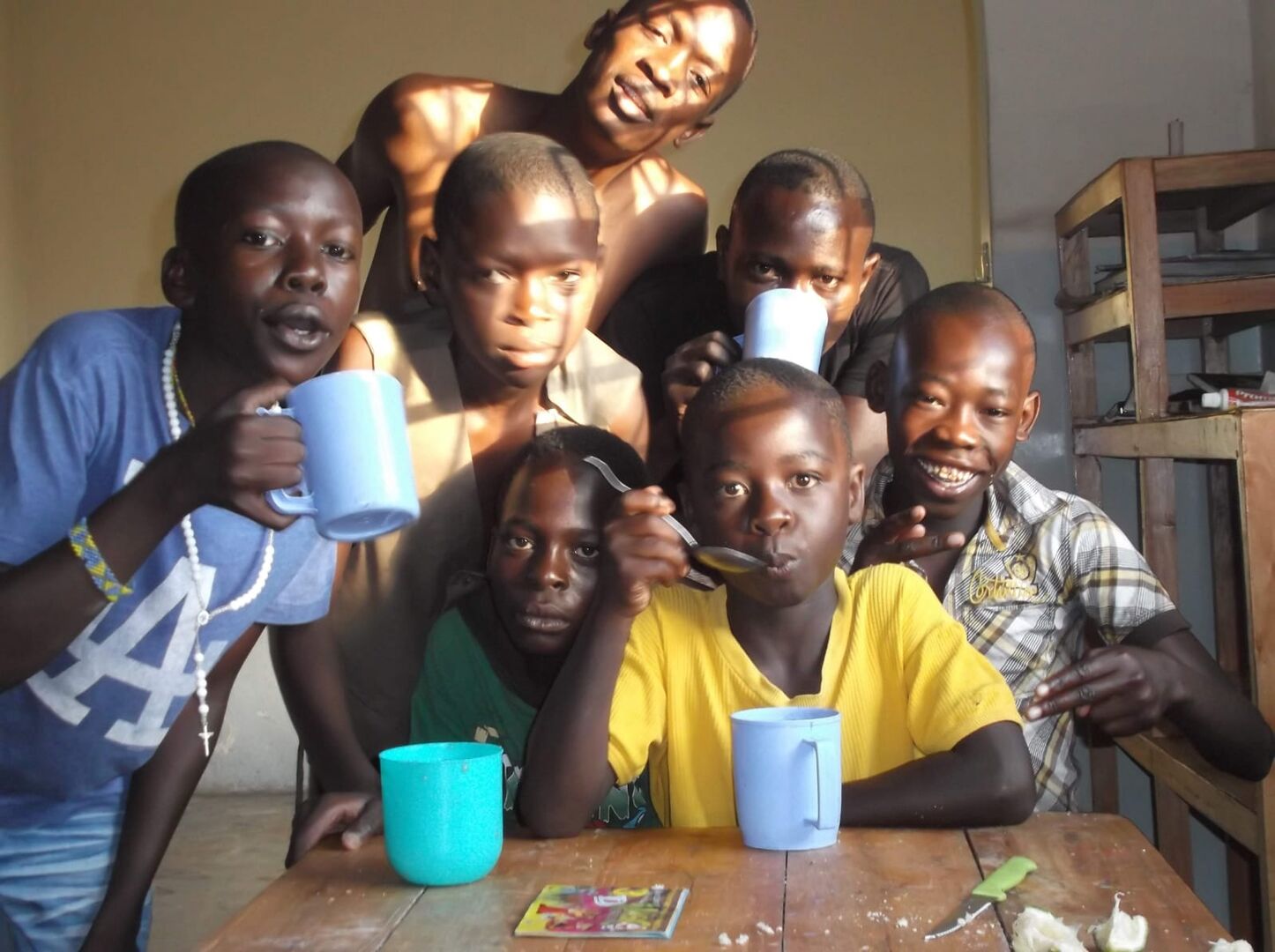
We provide street children with a safe and loving home environment where we strive to live as a family. We ensure that their basic needs are met, including:
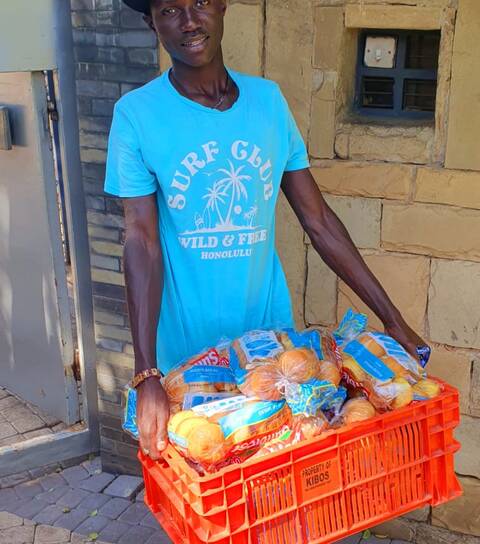
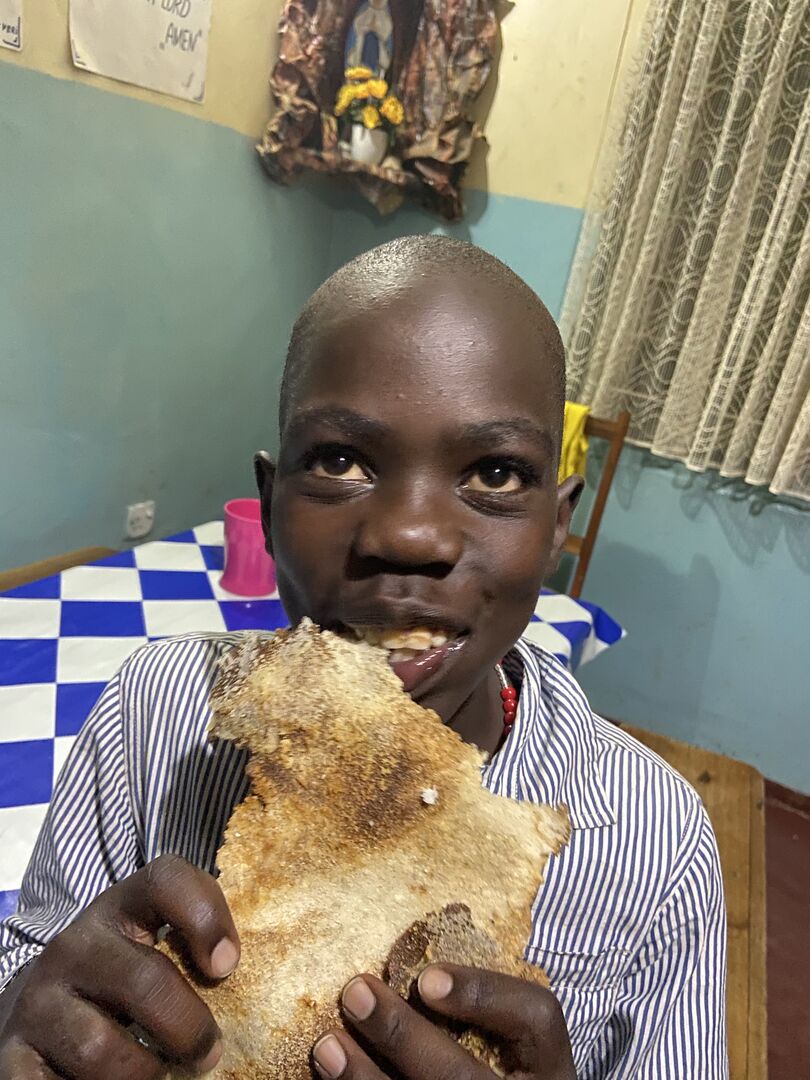
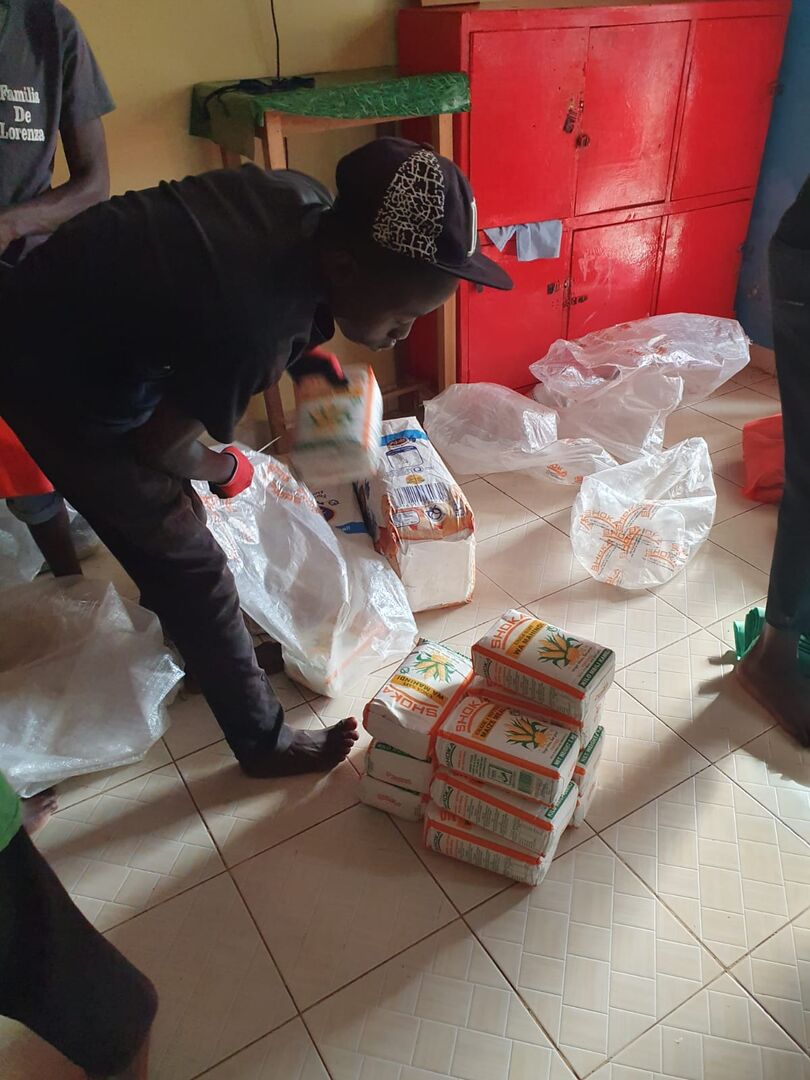
Food and nutrition;
Accommodation;
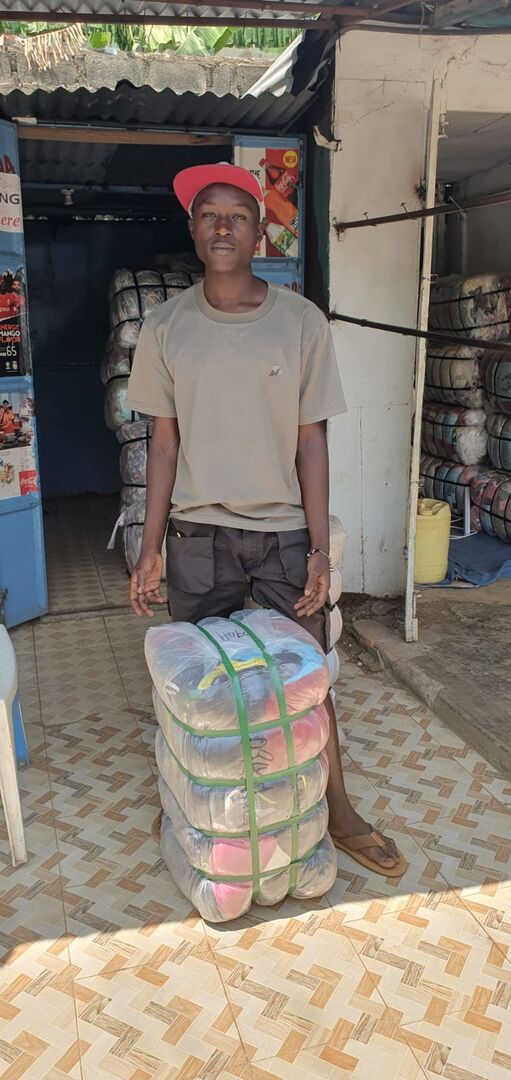
Clothing;
Medical care;
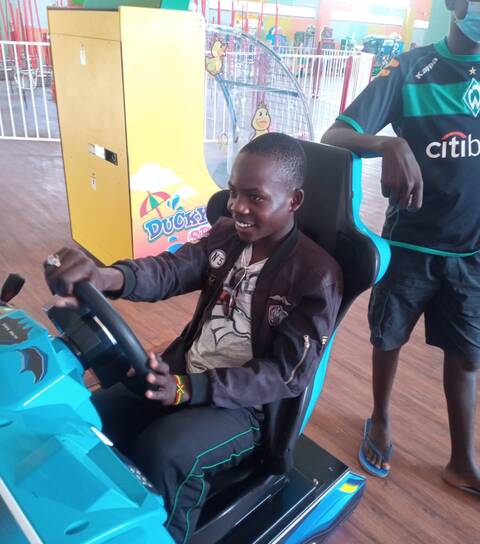
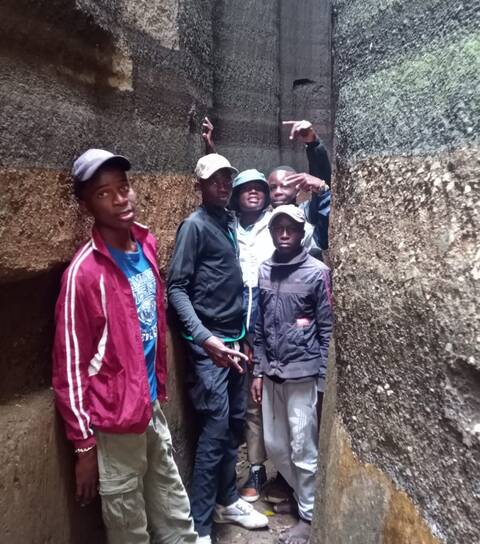
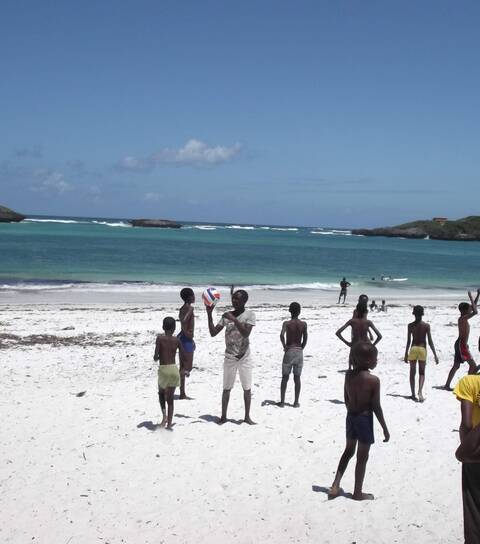
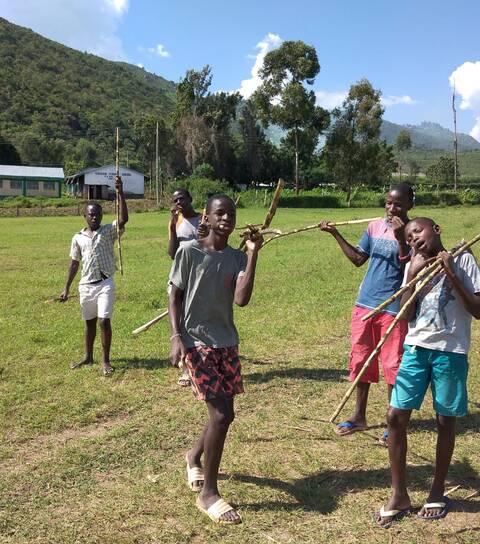
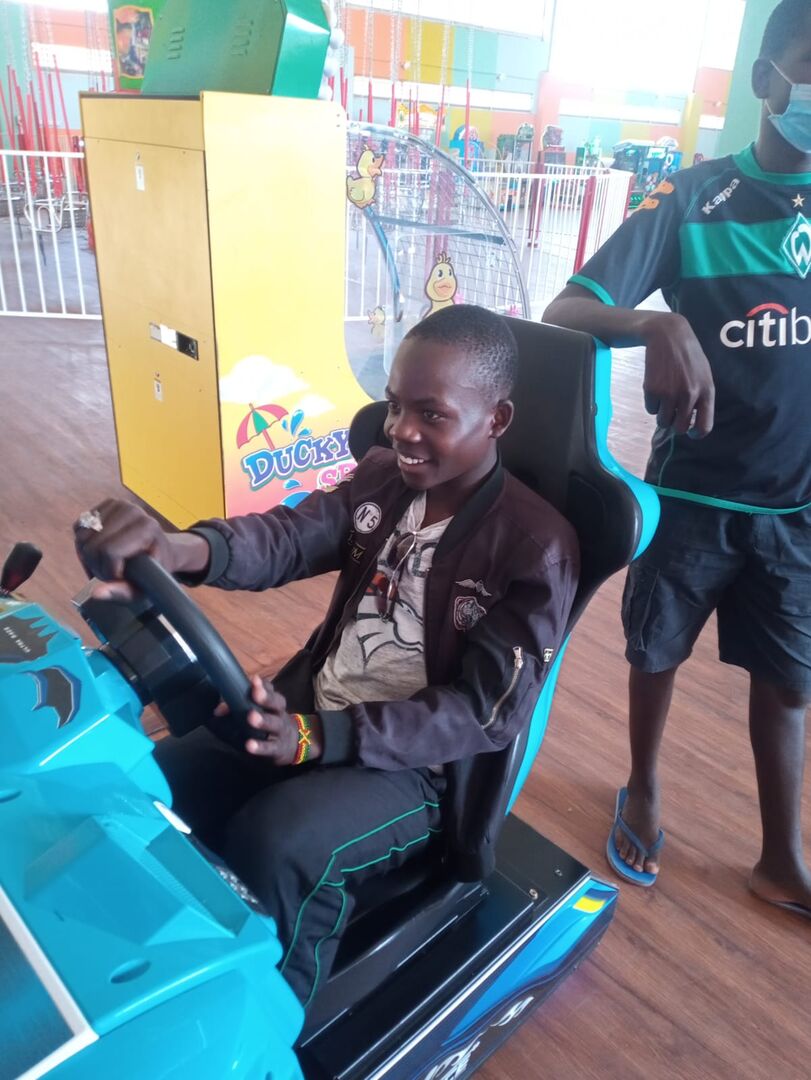
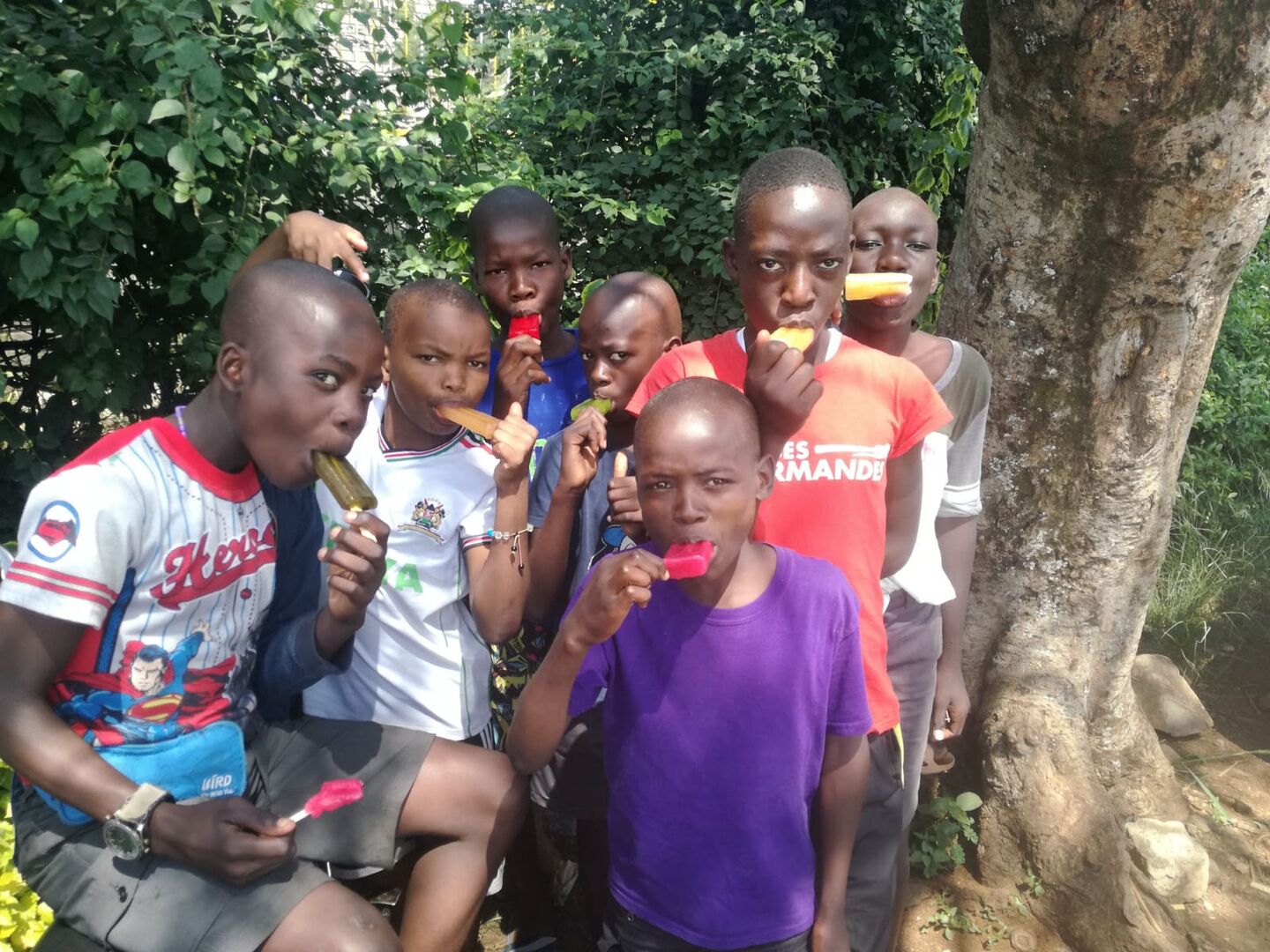
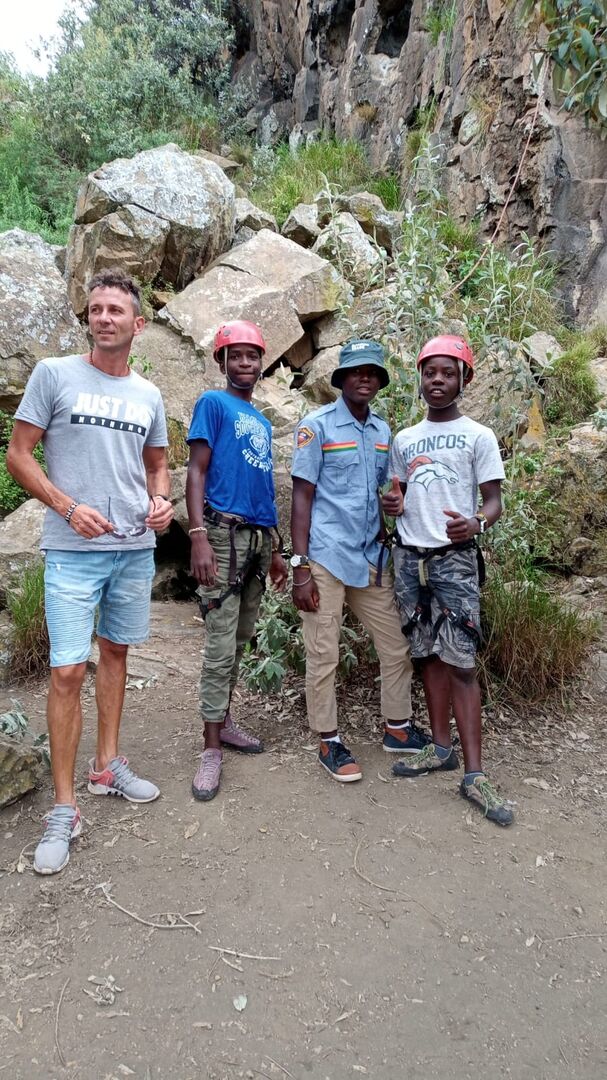
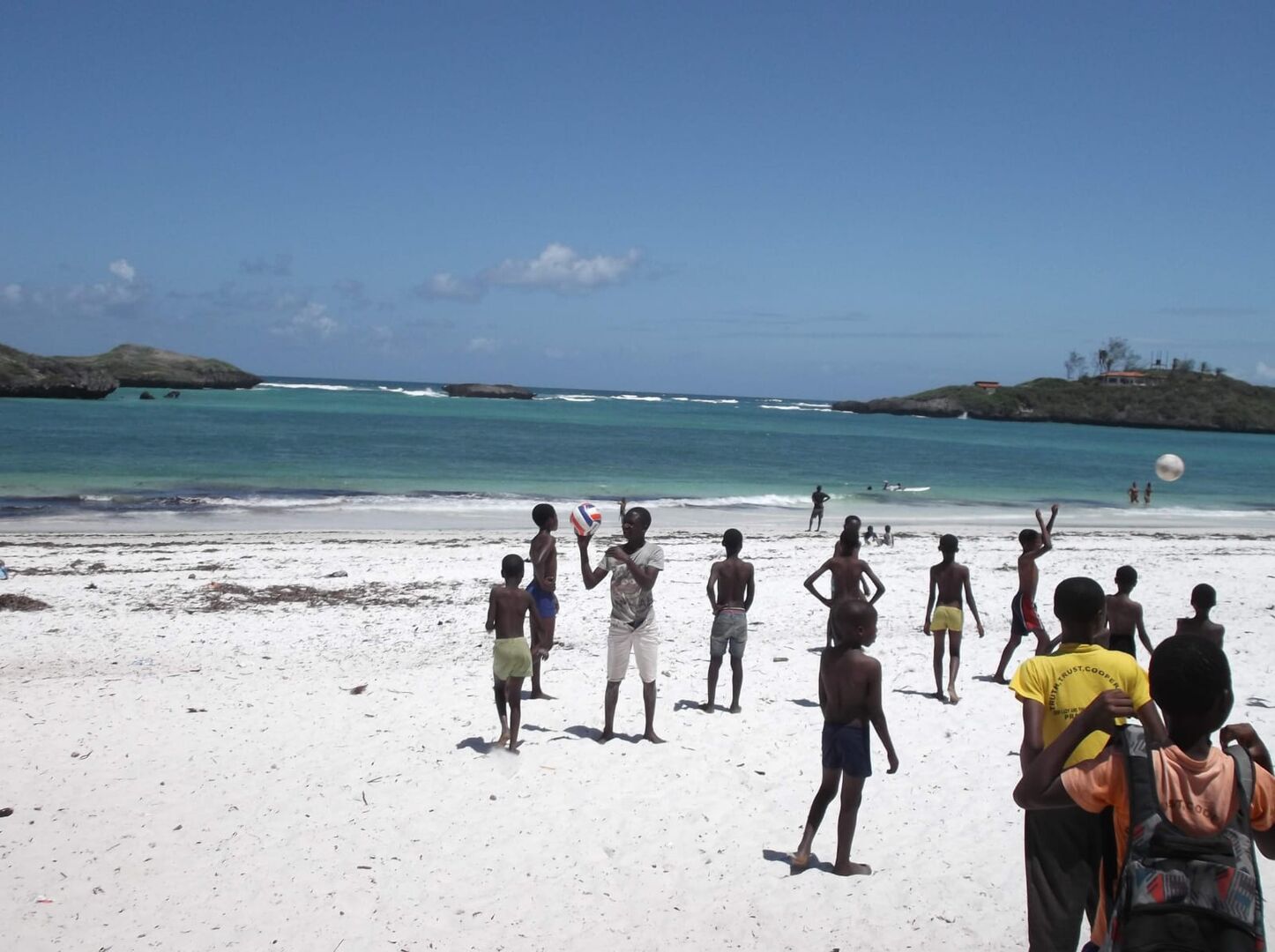
Recreational and leisure activities.
Our qualified social workers identify new cases through outreach work, conduct intake interviews, and provide ongoing counselling in each child's native language.
The streets of Kisumu are filled with children in need. We encounter them every day—from very young children to young adults. Many have suffered irreversible physical or psychological damage due to prolonged substance abuse.
Through informal but purposeful conversations, our social workers identify those who still have the potential and motivation to change their lives. They assess each child's situation through communication, behaviour, aspirations, and self-perception.
When a child demonstrates a genuine desire for a different future, we invite him to begin the journey toward rehabilitation at SPNR.
Upon arrival, one of our social workers begins an informal conversation with the child in his mother tongue. This serves both to establish trust and to gather information that will guide future interventions.
During the first days at the centre, our staff focus on building a relationship based on understanding and respect. We listen carefully, observe behaviour, and seek to understand the child's personal story and experiences.
Once we recognise a sincere desire for change, the child is formally admitted into the programme.
Admission is completed through the preparation of an official intake report documenting the child's story and our observations.
Copies of this documentation are later shared with local authorities, including the police and the County Children's Office.
The file is continuously updated throughout the rehabilitation process with information from home visits, guardian assessments, educational progress reports, and evaluations of the child's physical and emotional well-being.
The purpose of rehabilitation is to help children unlearn survival behaviours developed on the streets and replace them with habits that support healthy participation in society.
This stage is often the most challenging part of the process, both for the child and for our team. Former street children must learn to abandon destructive behaviours, accept new opportunities, and develop trust in people and institutions.
Despite the challenges, we believe that through patience, consistency, and care, transformation is possible.
During the first months, newly admitted boys are carefully observed in both individual and group settings. Older residents also help us understand how newcomers behave outside direct supervision.
Educational assessments take place during our morning tutoring programme. Through age-appropriate exercises, interactive learning activities, textbooks, and educational tablet applications, we evaluate and strengthen skills in:
English;
Swahili;
Mathematics;
Geography.
Regular staff meetings allow us to review progress and adapt our approach to each child's individual needs.
The boys we work with have often spent years living in hostile environments characterised by fear, violence, and insecurity.
One of the foundations of our rehabilitation model is rebuilding trust in people and in the world around them.
This requires immense patience, compassion, and understanding. While we seek to understand the causes of problematic behaviour, we must also protect the well-being of all children living in the centre.
Conflicts are addressed through dialogue, reflection, and learning rather than physical punishment.
Many children arrive without a clear understanding of concepts such as responsibility, empathy, honesty, or respect.
We therefore strive to model positive behaviour every day. Acts of kindness, generosity, and cooperation are recognised and celebrated. When mistakes occur, we use them as opportunities for discussion and personal growth rather than punishment.
We seek to instil values such as compassion, forgiveness, responsibility, and the principle:
"Treat others as you would like to be treated."
Healthy relationships are fundamental to human development.
Because many of our boys have experienced rejection, violence, and betrayal from an early age, building trust can be difficult. Healing these wounds requires patience, understanding, positive role models, and repeated experiences of acceptance and care.
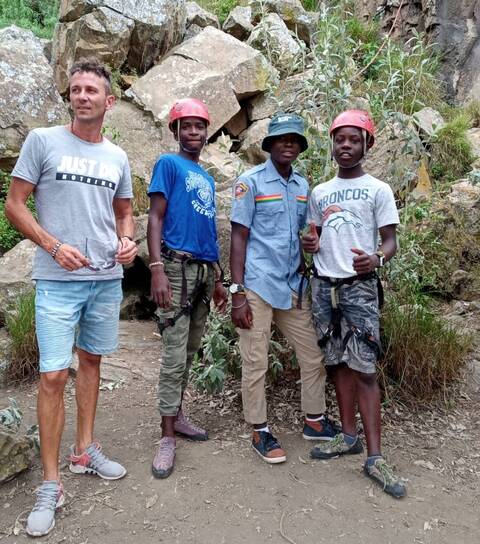
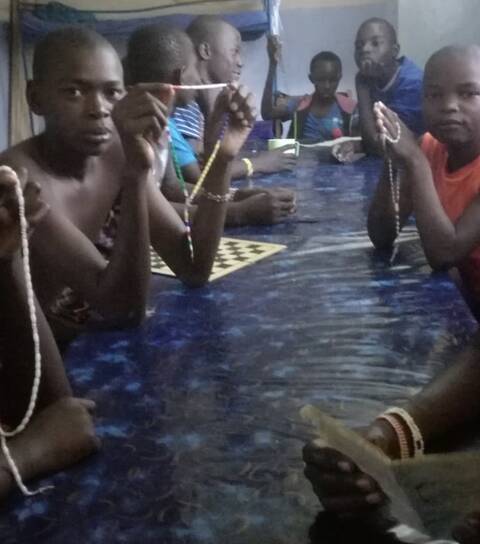
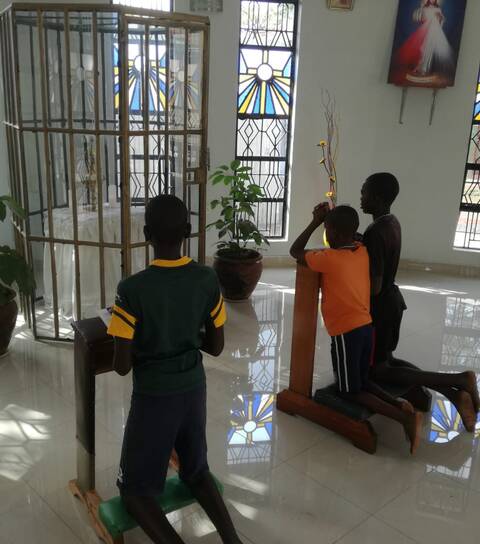
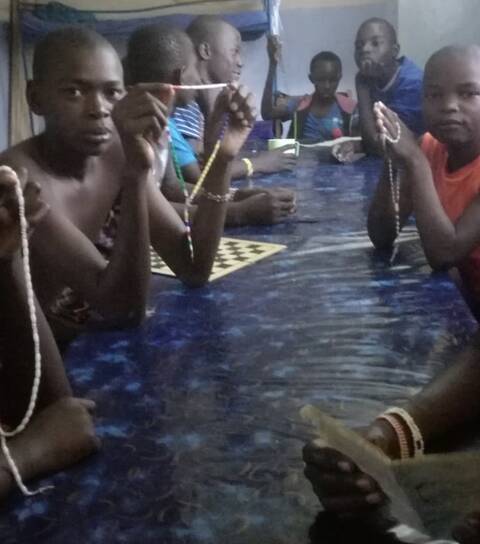
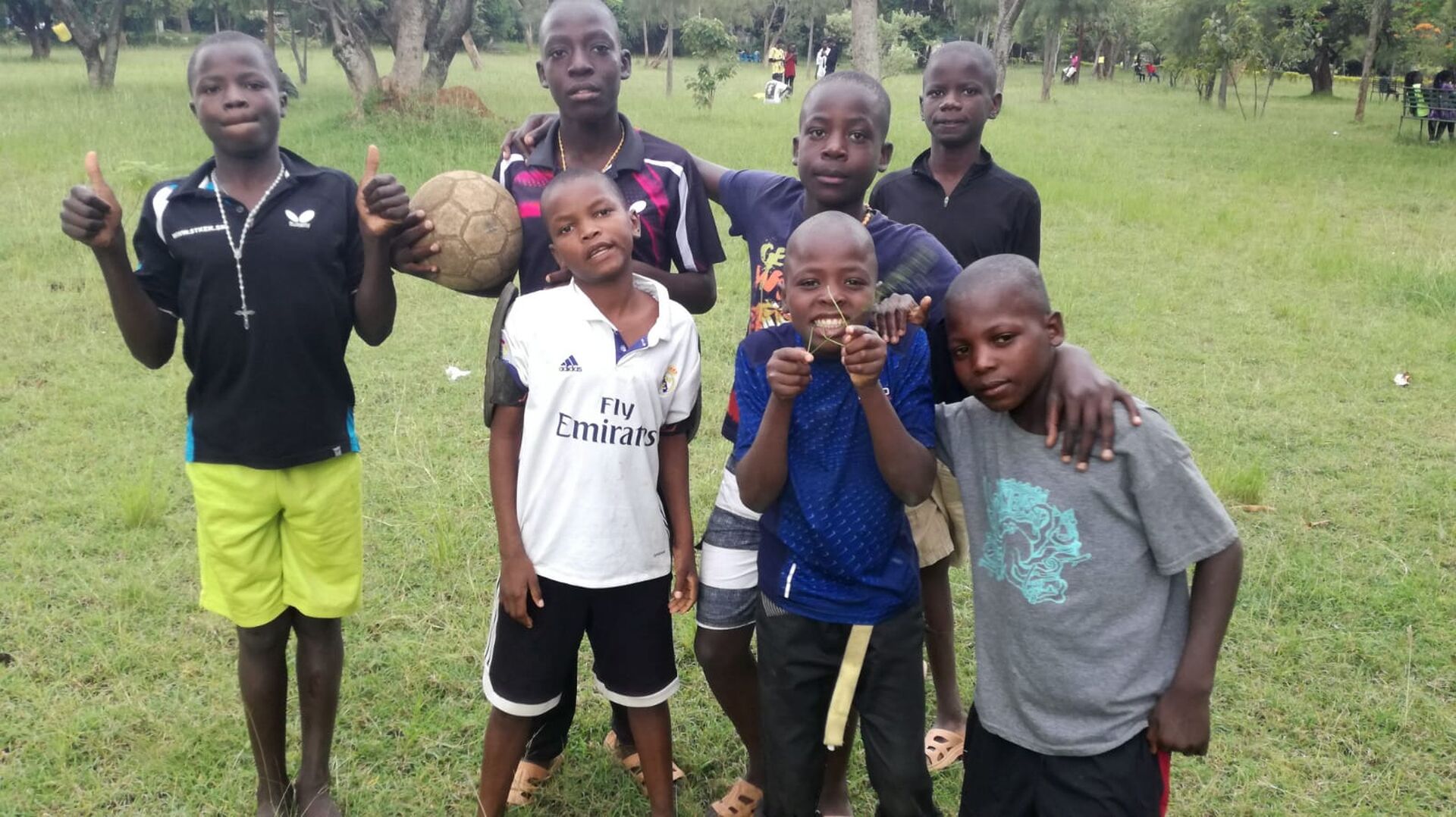
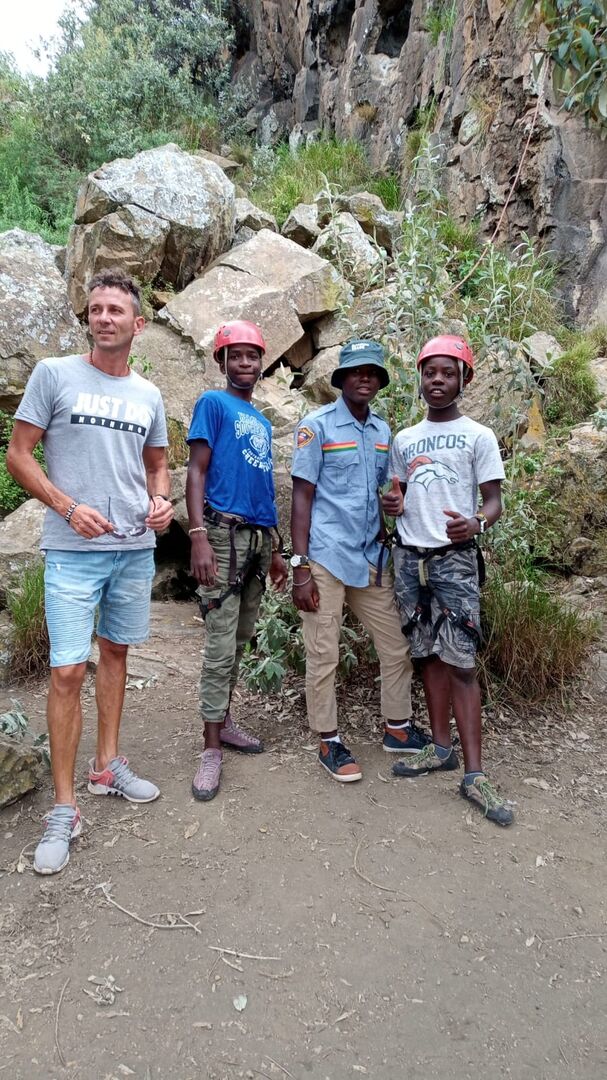
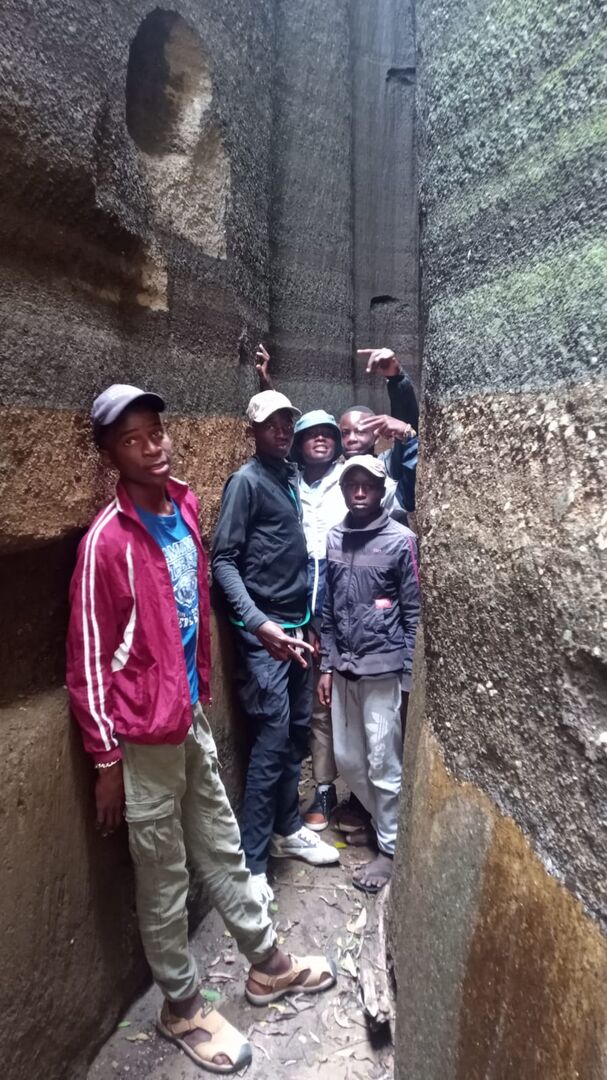
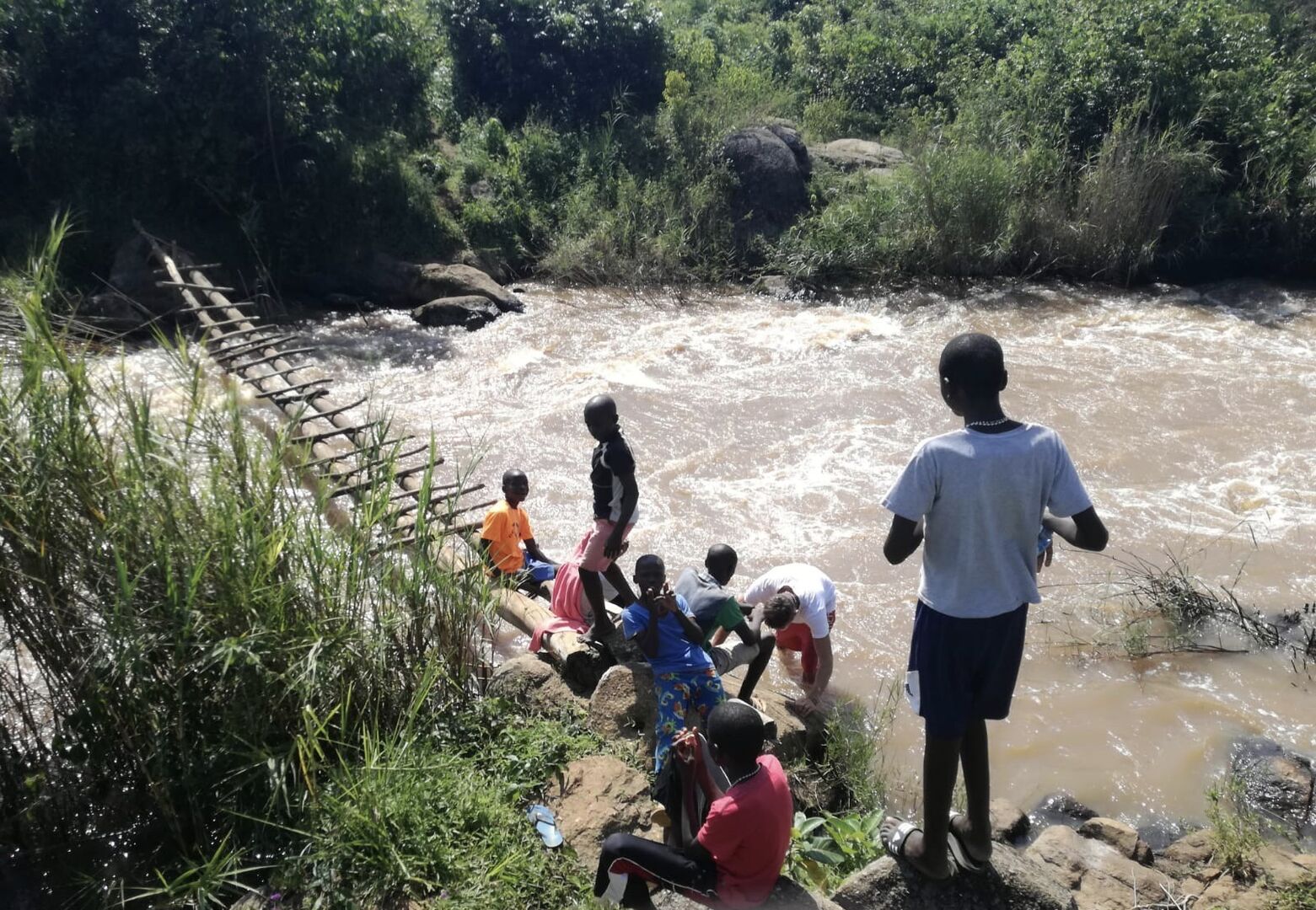
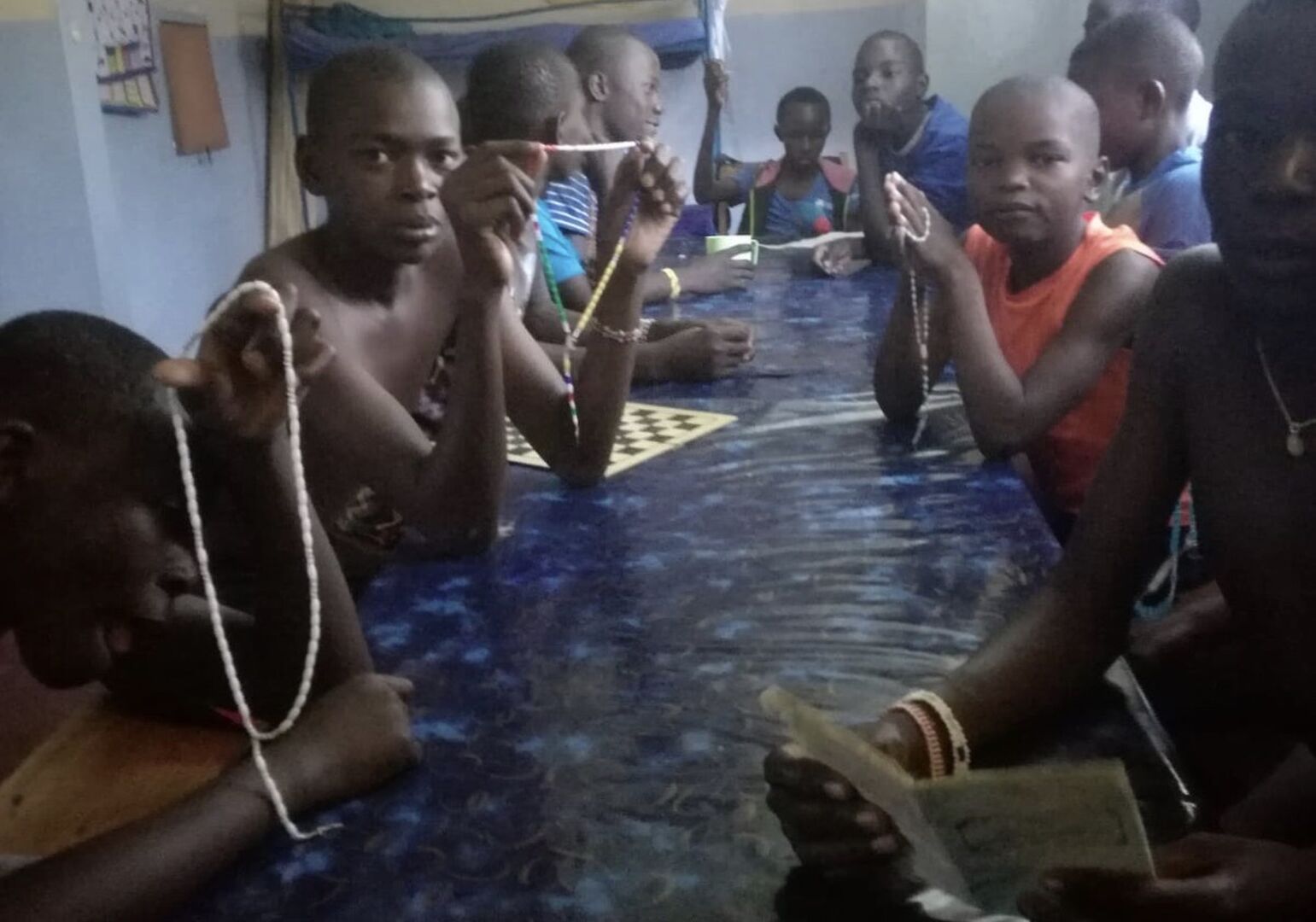
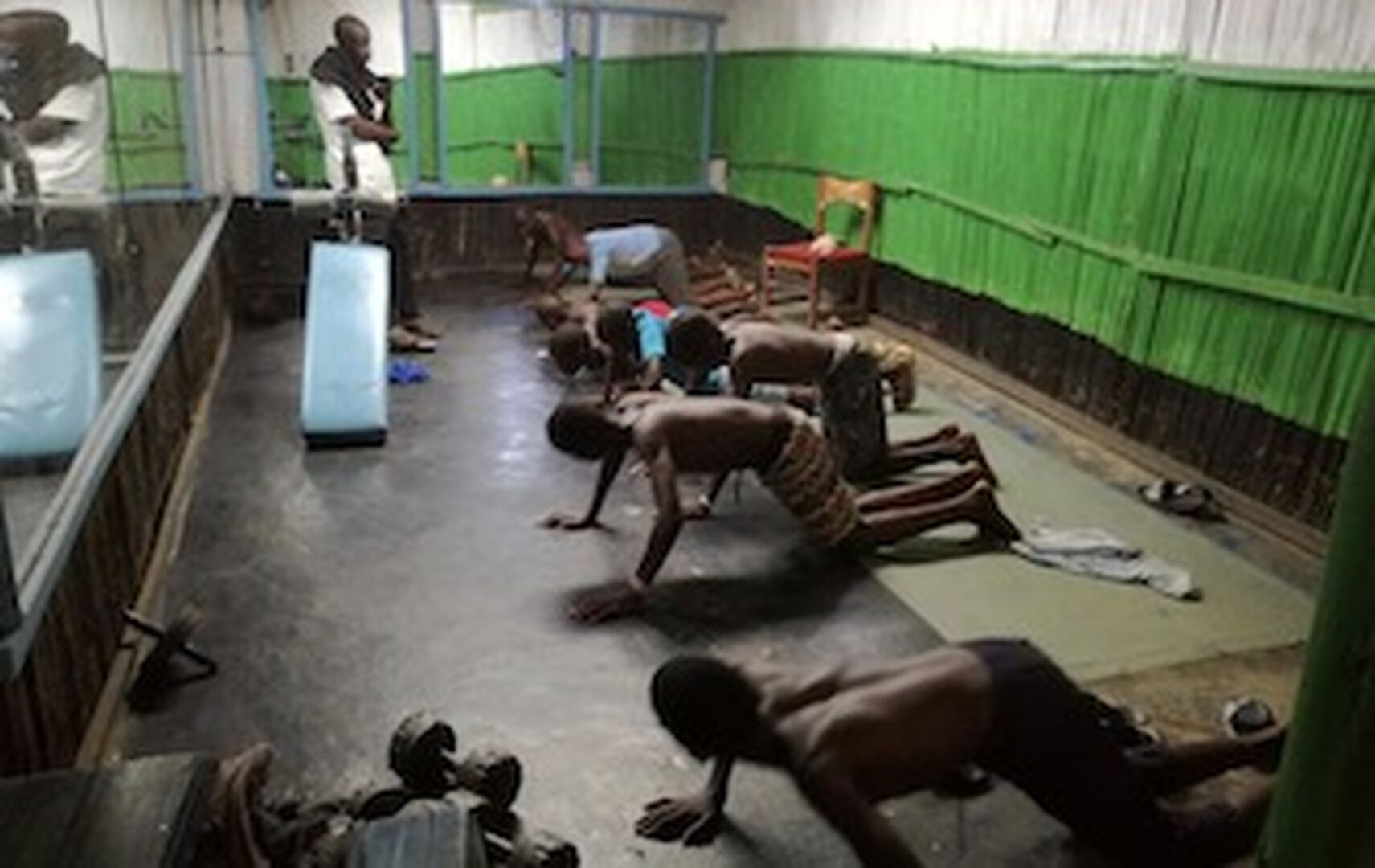
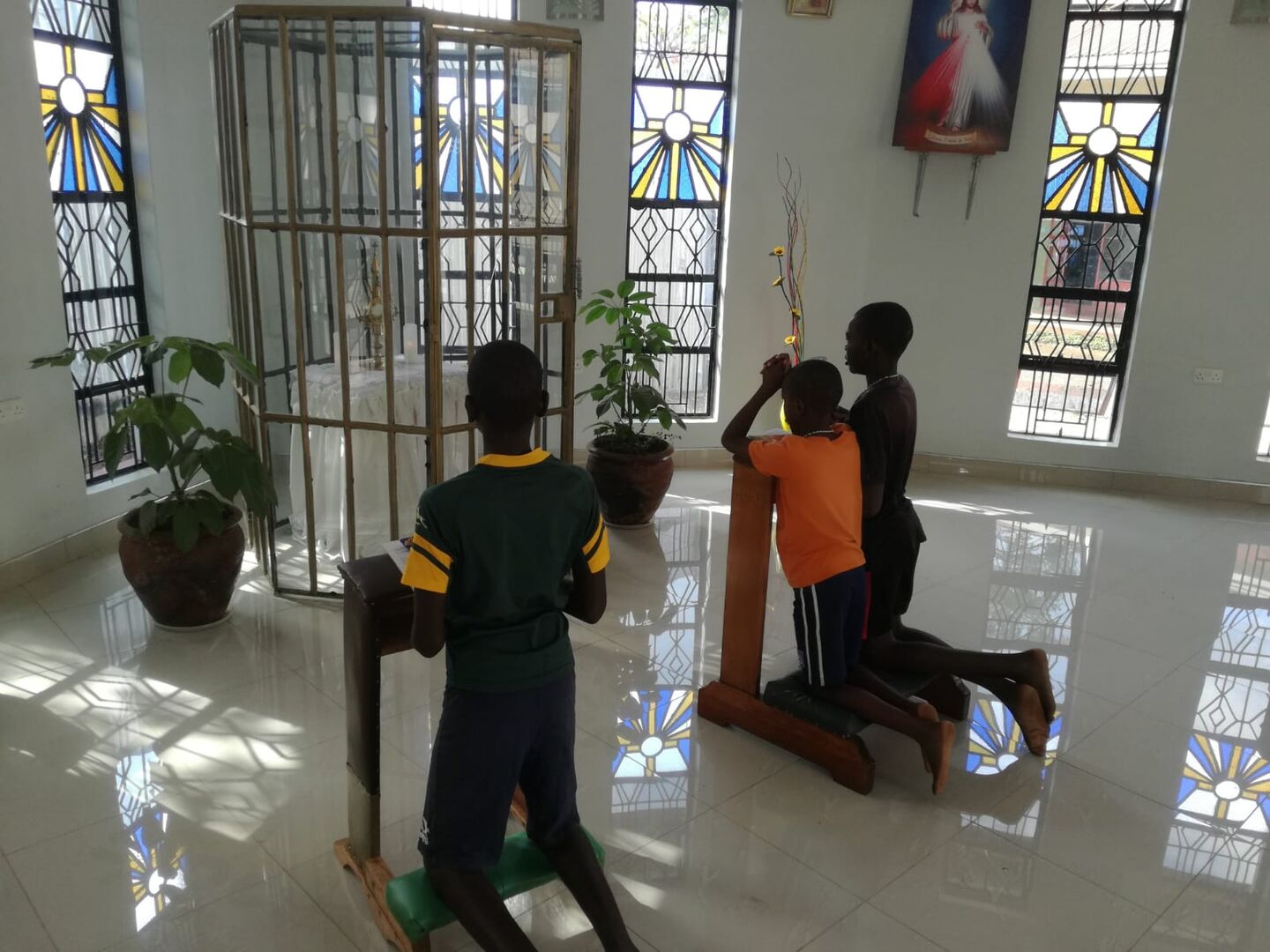
Life within the SPNR community encourages communication, teamwork, discipline, and cooperation. Shared responsibilities, group activities, sports, and community projects help the boys understand the importance of mutual support and belonging.
Discipline is another essential component of rehabilitation.
At SPNR, we encourage consistent fulfilment of responsibilities at school, at home, and within the community. Positive feedback helps reinforce responsible behaviour and contributes to the development of self-discipline and self-confidence.
Rather than imposing discipline through fear, we seek to cultivate it through encouragement, responsibility, and positive role modelling.
Children who grow up without love, security, support, or understanding often struggle to respect themselves and others.
At SPNR, we foster a respectful and considerate community atmosphere. Everyday situations provide opportunities to teach social skills and encourage empathy. Through repeated positive experiences, boys gradually develop healthier attitudes toward themselves and those around them.
Education is at the heart of our mission.
Each child arrives with a unique educational history. Some have never attended school, while others have already completed several grades. Our educational support is therefore highly individualised.
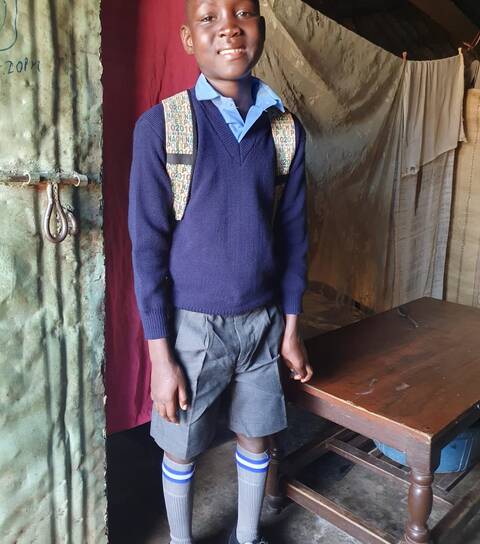
SPNR is only a temporary home. Our ultimate goal is to return each child to a supportive community environment. Once educational gaps have been addressed, we enrol the child in a school near his guardian's home.
Every person must eventually come to terms with their past and understand where they come from.
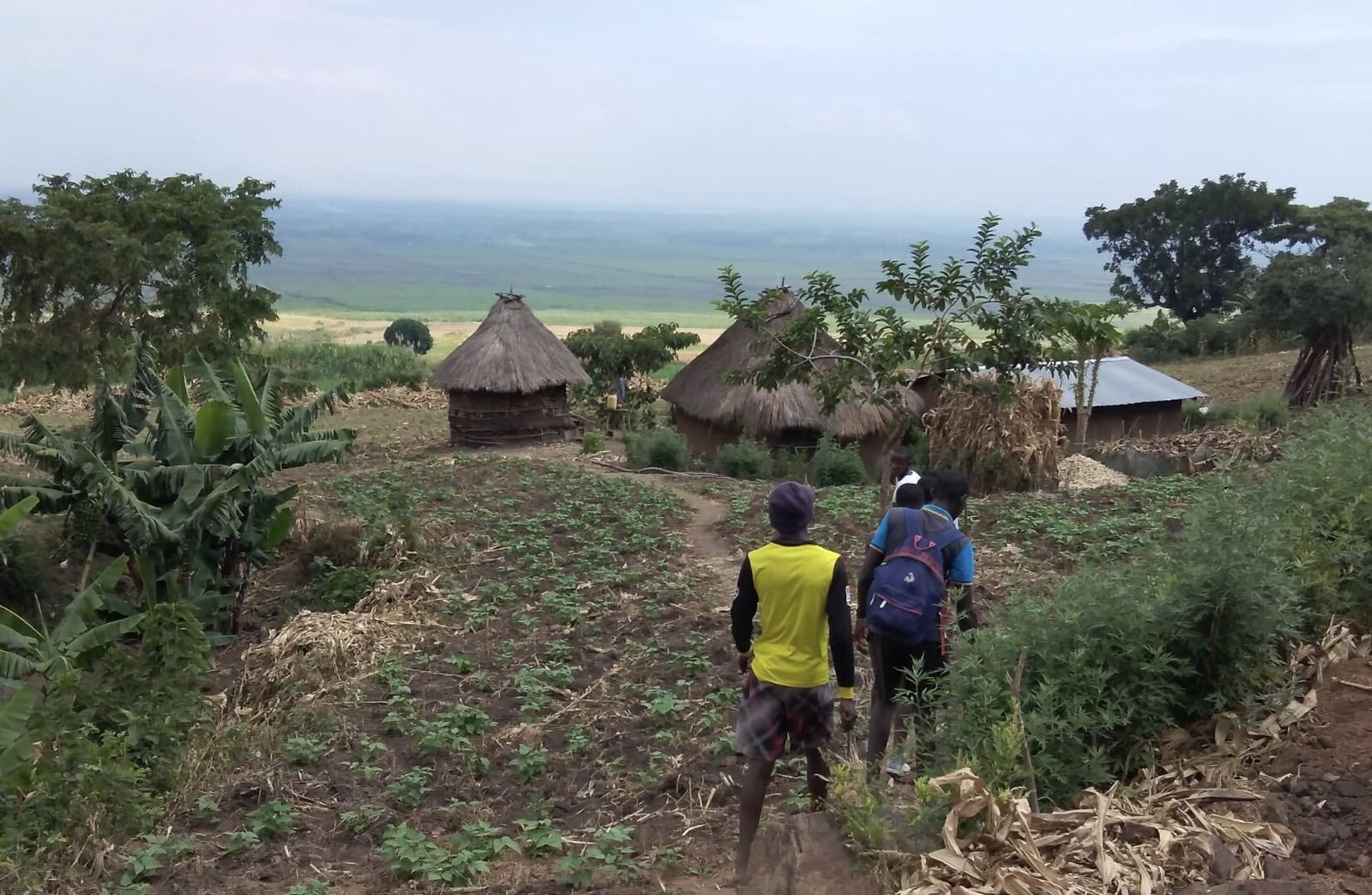
Many boys at SPNR originate from difficult family circumstances. Through interviews, family tracing, and home visits, we seek to understand their backgrounds and identify supportive caregivers who can contribute to their future development.
When suitable guardians are identified, we gradually rebuild family connections and carefully monitor the relationship before placing the child in the new environment.
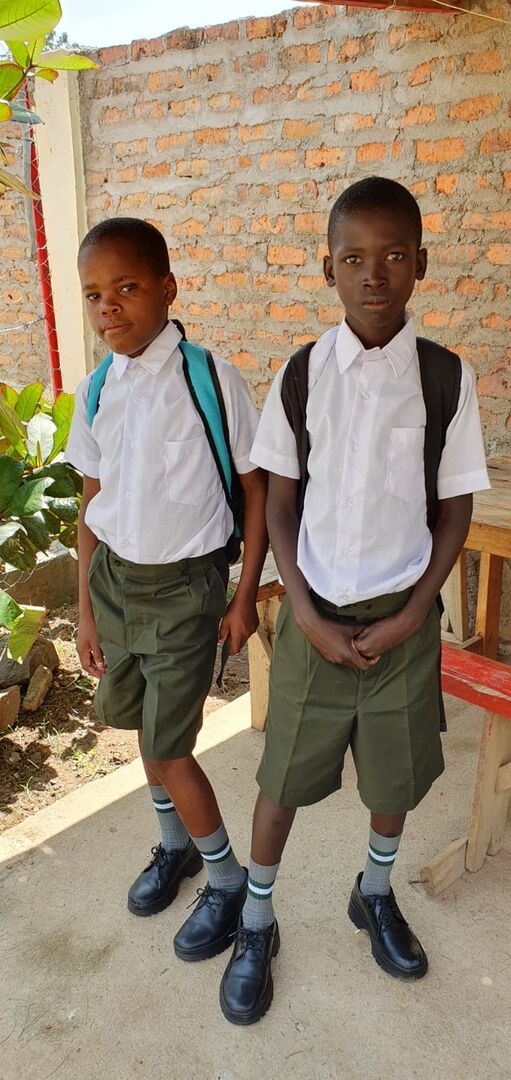
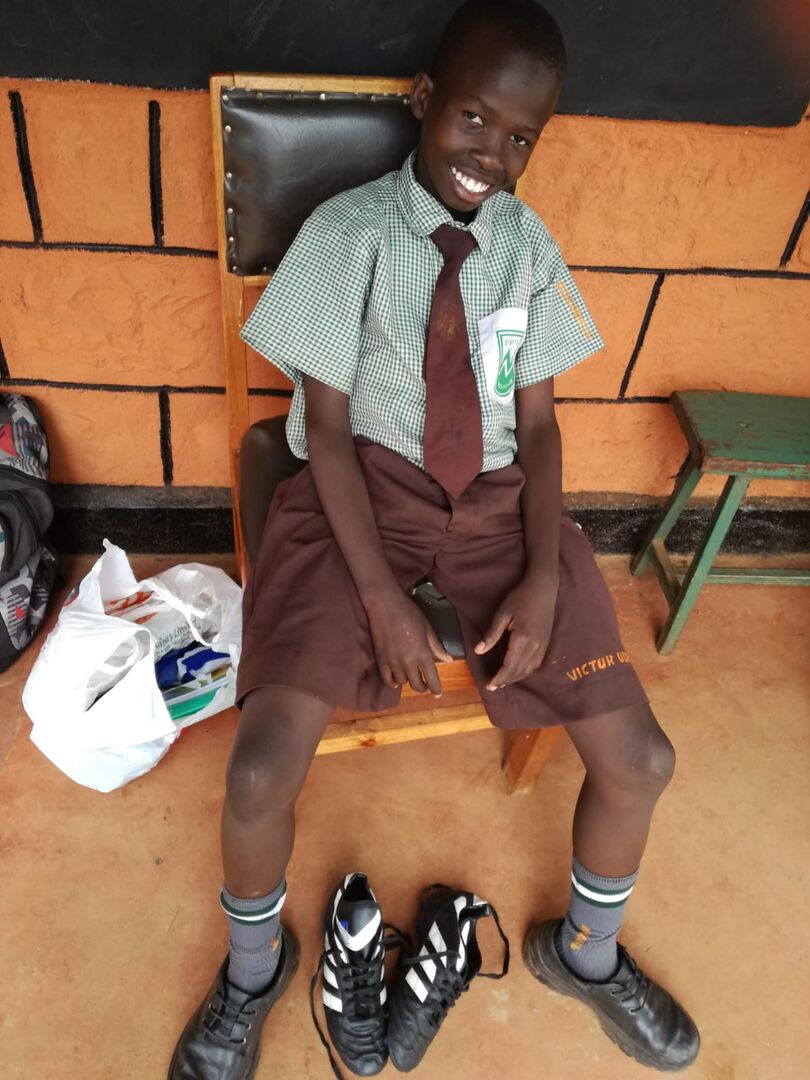
All educational expenses, school materials, clothing, and other essential needs continue to be covered through our programme.
Behind every street child lies a complex and often painful story.
Family conflicts, poverty, misunderstandings, neglect, and theft frequently contribute to a child's departure from home. Our role is to listen to all sides, facilitate dialogue, and seek opportunities for reconciliation.
Successful reintegration depends largely on goodwill and cooperation from both the child and the family. When reconciliation is not possible, we search for alternative family placements within trusted communities.
Education plays a central role in preparing children for adulthood.
After rehabilitation and academic preparation, children are enrolled in schools near their guardians. Our social workers continue to monitor both their educational progress and home environment through regular visits.
Children remain welcome at SPNR during school holidays, allowing us to maintain close relationships and provide continued support.
Those who successfully complete primary school may also receive support for secondary education and, where appropriate, higher education.
The ultimate goal of rehabilitation is to help a young person become capable of making responsible choices and living independently.
We know we have fulfilled our mission when a former street child completes his education, secures employment, starts a business, or builds a stable family life of his own.
Whether he becomes a mechanic, driver, shop assistant, mason, technician, entrepreneur, or professional in another field, every success story is a powerful reminder of what is possible when a child is given a second chance.
For us, there is no greater joy than witnessing this transformation: a child abandoned and forgotten by society growing into a confident, responsible adult capable of building a better future for himself and for the next generation.
HOLLEN Ltd.
Roman Catholic Parish of Závod
Roman Catholic Parish of Devínska Nová Ves

Koordinátor projektu